
TL;DR
Lawn care experts recommend homeowners inspect their yards this September for brown or bare patches. Addressing these issues now can prevent more serious problems in spring. The trend shows rising interest in lawn maintenance during this period, though specific triggers remain unconfirmed.
Homeowners are being advised to conduct a thorough inspection of their lawns this September to identify and address brown or bare patches, according to lawn care experts. This early assessment aims to prevent more extensive damage and costly reseeding in spring, making it a critical step in seasonal lawn maintenance.

Get garden gear delivered free with Prime
- Fast, free delivery on millions of items
- Prime Video, Amazon Music and more included
- Member-only deals all year
Multiple sources in the lawn care industry highlight that early September is the optimal time to evaluate the health of your lawn, especially if it shows signs of distress such as brown or bare patches. These patches can be caused by a variety of factors, including drought stress, pests, disease, or improper watering during summer months. Addressing these issues promptly can help restore the lawn’s vigor before winter sets in.
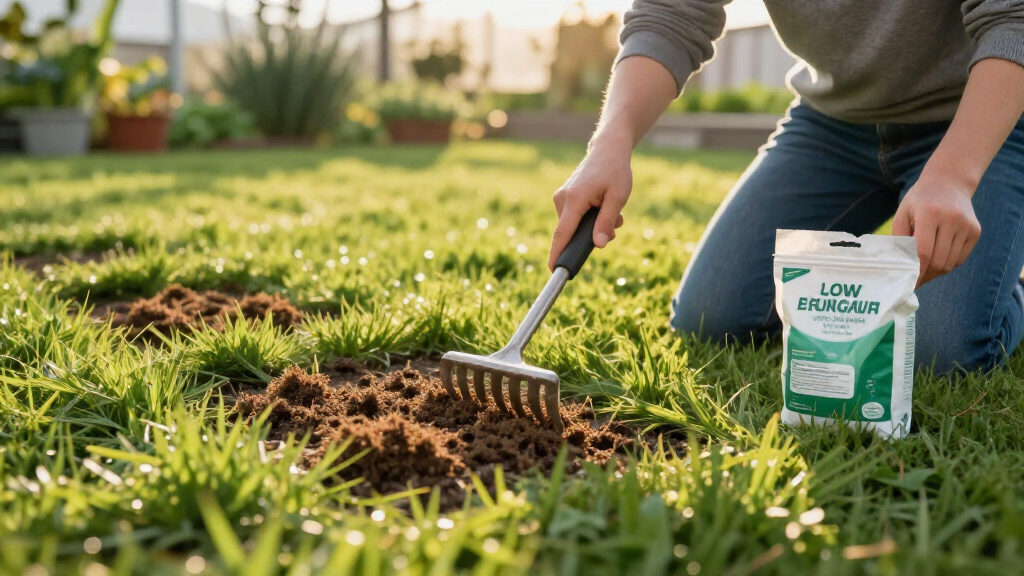
Experts recommend inspecting the entire yard for uneven coloration, thinning grass, or patchy areas that may be dead or dying. Once identified, homeowners can take targeted actions such as aeration, overseeding, or adjusting watering practices. The goal is to strengthen the grass before temperatures drop significantly, which will aid in spring recovery and reduce the need for extensive reseeding later.
The trend of increased interest in lawn maintenance during early September appears to be driven by a combination of seasonal lawn care advice and rising awareness of the importance of proactive yard management. While specific triggers for this surge in coverage are unconfirmed, industry sources note that homeowners increasingly seek timely guidance to avoid larger problems and expenses in spring.
Impacts of Ignoring Brown or Bare Patches in Fall
Failing to address brown or bare patches in your lawn during September can lead to more serious problems come spring. Dead patches may expand, weeds can invade, and the overall health of the lawn can decline, resulting in higher reseeding costs and longer recovery times. Proactive care now helps maintain a lush, healthy yard, which is especially valuable for homeowners preparing for outdoor activities and curb appeal.
According to turf specialists, early intervention enhances the lawn’s resilience against winter stressors and pests. It also reduces the risk of soil erosion and compaction, which can further damage the grass. Overall, timely maintenance can save homeowners money and effort in the long run, making September a critical window for lawn health management.
Products Worth Considering

Husqvarna Automower 435X AWD Robotic Lawn Mower

Greenworks 80V Cordless Axial Leaf Blower Kit with 4Ah Battery and Charger

Husqvarna Automower 550 Commercial Robotic Lawn Mower
As an affiliate, we earn on qualifying purchases.
Why Lawn Damage Often Appears in Late Summer
Lawn damage such as brown patches or thinning grass commonly appears after the peak of summer due to heat stress, drought conditions, and increased pest activity. During this period, grass roots can weaken, making the turf more susceptible to disease and weed invasion. Historically, lawn care experts have emphasized early fall as the best time for recovery efforts, as soil temperatures remain warm enough for seed germination and root growth.
Recent coverage spikes reflect growing homeowner awareness of the importance of fall lawn care. This trend is partly driven by seasonal advice from gardening outlets and an increase in online searches related to lawn repair. However, the specific reasons for this surge in interest are unconfirmed, and industry sources suggest it may be related to broader trends in outdoor home maintenance.
Unconfirmed Triggers Behind Increased Lawn Care Interest
While experts agree that September is a key period for lawn repairs, it is not yet clear why there is a spike in coverage and homeowner interest. The exact triggers—such as seasonal trends, media influence, or climate factors—remain unconfirmed. Industry insiders note that the rising attention could be related to broader awareness campaigns or recent weather patterns, but no definitive source has been identified.
Next Steps for Homeowners Planning Lawn Repairs
Homeowners are encouraged to inspect their lawns thoroughly this month, identify any brown or bare patches, and take appropriate corrective actions such as overseeding, aeration, or adjusting watering schedules. Local garden centers and lawn care professionals can provide tailored advice based on specific grass types and regional conditions.
Further guidance and seasonal reminders are expected to be issued by gardening organizations and turf experts as the month progresses. Monitoring weather forecasts and soil conditions will help determine the best timing for reseeding and other interventions, ensuring lawns recover fully before winter.
Key Questions
Why is early September the best time to repair lawn patches?
Because soil temperatures remain warm enough for seed germination and root growth, and the grass is still actively growing, making it easier to repair damage before winter dormancy.
What are the most effective methods to fix brown patches now?
Common methods include overseeding damaged areas, aerating the soil to improve water and nutrient absorption, and adjusting watering practices to avoid drought stress.
Can ignoring lawn patches lead to more expensive repairs later?
Yes. Unaddressed patches can expand, attract weeds, and weaken the overall lawn, leading to higher reseeding and treatment costs in spring.
Are certain grass types more prone to damage in late summer?
Some cool-season grasses are more susceptible to summer stress, while warm-season grasses may recover more quickly. Local conditions and maintenance practices also influence damage likelihood.
What is the best way to prevent future lawn damage?
Consistent watering, proper fertilization, aeration, and timely overseeding can help maintain a healthy lawn that withstands seasonal stresses.
Source: rss