
To prevent tiny leaks from becoming big cleanup jobs, regularly inspect your plumbing for signs like damp spots, odors, or discoloration. Use leak detection sensors near vulnerable areas and insulate pipes to spot moisture early. Fix small issues promptly, such as loose fittings or dripping faucets, and maintain your system to reduce stress on pipes. Staying proactive with maintenance and technology helps you catch leaks early—continue exploring ways to safeguard your home more effectively.

Get garden gear delivered free with Prime
- Fast, free delivery on millions of items
- Prime Video, Amazon Music and more included
- Member-only deals all year
Key Takeaways
- Install moisture sensors near vulnerable pipes for early leak detection and prompt response.
- Insulate pipes to prevent freezing and make leaks more visible during inspections.
- Conduct regular plumbing inspections to catch small issues before they escalate.
- Fix minor leaks immediately and replace worn-out fittings or washers promptly.
- Manage water usage efficiently to reduce pressure and stress on plumbing systems.

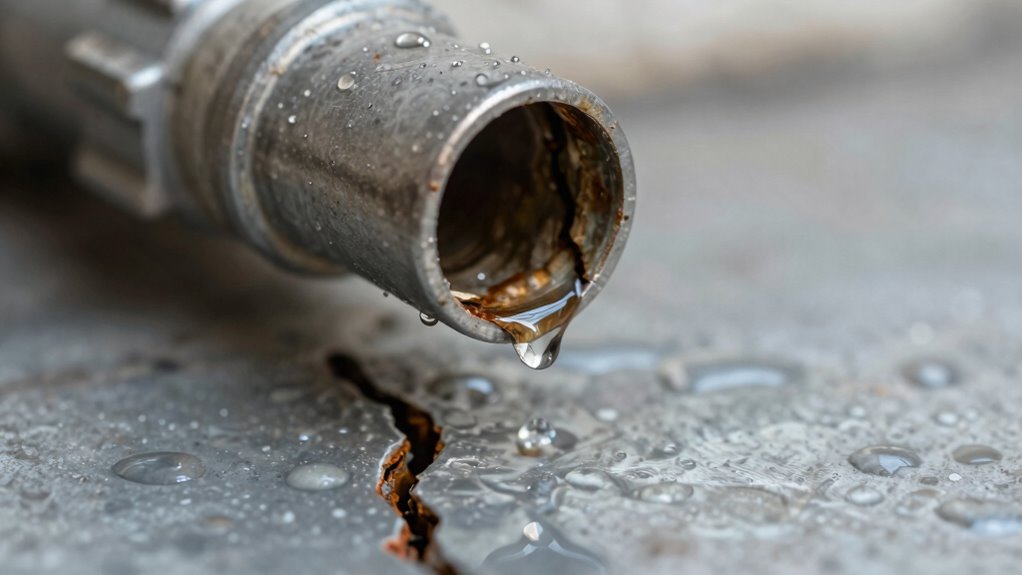
Small leaks might seem harmless at first, but if left unchecked, they can quickly escalate into costly and messy disasters. The key to preventing this is early detection and taking simple preventative measures. One of the most effective ways to do this is by ensuring your pipes are properly insulated. Pipe insulation not only keeps your water from freezing in cold weather but also helps you spot leaks more easily. When pipes are well-insulated, any drips or moisture buildup become more apparent, alerting you to a potential problem before it worsens. Insulation also reduces the risk of pipe bursts caused by temperature fluctuations, which can lead to major water damage. Proper insulation can also help maintain consistent water temperature, reducing stress on your plumbing system. Leak detection plays a critical role in catching tiny leaks early. Installing leak detection devices, such as sensors that alert you to moisture or water presence, can save you from expensive repairs. These devices can be placed near appliances, under sinks, or along vulnerable pipes. Once they detect moisture, they send an alert, giving you the chance to address the issue immediately. Regularly inspecting your plumbing system is equally important. Look for signs of leaks like discoloration, musty odors, or damp spots around pipes and fixtures. Catching these signs early allows you to take prompt action, avoiding major damage and cleanup. Additionally, system maintenance can help prevent small issues from turning into big problems, as many leaks develop gradually over time. Performing routine plumbing inspections can reveal hidden issues before they cause significant damage. You should also be proactive by maintaining your plumbing system. Check for leaks regularly, especially in hidden areas where leaks can go unnoticed for a long time. Tighten loose fittings, replace worn-out washers, and repair any cracks or corrosion you find. Employing advanced leak detection technology can further enhance your ability to identify leaks early. These small maintenance steps can prevent leaks from developing into bigger problems. Consider professional pipe inspections if you’re unsure about the condition of your plumbing. An expert can identify hidden issues that might not be obvious and recommend necessary repairs or upgrades.
Lastly, be mindful of your water usage. Excessive or irregular water use can put stress on your pipes, increasing the likelihood of leaks. Fixing dripping faucets, running toilets, or other plumbing inefficiencies can reduce overall water pressure and decrease the chance of leaks forming. Combining proper pipe insulation, effective leak detection, and routine maintenance creates a strong defense against tiny leaks turning into major cleanup jobs. Staying vigilant with these practices not only saves you money but also provides peace of mind, knowing your home’s plumbing is secure from small leaks that could cause big problems.
Products Worth Considering

Traeger Woodridge Pro Wood Pellet Grill and Smoker, 970 sq. in., WiFIRE

Husqvarna 525P4S Gas-Powered Pole Saw with 12-Inch Bar

EGO Power+ 16 Cordless Chainsaw (CS1611) with 56V 2.5Ah Battery and Charger
As an affiliate, we earn on qualifying purchases.
Frequently Asked Questions
What Are Early Signs of a Hidden Leak?
You can spot early signs of a hidden leak by checking your water meter for fluctuations when no water is in use. Look for unexplained increases in your water bill, which may indicate a leak behind pipe insulation. Also, listen for faint dripping sounds or damp spots on walls and ceilings. Regularly inspecting these signs helps catch leaks early before they cause bigger problems.
How Often Should Plumbing Be Inspected for Leaks?
You should inspect your plumbing at least once a year to catch leaks early. During inspections, check for signs like damp pipe insulation or unusual water pressure drops. Regularly monitoring water pressure helps identify hidden leaks before they cause significant damage. Also, look for any damp or discolored areas around pipes, which can indicate leaks. Staying proactive with annual inspections keeps tiny leaks from escalating into costly repairs.
Can DIY Fixes Fully Prevent Future Leaks?
DIY fixes can help reduce the risk of future leaks, but they may not fully prevent them. Using pipe insulation can protect pipes from temperature changes, and leak detection systems alert you early to issues. However, for complete peace of mind, it’s best to combine these measures with professional inspections. Regular checkups ensure that small problems don’t escalate, saving you time and money in the long run.
What Materials Are Best for Leak-Proof Pipes?
You should use durable materials like rubber or foam pipe insulation to create a leak-proof barrier. These materials help prevent pipes from freezing and cracking, reducing leaks. Incorporate leak detection methods like sensor alarms to catch issues early. Proper insulation keeps pipes protected, and leak detection guarantees you’re alerted before small drips become major problems. Combining quality insulation with effective leak detection is your best strategy for leak-proof pipes.
How Long Does It Take for a Tiny Leak to Cause Major Damage?
A tiny leak can cause major damage surprisingly fast, especially if water pressure is high and pipe insulation isn’t adequate. Water can seep into walls or floors within days, leading to mold, structural damage, and costly repairs. Even small leaks should prompt quick action, as they escalate quickly under pressure, turning minor drips into extensive cleanup jobs. Regular inspections and proper insulation are your best defenses against rapid, costly damage.
Conclusion
By catching tiny leaks early, you prevent a small drip from turning into a massive flood that could swallow your entire home. Think of ignoring that tiny leak as inviting a mini tsunami into your living room—water everywhere, chaos, and a cleanup that could take days. Stay vigilant, fix leaks promptly, and save yourself from an epic disaster. Your home’s safety depends on your quick action—don’t let a tiny drip become a colossal nightmare!