TL;DR

Get garden gear delivered free with Prime
- Fast, free delivery on millions of items
- Prime Video, Amazon Music and more included
- Member-only deals all year
Outdoor garden tool sets bundle essential tools for yard work, but more pieces don’t mean better value. Focus on durability, materials, and ergonomics. A small, well-made set often outperforms a large, cheap one.
Ever bought a giant garden tool set only to find half the tools unused or breaking after a few seasons? You’re not alone. Many gardeners assume more tools equal better gardening, but that’s not the case.
Instead, understanding what really matters—durability, comfort, and matching tools to your specific tasks—can transform your garden work from a chore into a joy. Whether you’re trimming a few roses or planting a vegetable patch, choosing the right set makes all the difference.
Prioritize quality and durability over the number of tools in a set.
Match tools specifically to your gardening tasks for better efficiency.
Proper maintenance extends the lifespan of your tools and saves money.
Ergonomic, lightweight designs help reduce strain, especially for older gardeners.
Eco-conscious choices focus on repairability and long-lasting materials rather than just packaging.
What’s Inside a Typical Outdoor Garden Tool Set — And Why It Matters
Most garden tool sets include a handful of basics: a trowel, transplanter, pruners, gloves, and a tote. Larger sets might add a rake, shovel, or loppers. But more isn’t always better. Focus on quality, not quantity.
Understanding the typical tools and their construction helps you evaluate their usefulness. For instance, a well-made trowel with a reinforced steel blade can last decades, providing reliable service for potting and transplanting. Conversely, a cheaply made plastic-handled tool may crack or bend under pressure, requiring replacement sooner. This tradeoff between cost and durability impacts your long-term gardening efficiency and expenses.
Think about your specific gardening needs: if you only do light container gardening, a basic, high-quality trowel and pruners might suffice, and investing in cheaper, less durable tools could lead to frustration. On the other hand, if you frequently work on larger projects, investing in sturdier, heavier-duty tools with reinforced handles can improve leverage, reduce fatigue, and prevent breakage, ultimately saving you money and effort over time. The key is balancing your needs with the quality of materials—knowing that a slightly higher initial investment in durable tools pays off through longevity and performance.
Products Worth Considering

Solo Stove Bonfire 2.0 Smokeless Wood-Burning Fire Pit with Stand, 19.5-Inch, Silver

EGO POWER+ 20-Inch Cordless Chainsaw with 56V 6.0Ah Battery and Charger (CS2005)

Orbit B-hyve Smart Indoor/Outdoor 12-Zone Sprinkler Controller
As an affiliate, we earn on qualifying purchases.
How to Pick the Right Garden Tool Set for Your Yard
- Define your gardening scope: Are you planting flowers, vegetables, or maintaining a large landscape? Your needs vary wildly, and choosing tools tailored to these tasks ensures efficiency. For example, a small balcony gardener benefits from lightweight, compact tools, while someone maintaining a large backyard might need heavy-duty, multi-purpose equipment.
- Match tools to tasks: For container gardening, a small trowel and pruning shears suffice, but for vegetable beds, you might need a weeder, transplanter, and a sturdy hand rake. Prioritizing the right tools prevents clutter and ensures you’re prepared for your specific projects.
- Check materials: Stainless steel blades resist rust and are low-maintenance, making them ideal for frequent use and wet conditions. Carbon steel is tougher and easier to sharpen but can rust if not protected. Handles should feel sturdy and comfortable—consider materials like hardwood, fiberglass, or reinforced plastic, which balance durability and weight.
- Assess ergonomics: Grip size, handle shape, and weight significantly influence comfort. Testing tools before purchasing helps identify which designs reduce strain. Soft grips and ergonomic contours are especially beneficial if you garden for long hours or have joint issues, as they minimize fatigue and discomfort.
- Consider storage: A tote or case helps keep tools organized, protected, and easily accessible. Proper storage after each use—drying and cleaning—prevents rust and prolongs the life of your tools. Well-organized tools also reduce the risk of accidents caused by clutter or damaged equipment.
For example, if you’re buying a set for a small balcony garden, selecting a compact, lightweight set with a durable stainless-steel trowel, sharp pruners, and a foldable tote makes gardening more manageable and enjoyable. Tailoring your choices to your space and physical needs ensures you’re not overwhelmed or under-equipped, leading to better results and more satisfaction. Recognizing the tradeoffs involved—such as lighter tools being easier to handle but potentially less durable—helps you make informed decisions that match your physical strength and project scope.
The Latest Trends in Garden Tool Design — Should You Care?
Garden tools are evolving fast. Today, ergonomic grips, lightweight materials, and modular handles dominate the market. Some brands offer telescoping handles that extend for high branches or deep beds, reducing back strain and improving reach, which is particularly helpful for gardeners with limited mobility or those working in awkward spaces.
Battery-powered mini pruners and cultivators are gaining popularity among busy gardeners. They cut down manual effort, increase productivity, and allow for more precise cuts. Bright-colored handles and eco-friendly packaging also make shopping and storage more convenient, aligning with sustainable values.
For example, a gardener with arthritis might prefer a set with padded, curved handles designed to reduce wrist pressure, enabling longer, more comfortable sessions. Meanwhile, a hobbyist with a small vegetable patch might love a lightweight, extendable transplanter that saves bending and kneeling, making gardening less physically demanding.
While these features add convenience, it’s important to differentiate between genuine innovation and trendy gadgets. Durable, well-made tools still outperform flashy but fragile options. Look for brands with solid warranties, positive reviews, and a track record of quality. Investing in these features can improve your gardening experience, but only if they align with your specific needs and physical capabilities. Understanding the implications of these innovations—such as the potential for increased longevity and reduced strain—helps you decide whether they are worth the investment for your unique gardening style.
Sustainable Gardening: What to Know About Eco-Friendly Tool Sets
Eco-friendly garden tool sets often claim to be better for the planet. But not all are equally sustainable. Look beyond packaging—consider handle materials, metal sourcing, and repairability. The environmental impact of your tools depends heavily on their lifecycle, from raw materials to end-of-life repair options.
Wooden handles made from FSC-certified or recycled wood significantly reduce environmental impact by promoting responsible forestry and reducing deforestation. Plastic-free packaging helps minimize waste, but it’s equally important to evaluate the durability of the tools themselves. A tool that is well-made and repairable may last for decades, reducing the need for frequent replacements and waste.
For example, some brands use biodegradable handles or recycled aluminum, which can be a smart choice if they meet quality standards. Remember, a tool that lasts for decades and can be easily repaired or refurbished is far more eco-friendly than disposable alternatives. This approach supports a circular economy and reduces landfill waste.
Be wary of vague claims like “green” or “eco-friendly”—they often lack transparency. Read product details carefully, and prioritize tools from companies that emphasize durability, repairability, and responsibly sourced materials. Choosing high-quality, maintainable tools ensures they remain in use longer, which is the most effective way to reduce environmental impact over time. Additionally, consider the tradeoff between cost and longevity: investing in durable, repairable tools might have a higher upfront cost but pays off by reducing waste and replacement frequency in the long run.
Care and Maintenance: How to Keep Your Garden Tools in Shape
Proper care can turn a good tool into a lifelong companion. After each session, brush off soil, rinse with water, and dry thoroughly to prevent rust and corrosion. Use a light coat of oil on blades and metal parts—such as linseed or mineral oil—to create a protective barrier against moisture and rust, which is especially important in humid environments. Recognizing the importance of regular maintenance helps prevent early deterioration and ensures your tools perform at their best over time.
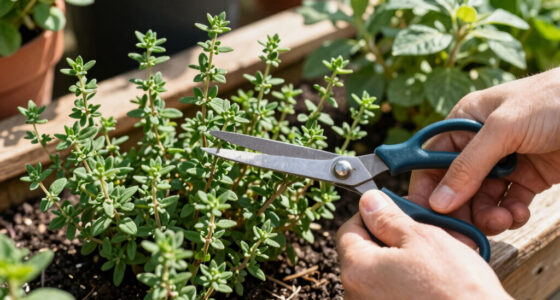
Pruning blades need sharpening when cuts become rough or require more force. Use a sharpening stone or a fine file to maintain a clean, precise edge—sharpening regularly prevents tearing and damage to plant tissues. Proper sharpening also reduces the effort needed during pruning, decreasing fatigue and increasing safety. Lubricate pivot points and handles with appropriate oil or grease to ensure smooth operation, especially for pruning shears and loppers that see frequent use. This lubrication prevents rust and keeps mechanisms functioning smoothly, which is vital for safety and efficiency.
Store tools in a dry, organized space—hanging long-handled tools keeps edges protected and prevents clutter that can cause damage or accidents. Wooden handles can be lightly sanded and treated with oil when rough or dry, restoring their integrity. Avoid leaving tools outside exposed to rain, sun, and temperature swings, which accelerate deterioration and can compromise safety and function. Regularly inspecting and maintaining your tools prevents small issues from becoming major repairs or replacements, thereby saving money and ensuring safety during use.
Imagine you’ve just finished a weekend of planting and weeding. Wiping blades, oiling joints, and hanging tools in a dry shed or storage cabinet keeps them ready for the next project. Consistent maintenance—like cleaning, sharpening, and proper storage—extends their lifespan significantly, making your gardening more efficient and enjoyable while reducing long-term costs.
Conclusion
Investing in a well-chosen garden tool set turns yard work from a chore into a pleasure. Remember, a handful of sturdy, comfortable tools will serve you better than dozens of cheap, disposable ones. Treat your tools well—your garden (and your back) will thank you.
So, next time you’re eyeing a flashy set, ask yourself: does it match my needs, and will it last? Your garden’s health depends on the tools you choose today. Happy gardening!