
TL;DR
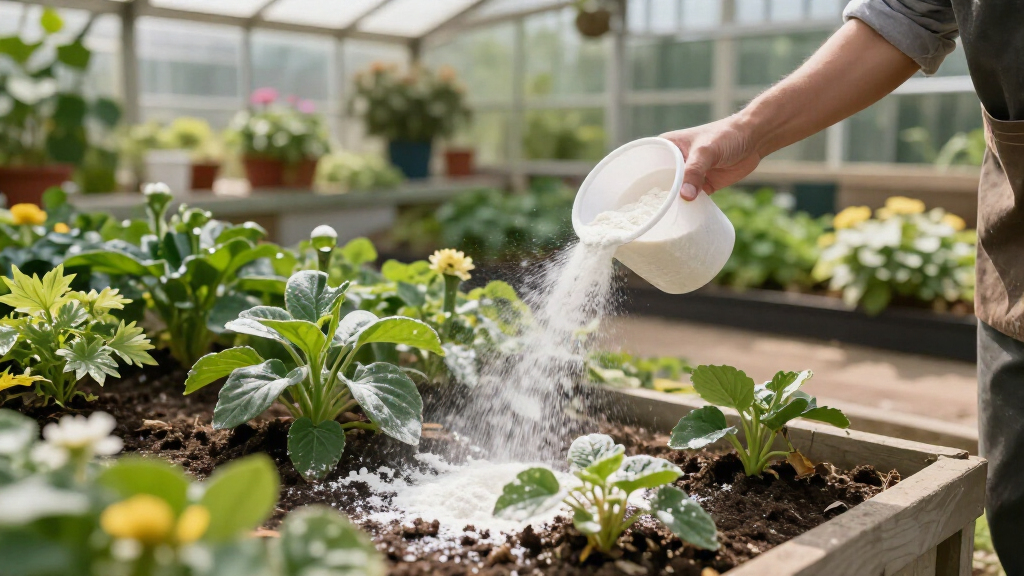
A gardener reported seeing others applying flour in their gardens to deter pests. We consulted a professional gardener for confirmation and context. The practice is not widely documented but has some anecdotal support.
A gardener noticed others spreading flour around plants to keep pests away and asked a professional gardener husband for his opinion. This unconventional method has garnered curiosity, though its effectiveness remains unverified.
The gardener’s observation involved applying flour at the base of plants, reportedly to repel pests such as ants and beetles. When questioned, the professional gardener confirmed that some gardeners use flour as a natural pest deterrent, citing anecdotal evidence rather than scientific studies.
According to the gardener husband, flour may act as a physical barrier or interfere with pest behavior, but there is limited scientific research supporting its widespread use. Experts emphasize that while flour is generally safe for plants and soil, its effectiveness in pest control is uncertain and may vary depending on pest types and environmental conditions.
Potential Impact of Flour as a Natural Pest Repellent
This practice could offer a low-cost, accessible alternative to chemical pesticides, appealing to organic gardeners. However, without scientific validation, its reliability remains in question. If proven effective, it could influence pest management strategies in home gardening, especially for those seeking eco-friendly solutions.

Garden Safe Insecticidal Soap Insect Killer Spray, 32 Oz
- Ready-to-Use Spray: No mixing required, spray directly
- Versatile Use: Suitable for indoor, outdoor, greenhouse
- Safe for Edibles: Use up to harvest day
As an affiliate, we earn on qualifying purchases.
As an affiliate, we earn on qualifying purchases.
Limited Evidence and Traditional Pest Control Methods
Using household items like flour for pest control is not new, but scientific support is scarce. Historically, gardeners have experimented with various natural substances, such as cinnamon or chili powder, with mixed results. The recent observation of flour use highlights ongoing interest in non-chemical methods, though robust research is lacking.
Previous studies on natural pest deterrents focus on substances with proven repellent properties, but flour has not been a primary subject. Its use appears to be anecdotal, based on personal experience rather than scientific trials.
“There is limited research on flour as a pest deterrent. Its effectiveness likely varies depending on the pest species and environmental factors.”
— Expert Entomologist

Pest Rodent Repellent, 24 Pack Peppermint Oil Repellent for Mouse Rats Spider Roach Ant Squirrel Pest Control Indoor & Outdoor, Natural Mice Deterrent Replace Trap Poisoning Family & Pet Safe Green
- Humane Natural Repellent: Repels rodents without harm using mint scents
- Long-Lasting & Wide Coverage: Effective for 30 days over 120 sq ft
- Easy to Use: Place in problem areas with included mesh bag
As an affiliate, we earn on qualifying purchases.
As an affiliate, we earn on qualifying purchases.
Effectiveness and Scientific Validation of Flour Use
It is not yet clear whether flour effectively repels pests or if this is largely anecdotal. There are no peer-reviewed studies confirming its efficacy, and results may vary based on pest type and garden conditions.

Diatomaceous Earth Food Grade & Peppermint Powder for Crawling Insect and Pest Control – 1 lb
- Natural and Effective Formula: Made from pure diatomaceous earth and peppermint oil
- Versatile Pest Control: Targets ants, roaches, fleas, silverfish, bedbugs
- Food-Grade Safe: Free from additives and fillers
As an affiliate, we earn on qualifying purchases.
As an affiliate, we earn on qualifying purchases.
Further Research and Practical Testing in Gardens
Researchers and gardeners may conduct experiments to evaluate flour’s pest-repelling properties under controlled conditions. Meanwhile, gardeners are advised to consider existing proven methods and use flour cautiously, monitoring results.
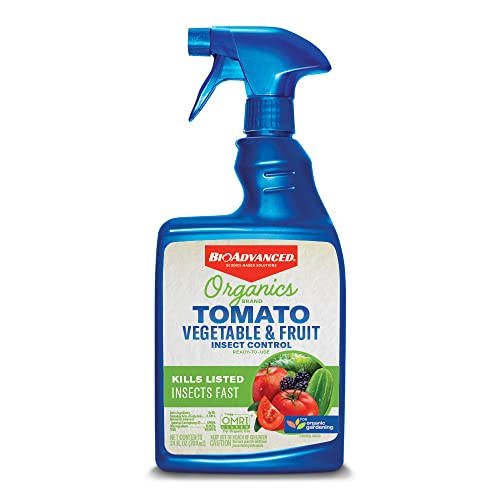
BioAdvanced Organics Brand Tomato, Vegetable & Fruit Insect Control – 24 oz
- Insect Control: Kills pests on edible and ornamental plants
- Powdery Mildew Control: Treats and prevents powdery mildew on plants
- Organic Gardening Approved: OMRI listed for organic use
As an affiliate, we earn on qualifying purchases.
As an affiliate, we earn on qualifying purchases.
Key Questions
Does flour really repel garden pests?
There is no definitive scientific evidence confirming that flour effectively repels pests. Its use is primarily anecdotal, and results may vary.
Is using flour safe for my garden and plants?
Yes, flour is generally safe for plants and soil when used in moderation. However, it may attract other pests or cause mold if applied excessively or in damp conditions.
How should I apply flour if I want to try it?
Gardeners typically sprinkle flour around the base of plants or in pest-prone areas. It’s best to test on a small section first and observe any effects.
Are there better natural alternatives for pest control?
Yes, options like neem oil, cinnamon, chili powder, or introducing beneficial insects have more scientific backing for pest management.
Could using flour cause any harm to my garden?
While generally safe, excessive use could lead to mold growth or attract unwanted pests. Use sparingly and monitor your garden’s response.
Source: rss