When your hydroponic system stops circulating, stay calm and start with a quick inspection. Check that the pump is plugged in, functioning, and not blocked by debris or roots. Tighten fittings, straighten kinks, and verify water levels. Review your nutrient solution for proper pH and flow issues. Also, make certain your lights are working correctly. If you follow these steps, you’ll be able to quickly identify and fix common problems, keeping your system healthy and thriving.
Key Takeaways
- Check if the pump is plugged in, functioning, and free of debris or blockages.
- Inspect tubing and fittings for kinks, leaks, or cracks, and tighten or replace as needed.
- Verify water levels are sufficient to prevent pump burnout and ensure proper flow.
- Test grow lights and reposition for even coverage, replacing faulty bulbs.
- Perform routine cleaning and maintenance of the reservoir and system components.
Are you ready to set up a successful hydroponic system? When your system suddenly stops circulating, it can feel overwhelming, but staying calm and following a clear checklist can help you troubleshoot quickly. First, check the power supply. Make sure your pump is plugged in and that the outlet isn’t tripped or damaged. Sometimes, a simple reset or replacing a blown fuse does the trick. If power isn’t the issue, inspect the pump itself. Clear any debris or blockages that might be obstructing water flow. Sometimes, roots or algae can clog the intake, so remove any buildup carefully.
Check your power supply and clear debris from the pump to restore water circulation quickly.
Next, evaluate the tubing and fittings. Kinks or leaks can disrupt circulation, so straighten out bent hoses and tighten all connections. If you notice leaks, replace faulty fittings or seal cracks with waterproof tape. Once the hardware looks good, turn the system back on to observe whether water flows smoothly. If the circulation still stalls, the problem might be with the water level or the pump’s capacity. Ensure the reservoir isn’t too low, as inadequate water volume can cause the pump to run dry and burn out.
While troubleshooting, don’t forget to review your plant nutrient solutions. Proper nutrient balance keeps plants healthy and can influence water flow indirectly—clogged roots or algae growth resulting from imbalanced nutrients can block circulation. Adjust your nutrient solution if needed, and regularly monitor pH levels, as improper pH can lead to mineral buildup that hampers flow. Maintaining proper nutrient balance is essential for overall system health. Additionally, understanding the importance of water circulation can help you maintain system health and prevent future issues.
Lighting considerations also play a role in overall system health. Insufficient lighting can weaken plants, making roots more prone to rot and clogging. Make sure your grow lights are working efficiently and positioned correctly to provide even coverage. Proper lighting encourages healthy root systems that support steady water movement. If your lights are dim or malfunctioning, replace bulbs or upgrade to more efficient fixtures. Consistent lighting keeps plants vigorous, reducing the chance of blockages or stagnation in your hydroponic system. Regularly inspecting and maintaining your lighting setup can also prevent issues related to insufficient light, which can indirectly affect circulation.
Additionally, regular system maintenance is crucial for long-term success. Perform routine cleaning of the reservoir, check filters, and inspect all components regularly. This proactive approach prevents issues before they escalate. Keep your system clean and components in good condition, and your hydroponic setup will run smoothly. By methodically troubleshooting circulation problems, paying attention to plant nutrient solutions, and ensuring lighting considerations are met, you’ll be able to restore your system quickly and keep your plants thriving.

GROWNEER 550GPH Submersible Pump 30W Fountain Water Pump, 2000L/H, with 7.2ft High Lift, 3 Nozzles for Aquarium, Fish Tank, Pond, Hydroponics, Statuary, Pool
- Flow Control Knob: Adjust water flow easily
- High Flow Rate: Up to 2000 L/H
- Power and Lift: 30W motor, 7.2 ft lift
As an affiliate, we earn on qualifying purchases.
As an affiliate, we earn on qualifying purchases.
Frequently Asked Questions
How Often Should I Perform Maintenance on My Hydroponic Pump?
You should perform hydroponic pump maintenance weekly to guarantee ideal nutrient balance and pH stability. Check for clogs, clean filters, and inspect for wear or damage. Regular cleaning prevents nutrient buildup that can disrupt circulation. By maintaining your pump consistently, you keep water flowing smoothly, which supports healthy plant growth and prevents issues related to stagnant nutrient solutions, making sure your hydroponic system stays in top condition.
Can I Manually Circulate Water if the Pump Stops Working?
Think of manual intervention as your secret weapon during a hydroponic emergency. If your pump stops working, yes, you can manually circulate water to keep your system running smoothly. Use a submersible pump or a siphon to help with emergency measures until you repair or replace the faulty pump. This quick action prevents root damage and keeps your plants healthy, proving you’re a proactive gardener even in tricky situations.
What Are Signs of a Failing Hydroponic Circulation System?
You’ll notice signs like uneven plant growth, nutrient imbalances, or algae buildup, which indicate your hydroponic circulation system is failing. If water isn’t circulating properly, roots may sit in stagnant water, leading to root rot. Keep an eye out for foul odors or discoloration around the roots, as these are clear signs your system isn’t functioning correctly and needs immediate attention to prevent crop loss.
Are There Emergency Backup Systems for Hydroponic Circulation?
Yes, you can set up emergency backup systems for your hydroponic circulation. Implement system redundancy by installing backup pumps or secondary power sources like batteries or generators. These measures guarantee continuous circulation if your primary system fails. Regularly test your emergency backup to confirm it works properly. Having these safeguards in place minimizes risks of crop damage and keeps your hydroponic system running smoothly, even during unexpected failures.
How Long Can Plants Survive Without Water Circulation?
Without water circulation, your plants can start showing signs of dehydration within a few hours, risking serious damage. Roots need oxygenated water to survive, and without circulation, oxygen levels drop, impairing root oxygenation. Typically, plants can survive about 24 to 48 hours without proper circulation, but after that, dehydration and root dieback accelerate. Act quickly to restore flow and prevent irreversible harm to your hydroponic system.
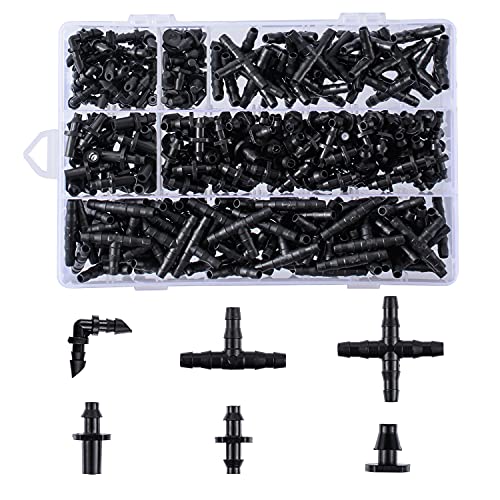
280 Pcs Barbed Connectors Irrigation Fittings Kit,Drip Irrigation Barbed Connectors 1/4''Tubing Fittings Kit for Flower Pot Garden Lawn(Straight Barbs,Single Barbs,Tees,Elbows,End Plug,4-Way Coupling)
- Easy to Store and Install: Includes a storage box, no tools needed
- Large Quantity Set: 280 pieces for various irrigation needs
- High-Quality Materials: Durable, corrosion-resistant plastic fittings
As an affiliate, we earn on qualifying purchases.
As an affiliate, we earn on qualifying purchases.
Conclusion
If your hydroponic system suddenly stops circulating, don’t panic—trust the checklist. Sometimes, a simple fix like checking the pump or unclogging filters does the trick. Curiously, some believe that plants can communicate distress through subtle changes, hinting that your system’s pause might be nature’s way of signaling a needed adjustment. Stay calm, follow the steps, and remember: with patience and observation, your system will get back to thriving in no time.

VIVOSUN Digital pH Meter TDS EC Meter for Water 0.01 Accuracy Hydroponics
- Application: Suitable for home and lab testing
- pH Range: Measures pH 0-14 quickly
- 3-in-1 TDS Meter: Measures TDS, EC, and temperature
As an affiliate, we earn on qualifying purchases.
As an affiliate, we earn on qualifying purchases.

Barrina T5 Grow Lights for Indoor Plants, 5000K Full Spectrum, 1FT, 4 Packs
- Full Spectrum Light: Provides 5000K full-spectrum illumination
- High Brightness & PPFD: Consumes 20W, delivers high light absorption
- Separate Control: Individual on/off switches for each light
As an affiliate, we earn on qualifying purchases.
As an affiliate, we earn on qualifying purchases.