
TL;DR
Homes & Gardens has published a five-step guide to repotting houseplants: check the roots, remove the plant carefully, prune damaged roots, move it to a slightly larger pot with fresh mix, and water it. The guide says many common indoor plants can be repotted every one to three years, but root condition and the plant’s needs should determine timing.
Homes & Gardens has published a five-step guide to repotting houseplants, advising readers to check root growth before moving a plant into a larger container. The report says many popular indoor plants may need repotting every one to three years, though the interval depends on the plant’s growth and tolerance for crowded roots.
The guide’s first step is to inspect the roots by gently lifting the plant from its pot. Roots that still have room and are not tightly wrapped around one another may indicate that repotting can wait. A dense root mass, soil that no longer absorbs water readily, or yellowing foliage without an apparent watering or pest cause may be signs to investigate. The report frames these as indicators, not as proof that a plant must be repotted.
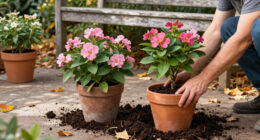
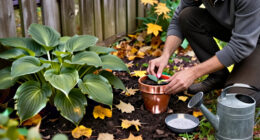
For removal, the article recommends lifting the plant carefully and gently twisting the pot or loosening the soil if the root ball is stuck. It suggests supporting the plant at its base if turning the pot upside down, to reduce the chance of damage. Once removed, inspect the roots and use clean, sharp pruning tools to cut away mushy or rotting sections. The guide advises preserving most of the root ball and limiting pruning to about one third to reduce stress.
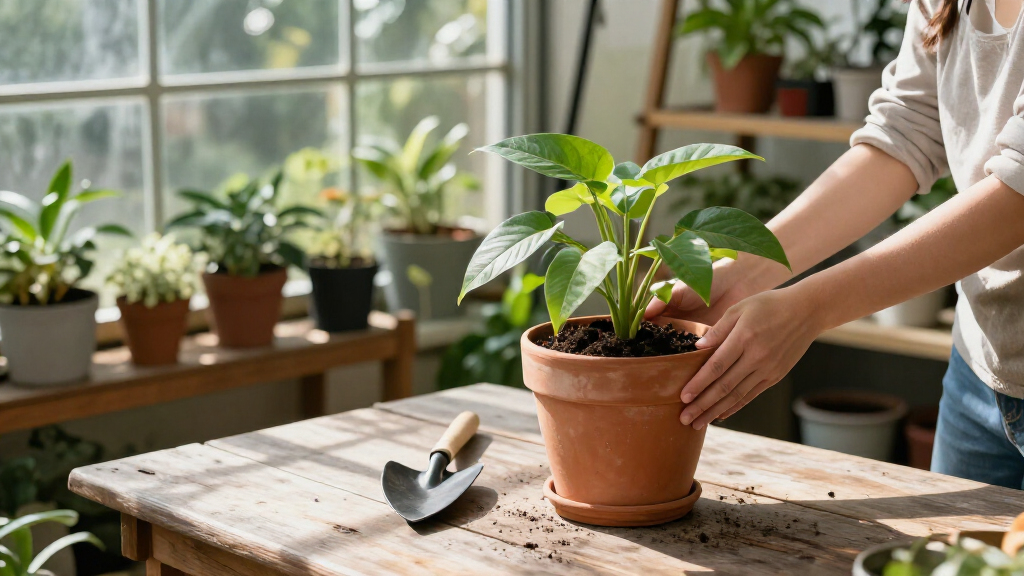
Next, choose a container one or two sizes larger than the current one and add fresh potting mix suited to the plant. The article gives moving from an 8-inch pot to a 10-inch pot as an example. Set the plant in place, gently press the mix around its base, then water thoroughly to help settle it. The report cautions against keeping the soil oversaturated and says watering needs vary, especially as conditions change in fall and winter.
How Repotting Supports Plant Growth
Repotting can give crowded roots more space and provide fresh growing medium, which the Homes & Gardens report says can support a plant’s growth and its ability to take up water and nutrients. For readers, the practical point is to base the decision on the plant’s condition rather than repotting automatically on a fixed schedule. A plant that is not root-bound may not need a larger container yet.
The guide also highlights that repotting is not a cure-all. Yellow leaves and poor water absorption can have more than one cause, including watering problems or pests, so readers should check for other issues before concluding that a bigger pot is the answer. Careful handling and restrained root pruning may help limit stress during the move.
indoor plant pot with drainage holes
As an affiliate, we earn on qualifying purchases.
As an affiliate, we earn on qualifying purchases.
Signs a Plant Has Outgrown Its Pot
The report says repotting frequency varies with plant type, growth rate, and root-bound tolerance. Its one-to-three-year estimate is a general guideline for popular indoor plants, not a universal schedule. Inspecting the roots is the main way it recommends deciding whether a plant has run out of room.
Homes & Gardens advises doing the work in early to mid-spring or early fall, when it describes conditions as temperate and potentially helpful for recovery. It also recommends fresh potting mix when moving a plant and suggests using amendments such as perlite where additional drainage is appropriate. The report does not give a single mix suitable for every species.
As an affiliate, we earn on qualifying purchases.
Timing and Plant-Specific Care
The supplied report does not provide a publication date, identify an individual author for the advice, or cite research supporting its recommendations. Its suggested schedule and seasonal timing are presented as general gardening guidance; the best approach may differ by plant species, growing conditions, and the plant’s health.
It is also unclear from the source how readers should diagnose every case of yellowing leaves or soil that resists water. Those symptoms can have causes beyond a pot that is too small. The article advises checking for watering and pest issues, but does not offer a species-by-species diagnostic guide.
As an affiliate, we earn on qualifying purchases.
Check Roots Before Repotting
The next step for a reader following the guide is to inspect the plant before buying a new pot: look for tightly packed roots, assess whether water is soaking into the mix, and consider other explanations for leaf changes. If repotting is warranted, select a modestly larger container and potting mix appropriate to the plant, then monitor soil moisture after watering.
The report offers no announced follow-up or scheduled update. Its guidance points readers toward continued seasonal care, including adjusting watering, moving plants closer to windows when light changes, and removing damaged leaves. How quickly an individual plant recovers will depend on its condition and care after repotting.
As an affiliate, we earn on qualifying purchases.
Key Questions
How often should houseplants be repotted?
The Homes & Gardens report says many popular indoor plants may need repotting every one to three years. It recommends checking the roots because growth rate and tolerance for crowded roots vary.
How can I tell if my plant needs repotting?
Look for roots packed tightly together or wrapping around the root ball. The report also lists soil that does not absorb water and unexplained yellowing leaves as possible signs, while cautioning that other problems may cause those symptoms.
What size pot should I use?
The guide recommends choosing a container one or two sizes larger than the current one. Its example is replacing an 8-inch pot with a 10-inch pot.
Should I prune roots when repotting?
According to the report, remove mushy or rotting roots with clean, sharp tools and gently loosen compacted roots. It advises retaining most of the root ball and limiting pruning to about one third.
When should I water after repotting?
The guide recommends watering thoroughly after repotting to help the plant settle, while avoiding oversaturated soil. Check the plant’s specific watering needs before watering again.
Source: rss