
TL;DR

Get garden gear delivered free with Prime
- Fast, free delivery on millions of items
- Prime Video, Amazon Music and more included
- Member-only deals all year
Homes and Gardens reports that outdoor drip irrigation should be shut down and drained before the first hard frost to reduce the risk of freeze damage. The five steps are to shut off water, drain the lines, remove and store the timer, protect exposed valves and backflow preventers, and store removable parts.
Homes and Gardens has published five steps for preparing outdoor drip irrigation systems for winter, advising gardeners to shut off and drain the system before the first hard frost. Water left in lines, valves or backflow equipment can freeze and expand, potentially damaging components and causing leaks, according to irrigation specialists quoted in the report.
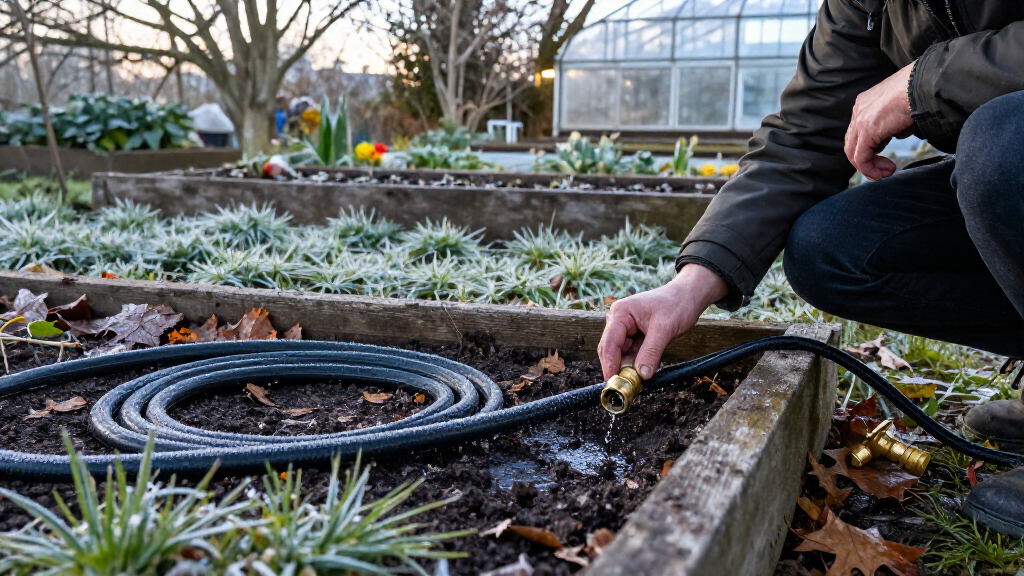
The report’s first two steps are to turn off the water supply at the source, tap or shut-off valve, then open the ends of the irrigation lines. Remove end caps or plugs and raise sections of tubing so gravity can help residual water drain. The report says a professional can use pressurized air to clear lines, but cautions that compressed air can damage pipes if used improperly.
Next, remove a system timer if possible, take out its batteries and keep it in a dry, protected place. Drain and insulate exposed backflow preventers and valves; foam pipe insulation or insulating tape are among the protective options cited. If the setup allows it, removable parts can be taken indoors for the winter.
The final step is to check and store removable components, including tubing, drippers, control valves, fittings and controllers. The report recommends looking for cracks or other damage and placing parts in a dry, frost-free location such as a shed or garage. It also suggests labeling storage boxes to make components easier to find in spring.
Freeze Damage Can Reach Beyond the Lines
Winterizing matters because freezing water can expand inside irrigation equipment and crack pipes, fittings or valves. Damage to a backflow preventer or a connected pipe may create a leak that extends beyond the irrigation system. Justin Wilson, owner of American Irrigation Repair, told Homes and Gardens that a burst pipe or backflow preventer could require shutting off water to the entire home to stop a leak.
Draining the system and protecting exposed components can reduce the chance of repairs and leave equipment in better shape for spring. The report does not quantify how often freeze damage occurs or how much repairs typically cost; the risk depends on the system and conditions.
Products Worth Considering

Orbit B-hyve XR 8-Zone Indoor/Outdoor Smart Sprinkler Controller

Orbit B-hyve Smart Indoor/Outdoor 12-Zone Sprinkler Controller
Orbit B-hyve XR 16-Zone Indoor/Outdoor Smart Sprinkler Timer
As an affiliate, we earn on qualifying purchases.
Plan Around Local Freeze Dates
The report advises gardeners to prepare before the first freeze, rather than waiting for a hard frost to arrive. Frost timing varies by location: the source says first frosts in parts of the United States may occur from early October through December. Those dates are examples, not a universal schedule.
Heather Todd, brand president of Conserva Irrigation, told Homes and Gardens that irrigation systems should ideally be winterized before the first freeze. Wilson, whose work is in Central Texas, said the hardest freezes there typically come in January and February, and recommended watching forecasts. His regional experience does not predict freeze timing elsewhere; gardeners should use local forecasts and conditions.
“Water left in irrigation lines or backflow preventers can freeze and expand, potentially cracking pipes, damaging valves, or causing backflow assembly failures.”
— Heather Todd, brand president of Conserva Irrigation, quoted by Homes and Gardens
Local Conditions Set the Schedule
The report does not give a single date that applies to every garden. Freeze timing varies by region and year, and the right preparation may also depend on a system’s layout and which components can be removed. It does not specify a pressure setting or detailed procedure for blowing out lines; it warns that improper use of compressed air can damage pipes and recommends having a professional perform that work. The report also does not establish that insulation alone will protect every exposed assembly in all freeze conditions.
Check Forecasts Before Frost
Gardeners can check short- and long-range local forecasts and plan to shut down and drain their systems before a hard freeze. After the lines are drained, they can protect exposed valves and backflow equipment, store removable parts in a dry, frost-free place and inspect components for damage. Professional help is an option for clearing lines with compressed air. The next practical check is to review the system again before spring use and reconnect it only after winter conditions have passed.
Key Questions
When should I winterize a drip irrigation system?
Complete the work before the first hard frost or freeze expected in your area. Timing varies by location, so follow local forecasts rather than relying on a date from another region.
What are the five steps in the report?
Shut off the water, drain the lines, remove and store the timer, protect exposed backflow preventers and valves, and store removable components after checking them for damage.
Can I use compressed air to clear the irrigation lines?
The report says a professional winterization service can use pressurized air to evacuate water. It also warns that compressed air can damage pipes if used improperly, so it does not provide a do-it-yourself pressure setting.
What should I do with the timer and removable parts?
Disconnect the timer, remove its batteries and store it somewhere dry and protected. Check tubing, drippers, fittings, control valves and other removable parts for damage, then keep them in a dry, frost-free place.
Source: homesandgardens.com