
DeWALT power tools are renowned for their durability and performance, but like any power equipment, they can sometimes overheat. Overheating can lead to reduced efficiency, damage to the tool, or even safety hazards. If you’re experiencing your DEWALT cordless drill or impact driver getting unusually hot, it’s important to understand the common causes and how to properly fix the issue.

Get garden gear delivered free — and shop member deals
- Fast, free delivery on millions of items
- Access to Prime Big Deal Days deals on October 6–7
- Prime Video, Amazon Music and more included
In this guide, we’ll walk you through practical, step-by-step troubleshooting methods to identify overheating causes and implement safe, effective fixes. Keeping your tools cool not only extends their lifespan but also ensures safe operation on every job site.
Key Takeaways
| Overheating Causes | Overuse, blocked vents, or worn brushes can cause overheating. |
| Immediate Actions | Stop usage, allow cooling, and inspect for debris or damage. |
| Preventive Tips | Regular cleaning, proper operation, and using the right batteries help prevent overheating. |
| When to Service | Persistent overheating indicates internal issues needing professional repair. |
Identify the Signs of Overheating
Before troubleshooting, recognize the signs that your DEWALT power tool is overheating. Common indicators include a burning smell, the tool shutting down unexpectedly, excessive heat on the body or vents, or a noticeable decrease in performance. When these symptoms occur, it’s crucial to pause use immediately to prevent damage.
In my experience, a quick visual check often reveals blocked vents or debris buildup that traps heat. Feeling the tool’s body for hot spots can also guide you to the overheating source. Always prioritize safety by unplugging or removing the battery before inspecting or cleaning.
Step 1: Stop and Cool Down
- Immediately cease operation once overheating signs appear to prevent further damage.
- Turn off the tool and disconnect it from power or remove the battery.
- Allow the tool to cool in a well-ventilated area for at least 15-30 minutes or until it feels room temperature.
- Do not attempt to cool it with water or external coolants, as this can cause damage.
Step 2: Inspect for Blockages and Damage
- Check the vents for dust, debris, or lint — clean them gently with compressed air or a soft brush.
- Inspect the brushes (if accessible) for wear; worn brushes can cause internal overheating.
- Look for any cracks, warping, or damage to the housing or other parts.
- Ensure batteries are properly seated and free of corrosion, as poor contact can generate excess heat.
Step 3: Clear Obstructions and Perform Maintenance
If debris is blocking airflow, clean the vents thoroughly. For brush maintenance, consult your user manual for detailed guidance, or consider professional servicing if brushes are worn or damaged. Replace worn brushes promptly to restore proper motor function and prevent overheating.
Ensure the tool is dry and free of moisture before reassembling and testing.
Step 4: Test and Prevent Future Overheating
- Reassemble the tool, ensuring all parts are correctly fitted.
- Insert a fully charged battery, preferably a high-capacity one like the DEWALT 20V MAX 5 Ah battery for longer use.
- Operate the tool in short bursts to monitor if it heats up excessively again.
- Use the tool within its recommended workload limits, avoiding prolonged continuous use.
- Regularly clean vents and check for damage to prevent recurring issues.
Additional Tips and Warnings
Always wear safety goggles and gloves when inspecting or cleaning your power tools. Avoid using damaged or malfunctioning tools until they are properly repaired. Never attempt to disassemble or repair internal components unless qualified, as this can pose safety risks and may void warranties. If overheating persists despite maintenance, contact DEWALT customer service or a professional repair technician.
Using high-quality batteries, avoiding overloading the tool, and maintaining proper ventilation during use can significantly reduce overheating risks.
The Products in This Guide

DEWALT 20V MAX Cordless Drill and Impact Driver
- ✔ Length: 7.6 inches
- ✔ Max RPM: variable
- ✔ Battery Weight: 1.4 lbs
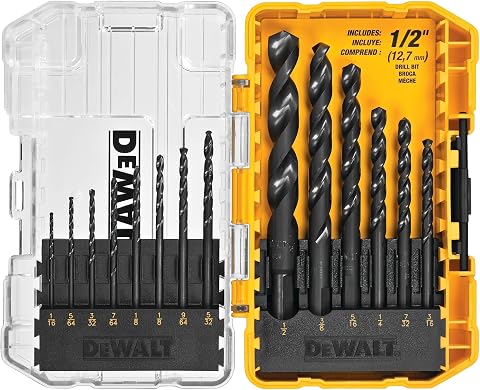
DEWALT Drill Bit Set
- ✔ Piece count: 14
- ✔ Tip type: Split point
- ✔ Coating: Rust-resistant
DEWALT 20V MAX Cordless Drill and Impact Driver
The DEWALT 20V MAX Cordless Drill and Impact Driver (DCK277D2) is a compact, lightweight, and ergonomic set perfect for tight spaces. It features brushless motors for efficiency, a bright LED for visibility, and quick-release hex chucks for easy bit changes. While highly reliable, overheating can occur if used improperly or if vents are blocked.
Pros:
- Lightweight and ergonomic design
- Brushless motors for efficiency
- Includes 2 batteries and charger
- Bright LED for dark workspaces
Cons:
- Overheating if vents clogged
- Battery life limited during heavy use
- Requires regular maintenance
Best for: Home improvement, DIY projects, professional use in tight spaces
Not ideal for: Heavy continuous use without breaks, or working in extremely hot environments
Bottom line: A versatile, reliable cordless drill and impact driver combo with easy maintenance to prevent overheating.
DEWALT Drill Bit Set
Pair your DEWALT power tools with this 14-piece drill bit set featuring 135-degree split point tips for reduced walking and precise drilling into plastic, wood, and metal. The heavy-duty high-speed steel construction ensures durability, while the black and gold coating prevents rust and wear, making it an excellent addition for any toolkit.
Pros:
- Versatile sizes included
- Durable high-speed steel
- Prevents rust with coating
- Easy size identification
Cons:
- Limited to specific materials
- Not suitable for heavy-duty industrial use
- Requires proper storage
Best for: Home DIY, woodworking, metalworking projects
Not ideal for: Heavy industrial or high-volume drilling
Bottom line: A versatile drill bit set that enhances drilling accuracy and durability in various materials.
Frequently Asked Questions
What causes my DEWALT power tool to overheat?
Overheating can result from prolonged use, blocked vents, excessive workload, worn brushes, or internal debris buildup. Ensuring proper maintenance and usage habits helps prevent this.
How long should I let my tool cool down?
Allow your DEWALT tool to cool for at least 15-30 minutes in a well-ventilated area after overheating signs appear. Do not splash water or apply external coolants.
Can I repair internal damage myself?
No, internal repairs should be performed by qualified technicians. Attempting DIY repairs can cause further damage or safety hazards.
How can I prevent overheating in the future?
Regularly clean vents, avoid overloading the tool, operate within recommended durations, and use high-capacity batteries like the DEWALT 20V MAX 5 Ah for longer, cooler operation.
Is it safe to continue using my overheated tool?
No, continuing to use an overheated tool can cause permanent damage or safety risks. Always let it cool down completely before resuming work.
Keeping Your DEWALT Tools Cool and Efficient
Overheating is a common issue but can be effectively managed with proper maintenance, usage practices, and timely troubleshooting. Regular cleaning of vents, avoiding prolonged continuous use, and using quality batteries will extend your tool’s lifespan and ensure safe operation. Remember, if overheating persists despite these steps, professional servicing is the safest course. By following these guidelines, you’ll keep your DEWALT power tools running smoothly for all your projects.
Affiliate disclosure: As an Amazon Associate we earn from qualifying purchases. Prices and availability are accurate as of the time of publishing.
Fall yard work Picks
leaf blowers
As an affiliate, we earn on qualifying purchases.