
TL;DR

Get garden gear delivered free with Prime
- Fast, free delivery on millions of items
- Prime Video, Amazon Music and more included
- Member-only deals all year
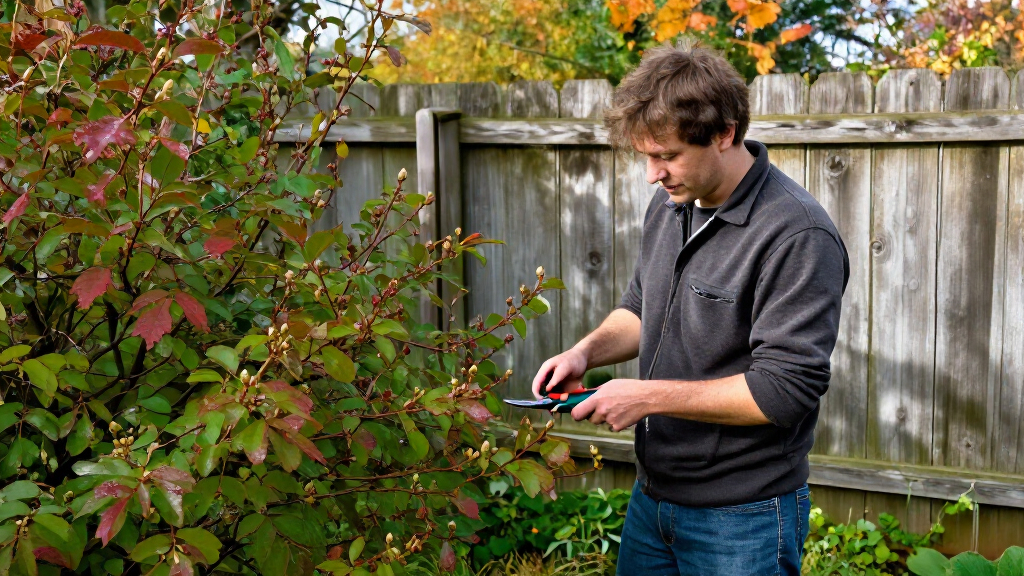
Homes & Gardens advises against major October pruning of seven spring-flowering shrubs and trees that form flower buds on older growth. The list includes forsythia, azaleas and rhododendrons, lilac, deutzia and weigela; dead or broken branches can still be removed when necessary.
Homes & Gardens has warned gardeners against major October pruning of seven spring-flowering shrubs and trees, saying that cutting them back in fall can remove buds formed on older growth and reduce or eliminate their next spring display. The report names forsythia, azaleas and rhododendrons, lilac, deutzia and weigela; it says dead or broken branches may still be removed when needed.
The advice centers on plants that flower on old wood—growth produced in an earlier season. According to the report, many such shrubs develop the buds for next year’s flowers during summer. Major pruning in October can remove those buds before they open, so a plant may flower less heavily the following spring. The report cautions that extensive cutting can also leave a plant more exposed to winter damage.
The seven listed plants are forsythia; azaleas; rhododendrons; lilac; deutzia; weigela; and spring-flowering trees. The source discusses azaleas and rhododendrons together and does not identify a particular tree species. Its central recommendation is to avoid routine or major fall cuts to spring bloomers whose buds are already set, rather than treating October as a general pruning window.
For the named shrubs, the report generally recommends pruning soon after flowering ends. Forsythia should be cut after its blooms fade; azaleas and rhododendrons are best pruned roughly two or three weeks after flowering; and lilac, deutzia and weigela should be pruned promptly after their seasonal display. Timing varies with the plant and local flowering season. The report says urgent dead or diseased stems can be removed carefully, distinguishing that limited work from a major size-reduction cut.
How October Cuts Affect Spring Blooms
For gardeners, the immediate consequence is that a tidy-looking fall shrub can come at the cost of fewer flowers next spring. Because the buds may already be present on older stems, pruning at the wrong time can remove the next display rather than simply shaping the plant. The effect matters especially for shrubs grown for brief seasonal flowering, including early-blooming forsythia and fragrant lilac.
Some of these flowers also provide a seasonal resource for wildlife. The report describes weigela as a source of nectar for bees, butterflies and hummingbirds. Cutting away its flower-bearing buds could mean fewer blooms for pollinators in the next season, although the source does not quantify any resulting change in wildlife activity. The practical takeaway is to distinguish essential removal of damaged growth from elective pruning that can wait.
There can be a trade-off when a shrub needs substantial renovation or size reduction. The report says such work may be possible during dormancy for azaleas and rhododendrons, but gardeners should expect to sacrifice some or all of the following season’s flowers depending on how much is cut. A plant’s immediate condition and the gardener’s priorities therefore matter alongside the calendar.
spring-flowering shrub pruning shears
As an affiliate, we earn on qualifying purchases.
As an affiliate, we earn on qualifying purchases.
The Right Time to Prune
The report’s guidance is based on when each plant forms its flower buds, not a rule that all October pruning is harmful. Plants that bloom on old wood generally need pruning soon after flowering, leaving time for new growth and buds to develop before the next season. The report notes that this window often falls in early or midsummer, though the exact dates depend on the plant and climate.
For example, forsythia usually flowers from late winter, while lilac blooms from mid-spring into early summer depending on variety and location. Deutzia and weigela also flower in late spring or early summer. Once these shrubs have finished blooming, prompt pruning gives them more time to grow before the next flowering cycle. Waiting until fall risks cutting off buds already formed over summer.
The article also describes fall care that does not involve cutting back the shrubs. For azaleas and rhododendrons, it suggests mulching with pine bark or ericaceous compost. For gardeners hoping to propagate deutzia, it says selected stems grown during the current year can be used for hardwood cuttings in fall, while cautioning against taking too many and affecting the coming bloom.
““One key group not to prune this month is spring-flowering shrubs and trees that flower on old wood.””
— Homes & Gardens report
azalea and rhododendron pruning tools
As an affiliate, we earn on qualifying purchases.
As an affiliate, we earn on qualifying purchases.
Species and Local Timing Matter
The report does not name the spring-flowering tree species included in its seven-item headline, and the supplied material provides detailed pruning notes for five shrub groupings rather than a separate account of seven individual species. It also does not give a single calendar date that applies across climates. Bloom times vary by variety and local conditions, so the article’s post-flowering guidance is more specific than a fixed month-by-month schedule.
The source presents general gardening advice, not a guarantee that every October cut will prevent flowering. The effect depends on the plant, the amount removed and whether the cut reaches bud-bearing growth. It does not quantify likely bloom losses or provide region-specific recommendations. Its clear distinction is between major pruning, which it advises postponing, and careful removal of dead, diseased or broken branches when necessary.
dead branch removal pruning shears
As an affiliate, we earn on qualifying purchases.
As an affiliate, we earn on qualifying purchases.
Check Plants Before Cutting
Before pruning in October, gardeners can identify the shrub or tree and check whether it flowers in spring on older growth. For the plants covered by the report, the recommended routine is to wait until flowering has finished before shaping or reducing the plant. If damaged or diseased stems need attention sooner, the source advises removing them carefully rather than cutting back the whole shrub.
Gardeners considering major renovation should weigh the desired size or health change against the likely loss of some next season’s blooms. Local extension services or plant-specific guidance can help confirm timing for a particular variety and climate. The report does not announce a new policy or follow-up schedule; its guidance is intended for fall garden care and the flowering season that follows.
As an affiliate, we earn on qualifying purchases.
Key Questions
Which plants does the report say not to prune heavily in October?
It names forsythia, azaleas, rhododendrons, lilac, deutzia, weigela and spring-flowering trees. The supplied report does not specify which tree species are meant.
Why can October pruning reduce spring flowers?
These plants can form flower buds on older growth during summer. A major fall cut may remove buds that would otherwise open the following spring.
Can dead or broken branches still be removed?
Yes. The report says dead, diseased or broken stems that need attention can be removed carefully. It advises against using that as a reason for a major routine cutback.
When should these shrubs generally be pruned?
The report generally recommends pruning soon after flowering ends. For azaleas and rhododendrons, it specifies about two or three weeks after flowering; timing for other plants depends on when they bloom locally.
Source: rss
Halloween Picks
halloween
As an affiliate, we earn on qualifying purchases.