TL;DR
A Country Living report describes five garden uses for suitable cardboard: weed suppression, soil-bed preparation, paths, composting and collars around brassicas. It recommends plain, uncoated cardboard with tape and other packaging removed, while warning against contaminated material and thick layers.
Country Living has outlined five ways gardeners can reuse plain cardboard, including covering empty beds to suppress weeds, making a mulched path, and adding shredded pieces to compost. The report says autumn is a good time to cover unused beds, but advises removing tape and avoiding glossy, coated or contaminated packaging.
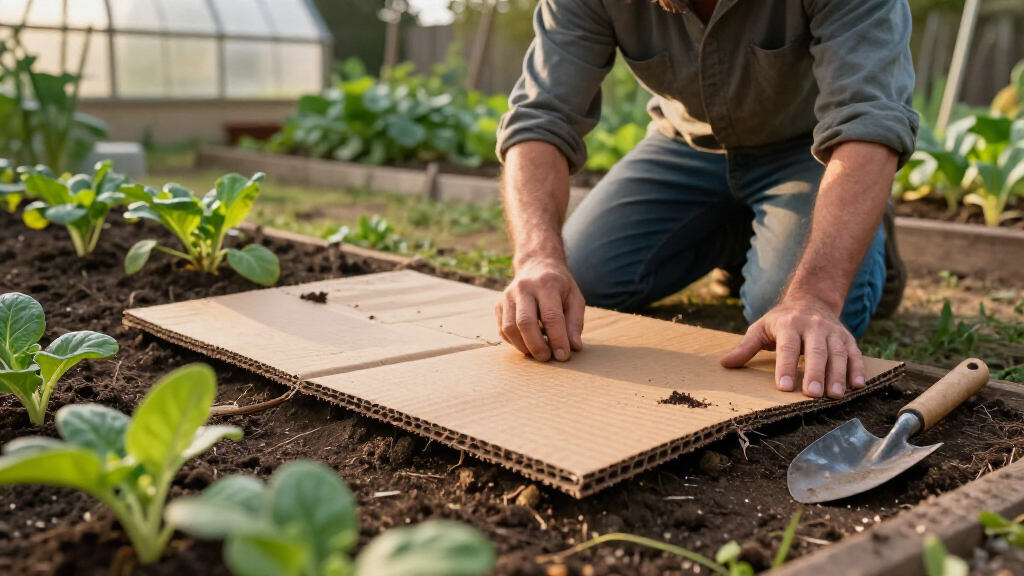
For weed control, the report recommends clearing large weeds, stones and thick stems before laying overlapping sheets of brown cardboard on the soil. Wet the material so it stays put, then cover it with compost, shredded leaves, bark or another organic mulch. The cardboard blocks light and gradually breaks down, according to Loren Taylor, owner of Outdoor Fountains Pro, who is quoted in the report.
Other suggested uses include covering a planned garden path with cardboard and topping it with woodchip or bark, and lining the open sides of a mesh or pallet compost bin so material does not fall out. Crumpled or shredded cardboard can also provide “browns” in a compost heap, helping balance green materials, the report says.
For brassicas, the report describes cutting a 6- to 8-inch-wide collar with a slit in the middle and fitting it around the plant’s base to help deter cabbage root fly. Stones can hold the collar in place in windy conditions. It does not report test results or quantify how effective the method is.
Practical Uses for Clean Cardboard
The advice offers gardeners a way to reuse some household packaging while preparing beds and managing garden materials. Covering a bed in autumn can give cardboard time to soften before spring planting, while using it in compost or beneath a path puts suitable material to work rather than sending it straight to recycling.
These methods depend on choosing appropriate cardboard and applying it carefully. The report cautions that a heavy layer can slow water movement and take too long to break down. Cardboard should also not be piled against tree trunks or plant stems, Taylor says. The suggested uses are practical tips, not evidence that cardboard will produce a particular yield or eliminate weeds or pests.
cardboard weed barrier for garden beds
As an affiliate, we earn on qualifying purchases.
As an affiliate, we earn on qualifying purchases.
Choosing Cardboard Before Use
The report advises choosing plain brown cardboard with minimal printing. Before using it outdoors, remove tape, labels, staples and other packaging materials. Tom Schott, managing director of Schott Packaging, says standard boxes are generally suitable once those items are removed.
Schott advises against glossy, laminated, waxed or heavily coated cardboard because it is made to behave differently around moisture and may not break down like ordinary cardboard. He also warns against material contaminated with oil, chemicals or unknown substances; when its history is unclear, he recommends using the appropriate waste stream instead.
The timing advice comes from the report’s gardening sources: autumn soil can remain warm as weed growth slows, and a covered bed may have months to soften before spring. This is seasonal guidance, not a claim that autumn is the only time cardboard can be used.
“A few overlapping sheets are usually enough.”
— Loren Taylor, owner of Outdoor Fountains Pro, as quoted by Country Living
As an affiliate, we earn on qualifying purchases.
Effectiveness Depends on Conditions
The report does not provide trial data showing how well cardboard suppresses weeds, improves soil or deters cabbage root fly. Results may depend on the material, how it is laid and local garden conditions; the article does not quantify those factors.
It also does not specify how quickly cardboard breaks down or how often a path or bed covering needs replacing. Gardeners should treat the recommendations as practical guidance rather than a guaranteed outcome, and avoid using packaging if its contents or contamination history are unknown.
As an affiliate, we earn on qualifying purchases.
Prepare Beds and Check Materials
Gardeners following the seasonal advice can start by sorting suitable plain cardboard, removing packaging additions and checking for coatings or contamination. For an empty bed, the report’s sequence is to clear bulky growth, overlap the sheets, wet them and add an organic mulch.
There is no follow-up study or scheduled next development identified in the source. Any assessment of how the methods work will depend on individual garden conditions and observation over time, particularly as covered beds are prepared for spring.
As an affiliate, we earn on qualifying purchases.
Key Questions
What kind of cardboard is suitable for garden use?
The report recommends plain brown cardboard with minimal printing. Remove tape, labels, staples and other packaging materials before using it.
Can cardboard be used to suppress weeds?
Country Living’s report suggests laying overlapping cardboard over cleared soil, wetting it and adding an organic mulch. It says the covering blocks light, but does not provide measured results or guarantee weed control.
Can cardboard go in a compost heap?
Yes, if it is suitable and free of unwanted packaging. The report suggests using crumpled or shredded cardboard as a “browns” ingredient, or lining open-sided compost bins to keep materials from falling through.
Which cardboard should gardeners avoid?
Avoid glossy, laminated, waxed or heavily coated material, as well as cardboard contaminated with oil or chemicals. If its history is uncertain, Schott advises sending it through the appropriate recycling or waste stream.
How wide should a cardboard collar for brassicas be?
The report recommends a collar 6 to 8 inches wide, with a slit to fit around the plant’s base. It says stones can help keep it from blowing away, but does not quantify its effectiveness against cabbage root fly.
Source: rss