TL;DR
A growing number of gardeners are experimenting with using common breakfast foods as fertilizer for tomato plants. While some claim it boosts growth, experts advise caution. The practice is controversial and not widely supported by horticultural science.
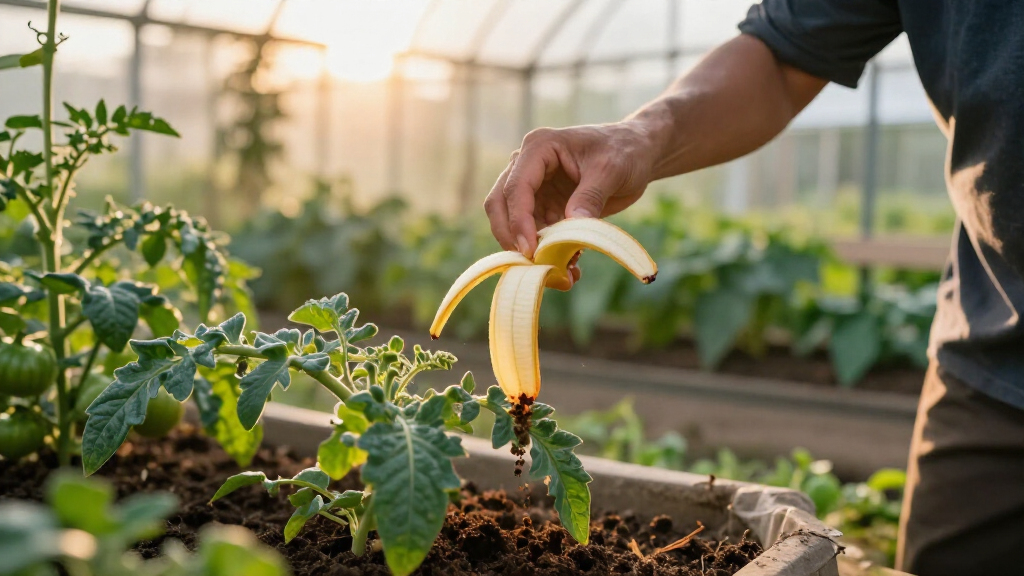
Several gardeners have begun using leftover breakfast foods, such as eggs and bread, as a fertilizer for their tomato plants, prompting caution from horticultural experts. This practice has gained attention on gardening forums and social media, but its safety and effectiveness are still under scrutiny.
According to reports from gardening communities, some enthusiasts are applying leftover breakfast items like cooked eggs, bread crumbs, and cereal to their tomato plants, claiming it provides nutrients and promotes growth. These claims are largely anecdotal, with no scientific studies confirming benefits.
Horticultural experts, including university extension agents, warn that using food scraps without proper composting can introduce pathogens, pests, or imbalanced nutrients, potentially harming plants or soil health. The practice is not recommended by professional gardeners or agricultural authorities.
Some gardeners argue that certain breakfast foods contain nutrients such as protein, carbohydrates, and minerals, which could theoretically benefit plants if used correctly. However, the consensus among experts remains that standard composting or commercial fertilizers are safer and more reliable.
Potential Risks and Benefits of Using Breakfast Foods as Fertilizer
This trend highlights a broader interest in DIY gardening and sustainable practices, but it also raises concerns about plant health and safety. If unregulated, using food scraps improperly could lead to soil contamination, pest infestations, or plant diseases. For consumers, understanding what is safe to use in their gardens is essential to avoid unintended damage.

Dr. Earth Organic 5 Tomato, Vegetable & Herb Fertilizer Poly Bag
For more nutritious and tasty vegetables
As an affiliate, we earn on qualifying purchases.
As an affiliate, we earn on qualifying purchases.
Growing Popularity of DIY Garden Amendments
Over recent years, many gardeners have sought alternative methods to fertilize their plants, driven by a desire for organic and cost-effective solutions. While composting remains the recommended practice, social media has fueled interest in unconventional methods, including using kitchen scraps directly on plants. This particular trend of using breakfast foods emerged in online gardening communities and has since gained some media attention.
Historically, food scraps are best processed through composting to eliminate pathogens and balance nutrients. Direct application without proper preparation can pose risks, which experts continue to emphasize.
“While kitchen scraps can be part of a healthy compost, applying raw breakfast foods directly to plants is risky and can introduce pests or disease.”
— Dr. Susan Martinez, horticultural expert at State University

VIVOSUN Outdoor Tumbling Composter Dual Rotating Batch Compost Bin, 43 Gallon Black Door
Twin chambers: Two separate chambers allow one side to finish composting while leaving the other side available to…
As an affiliate, we earn on qualifying purchases.
As an affiliate, we earn on qualifying purchases.
Uncertain Long-Term Effects and Scientific Validation
It is not yet clear whether using breakfast foods directly benefits plant growth or causes long-term soil issues. Scientific research on this specific practice is lacking, and the safety of applying raw or cooked food scraps remains unverified. Further studies are needed to assess potential risks or benefits.

Botanicare Cal-Mag Plus, A Calcium, Magnesium, And Iron Plant Supplement, Corrects Common Plant Deficiencies, Add To Water Or Use As A Spray, 2-0-0 NPK, Quart
Highly fortified calcium, magnesium, and iron plant supplement formulated to correct common deficiencies
As an affiliate, we earn on qualifying purchases.
As an affiliate, we earn on qualifying purchases.
Monitoring and Official Guidance on Food-Based Fertilization
Experts and agricultural agencies are expected to continue monitoring this trend, with potential advisories on safe gardening practices. Future research may provide clearer guidance on whether certain food scraps can be safely used as soil amendments or fertilizers. Meanwhile, gardeners are advised to stick to proven methods like composting or commercial fertilizers.
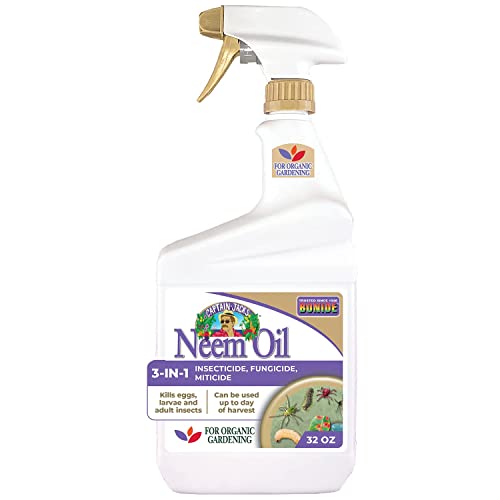
Bonide Captain Jack's Neem Oil, 32 oz Ready-to-Use Spray, Multi-Purpose Fungicide, Insecticide and Miticide for Organic Gardening
MULTI-PURPOSE BUG KILLER – Bonide Neem Oil is a perfect pest control solution for any garden dealing with…
As an affiliate, we earn on qualifying purchases.
As an affiliate, we earn on qualifying purchases.
Key Questions
Is it safe to use leftover breakfast foods on my tomato plants?
Most experts advise against applying raw or cooked breakfast foods directly to plants due to potential risks like pests, diseases, and soil imbalance. Composting is the recommended way to recycle kitchen scraps safely.
What foods are considered safe for garden use?
Properly composted food scraps, such as vegetable peels, coffee grounds, and eggshells, are generally safe and beneficial for garden soil. Raw breakfast foods are not recommended without proper processing.
Could using breakfast foods improve my tomato plant growth?
There is no scientific evidence that directly applying breakfast foods improves plant growth. Reliable nutrients are best supplied through compost or commercial fertilizers.
What are the risks of applying food scraps directly to soil?
Risks include attracting pests, introducing pathogens, and causing nutrient imbalances that could harm plant health or soil quality.
Source: rss