

Reservoir automation is helpful only if you keep manual checks as part of your routine. Automated sensors can drift, become damaged, or malfunction without warning, so regular physical inspections are essential. Manual checks verify sensor accuracy, spot system issues early, and guarantee valves and pressure gauges work properly. Relying solely on automation can lead to overflow or shortages if problems go unnoticed. If you keep an open mind, you’ll discover how combining these practices enhances system reliability.
Key Takeaways
- Manual checks verify sensor accuracy and detect damage or debris overlooked by automated systems.
- Regular calibration prevents sensor drift, ensuring reliable data for automated reservoir control.
- Physical inspections identify system component issues before they cause failures or water management problems.
- Over-reliance on automation risks missing critical problems that manual inspections can catch early.
- Combining manual oversight with automation maintains system integrity and prevents costly failures.
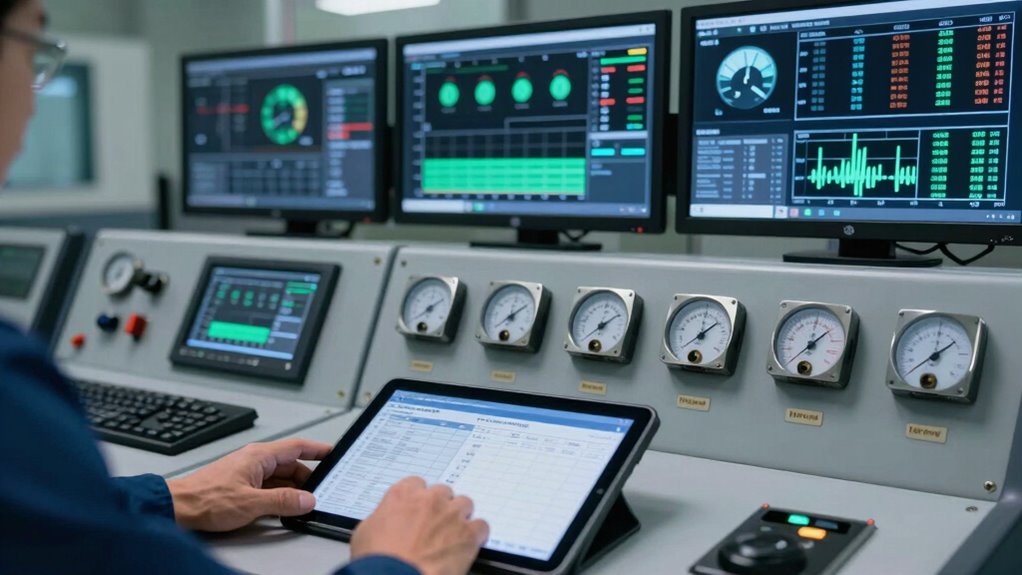
Reservoir automation has revolutionized how operators manage water levels and pressure, but manual checks remain essential to guarantee system reliability. Automated systems can monitor parameters continuously and make real-time adjustments, reducing the likelihood of human error. However, sensors used in these systems aren’t infallible. Over time, sensor calibration can drift, leading to inaccurate readings that may cause improper water level adjustments or pressure management. Regular calibration is crucial to ensure sensors provide precise data. You need to establish a strict maintenance scheduling routine to check sensor calibration periodically. This routine helps catch calibration issues early, preventing costly mistakes or system failures down the line.
Regular calibration and maintenance are vital to ensure reservoir sensors remain accurate and system reliability is maintained.
Automation streamlines operations, but it can create a false sense of security. You might assume that because the system is automated, manual inspections become unnecessary. That’s a mistake. Manual checks serve as a critical backup to automated readings, confirming that sensors are functioning correctly. During routine inspections, you should verify sensor outputs against known standards, ensuring calibration remains accurate. If discrepancies surface, recalibration should be performed immediately. Neglecting this step can lead to compromised water management, risking overflow or shortages that could otherwise be avoided with proper manual oversight. Additionally, understanding the importance of sensor calibration is vital to maintaining system accuracy and reliability.
Maintaining a disciplined maintenance schedule is key. Automated systems generate logs and alerts, but you shouldn’t rely solely on them. You need to perform physical inspections regularly—checking for sensor damage, debris, or corrosion that could impair readings. These physical checks also give you the chance to evaluate other critical components, such as valves and pressure gauges, ensuring the entire system operates smoothly. Incorporating manual checks into your routine not only validates automation but also helps identify potential problems before they escalate. Recognizing the significance of system reliability is essential to prevent unexpected failures. Incorporating preventive maintenance practices further enhances overall system robustness and longevity.
Automation enhances efficiency and safety, but it doesn’t eliminate the need for human oversight. You must see manual checks as a vital complement rather than a backup. Proper sensor calibration, performed as part of your maintenance scheduling, guarantees that your automated system remains accurate. This combined approach minimizes risks and maintains system integrity. Additionally, understanding the importance of sensor drift helps you stay aware of potential deviations that could impact system performance. Ultimately, the success of reservoir management hinges on your commitment to routine manual inspections, calibration, and maintenance. Automation provides the tools, but your vigilance ensures those tools work effectively, keeping water levels and pressure within safe and suitable ranges.
reservoir water level sensor calibration kit
As an affiliate, we earn on qualifying purchases.
As an affiliate, we earn on qualifying purchases.
Frequently Asked Questions
What Are the Common Challenges in Implementing Reservoir Automation?
When implementing reservoir automation, you often face challenges like maintaining sensor calibration to guarantee data accuracy. If sensors aren’t properly calibrated, your automated system might rely on faulty data, leading to errors. Additionally, integrating new technology with existing infrastructure can be complex, causing delays. You need regular manual checks to verify that sensors remain accurate over time, ensuring the automation system functions effectively and enhances your reservoir management.
How Often Should Manual Checks Be Performed Alongside Automation?
You should perform manual checks at least weekly to guarantee reservoir automation remains accurate. During these checks, focus on sensor calibration and data verification to catch any discrepancies early. Regular manual inspections help confirm that automated systems are functioning correctly and provide reliable data. By maintaining this routine, you prevent potential errors, extend equipment lifespan, and ensure consistent reservoir management, ultimately maximizing automation benefits.
What Safety Risks Are Associated With Over-Reliance on Automation?
Over-reliance on automation risks reducing your vigilance, potentially causing safety setbacks. You might miss sensor calibration errors or overlook subtle system shifts if manual checks wane. Without proper technician training, automation can mask malfunctions, leading to major mishaps. Staying sharp with regular manual inspections guarantees you catch issues early, safeguarding your operations and maintaining safety standards. Remember, automation aids but never replaces your keen eyes and critical caution.
Can Automation Replace Manual Inspections Entirely?
Automation can’t entirely replace manual inspections because technology limitations prevent it from catching every issue. Human oversight remains essential for detecting subtle or unexpected problems that machines might overlook. You need manual checks as a backup to guarantee safety and accuracy. Relying solely on automation risks missing critical details, so combining both methods offers the best safety and operational efficiency for reservoir management.
How Does Manual Checking Improve Overall Reservoir Management?
Manual checking improves reservoir management by ensuring sensor calibration remains accurate, which boosts data accuracy. When you perform routine inspections, you catch issues like sensor drift early, preventing false readings. This helps you make informed decisions about water levels and quality. Combining manual checks with automation creates a reliable system, reducing risks of errors and ensuring ideal reservoir operation. Your proactive approach keeps everything running smoothly and efficiently.
manual reservoir inspection tools
As an affiliate, we earn on qualifying purchases.
As an affiliate, we earn on qualifying purchases.
Conclusion
Think of reservoir automation like a trusty ship’s compass, guiding you smoothly through calm waters. But even with the best compass, you still need to check your surroundings and verify your course. If you ignore manual checks, it’s like sailing blindfolded — risky and unpredictable. By combining automation with routine manual checks, you’re steering your vessel wisely, ensuring a safer, more reliable voyage. Embrace both, and your reservoir management will truly stay on course.
pressure gauge calibration device
As an affiliate, we earn on qualifying purchases.
As an affiliate, we earn on qualifying purchases.
reservoir system maintenance kit
As an affiliate, we earn on qualifying purchases.
As an affiliate, we earn on qualifying purchases.