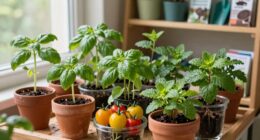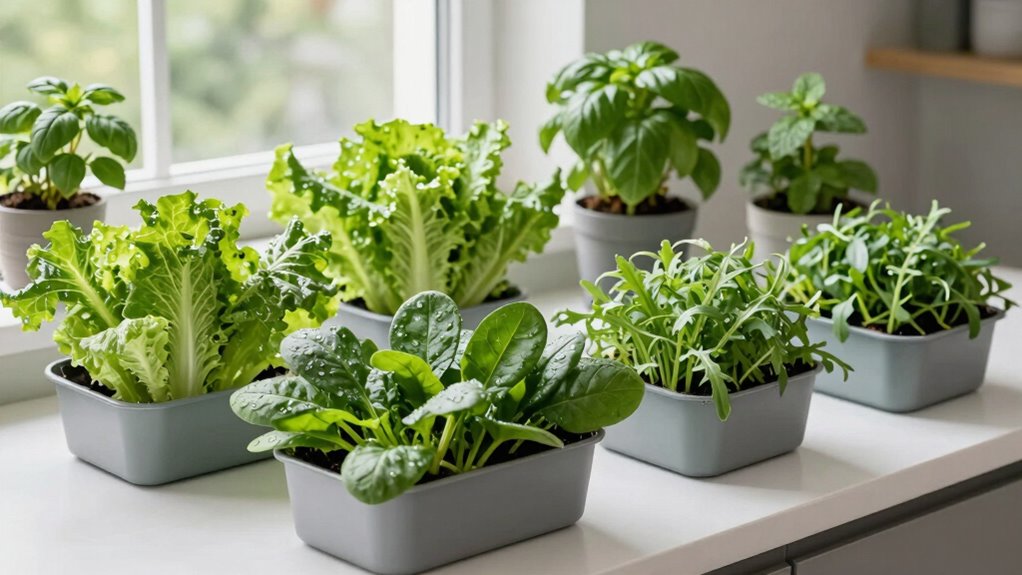

Growing your own salad kits indoors is super easy with crops like lettuce, spinach, arugula, and herbs. You can grow these in small containers on windowsills or shelves, making the process space-efficient and convenient. They’re quick to harvest, so you can have fresh greens and herbs at your fingertips whenever you want. To discover simple tips for thriving indoor garden setups, keep going—you’ll find it’s easier than you think.
Key Takeaways
- Lettuce, spinach, arugula, and herbs grow quickly and are ideal for indoor container cultivation.
- Use simple trays or pots on windowsills or shelves for easy indoor gardening.
- Regular harvests promote continuous growth, ensuring fresh greens for salad kits.
- Proper lighting, watering, and soil management are essential for healthy indoor crops.
- Indoor cultivation reduces environmental impact and connects you with your food source.
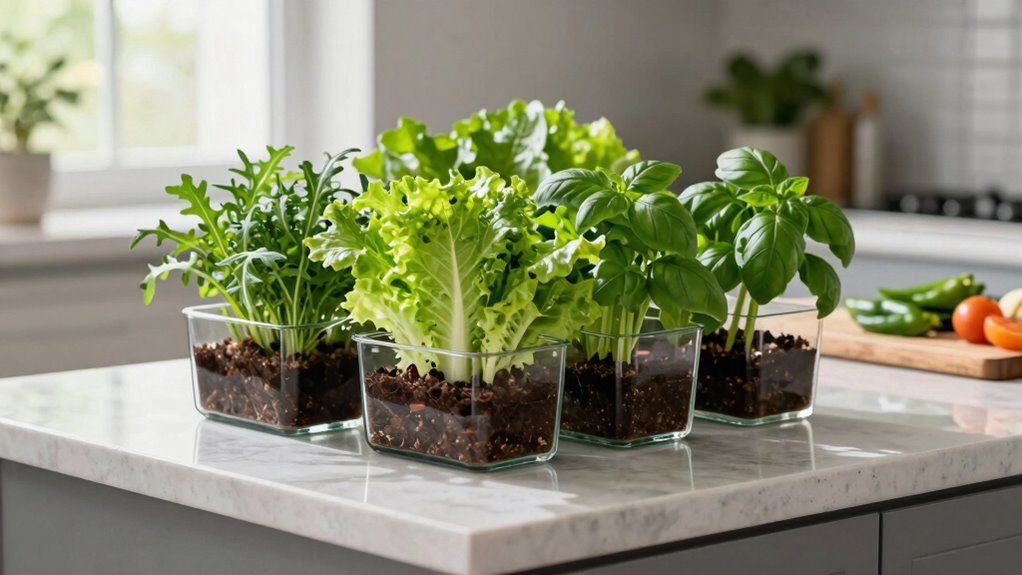
Growing your own salad ingredients at home can be simple and rewarding, especially with indoor crops that thrive in limited space. If you’re into urban farming or sustainable gardening, cultivating fresh greens indoors is a practical way to bring farm-fresh flavors into your daily meals. By growing your own salad ingredients, you reduce reliance on store-bought produce, cutting down on packaging and transportation emissions. Plus, it’s a satisfying way to connect with the food you eat and enjoy the benefits of sustainable living right in your apartment or small home.
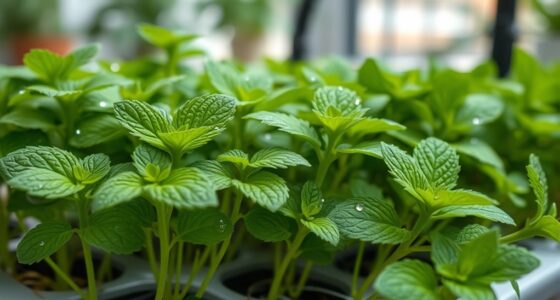
Indoor crops like lettuce, spinach, arugula, and herbs are perfect for creating quick and easy homemade salad kits. These plants grow well in containers or small trays, making them ideal for limited spaces. You can set up a dedicated windowsill garden or a compact indoor shelf, and with minimal effort, you’ll have a continuous supply of fresh greens. These crops are fast-growing, often ready to harvest within a few weeks, so you get quick results that keep your salad bowls full and your kitchen lively.
One of the biggest advantages of growing these crops indoors is that you can regulate the environment. You don’t need a large yard or outdoor garden; just good light, adequate watering, and some quality soil or hydroponic setup are enough. This makes sustainable gardening accessible for urban dwellers who might not have outdoor space. By choosing to grow your own salad ingredients, you’re practicing urban farming—maximizing small spaces for productive food cultivation. It’s a smart move that promotes sustainability, reduces waste, and encourages self-sufficiency.
To keep your indoor crops healthy, make sure they get enough light—preferably from a south-facing window or grow lights. Water consistently but avoid overwatering, as that can lead to root rot. Use organic soil or nutrient-rich potting mix, and consider adding compost or organic fertilizers from time to time. Harvest your greens regularly, cutting leaves at the base to encourage new growth, which prolongs your harvest cycle. Being aware of plant growth conditions helps ensure your crops stay healthy and productive. Additionally, understanding biodiversity can help you select a variety of plants that support a balanced indoor ecosystem. Incorporating indoor environmental factors such as humidity and air circulation can further optimize plant health and yield. Maintaining proper soil quality is essential for thriving indoor crops and can be achieved through the use of organic amendments and proper watering practices. With these simple steps, you’ll enjoy fresh, crisp ingredients that elevate your salads and reduce your environmental footprint.
Incorporating indoor crops into your lifestyle makes your kitchen the heart of sustainable gardening. It’s an easy way to embrace urban farming principles, grow nutritious food, and enjoy the satisfaction of harvesting your own salad ingredients. Whether you’re a seasoned gardener or just starting out, these crops turn salad-making into a quick, fun, and eco-friendly activity—making homemade salad kits ridiculously easy to prepare and enjoy every day.

Ahopegarden Indoor Garden Hydroponics Growing System: 10 Pods Plant Germination Kit Herb Vegetable Growth Lamp Countertop with LED Grow Light – Hydrophonic Planter Grower Harvest Lettuce
High planting efficiency: Start an indoor herb garden with the Ahopegarden hydroponic growing system, which includes a water…
As an affiliate, we earn on qualifying purchases.
As an affiliate, we earn on qualifying purchases.
Frequently Asked Questions
How Long Does It Take for Indoor Crops to Grow?
Indoor crops typically take about 1 to 3 weeks to grow, depending on the plant and conditions. You should focus on providing proper plant nutrition, like adequate light and nutrients, to promote healthy growth. Harvest timing varies; leafy greens like lettuce are ready in around 2-3 weeks, while herbs might be ready sooner. Keep an eye on your crops to guarantee they’re thriving and harvest at their peak freshness.
What Are the Best Lighting Options for Indoor Salads?
You should use LED grow lights for indoor salads because they provide the ideal spectrum and energy efficiency, helping your greens thrive. Place the lights about 12-18 inches above your plants and keep them on for 12-16 hours daily. Whenever possible, supplement with natural sunlight, positioning your salads near windows to maximize light exposure. Combining LED grow lights with natural sunlight guarantees your indoor greens stay healthy and lush.
How Much Space Is Needed for Indoor Salad Crops?
You need about 6 to 12 inches of space per crop for indoor salad plants. Proper soil preparation is vital, so use nutrient-rich, well-draining soil to promote healthy growth. Choose containers that provide adequate drainage and match the plant size—small pots for herbs and larger containers for greens. This setup guarantees your indoor salad crops thrive, making harvests quick and easy.
Can Indoor Crops Be Grown Year-Round?
Yes, indoor crops can be grown year-round with proper care. You should choose versatile indoor crop varieties like lettuce, spinach, and herbs, which thrive indoors. Focus on soil nutrient management by regularly fertilizing and ensuring good drainage to promote healthy growth. Maintaining consistent light, temperature, and humidity levels helps your crops flourish regardless of the season, making fresh salad ingredients always accessible.
What Are Common Pests for Indoor Salad Plants?
Pests for indoor salad plants are like uninvited guests at a party. Common culprits include aphids, whiteflies, and spider mites. To keep them at bay, focus on pest prevention by inspecting plants regularly and maintaining cleanliness. Organic treatments, such as neem oil or insecticidal soap, are effective and safe options to eliminate pests without harming your greens. Stay vigilant to enjoy fresh, healthy salads all year round.

Lettuce Grow Counterstand Hydroponic Garden, Indoor Gardening System Hydroponics Growing System Kit, Herb Garden Planter Indoor Kit Countertop Vase Style No Grow Light
SPACE-SAVING COUNTERTOP HYDROPONIC GARDEN: Compact hydroponic garden tucks neatly under cabinets or on narrow countertops, turning unused nooks…
As an affiliate, we earn on qualifying purchases.
As an affiliate, we earn on qualifying purchases.
Conclusion
Now that you know the secret to effortless salad kits, imagine what other fresh, vibrant ingredients await your discovery indoors. With just a few simple steps, you can elevate your meals and surprise everyone with your own garden of flavor. But here’s the catch—once you start, you’ll never want to go back to store-bought. Are you ready to open the full potential of your indoor crops and revolutionize your salads forever?

Year-Round Indoor Salad Gardening: How to Grow Nutrient-Dense, Soil-Sprouted Greens in Less Than 10 days
Ships from Vermont
As an affiliate, we earn on qualifying purchases.
As an affiliate, we earn on qualifying purchases.
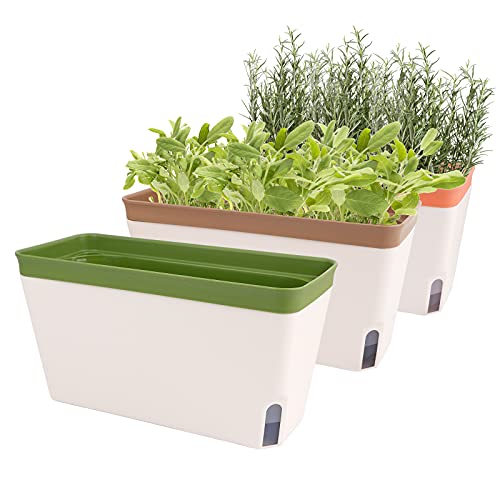
OurWarm Windowsill Herb Planter Box Indoor Set of 3, 10.5 Inch Self Watering Planter Pots with Visual Water Level Window, Modern Plastic Plant Pots for Herbs, Vegetables, Succulents Plants
SELF-WATERING PRINCIPLE: Through two absorbent cotton ropes, the self watering pots provide water to the soil and keep…
As an affiliate, we earn on qualifying purchases.
As an affiliate, we earn on qualifying purchases.