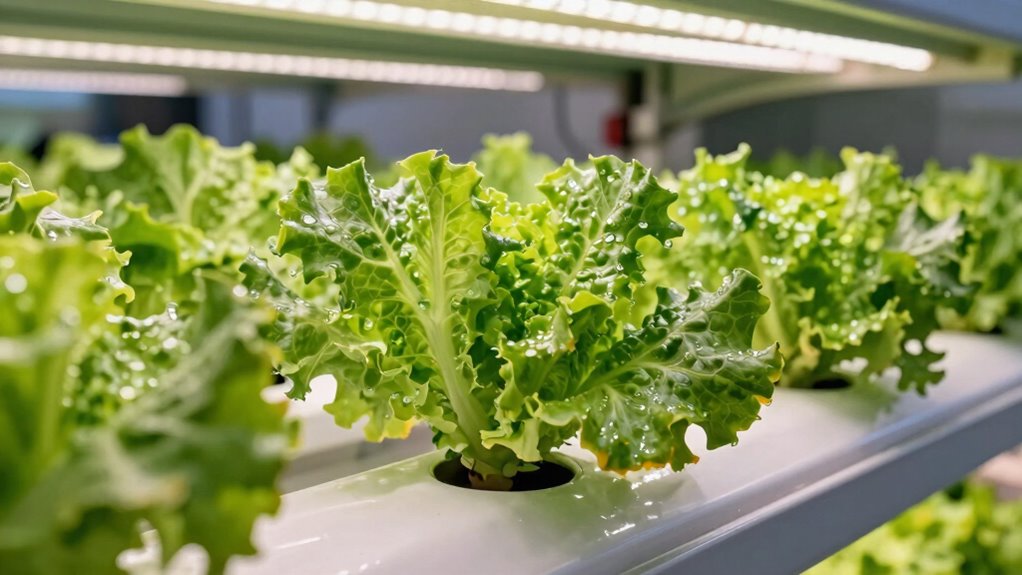

Your indoor lettuce harvests may fail right before they get good because you might be overlooking proper lighting and nutrient management. Insufficient or inconsistent light causes plants to become leggy or dull, while poor nutrition can lead to stunted growth or bitterness. Both factors are essential for healthy, flavorful leaves. If you want to understand how to prevent these issues and successfully grow your lettuce to full maturity, there’s more to discover that can help you succeed.

Get garden gear delivered free with Prime
- Fast, free delivery on millions of items
- Prime Video, Amazon Music and more included
- Member-only deals all year
Key Takeaways
- Insufficient or inconsistent lighting causes lettuce to become leggy and less flavorful before maturity.
- Nutrient deficiencies or imbalances weaken plants, leading to poor growth and bitter leaves.
- Overexposure to intense light or dryness can scorch leaves, hindering proper harvest readiness.
- Lack of regular nutrient monitoring results in deficiencies that stall development near harvest time.
- Poor environmental control, such as improper humidity or temperature, stresses plants and prevents optimal ripening.
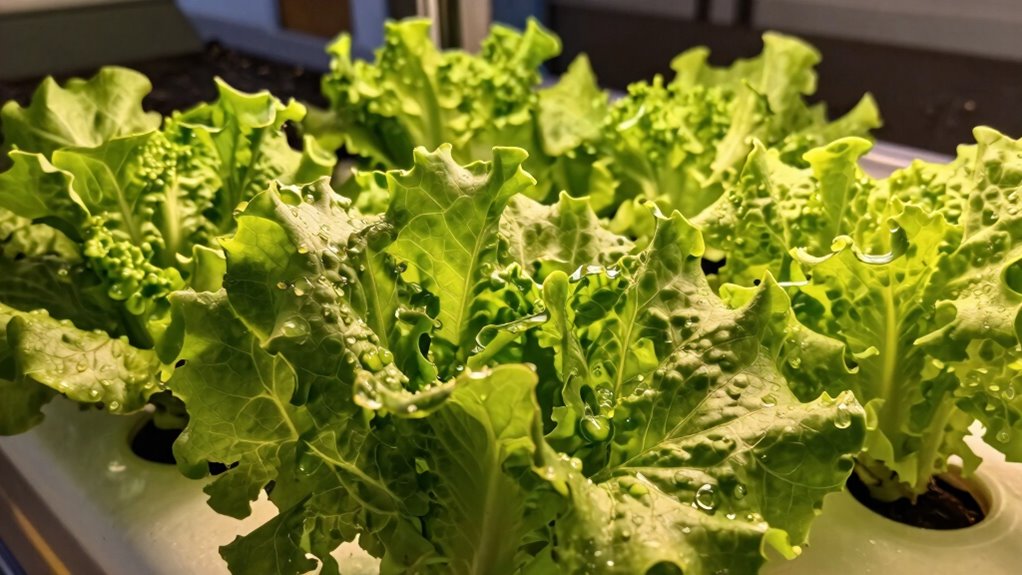
Have you ever considered growing fresh lettuce right in your own home? It’s a rewarding experience, but many indoor gardeners find their lettuce crops fail just before they’re ready to harvest. The frustration comes from knowing that the plants look healthy and vibrant, only to suddenly stop thriving or become bitter and tough. One common reason for this is the delicate balance of lighting conditions and nutrient management that your lettuce needs to flourish indoors. If these factors aren’t optimized, your plants might grow slowly or develop issues that prevent a successful harvest.
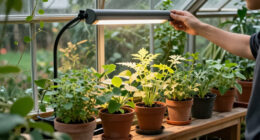
Lighting conditions are essential. Lettuce requires plenty of light to develop tender leaves and a crisp texture. If your indoor setup doesn’t provide enough light, the plants will stretch and become leggy, weakening their structure and flavor. Fluorescent or LED grow lights should be positioned close enough to the plants—usually within a few inches—to mimic natural sunlight. Over time, you might notice the leaves losing their vibrant green color or becoming dull, which signals insufficient light. On the other hand, too much direct, intense light can cause the leaves to scorch or dry out, so it’s essential to strike the right balance. Consistent lighting schedules, ideally 12 to 16 hours a day, help simulate natural conditions and keep your lettuce growing steadily. Additionally, lighting quality plays a crucial role, as the spectrum and intensity of light can influence plant health and flavor.
Ensure your lettuce receives adequate light—use close, consistent LED or fluorescent lighting for healthy, vibrant growth indoors.
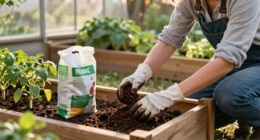
Nutrient management plays an equally important role. During the growing cycle, your lettuce needs a steady supply of essential nutrients—primarily nitrogen, phosphorus, and potassium—to develop healthy leaves. If you neglect fertilizing or use the wrong type or amount of nutrients, your plants can become stunted or develop deficiencies, which might make them bitter or slow their growth just before harvest. Regularly check your soil or hydroponic solution’s nutrient levels and adjust accordingly. A balanced, water-soluble fertilizer applied every couple of weeks can keep your plants nourished without overwhelming them. Over-fertilizing, however, can lead to excessive leafy growth that’s weak and susceptible to diseases, ultimately ruining your harvest. Proper nutrient management involves monitoring and adjusting your feed schedule based on your lettuce’s growth stage. It’s also important to consider lighting spectrum, as the spectrum and intensity of light can influence plant health and flavor.
In the end, the key to successful indoor lettuce harvests lies in maintaining consistent lighting and nutrient practices. If you pay close attention to these factors, you’ll give your plants the best chance to reach maturity and reward you with crisp, flavorful leaves. Neglecting either aspect, however, can cause your plants to falter right before they’re ready, leaving you disappointed. With patience and careful management, your indoor garden can produce a continual supply of fresh, homegrown lettuce that’s worth the effort.
LED grow lights for indoor lettuce
As an affiliate, we earn on qualifying purchases.
As an affiliate, we earn on qualifying purchases.
Frequently Asked Questions
How Can I Tell When My Lettuce Is Fully Mature?
You can tell your lettuce is fully mature by observing its color and size. When the leaves turn a vibrant green or deep hue, and the head feels firm and well-formed, it’s ready for harvest. Most lettuce varieties reach harvest timing around 45-60 days. Keep an eye on the outer leaves, and once they’re lush and crisp, you’ll know it’s time to pick for the freshest taste.
What Are Common Pests Affecting Indoor Lettuce?
Indoor lettuce often faces pests like aphids, fungus gnats, and whiteflies—tiny invaders with big impacts. To keep these pests at bay, pest identification is crucial; look for sticky residue, discolored leaves, or tiny insects. Implement pest prevention strategies such as proper air circulation, regular inspection, and avoiding overwatering. Staying vigilant ensures your lettuce stays healthy, preventing pests from ruining your harvest just when it’s about to be perfect.
Does Lettuce Need Special Lighting to Thrive Indoors?
Yes, lettuce needs special lighting to thrive indoors. You should use artificial lighting that provides a full light spectrum, mimicking natural sunlight. This guarantees your lettuce gets the right wavelengths for healthy growth, especially if natural light is limited. LED grow lights are a popular choice because they’re energy-efficient and can be tailored to emit the ideal spectrum for leafy greens, helping you achieve lush, tasty harvests.
How Often Should I Water Indoor Lettuce Plants?
Think of watering your indoor lettuce as tending a delicate garden of glass; it requires precision. Water when the top inch of soil feels dry, ensuring consistent moisture without overdoing it. Keep soil pH balanced to prevent pests and diseases. Regular watering supports healthy growth, but avoid soggy soil, which invites trouble. Proper watering, combined with pest prevention, keeps your lettuce thriving and ready for a satisfying harvest.
Can Nutrient Deficiencies Cause Premature Lettuce Harvests?
Yes, nutrient deficiencies can cause premature lettuce harvests. If your plants lack essential nutrients, they might mature too early or produce poor-quality leaves. To prevent this, you should perform soil testing to identify nutrient gaps and use appropriate nutrient supplements. Regularly monitoring and adjusting nutrients guarantees your indoor lettuce develops fully, avoiding early harvests that lack flavor or texture. Proper nutrition keeps your lettuce healthy and ready at the right time.
hydroponic nutrient solution for leafy greens
As an affiliate, we earn on qualifying purchases.
As an affiliate, we earn on qualifying purchases.
Conclusion
If you find your indoor lettuce harvests consistently falling short just before reaching their prime, don’t get discouraged. Often, it’s a matter of adjusting your light or watering schedule. For example, a hobbyist gardener once overwatered, causing delayed growth and premature harvesting. By fine-tuning your environment—like providing consistent light and proper moisture—you can enjoy crisp, flavorful lettuce right when it’s at its best. Patience and small tweaks make all the difference.
As an affiliate, we earn on qualifying purchases.
vegetable fertilizer for indoor gardening
As an affiliate, we earn on qualifying purchases.
As an affiliate, we earn on qualifying purchases.
Fall yard work Picks
leaf blowers
As an affiliate, we earn on qualifying purchases.