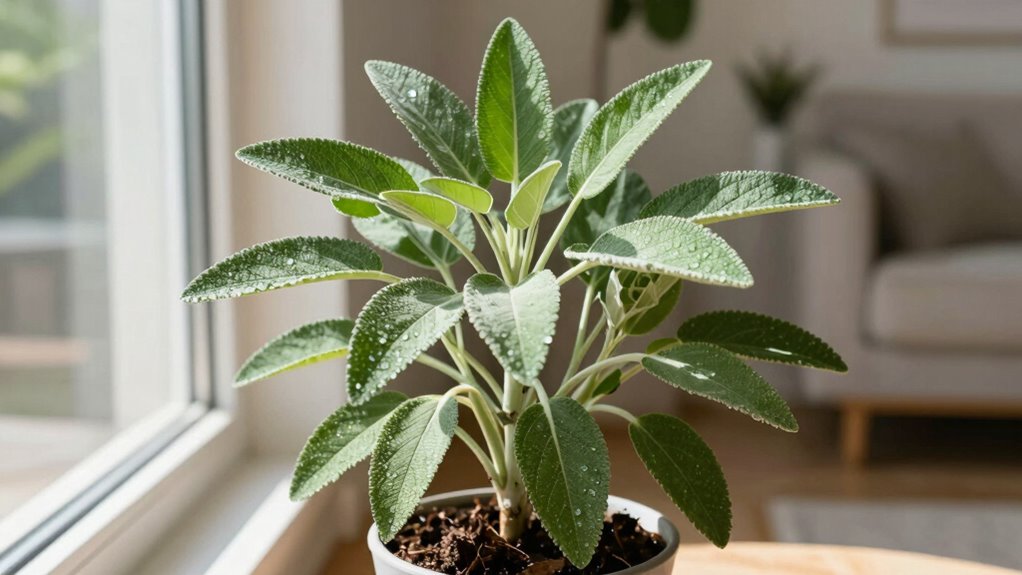
Your indoor sage can look stunning, but overwatering is the biggest mistake to avoid. Too much water causes root rot, yellowing leaves, and stunted growth, making your plant appear dull and unhealthy. Instead, let the top inch of soil dry out before watering again, and guarantee the soil drains well. Proper watering, combined with enough sunlight, keeps your sage vibrant and fragrant. Keep these tips in mind—you’ll discover even more ways to care for your plant effectively.
Key Takeaways
- Avoid overwatering; let the top inch of soil dry out before watering again.
- Use well-draining soil to prevent root rot and promote healthy growth.
- Monitor soil moisture regularly with your finger test to prevent excessive watering.
- Ensure sage receives at least 6 hours of direct sunlight daily for optimal health.
- Adjust watering and light based on plant signs like yellowing or drooping leaves.

Indoor sage enthusiasts often make the mistake of overwatering, which can harm the plant’s health and hinder its growth. Sage is a resilient herb, but it needs the right balance of moisture to thrive indoors. Overwatering can lead to root rot, yellowing leaves, and stunted herb growth, making your plant look unhealthy and dull. To keep your sage vibrant, you must understand its specific watering needs and recognize when it truly needs water. Generally, sage prefers well-draining soil and prefers to dry out slightly between waterings. So, instead of sticking to a fixed schedule, check the soil’s moisture level with your finger—only water when the top inch feels dry. This approach minimizes the risk of overwatering and promotes strong, healthy growth. Proper watering also supports the plant’s photosynthesis process, which is essential for its overall vitality. Sunlight requirements are equally essential for indoor sage. This herb loves plenty of direct sunlight, ideally at least 6 hours a day. When placed near a south-facing window, sage can soak up the light it needs to produce vibrant leaves and maintain ideal herb growth. If natural sunlight is limited, supplement with a grow light to mimic outdoor conditions. Insufficient sunlight can cause the herb to become leggy, pale, and less flavorful, undermining your efforts to cultivate a healthy plant. Remember, sunlight not only influences the appearance of your sage but also its essential oil production, which affects flavor and aroma. Ensuring proper watering and adequate sunlight creates a healthy environment for your indoor sage to flourish. Consistently monitoring both moisture levels and light exposure helps prevent common issues like disease susceptibility and ensures your plant remains vigorous. Balancing proper watering with adequate sunlight is key to nurturing a thriving sage plant indoors. When your plant gets enough light, it can photosynthesize efficiently, resulting in vigorous herb growth and a lush, fragrant foliage. Conversely, too much water combined with insufficient sunlight can weaken the plant, making it more susceptible to pests and disease. If you notice your sage’s leaves turning yellow or drooping, evaluate both your watering routine and its light exposure. Properly adjusting these factors and understanding the plant’s watering needs can significantly improve its health and appearance.

Metal Watering Can for Indoor Plants, 35oz Sage Green Cute Stainless Steel Pot with Long Spout for Indoor House Plants Bonsai Outdoor Garden Flower Decorative
- Capacity: 35oz (1000ml) for indoor plants
- Material: Stainless steel with powder coating
- Durability: Rust-resistant and leak-proof
As an affiliate, we earn on qualifying purchases.
As an affiliate, we earn on qualifying purchases.
Frequently Asked Questions
How Often Should I Water Indoor Sage During Winter?
During winter, you should water your indoor sage when the soil moisture feels dry a couple of inches below the surface. Usually, this means watering every 10 to 14 days, but always check soil moisture first. Remember to prevent overwatering, as this can lead to root rot. Regular plant pruning helps keep your sage healthy, and adjusting watering habits based on soil moisture ensures your plant thrives indoors year-round.
Can Overwatering Indoor Sage Cause Root Rot?
Overwatering indoor sage definitely can cause root rot, and it’s ironic because too much water actually starves the roots of oxygen. When you water too often, soil moisture stays high, creating a perfect environment for fungal growth that leads to rot. To avoid this, stick to proper watering frequency—wait until the top inch of soil feels dry—and make sure your pot has good drainage. Your sage will thank you.
What Signs Indicate My Indoor Sage Needs Watering?
You’ll notice your indoor sage needs watering if the leaves start to wilt, turn dull, or feel dry to the touch. In herb cultivation and indoor gardening tips, it’s essential to check the soil moisture regularly—stick your finger about an inch deep. If it feels dry, it’s time to water. Proper watering keeps your sage vibrant and healthy, preventing issues like root rot and encouraging lush, fragrant growth.
Is It Better to Underwater or Overwater Sage Indoors?
You should avoid overwatering your sage, as it risks root rot and pest issues, while underwatering leads to wilting and browning leaves. Strike a balance with proper fertilizing—don’t overdo it—and keep an eye out for pests. When you find that perfect moisture level, your indoor sage will thrive, showcasing vibrant foliage. Remember, consistent watering and attentive pest prevention are key to revealing its full, stunning potential.
Does Indoor Sage Require Drainage Holes for Watering?
Yes, indoor sage needs drainage holes to prevent water from sitting in the soil. Proper soil drainage helps regulate watering frequency, avoiding overwatering that can lead to root rot. Without drainage, excess water accumulates, making it harder to keep the soil moist but not soggy. Make sure your pot has drainage holes, and adjust your watering schedule based on the soil’s moisture level to keep your sage healthy and thriving.

Rosy Soil Herb Mix, Organic Indoor and Outdoor Herb Potting Soil, 4 Quarts
- Designed for Various Herbs: Suitable for indoor and outdoor herbs
- Enriched with Living Soil: Contains biochar, worm castings, and mycorrhizae
- Peat-Free and Sustainable: Made from upcycled, carbon-negative ingredients
As an affiliate, we earn on qualifying purchases.
As an affiliate, we earn on qualifying purchases.
Conclusion
To keep your indoor sage thriving, avoid overwatering, which can drown the roots and stunt growth. Think of your plant as a delicate dance partner—if you don’t give it the right cues, it won’t perform its best. Water thoughtfully, letting the soil dry out slightly between drinks. With a little care and attention, your sage can flourish indoors, providing beauty and aroma. Remember, sometimes less is more—water wisely, and you’ll reap the rewards.
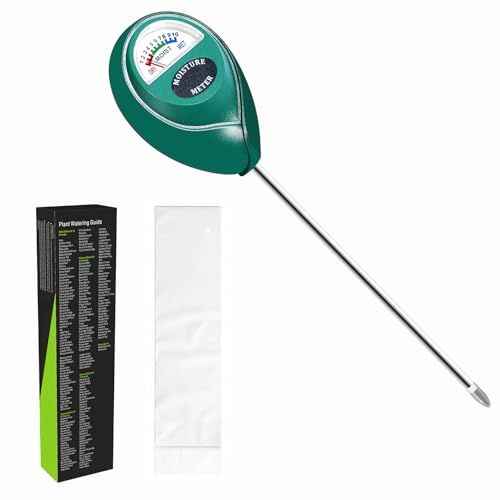
XLUX Plant Soil Moisture Meter, for Indoor and Outdoor use, Battery-Free
- Trusted Since 2015: Reliable and accurate soil moisture measurement
- No Batteries Needed: Instant readings with high-sensitivity probe
- Deep Root Zone Measurement: Reaches soil root zone for accurate moisture levels
As an affiliate, we earn on qualifying purchases.
As an affiliate, we earn on qualifying purchases.
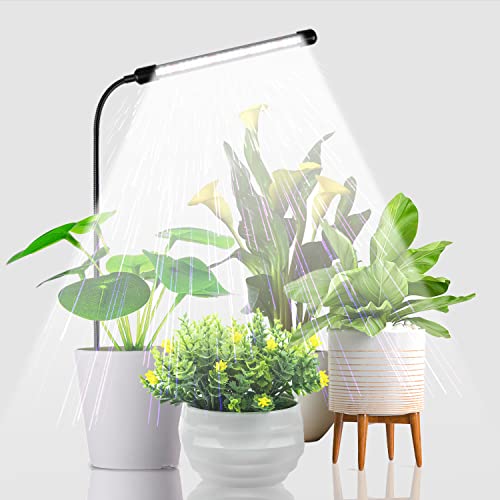
Juhefa Grow Light for Indoor Plants Growing, 6000K Full Spectrum Gooseneck Plant Lamp for Seedings Succulents Small Plants, Auto On/Off Timing & 5 Dimming, 1-Pack
- Full Spectrum Light: 6000K sunlight-like spectrum with LEDs
- Versatile Indoor Use: Ideal for flowers, herbs, succulents, and more
- Optimized Plant Growth: Designed to maximize photosynthesis
As an affiliate, we earn on qualifying purchases.
As an affiliate, we earn on qualifying purchases.