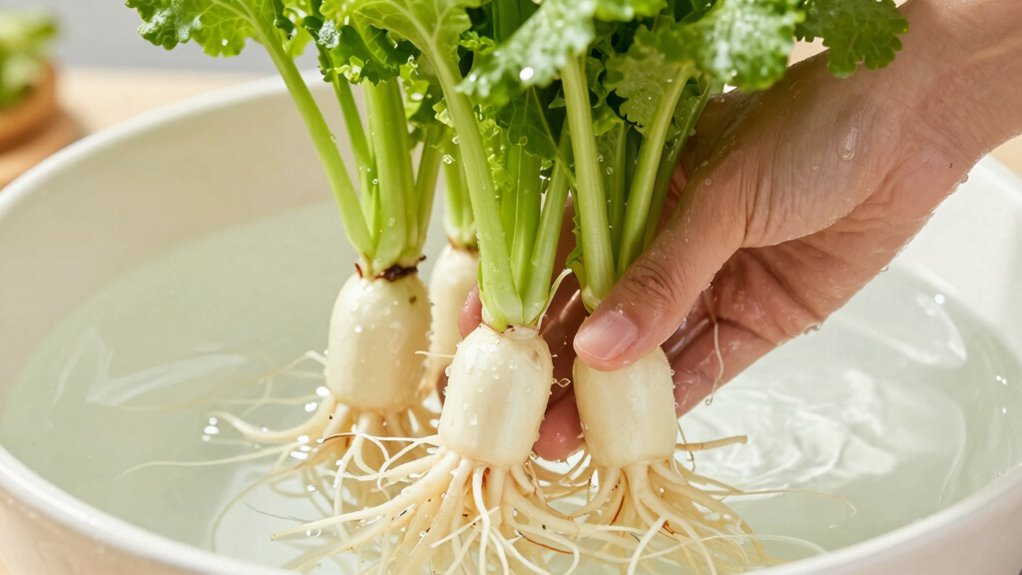

Maintaining proper root zone hygiene keeps your plants healthy by preventing soil compaction, controlling debris, and managing moisture levels. Regular aeration improves airflow, while removing decaying matter reduces pests and disease risks. Proper watering practices guarantee roots stay moist without becoming waterlogged, supporting nutrient uptake and preventing nutrient loss. By staying attentive to these habits, you create an environment where roots thrive and resist issues, setting your system apart from messy, unhealthy ones—assure going to discover how to master this crucial skill.

Get garden gear delivered free with Prime
- Fast, free delivery on millions of items
- Prime Video, Amazon Music and more included
- Member-only deals all year
Key Takeaways
- Regularly remove debris, dead roots, and decaying matter to prevent pest and disease habitats.
- Ensure soil is properly aerated to avoid compaction and promote healthy root growth.
- Maintain optimal watering practices to balance moisture levels and prevent waterlogged or dried-out roots.
- Use well-draining soil mixes and organic matter to enhance nutrient retention and root environment.
- Conduct routine inspections of the root zone to identify and address issues early, supporting overall plant health.
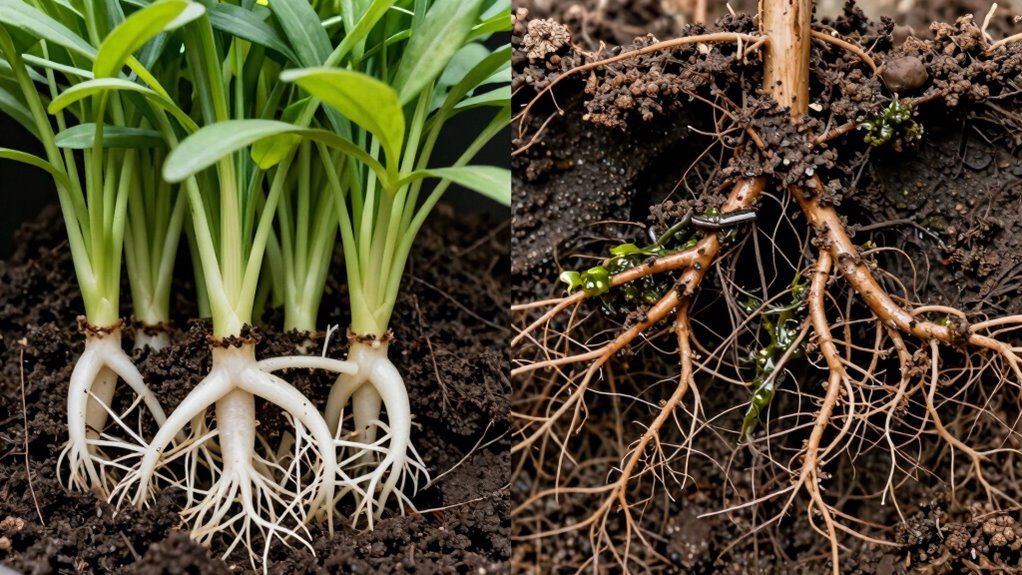
Have you ever considered how maintaining a clean root zone can considerably impact your plant’s health? When you focus on root zone hygiene, you create an environment where your plants can thrive. One of the key factors influencing this is avoiding soil compaction. When soil becomes compacted, it restricts airflow and water movement, making it difficult for roots to grow and access essential nutrients. This often leads to weaker plants and increased vulnerability to diseases. By regularly aerating the soil and guaranteeing it’s not overly compressed, you allow roots to spread out freely, facilitating better nutrient uptake and overall vigor.
Another essential aspect is preventing nutrient leaching. When the root zone isn’t properly maintained, excess water can wash away vital nutrients before plants can absorb them. Nutrient leaching not only wastes resources but also leaves your plants deficient, stunting growth and reducing yields. To minimize this, you should monitor watering practices carefully—avoiding overwatering and guaranteeing good soil structure helps retain nutrients in the root zone longer. Incorporating organic matter or mulch can also improve soil retention capabilities, creating a more stable environment where nutrients stay put and are available for plant roots.
A clean root zone also means removing debris, dead roots, or any plant residues that can harbor pests or pathogens. Decaying organic matter can encourage fungal growth and attract insects, which can quickly turn into bigger problems if left unchecked. Regularly inspecting and cleaning the root zone keeps these issues at bay, promoting healthy root systems that can better resist diseases and environmental stresses. Additionally, understanding the importance of soil health can guide you in maintaining an optimal root environment.
You should also pay attention to watering techniques. Overwatering can lead to waterlogged soil, which suffocates roots and encourages root rot, while underwatering causes roots to dry out and become ineffective at nutrient absorption. Striking the right balance keeps the root zone moist but not soaked, reducing the risk of soil compaction from excess water and preventing nutrient leaching. Using well-draining soil mixes and appropriate watering schedules ensures your plant’s roots are in an ideal environment.
In essence, maintaining root zone hygiene isn’t just about cleanliness. It’s about creating the perfect conditions for your plants’ roots to grow strong, access nutrients efficiently, and stay healthy. Avoiding soil compaction, controlling nutrient leaching, and managing moisture levels are all necessary steps. When you make these practices a habit, you’ll notice your plants become more resilient, produce better yields, and require fewer interventions. Root zone hygiene isn’t a chore—it’s an indispensable part of nurturing thriving, healthy systems.
As an affiliate, we earn on qualifying purchases.
Frequently Asked Questions
How Often Should Root Zone Hygiene Be Performed?
You should perform root zone hygiene every 2 to 4 weeks, depending on your plant’s needs. Regular root monitoring helps you spot issues early, while maintaining proper nutrient balance guarantees healthy roots. Consistent hygiene prevents the buildup of harmful pathogens and debris, promoting ideal growth. By staying vigilant and cleaning your root zone regularly, you foster a healthier, more resilient system that supports your plant’s overall vitality.
What Tools Are Best for Maintaining Root Zone Hygiene?
You should use tools like hand trowels and small rakes to carefully remove debris and aerate the soil. Incorporate soil testing kits to monitor nutrient levels, ensuring ideal conditions. Organic amendments, like compost or organic fertilizers, help improve soil health. Regularly checking and adjusting with these tools and amendments keeps your root zone clean and healthy, preventing disease and promoting vigorous plant growth.
Can Poor Root Zone Hygiene Affect Plant Yield?
Poor root zone hygiene can devastate your plant’s yield, like a wildfire destroying everything in its path. When root contamination occurs, it damages soil health, leading to nutrient deficiencies and disease susceptibility. This weakens roots, stunts growth, and reduces productivity. To keep your plants thriving, prioritize clean root zones, prevent contamination, and maintain healthy soil. Doing so guarantees your plants reach their full potential and produce bountiful harvests.
Are There Organic Methods for Improving Root Zone Hygiene?
Yes, you can improve root zone hygiene organically by using compost teas rich in beneficial microbes. Organic composting adds nutrient-dense soil amendments, promoting healthy root environments. Beneficial microbes help break down organic matter and suppress harmful pathogens, maintaining a clean root zone. Regularly applying compost tea and organic compost creates a thriving microbial community, ensuring your plants’ roots stay healthy and free from disease, resulting in better growth and yields.
How to Identify Root Zone Hygiene Issues Early?
You might notice soggy or discolored spots on your plants, which hints at root zone issues. Regular root zone monitoring helps you catch problems early, especially soil compaction that restricts root growth. Pay attention to inconsistent watering, slow plant growth, or wilting despite proper care. By staying vigilant about these signs, you can address root zone hygiene issues before they become severe, keeping your system healthy and thriving.
As an affiliate, we earn on qualifying purchases.
Conclusion
By practicing root zone hygiene, you prevent disease and promote healthy plant growth. Imagine a gardener who routinely removes decaying leaves and sterilizes tools; their tomatoes flourish with minimal issues. Now, picture neglecting this step, leading to root rot and stunted plants. The choice is clear: stay vigilant and keep your root zone clean. Your plants will thank you with vibrant, healthy growth—proof that good hygiene truly separates thriving systems from messy ones.
As an affiliate, we earn on qualifying purchases.
As an affiliate, we earn on qualifying purchases.
Fall yard work Picks
leaf blowers
As an affiliate, we earn on qualifying purchases.