
TL;DR

Get garden gear delivered free with Prime
- Fast, free delivery on millions of items
- Prime Video, Amazon Music and more included
- Member-only deals all year
Homes and Gardens has highlighted a Vego Garden greenhouse frost cover designed to help gardeners protect raised-bed crops and grow for longer. Its mesh-reinforced, UV-protected cover is intended to admit sunlight while blocking wind and precipitation; the manufacturer says assembly should take under 30 minutes. Actual frost protection and season extension will depend on conditions and how the cover is used.
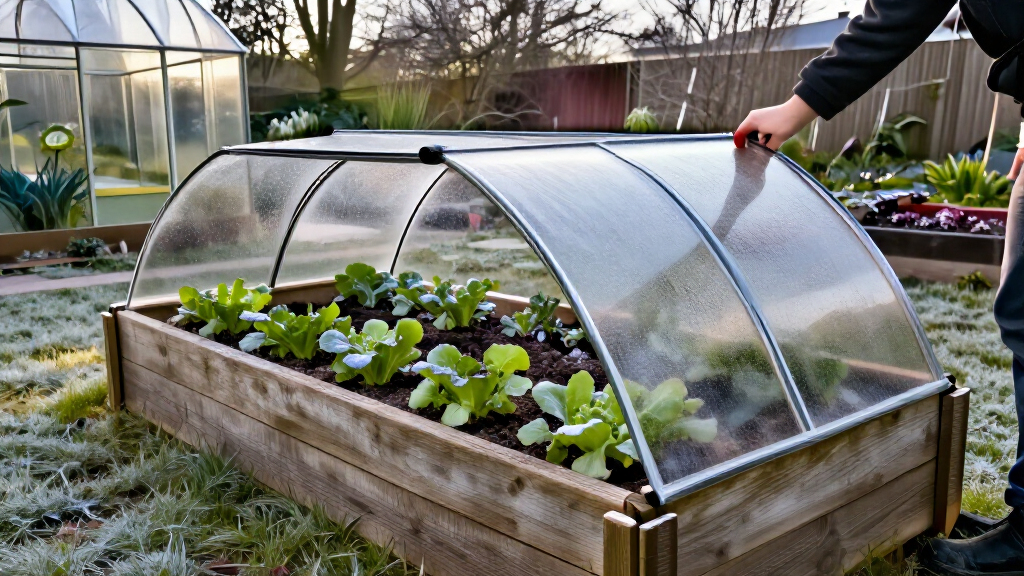
Homes and Gardens has featured the Vego Garden greenhouse frost cover, a raised-bed accessory designed to help gardeners protect crops from cold weather and extend the growing season. The cover is made with a steel-tube frame and reinforced, UV-protected fabric; while the product is intended to reduce exposure to frost, wind and precipitation, the report does not provide independent test results or a guaranteed temperature range.
The product combines galvanized magnesium-aluminum steel tubing with a heavy-duty cover described as HDPE fabric with reinforced mesh. According to the report, the material allows sunlight through while helping keep out wind, hail, rain and snow. Straps secure the cover to the frame, with the aim of retaining warmth and limiting cold air entering the growing space.
The report also describes vented windows that can be opened to improve air circulation and reduce the chance of overheating in warmer weather. This matters because a covered bed can heat up as sunlight enters, and growers may need to adjust ventilation as conditions change. The feature does not state a temperature threshold for opening the vents or provide operating instructions for particular crops.
For installation, the frame’s lightweight steel poles fit into connectors, and hook-and-loop straps attach the cover. The frame bolts to a Vego Garden raised bed. The manufacturer says setup takes under 30 minutes; that is a company claim, not an independently verified installation time. The report says the cover may also be used to protect crops planted directly in the ground, though it does not detail how it is secured in that arrangement.
A Longer Window for Raised-Bed Crops
For gardeners with a small yard, patio or balcony, covering a raised bed could make the space productive beyond the warmest months. The report says the added protection may allow sowing earlier in spring and harvesting later in the year, rather than leaving the bed unused when temperatures fall. The extent of that season extension will vary with local weather, the bed’s location and the crops being grown.
A cover may also broaden the choice of crops. Homes and Gardens points to spinach, arugula, winter lettuce, corn salad and Asian greens such as mizuna and bok choy as cool-weather options for fall and winter. It also says a warmer covered bed could suit heat-loving crops such as bush tomatoes and compact peppers. These are suggested uses, not a guarantee that every plant will thrive through frost under the product.
The cover is also described as a physical barrier against some pests. That could be useful for gardeners seeking protection without relying solely on pest treatments, but the report does not identify which pests the cover can exclude or quantify its effectiveness. Gardeners will need to check that the barrier is properly fitted and that crops still receive appropriate light and airflow.
As an affiliate, we earn on qualifying purchases.
From Summer Beds to Cold-Season Growing
Raised beds are often used for vegetables during the main growing season, from late spring into early fall. The report’s central point is that a protective cover can change how long a bed is used: by limiting exposure to cold and keeping some warmth around plants, it may help growers start earlier and continue harvesting later.
The Vego cover is one option among several. The source also mentions lighter alternatives, including insect netting over hoops, breathable nonwoven fabric covers and floating row cover. Those products may serve different purposes: a lighter barrier can help with pests or modest cold protection, while a more enclosed cover is intended to provide a greenhouse-like effect. The report does not compare products through side-by-side performance testing, and its shopping examples do not establish which option is best for a particular garden.
The source describes the Vego frame as fitting different raised-bed configurations and notes that it can be used over in-ground crops. It does not list compatible bed dimensions or explain whether additional anchoring is needed in exposed locations. Buyers should check the product’s current specifications against their bed before purchase.
“The cover “lets sunlight through, but keeps water, wind, hail, and snow out.””
— Homes and Gardens report
As an affiliate, we earn on qualifying purchases.
Frost Protection Has Limits
The source does not give independent test data, a minimum operating temperature or a frost-protection rating. It also does not say how much warmer the covered bed becomes than the surrounding air, or how performance changes during prolonged cold, strong wind or heavy snowfall. The article describes the product’s design and intended uses, but does not establish that it will prevent frost damage in every climate.
Other practical details remain unspecified in the supplied report, including the exact sizes and configurations that fit, the product’s price and availability, and how often the cover needs cleaning or maintenance. The report also does not provide crop-by-crop guidance on ventilation or watering. Gardeners should follow the manufacturer’s instructions and monitor conditions inside the cover rather than treating it as a substitute for checking plants.
As an affiliate, we earn on qualifying purchases.
Check Fit and Local Conditions
Before buying, gardeners can compare their raised bed’s dimensions and shape with the manufacturer’s current product specifications, and confirm how the frame attaches. Those considering in-ground use may need to check how the structure can be anchored securely. The report does not name a product release or other upcoming milestone; this is a product feature rather than an announced launch.
Once installed, growers will need to watch temperature and airflow, opening the vented windows when conditions call for more circulation. They can select crops suited to their season and local climate, and check the bed during cold or stormy weather. How much longer the harvest lasts remains dependent on local conditions, not just on the cover itself.
As an affiliate, we earn on qualifying purchases.
Key Questions
What is the Vego Garden greenhouse frost cover?
It is a raised-bed cover with a steel-tube frame and a reinforced, UV-protected fabric cover. Homes and Gardens says it is designed to let sunlight in while shielding crops from wind and precipitation.
Does it guarantee that crops will survive frost?
No guarantee or temperature rating is provided in the report. The cover is intended to add insulation and reduce exposure to cold, but protection will depend on weather, installation and crop needs.
Can plants overheat beneath the cover?
The product has vented windows that can be opened for airflow, according to the report. Gardeners should monitor conditions and adjust ventilation as needed; the source does not specify temperature settings.
What can be grown under a raised-bed cover?
The report suggests cool-season crops such as spinach, arugula, winter lettuce, mizuna and bok choy, as well as some heat-loving crops such as bush tomatoes and compact peppers. Suitability depends on the season and local growing conditions.
How long does installation take?
The manufacturer says assembly should take under 30 minutes, as reported by Homes and Gardens. The time has not been independently verified and may vary with the bed and setup.
Source: rss
Fall yard work Picks
leaf blowers
As an affiliate, we earn on qualifying purchases.