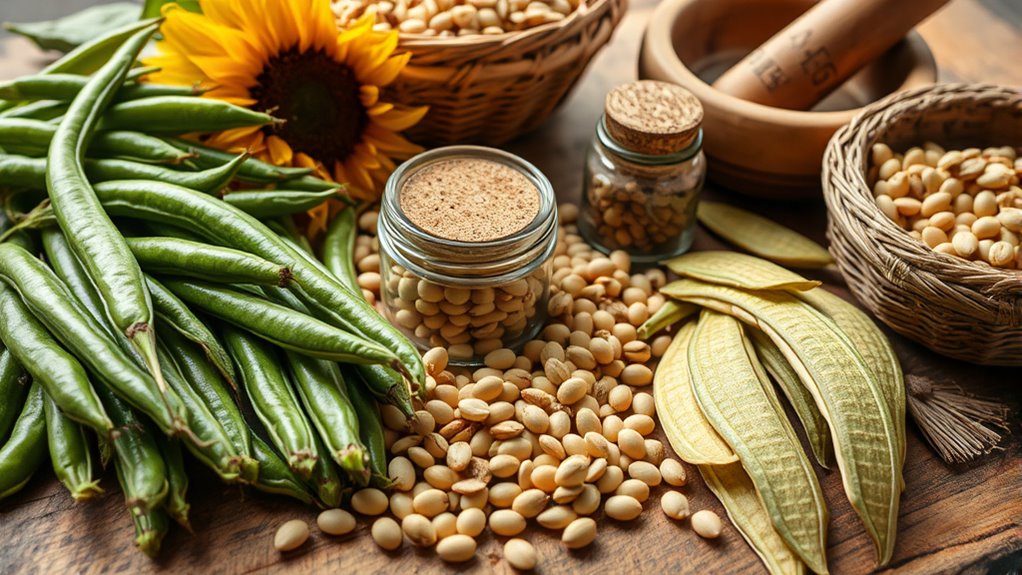
To choose and store seed pods for maximum freshness, select only fully mature, healthy pods with vibrant color and firmness. Handle them gently during harvest and clean them carefully to remove dirt and mold, ensuring they are completely dry before storage. Keep seeds in airtight containers in a cool, dark, and dry environment, adding silica gel if needed. Properly stored seeds stay viable longer, and if you want to learn more, there’s useful tips to boost your seed preservation skills.
Key Takeaways
- Harvest pods at peak ripeness, avoiding immature or damaged ones for best seed quality.
- Select firm, healthy, and uniform seeds by checking color, firmness, and detachment ease.
- Gently clean and thoroughly dry seed pods before storage to prevent mold and spoilage.
- Store seeds in airtight containers in a cool, dark, dry environment with humidity control like silica gel.
- Regularly inspect stored seeds and discard any showing signs of deterioration to maintain maximum freshness.
Selecting the Best Seed Pods for Viability

To guarantee successful germination, you need to select seed pods that are mature and healthy. Start with proper seed pod harvesting, ensuring you pick pods at their peak ripeness. Avoid immature or damaged pods, as they lower seed viability testing results and reduce germination success. When harvesting, handle pods gently to prevent damage. After collecting, perform seed viability testing by conducting simple tests like the float test or cutting open pods to examine seed color and firmness. Healthy seeds are usually firm and uniform in size. Removing any debris or damaged seeds from your harvest helps improve overall viability. Properly selecting and testing seed pods ensures you save only the best for planting, increasing your chances of successful growth in the future. Additionally, understanding how to revive creativity can inspire innovative approaches to gardening and seed saving techniques.
Identifying Signs of Freshness and Ripeness
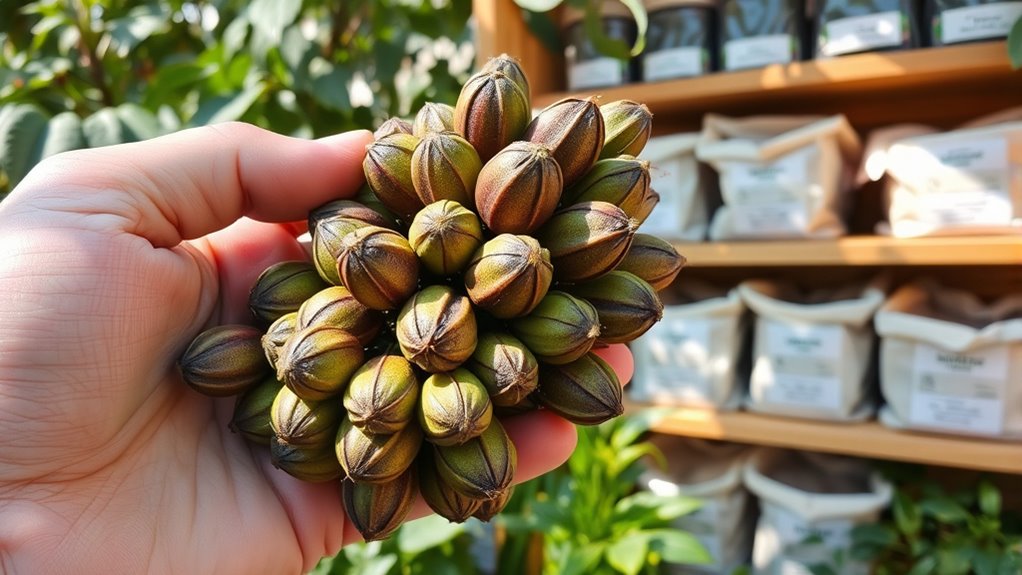
Recognizing the signs of freshness and ripeness is essential for selecting seed pods that will produce healthy plants. To assess seed maturity and pod appearance, look for these indicators:
- The pod has a vibrant color, showing it’s ripe and mature.
- It feels firm but not hard, indicating proper seed development.
- The pod’s appearance is dry or slightly papery, signaling readiness.
- It easily detaches from the plant without force, confirming ripeness.
- Regularly inspecting your seed pods helps maintain an effective organization system for successful planting.
Avoid pods that are green, soft, or overly damp, as these suggest immaturity or spoilage. Healthy seed pods will have a consistent color and a sturdy, dry texture. Recognizing these signs ensures you choose the freshest, most viable seed pods for successful planting.
Proper Cleaning and Handling of Seed Pods
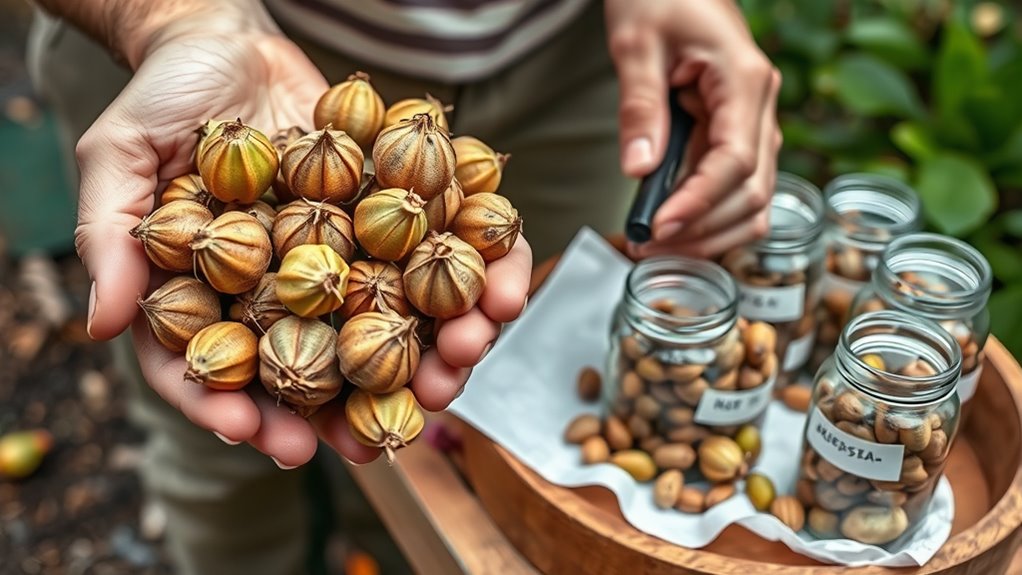
Cleaning and handling seed pods properly is essential to guarantee the viability of your seeds and prevent disease. During seed pod harvesting, gently remove pods from the plant without damaging them. Once collected, carefully clean off dirt, debris, and any mold using a soft brush or damp cloth. Avoid using harsh chemicals that could harm the seeds. When preparing seed pod packaging, ensure the pods are completely dry to prevent mold growth during storage. Handle the pods carefully to avoid bruising or splitting, which can compromise seed quality. Proper cleaning and handling reduce the risk of contamination and ensure your seeds stay healthy and viable for future planting. Taking these steps helps preserve seed integrity from harvest through storage. Proper handling techniques are vital for maintaining seed health and maximizing germination success.
Optimal Storage Conditions to Preserve Seeds
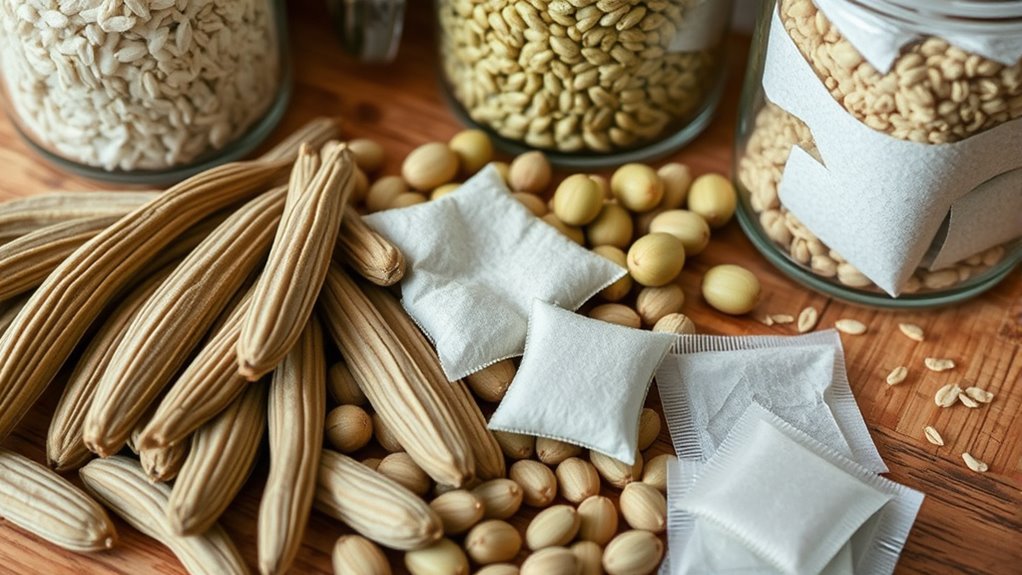
After carefully cleaning and handling your seed pods, the next step is to store them in ideal conditions that keep the seeds viable for future planting. Proper seed pod drying is essential—make sure they’re fully dry to prevent mold and decay. Store seeds in a cool, dark, and dry environment to slow down germination and preserve seed dispersal potential. Consider these tips:
- Keep seeds in airtight containers to prevent moisture exposure.
- Maintain a temperature between 32-50°F (0-10°C) for maximum preservation.
- Use silica gel packets to control humidity.
- Label containers clearly for easy identification and future use.
Following these steps helps guarantee your seeds stay fresh and viable, ready for planting when conditions are right.
Techniques for Long-Term Seed Preservation
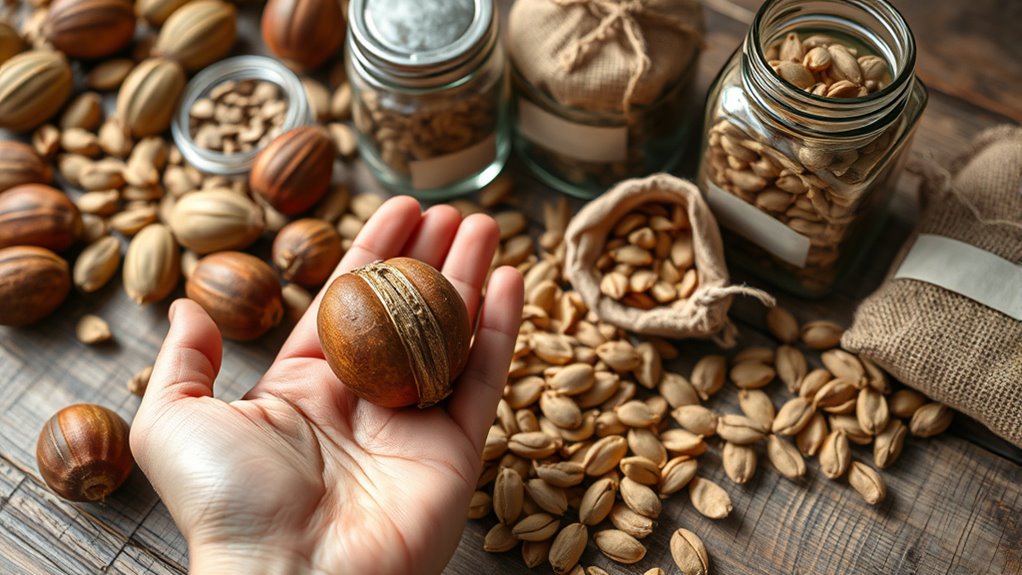
To guarantee your seeds remain viable for years to come, employing effective long-term preservation techniques is essential. Start by carefully seed pod harvesting when the pods are fully mature, ensuring high seed quality. After harvesting, clean and dry the seeds thoroughly to prevent mold and rot. Store seeds in airtight containers like glass jars or vacuum-sealed bags, placed in cool, dark, and dry environments. Using proper seed dispersal methods, such as storing seeds at consistent temperatures, helps maintain viability. Some gardeners also opt for seed banking, storing seeds in controlled conditions for extended periods. Regularly check stored seeds for signs of deterioration, discarding any compromised ones. Additionally, maintaining a dedicated storage environment with stable temperature and humidity levels can significantly prolong seed viability. These techniques guarantee your seeds stay fresh and viable for planting seasons to come.
Frequently Asked Questions
How Long Can Seed Pods Remain Viable After Harvesting?
Seed viability varies depending on the plant, but generally, seed pods can remain viable for anywhere from a few months to several years after harvesting. You should store seed pods in a cool, dry place to maximize storage duration. Proper storage helps maintain seed viability longer. Keep an eye on humidity and temperature, as these factors profoundly impact how long your seeds stay viable for successful germination later on.
Are There Specific Seed Pods That Require Refrigeration?
Some seed pods do require refrigeration to maintain viability. You should follow seed pod refrigeration guidelines closely, as many seeds need cool, consistent storage temperatures. Typically, store them at temperatures between 32-41°F (0-5°C) to keep them viable longer. Always check specific storage temperature guidelines for each seed type, since improper temperature can reduce germination rates. Proper refrigeration helps you preserve seed quality and ensures healthy sprouting later.
How Do Temperature Fluctuations Affect Seed Longevity?
Temperature fluctuations can break seed dormancy, reducing longevity. When you don’t maintain consistent environmental control, seeds may prematurely sprout or deteriorate, shortening their viability. Sudden changes in temperature stress the seed’s natural defenses, making them more vulnerable to decay. To maximize seed longevity, keep storage conditions stable, avoiding temperature swings, so seeds remain viable and healthy for future planting.
Can Seed Pods Be Stored Together From Different Plant Species?
While it might seem like a simple dance, mixing seed pods from different plant species isn’t always wise. Cross species compatibility varies, and following seed mixing guidelines helps prevent unintended hybridization or seed deterioration. Storing diverse seed pods together could lead to confusion or compromised germination. To guarantee your seeds stay at their best, keep different species separate, respecting their unique needs and maintaining the integrity of each variety.
What Are Common Mistakes That Reduce Seed Freshness During Storage?
You might accidentally reduce seed freshness if you overlook seed coat integrity and moisture control. For instance, storing seeds in humid environments can cause mold and degrade seed quality. Also, cracks or damage to the seed coat can lead to quicker spoilage. To maintain freshness, keep seeds in airtight containers, store them in cool, dry places, and avoid exposing them to fluctuating temperatures or moisture.
Conclusion
Think of your seed pods as tiny treasure chests, holding the promise of new life. By choosing ripe, fresh pods and handling them with care, you’re nurturing a future garden. Proper storage acts as a gentle guardian, protecting your treasures until planting time. When you master these techniques, you’re planting seeds of patience and hope—each pod a symbol of growth waiting to unfold, turning your patience into a blooming reality.