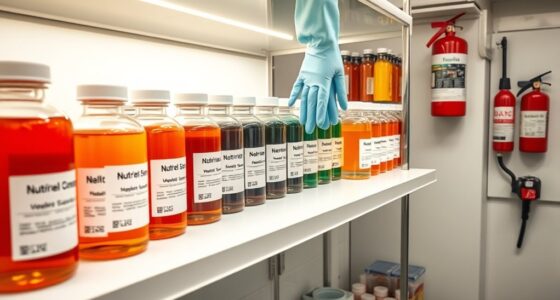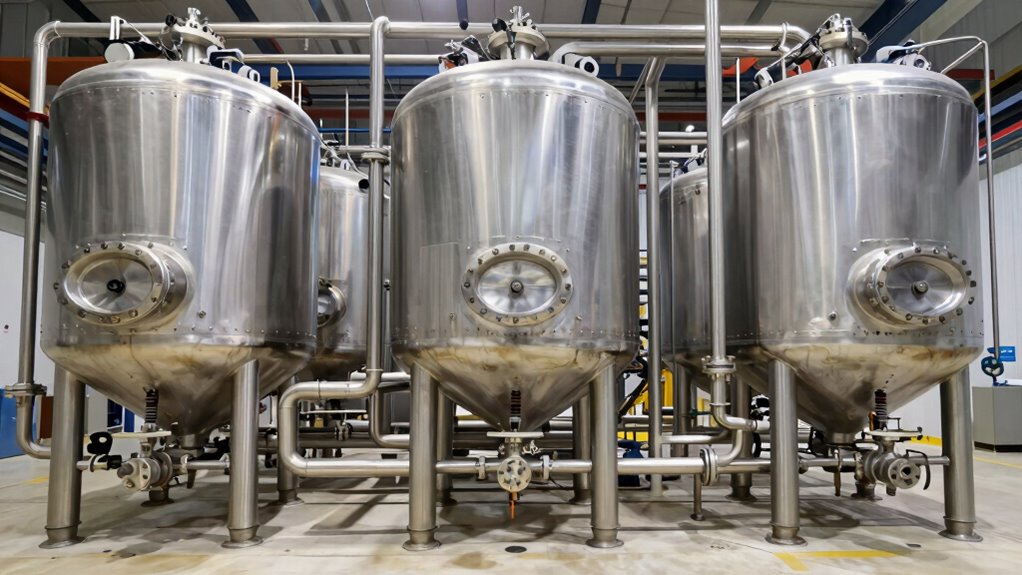

Once you realize the importance of hydrodynamic efficiency, nutrient mixing tanks make sense on a larger scale. Larger tanks need advanced agitation and optimized flow patterns to guarantee thorough mixing, prevent dead zones, and maintain uniformity. Scaling up also means choosing materials resistant to chemicals and using sophisticated technology for better control. Embracing these principles improves consistency, saves energy, and reduces waste. Keep exploring to discover how these improvements can transform your operations further.

Get garden gear delivered free with Prime
- Fast, free delivery on millions of items
- Prime Video, Amazon Music and more included
- Member-only deals all year
Key Takeaways
- Large nutrient tanks benefit from optimized flow dynamics to ensure uniform mixing and prevent dead zones.
- Scaling up requires advanced agitation systems that maintain consistency and minimize energy use.
- Proper material selection enhances chemical compatibility, reducing corrosion and contamination risks in bigger tanks.
- Hydrodynamic efficiency in large tanks reduces mixing time, energy costs, and waste, improving overall process performance.
- Automated and sophisticated mixing technologies are essential for maintaining quality and efficiency at larger scales.
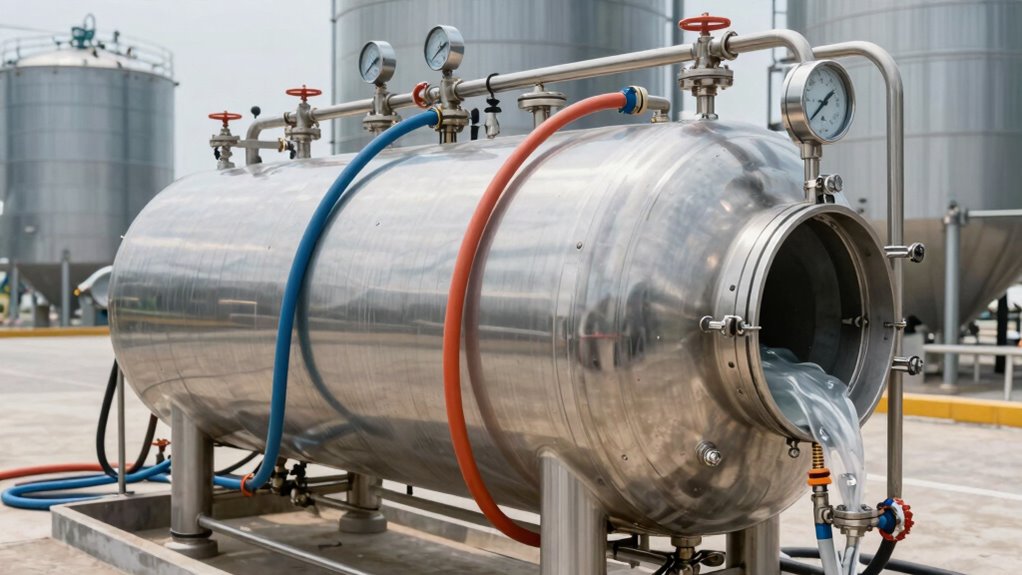
Have you ever wondered how nutrient solutions are prepared and mixed efficiently for agricultural or industrial use? It’s not just about pouring chemicals into a tank; it’s about optimizing the entire process to guarantee the right blend, consistency, and safety. That’s where nutrient mixing tanks come into play, especially once you realize the significance of scaling up from small, manual setups to larger, automated systems. These tanks are designed with hydrodynamic efficiency in mind, meaning they promote thorough mixing with minimal energy consumption. When you’re dealing with large volumes, poor flow dynamics can lead to dead zones or uneven distribution, which undermine the quality of your nutrient solution. By choosing tanks that optimize flow patterns, you guarantee each component is evenly dispersed, saving time and reducing waste. This is especially essential in industrial settings where uniformity directly impacts crop health or product quality. Additionally, understanding hydrodynamic efficiency can help you select equipment that maximizes mixing performance while minimizing operational costs. Properly designed tanks can also help in reducing the formation of stratification, which can compromise the entire batch. Incorporating flow optimization principles can further enhance the effectiveness of your mixing process, drawing on advanced hydrodynamic insights. Recognizing the importance of scaling up your mixing operations is essential to meet growing demands without sacrificing quality. Chemical compatibility is another essential factor you need to contemplate. Not all chemicals mix well together, and some combinations can cause corrosion or even hazardous reactions. A well-designed nutrient mixing tank takes this into account, using materials resistant to the specific chemicals you’re working with. Whether it’s stainless steel, high-density polyethylene, or other specialized materials, the compatibility prevents contamination and extends the lifespan of your equipment. Proper material selection also reduces maintenance costs and downtime, making your operation more efficient overall. Incorporating Chemical compatibility into your planning can prevent costly failures and safety issues down the line. As you scale up, the complexity of mixing increases. Small tanks are manageable with manual stirring or simple in-tank mixers, but larger tanks require advanced agitation systems that maintain homogeneity without introducing air bubbles or causing shear stress that could degrade sensitive nutrients. The right design ensures that each ingredient, whether salts, chelates, or other additives, integrates seamlessly into the solution. This consistency is indispensable for predictable results, especially when producing large batches for commercial purposes. Furthermore, employing advanced mixing technologies can optimize energy use and improve overall process control. Selecting the appropriate agitation method can significantly impact the energy efficiency and effectiveness of the mixing process.
Products Worth Considering

Garvee 6 × 8 ft Walk-In Polycarbonate Greenhouse

Husqvarna 330LK Gas String Trimmer

Takywep 6 x 9 ft Walk-In Greenhouse with Polycarbonate Panels
As an affiliate, we earn on qualifying purchases.
Frequently Asked Questions
What Are the Main Benefits of Large Nutrient Mixing Tanks?
Large nutrient mixing tanks offer significant benefits, including better algae prevention and improved chemical compatibility. They allow you to maintain consistent nutrient levels, reducing the risk of algae growth caused by uneven distribution. Plus, their size guarantees compatibility with various chemicals, minimizing reactions or contamination. By thinking big, you can optimize your nutrient management, leading to healthier crops or ecosystems and more efficient operations overall.
How Do Tank Size and Capacity Impact Nutrient Distribution?
You’ll find that larger tank size and capacity improve nutrient distribution by enabling more consistent mixing efficiency. With bigger tanks, you can choose durable tank materials like stainless steel or high-quality plastics that resist corrosion and guarantee reliable operation. This setup allows for better nutrient homogeneity, reducing dead zones and ensuring all plants get a balanced supply, ultimately boosting crop health and yield.
Are There Environmental Considerations With Bigger Tanks?
Yes, bigger tanks can have environmental impacts, especially if not managed properly. You need to take into account spill risks, leakage, and runoff that could harm local ecosystems. Regulatory compliance becomes essential, as you must adhere to environmental standards for waste and chemical management. Proper maintenance, leak-proof systems, and containment measures help minimize environmental impact, ensuring your operation stays compliant and sustainable while handling larger nutrient volumes.
What Maintenance Challenges Come With Large Nutrient Tanks?
You’ll face maintenance challenges like tank corrosion and sediment buildup with large nutrient tanks. Corrosion happens over time, especially if the tank material isn’t resistant to the chemicals stored inside. Sediment can accumulate at the bottom, leading to blockages or uneven mixing. Regular inspections, cleaning, and corrosion-resistant materials help mitigate these issues, ensuring your tank stays functional and efficient for long-term use.
How Cost-Effective Are Large Nutrient Mixing Tanks Over Time?
Large nutrient mixing tanks are highly cost-efficient over time because they reduce labor and resource costs through scalability. Although initial investments are higher, their ability to handle larger volumes minimizes frequent replacements and maintenance. However, you should be aware of scalability challenges, like ensuring proper mixing and preventing contamination. Overall, if managed well, these tanks save money by streamlining operations and boosting productivity in the long run.
Conclusion
Once you stop thinking small, nutrient mixing tanks reveal their true potential. Instead of tiny, inefficient setups, you see a powerful tool that transforms your operation. Like upgrading from a bicycle to a freight train, these tanks handle larger volumes effortlessly. It’s a leap from guesswork to precision, from frustration to confidence. Embrace the scale, and suddenly, your nutrient management becomes not just easier, but smarter—making big gains out of seemingly small beginnings.