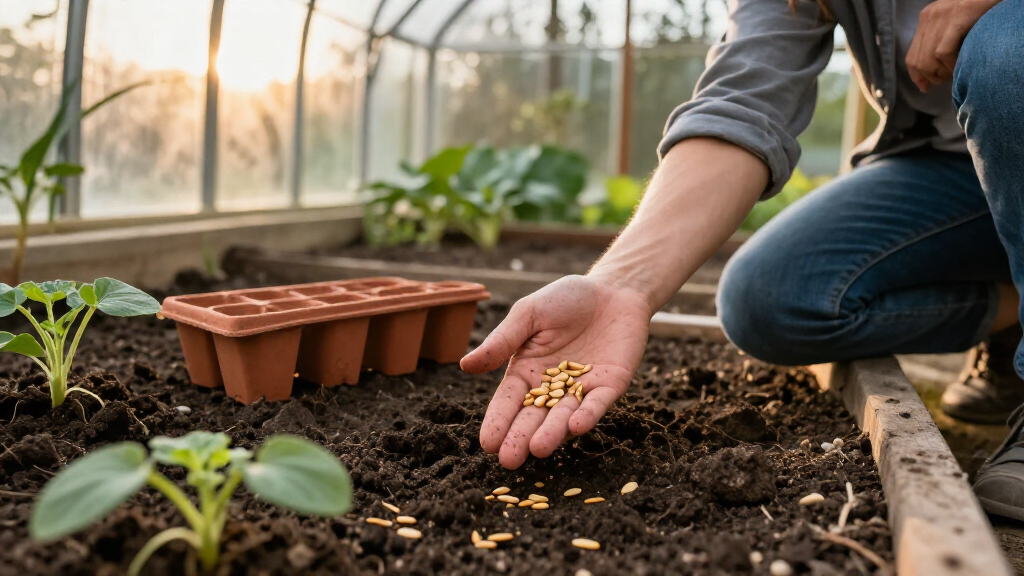
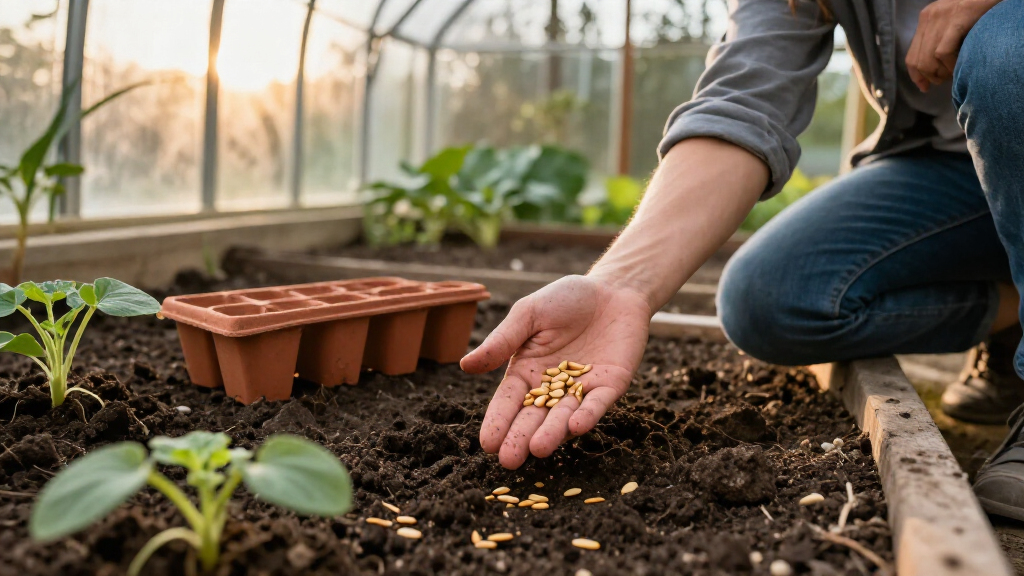
The best pumpkin seeds for planting depend on whether you want a giant showpiece, a compact pie pumpkin, or several varieties to try. I’d choose Big Max as the overall pick for gardeners prioritizing oversized fruit, while Sugar Pie and Heirloom Pumpkin Seeds, 4-Variety Pack stand out for cooking and variety, respectively. The main tradeoffs are fruit size versus garden space, seed quantity versus variety, and single-purpose choices versus a broader harvest. A large pumpkin can need room and a longer growing window, while smaller types are easier to fit into many home gardens. Read on for how I’d match each option to a different planting goal.

Get garden gear delivered free with Prime
- Fast, free delivery on millions of items
- Prime Video, Amazon Music and more included
- Member-only deals all year
Complete the kit


Key Takeaways
- Big Max is the clearest choice for giant-pumpkin ambitions, but its large-fruit goal calls for more garden room than compact pie varieties.
- Sugar Pie and Small Sugar focus on cooking-sized pumpkins, making them more suitable than giant types when kitchen use is the priority.
- The 4-variety pack and Sweet Yards 6-pack favor breadth; they make more sense for gardeners who want to compare crops than for anyone seeking one specific pumpkin type.
- Seed count changes the value calculation. The 100-count Spooky Blend suits a larger planting or shared garden better than a small plot with limited space.
- Jarrahdale adds a distinctive heirloom option, but a single-variety choice is a weaker fit for buyers who want several kinds of pumpkins from one purchase.
| Blue Jarrahdale Pumpkin Seeds for Planting, 1 Pack |  | Best for Blue-Gray Heirloom Pumpkins | Plant type: Pumpkin (Cucurbita maxima) | Seed count: 1 | Seed type: Heirloom, open-pollinated, non-GMO | VIEW LATEST PRICE | See Our Full Breakdown |
| Big Max Pumpkin Seeds for Planting, Heirloom, Non-GMO, 20 Seeds |  | Best for Giant Pumpkins | Seed count: 20 | Variety: Big Max pumpkin | Seed type: Heirloom, GMO-free | VIEW LATEST PRICE | See Our Full Breakdown |
| Sugar Pie Pumpkin Seeds, 40 Seeds, 6 g Pouch |  | Best for Cooking-Focused Gardeners | Seed count: 40 | Pouch weight: 6 g | Variety: Sugar Pie pumpkin | VIEW LATEST PRICE | See Our Full Breakdown |
| Seed Needs Spooky Blend Pumpkin Seeds, 100 Count |  | Best for Varied Fall Displays | Seed count: 100 | Pumpkin size: About 2–20 lb | Color: Mixed orange, white, and bicolored | VIEW LATEST PRICE | See Our Full Breakdown |
| Sow Right Seeds Small Sugar Pumpkin Seeds |  | Best for Beginner Pie-Pumpkin Growers | Brand: Sow Right Seeds | Plant type: Cucurbita pepo | Seed count: Approximately 45 seeds (5 g) | VIEW LATEST PRICE | See Our Full Breakdown |
| Heirloom Pumpkin Seeds, 4-Variety Pack |  | Best for a Mixed-Use Garden | Varieties: Small Sugar, Jack O’ Lantern, Fairytale, Casper | Quantity: 4 packs | Seed type: Heirloom, open-pollinated, non-GMO | VIEW LATEST PRICE | See Our Full Breakdown |
| Sweet Yards Organic Pumpkin and Winter Squash Seeds, 6-Pack |  | Best for Organic Variety | Brand: Sweet Yards | Seed packets: 6 | Varieties: New England Pie, Cinderella, Jack O’ Lantern, Casper, Big Max, Jarrahdale winter squash | VIEW LATEST PRICE | See Our Full Breakdown |
| pumpkin seeds for planting | Seed count | Seed type |
|---|---|---|
| Blue Jarrahdale Pumpkin Seeds | 1 | Heirloom, open-pollinated, non-GMO |
| Big Max Pumpkin Seeds for Plan | 20 | Heirloom, GMO-free |
| Sugar Pie Pumpkin Seeds | 40 | — |
| Seed Needs Spooky Blend Pumpki | 100 | Untreated; mostly open-pollinated and heirloom, with some hybrids |
| Sow Right Seeds Small Sugar Pu | Approximately 45 seeds (5 g) | — |
| Heirloom Pumpkin Seeds | — | Heirloom, open-pollinated, non-GMO |
| Sweet Yards Organic Pumpkin an | — | — |
More Details on Our Top Picks
Blue Jarrahdale Pumpkin Seeds for Planting, 1 Pack
Blue-gray skin and useful kitchen-quality flesh make Jarrahdale a distinctive choice for gardeners who want more than a standard orange pumpkin. Its sweet, smooth flesh suits baking, roasting, and soups, while the pumpkins can be stored for a long time. Compared with Big Max, which is selected for extreme size, this pick favors appearance, cooking versatility, and storage rather than giant fruit. The tradeoff is demanding vine space: plants can reach 15 feet, and the guidance calls for hills 5–6 feet apart. It also needs full sun, fertile loam, and steady watering. Direct sowing is recommended, though an early indoor start may help in short-season gardens. Choose it for distinctive harvests; skip it if your plot is cramped or watering is irregular.
Pros:- Blue-gray pumpkins offer a distinctive look for seasonal displays.
- Sweet, smooth flesh works for baking, roasting, and soups.
- Heirloom, open-pollinated, non-GMO, and untreated seed.
- Pumpkins are described as suitable for long storage.
Cons:- Vines can reach 15 feet and need substantial room.
- Requires full sun, fertile soil, and constant watering.
Best for: Gardeners with sunny, spacious plots who want blue-gray heirloom pumpkins for both autumn displays and cooking.
Not ideal for: Small-space growers or gardeners unable to provide fertile soil and consistent watering for spreading vines.
- Plant type:Pumpkin (Cucurbita maxima)
- Seed count:1
- Seed type:Heirloom, open-pollinated, non-GMO
- Seed treatment:Untreated
- Sunlight:Full sun
- USDA hardiness zones:3–9
- Expected plant height:15 feet
- Planting spacing:Mounds 5–6 feet apart; thin to 2–3 plants per hill
- Planting guidance:Direct sow; may be started indoors 3–4 weeks early in short growing seasons
Our verdict“Choose Jarrahdale if you have room for spreading vines and want a blue-gray heirloom with versatile cooking flesh.”
Big Max Pumpkin Seeds for Planting, Heirloom, Non-GMO, 20 Seeds
Big Max is the size-focused pick here, with pumpkins that can reach 100 pounds or more. That makes it a better fit for growers chasing oversized harvests than Blue Jarrahdale, whose appeal is its unusual color and cooking versatility. The 20-seed pack also gives gardeners more chances to grow a standout plant than Jarrahdale’s single seed. The main tradeoff is time and space: expect about 110 days to maturity, with plants spaced 48 inches apart and full sun required. Direct sowing in warm-season conditions suits gardeners who can wait for the harvest and have room for large fruit. The listing’s indoor-or-outdoor use does not remove the need for ample growing space, so this is a poor match for compact patios or short seasons.
Pros:- Can produce pumpkins weighing 100 pounds or more.
- Includes 20 seeds, offering multiple planting opportunities.
- Heirloom and GMO-free seed.
- Direct-sowing guidance is clear about warm-season planting.
Cons:- About 110 days to maturity can challenge short-season gardens.
- Requires full sun and 48 inches of spacing between plants.
- Very large pumpkins are less convenient for everyday kitchen use.
Best for: Experienced or enthusiastic growers with a long, warm season and room to raise oversized pumpkins for displays or contests.
Not ideal for: Gardeners with short summers, limited growing space, or a preference for smaller pumpkins suited to routine cooking.
- Seed count:20
- Variety:Big Max pumpkin
- Seed type:Heirloom, GMO-free
- Size at maturity:100+ pounds
- Days to maturity:About 110 days
- Light requirement:Full sun
- Sowing method:Direct sow
- Planting depth:1–1.5 inches
- Plant spacing:48 inches
Our verdict“Pick Big Max when oversized pumpkins matter more than an early harvest or compact growing habit.”
Sugar Pie Pumpkin Seeds, 40 Seeds, 6 g Pouch
Sugar Pie is the cooking-first choice for gardeners who want a compact pumpkin variety with sweet flesh for pies, purées, and soups. Its 40 seeds provide a larger planting supply than the Sow Right Seeds Small Sugar packet’s approximately 45 seeds only slightly less, while both target kitchen use; Sugar Pie’s listing specifically highlights uniform, compact pumpkins and includes planting instructions. The pouch is sealed to help preserve seed freshness, though the supplied data does not give a maturity window or spacing, making planning less precise than with Small Sugar’s stated 95–100 days. It still needs full sun and well-drained soil, and compact fruit does not mean the vines can be tucked into a tiny bed. Choose it for culinary harvests and a generous seed count, not for detailed growing specifications.
Pros:- Sweet flesh is suited to pies, purées, soups, and other cooking.
- 40 seeds support a substantial planting.
- Compact, uniform pumpkins are easier to handle than giant varieties such as Big Max.
- Includes planting instructions and comes in a sealed pouch intended to preserve freshness.
Cons:- Requires full sun and well-drained soil.
- Vines still need room to grow despite the compact fruit.
- No days-to-maturity or planting-spacing figure is provided.
Best for: Home cooks who want to plant a sizable batch of sweet-fleshed pumpkins for pies, purées, and soups.
Not ideal for: Gardeners who need a stated maturity date, exact spacing guidance, or a truly compact vine for a small plot.
- Seed count:40
- Pouch weight:6 g
- Variety:Sugar Pie pumpkin
- Growing conditions:Full sun and well-drained soil
- Brand:FAMILY SOWN
- Unit count:1
Our verdict“Choose Sugar Pie for a generous supply of cooking pumpkins, but favor Small Sugar if a stated maturity window matters to your plan.”
Seed Needs Spooky Blend Pumpkin Seeds, 100 Count
Variety is the point of this 100-seed blend: plants can yield pumpkins ranging from about 2 to 20 pounds, with orange, white, and bicolored rinds in several shapes and textures. That gives a fall display more visual range than the single-color Blue Jarrahdale, while avoiding Big Max’s emphasis on very large fruit. The tradeoff is less predictability: mixed seeds can produce different sizes and forms, and the blend is described as mostly open-pollinated and heirloom but includes some hybrids. Its untreated, non-GMO seeds come with sowing instructions in protective packaging. This is a strong choice for festive gardens, carving, and varied harvests, but it calls for full sun, rich fertile soil, and constant watering. Skip it if you need uniform fruit or have a low-maintenance site.
Pros:- 100 seeds provide a large supply for planting or sharing.
- Produces a mix of orange, white, and bicolored pumpkins in varied forms.
- Pumpkin sizes from about 2 to 20 pounds suit display and carving uses.
- Untreated, non-GMO seed packet includes sowing instructions.
Cons:- Mixed varieties make size, shape, and color less predictable.
- Seed blend includes some hybrids rather than being entirely heirloom and open-pollinated.
- Plants need full sun, fertile soil, and constant watering.
Best for: Families and gardeners planning a colorful Halloween display who welcome a mix of pumpkin sizes, colors, and shapes.
Not ideal for: Growers who need uniform pumpkins, a single predictable variety, or a garden that cannot support frequent watering.
- Seed count:100
- Pumpkin size:About 2–20 lb
- Color:Mixed orange, white, and bicolored
- Sunlight exposure:Full sun
- USDA hardiness zones:3–7
- Soil type:Rich and fertile
- Moisture needs:Constant watering; heavy feeders
- Seed type:Untreated; mostly open-pollinated and heirloom, with some hybrids
- Packet size:3.5 × 5 inches
Our verdict“Choose Spooky Blend for a varied autumn display, not for a uniform harvest or minimal-care garden.”
Sow Right Seeds Small Sugar Pumpkin Seeds
Small Sugar pairs a clear kitchen purpose with a useful growing timeline: its sweet, fine-grained flesh suits pies, breads, and soups, and the stated 95–100 days to maturity gives gardeners a planning marker that the Sugar Pie listing lacks. The approximately 45-seed packet also includes instructions, making it a practical starting point for a home plot. Compared with Big Max, this variety is geared toward manageable culinary pumpkins rather than fruit weighing 100 pounds or more. Its stated plant spread of 4–6 feet still calls for room, and the product description’s separate spacing guidance says 15–20 feet apart, so compact fruit should not be mistaken for compact planting needs. Full sun and regular watering remain necessary; short-season gardeners may still find the maturity window too long.
Pros:- Sweet, fine-grained flesh is suited to pies, breads, and soups.
- About 45 seeds and included instructions make it approachable for home planting.
- 95–100-day maturity estimate helps with season planning.
- Heirloom, non-GMO pumpkins can serve both cooking and decorative uses.
Cons:- The 95–100-day growing period may be too long for short-season areas.
- Vines spread 4–6 feet, with the listing also recommending 15–20 feet between plants.
- Needs full sun and consistent watering.
Best for: First-time pumpkin growers with sunny garden space who want a guided, sweet-fleshed variety for baking and small seasonal displays.
Not ideal for: Gardeners with very short growing seasons or tight plots unable to accommodate spreading vines and generous spacing.
- Brand:Sow Right Seeds
- Plant type:Cucurbita pepo
- Seed count:Approximately 45 seeds (5 g)
- Maturity days:95–100 days
- Germination time:6–12 days
- Plant height:10–18 inches
- Plant spread:4–6 feet
- Sunlight:Full sun
- USDA zones:3–12
Our verdict“Choose Small Sugar for a guided, culinary-focused first planting if your garden has enough room and season length.”
Heirloom Pumpkin Seeds, 4-Variety Pack
I’d choose this pack for a garden meant to supply more than one kind of pumpkin: Small Sugar suits cooking, while Jack O’ Lantern, Fairytale, and Casper broaden the choices for carving and seasonal displays. Compared with Sweet Yards’ six-variety collection, this one focuses on pumpkins rather than adding winter squash, and its variety-specific planting and seed-saving guidance is useful for gardeners who want to keep seed from open-pollinated plants. The seeds are untreated, non-GMO, and heirloom. The tradeoff is space and upkeep: plants may reach 15 feet, need full sun, and call for constant watering. I’d skip it for a small patio or a low-water garden, where the range of varieties may not offset the vines’ demands.
Pros:- Four pumpkin varieties cover cooking, carving, and decorative uses.
- Untreated, non-GMO, open-pollinated heirloom seeds.
- Packets provide variety-specific planting and seed-saving guidance.
- Suitable for garden beds, raised planters, and containers when space allows.
Cons:- Vines may spread up to 15 feet, which can crowd small gardens.
- Full sun and constant watering make it a demanding fit for dry or shaded sites.
Best for: Gardeners with a sunny bed or roomy raised planter who want pumpkins for cooking, carving, and seasonal decorating, plus guidance for saving seed.
Not ideal for: Container gardeners with very limited space or growers who cannot provide full sun and consistent watering.
- Varieties:Small Sugar, Jack O’ Lantern, Fairytale, Casper
- Quantity:4 packs
- Seed type:Heirloom, open-pollinated, non-GMO
- Seed treatment:Untreated
- Sunlight:Full sun
- Planting period:Spring
- USDA hardiness zones:3–9
- Expected plant height:Up to 15 feet
- Growing locations:Indoor or outdoor; garden beds, raised planters, or containers
Our verdict“Choose this pack if you have room for vigorous vines and want several heirloom pumpkins for both the kitchen and fall displays.”
Sweet Yards Organic Pumpkin and Winter Squash Seeds, 6-Pack
This collection suits gardeners who want a broad harvest plan rather than a pumpkin-only selection. Its six packets pair New England Pie and Jack O’ Lantern with decorative options such as Cinderella and Casper, a large-fruited Big Max, and Jarrahdale winter squash. Compared with the four-variety Heirloom Pumpkin Seeds pack, Sweet Yards adds squash and includes certified organic seeds; reusable zipper packaging also helps keep opened packets stored between sowings. The 120-day germination guarantee offers a clear remedy if the seeds fail to sprout. The main drawback is planning: the listed planting period is winter, a timing detail buyers should check against their local growing calendar before sowing. Regular watering is also required, and this mix may be more variety than someone seeking only pie pumpkins needs.
Pros:- Six varieties include both pumpkins and Jarrahdale winter squash for varied harvest uses.
- Certified organic, non-GMO, heirloom seeds.
- Reusable zipper packets and planting instructions support storage and sowing.
- 120-day germination guarantee provides a stated refund or replacement option.
Cons:- The listed winter planting period may not suit local growing calendars; check timing before planting.
- Regular watering is required throughout growth.
- The mixed pumpkin-and-squash selection is less focused for buyers who want only pie pumpkins.
Best for: Organic-minded gardeners who want several pumpkin types plus winter squash for baking, carving, and fall displays.
Not ideal for: Growers seeking a single dependable pie-pumpkin variety or anyone whose local planting schedule does not align with the listed winter planting period.
- Brand:Sweet Yards
- Seed packets:6
- Varieties:New England Pie, Cinderella, Jack O’ Lantern, Casper, Big Max, Jarrahdale winter squash
- Seed attributes:Certified organic, non-GMO, heirloom
- Sunlight exposure:Partial sun
- Moisture needs:Regular watering
- Expected planting period:Winter
- Soil type:Varied
- Germination guarantee:Refund or replacement within 120 days
Our verdict“Pick Sweet Yards if certified organic variety and a germination guarantee matter more than a pumpkin-only seed collection.”
How We Picked
I ranked these options by how clearly their seed type and pack format match common planting goals: giant display fruit, cooking, variety, or a larger number of seeds for a broader planting. I also weighed practical fit, including garden space, the number of plants a pack might support, and whether a focused variety or mixed selection gives the buyer more useful choice. A seed count alone does not determine value; gardeners need enough space and a plan for the resulting plants.
Big Max ranks first for its distinct giant-pumpkin purpose, while Sugar Pie and Small Sugar rise for gardeners focused on smaller cooking fruit. The multi-variety packs serve experimentation and broader selection, and the Spooky Blend stands out for its stated 100-count format. Jarrahdale offers a focused heirloom choice, but its narrow variety scope makes it less versatile than the mixed packs. Product names and pack details alone do not establish germination rates or growing performance, so I avoid treating those as proven outcomes.
| pumpkin seeds for planting | Seed type |
|---|---|
| Blue Jarrahdale Pumpkin Seeds | Heirloom, open-pollinated, non-GMO |
| Big Max Pumpkin Seeds for Plan | Heirloom, GMO-free |
| Sugar Pie Pumpkin Seeds | — |
| Seed Needs Spooky Blend Pumpki | Untreated; mostly open-pollinated and heirloom, with some hybrids |
| Sow Right Seeds Small Sugar Pu | — |
| Heirloom Pumpkin Seeds | Heirloom, open-pollinated, non-GMO |
| Sweet Yards Organic Pumpkin an | — |
Factors to Consider When Choosing Best Pumpkin Seeds For Planting
Before choosing seeds, match the variety to the harvest you actually want and the conditions you can provide. The right decision is not always the pack with the most seeds: space, growing season, intended use, and how much uncertainty you can tolerate all matter.
Start With Your Harvest Goal
Decide whether you want pumpkins for cooking, decoration, carving, or a size challenge before comparing packs. A variety meant for giant fruit is a poor match if you need several manageable pumpkins for the kitchen. Pie types can better suit recipes, while unusual heirloom choices may appeal to gardeners who value appearance and variety. Do not assume every decorative pumpkin is pleasant to eat or that every cooking variety will make a striking display. If you have more than one goal, choose a mixed pack only if you can give each plant enough room.
Check Space Before Choosing Large-Fruit Seeds
Pumpkins grow on sprawling vines, and large-fruit ambitions can take more room than a small bed provides. Check the seed seller’s growing directions for spacing and vine habits rather than relying on the pumpkin’s final size alone. Crowding can limit airflow and make routine watering, weeding, and harvest harder. A common mistake is planting every seed in a multi-count pack simply because it is available. Plan the number of plants first, then save or share the remaining seeds according to the packet’s storage guidance.
Compare Seed Count With Your Planting Plan
A larger count is useful when you are planting a sizable patch, sharing seeds, or allowing for germination uncertainty. It is less useful when you have room for only one or two vines. Remember that seed count is not the same as the number of pumpkins you will harvest; results depend on conditions, care, and pollination. Smaller packs can be a better fit when you want to test a variety without committing a large area. Compare pack quantity with your intended plant count, not with another package in isolation.
Treat Growing Season as a Selection Filter
Days to maturity and local frost dates can determine whether a variety has time to produce ripe fruit. Large pumpkins often need a longer growing window than smaller types, so a short season may favor a compact variety. Check the listed maturity information on the specific seed packet and compare it with your local planting calendar. Starting seeds indoors may help in some regions, but transplanting pumpkin seedlings can be disruptive if they are handled roughly. Avoid buying solely on fruit size or appearance before checking whether the variety fits your climate.
Choose Between a Single Variety and a Mix
A single-variety pack keeps the planting goal focused and makes it easier to plan around one type of fruit. A mixed pack offers a chance to compare shapes, colors, or uses, but you may need to track which plants are which as they grow. Different varieties can also have different space or maturity needs, so read each packet’s instructions rather than applying one schedule to the whole patch. Mixes are a strong fit for curious gardeners and shared gardens; they are less useful if you need a predictable crop for a specific recipe. If consistent results matter, a clearly identified single variety may be the simpler choice.
Read the Seed Packet, Not Just the Product Name
Names such as heirloom, organic, and non-GMO describe different claims and do not tell you everything about germination, storage, or suitability for your garden. Look for clear details on variety, seed count, planting depth, spacing, and maturity. Check whether the packet gives a packed-for or sell-by date and follow its storage advice if you are saving unused seeds. Do not treat a broad label as a guarantee of a particular harvest size or flavor. When the listing leaves a practical detail unclear, use the packet information or ask the seller before planting.
Frequently Asked Questions
Should I choose Big Max if my garden is small?
Only if you can give its vines room to spread and have a growing season that suits the variety’s requirements. Giant-pumpkin goals tend to demand more space and attention than growing a few compact cooking pumpkins. Check the packet’s spacing and maturity details against your available bed and local frost dates. If you cannot support a sprawling plant, a small pie type is usually a more practical match. You can also grow a single vine at the edge of a garden, though it may still spread beyond the bed.
Are Sugar Pie and Small Sugar interchangeable for cooking?
Both names point buyers toward smaller pumpkins associated with cooking, but they are separate seed options and should not be assumed to have identical growth or harvest traits. Check each packet for its variety description, maturity timing, and expected fruit characteristics. If you are planting for a recipe, choose based on the amount and type of fruit you want rather than the name alone. Growing a small number of each can help you compare them, provided you have room for the vines. Do not rely on a product title as a substitute for the packet’s growing details.
Is a mixed pumpkin seed pack a good choice for a first garden?
A mix can be a fun way to see different pumpkin types, but it may require more record-keeping than a single-variety pack. Label planting locations so you can identify each type later, and check whether the packet provides separate instructions for the varieties. Mixed packs are a better fit when you have enough space to grow several vines and are comfortable with a less uniform harvest. If your first priority is a straightforward cooking crop, a clearly identified pie variety may be easier to plan. Start with fewer plants than the pack contains if garden space is limited.
How many pumpkin seeds should I plant for a small household?
Base the number on the space available, the variety’s vine spread, and how many pumpkins you want, rather than planting every seed in the packet. A small garden may have room for only one or two vines, particularly when the plants can sprawl beyond their starting spot. Planting a few extra seeds for germination uncertainty can make sense, but thin seedlings according to the packet directions. If you have unused seeds, follow the seller’s storage guidance and check their viability before relying on them in a later season. A high seed count is most useful when you can share seeds or grow a larger patch.
Can I save seeds from these pumpkins to plant next year?
That depends on the variety and how it was produced; seeds saved from hybrid plants may not grow true to type. Even with heirloom varieties, pumpkins can cross-pollinate with nearby squash, which can affect the traits of saved seed. Check the packet for information about the variety and seed-saving suitability before setting seeds aside. If preserving a particular type matters, follow a reliable isolation and seed-drying method rather than saving seeds casually from the kitchen. Buying fresh seed each season is the simpler route when predictable variety traits matter most.
Conclusion
For most gardeners seeking a distinct planting goal, Big Max is my best overall pick, provided there is room for a large-vine crop. For best value by purpose, I’d look first at Sugar Pie when cooking is the priority, rather than paying for more seeds or varieties you cannot use. For beginners, Small Sugar is the most approachable direction when a compact, cooking-focused harvest matters more than giant fruit. Gardeners after a broader selection should choose the 4-variety pack or Sweet Yards 6-pack, while the 100-count Spooky Blend suits a larger planting or seed sharing. Pick Jarrahdale for a focused heirloom choice, and skip giant or high-count packs if your garden has little space.