
TL;DR
Thanksgiving cacti can flower around late November when they receive bright, indirect light and long, uninterrupted nights in autumn. Keep the soil moist but not waterlogged, use a pot with drainage, and provide cool, steady conditions while buds form.
Thanksgiving cacti can produce their signature flowers around late November, but getting blooms on schedule depends on autumn conditions: the plants need long nights, bright light during the day and consistent temperatures. A care guide also advises keeping their soil moist without letting water collect around the roots, which can lead to rot.

Get garden gear delivered free with Prime
- Fast, free delivery on millions of items
- Prime Video, Amazon Music and more included
- Member-only deals all year
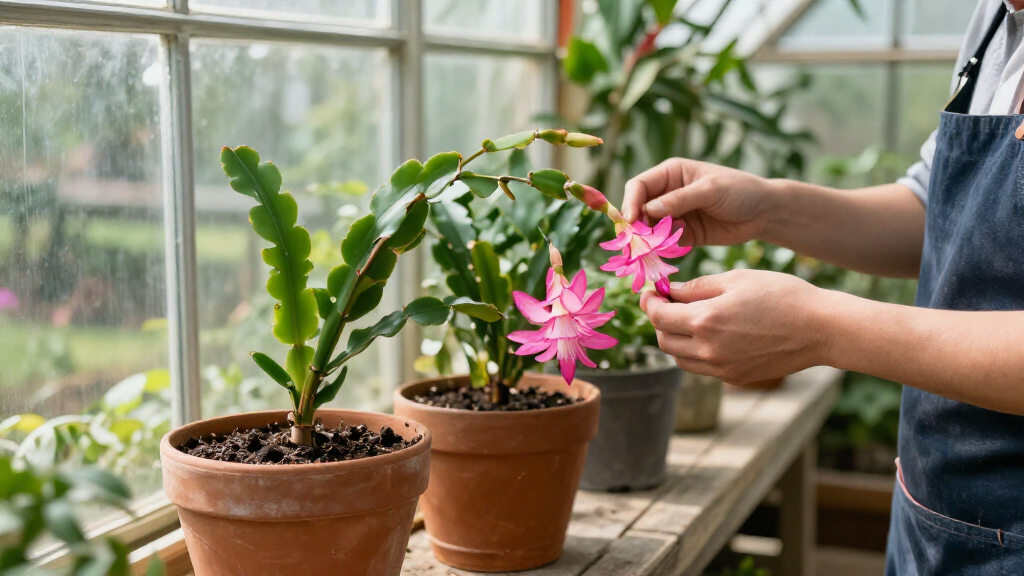
Despite its name, the Thanksgiving cactus is a tropical plant native to Brazil, not a desert cactus. Its flat stem segments have toothed edges and pointed tips, and its tubular flowers may be red, pink, white or yellow. It is related to Christmas cacti and Easter cacti, which typically bloom around their respective holidays. Outdoors, Thanksgiving cacti are suited to USDA Hardiness Zones 10–12; indoors, they can be grown in other climates.
Place the plant in bright, indirect light, as detailed in this guide to positioning a Christmas cactus. A north- or east-facing window is one option; a shaded south- or west-facing window can also work. Too much direct sun may turn the stems yellow. During the flowering period, the plant needs a daily stretch of darkness: the guidance from Michigan State University Extension says buds need at least 13 hours of darkness, alongside bright light when the plant is uncovered.
Use a well-draining potting mix and a container with drainage holes. Keep the soil consistently moist, but not soaked or completely dry to the touch. Thanksgiving cacti are susceptible to root rot when they sit in water. The guide says they can remain root-bound and generally do not need repotting for about two to three years; these Christmas cactus care kits may also help support healthy plants.
How to care for a Thanksgiving cactus for timely blooms
Autumn light, long nights and steady temperatures can support holiday flowers. Keep the tropical plant moist, with good drainage.
Set up autumn conditions
Long, uninterrupted nights and bright light during the day help prepare the plant to flower.
Give the plant at least 13 hours of darkness each day.
Place it in bright, indirect light during the remaining hours.
Maintain 55–65°F while buds develop and avoid sharp changes in conditions.
Give roots the right balance
This tropical cactus prefers moisture, but standing water can damage its roots.
- Keep soil consistently moist.
- Use well-draining potting mix.
- Choose a pot with drainage holes.
- Waterlogged soil or standing water.
- Letting soil become completely dry.
- Too much direct sun, which may yellow stems.
Routine care through the year
Choose a shaded window
North- or east-facing windows can work; shade south- or west-facing windows.
Pause in late summer
The guide recommends monthly fertilizer and stopping in late summer to support fall flowering.
Let it stay root-bound
Repotting is generally not needed for about two to three years.
Use stem cuttings
In spring or summer, let a cutting with three to five joints dry for a day, then plant it about an inch deep in moist soil.
Autumn Darkness Sets Up Blooms
For people hoping for flowers during the holiday season, the timing of care matters as much as the plant’s usual watering routine. The guidance recommends starting a bloom-inducing schedule in late September or early October: provide at least 13 hours of darkness each day, bright light during the remaining hours, and temperatures around 55 to 65 degrees Fahrenheit while buds develop. This differs from the warmer daytime conditions suggested for ordinary care.
The advice gives growers a practical way to improve the chance of seasonal flowers, but it does not promise that every plant will bloom on a particular date. Light exposure, temperature and the plant’s condition all affect bud formation. Maintaining steady conditions can also help avoid common problems such as yellowing from excessive sun or root damage from standing water.
Products Worth Considering

EGO POWER+ LB7654 Cordless Electric Leaf Blower with 5.0Ah Battery

VEVOR Walk-In Tunnel Greenhouse with Watering System, 15 x 7 x 7 ft

Blackstone 22-Inch Tabletop Griddle with Stainless Steel Faceplate
As an affiliate, we earn on qualifying purchases.
A Tropical Holiday Cactus
The Thanksgiving cactus is one of several holiday cacti, named for the season when its flowers commonly appear. Its tropical origins explain why it does not share the dry-soil needs many people associate with desert cacti: it prefers moist, well-drained soil and a humid, warm environment. Typical household temperatures can be suitable, though the care guidance advises avoiding temperatures above 80 degrees or below 55 degrees; it gives 75 to 80 degrees as an ideal daytime range for routine care, citing the University of Wisconsin–Madison Horticulture Department.
Regular feeding is another part of the guide’s care advice. It recommends monthly fertilizer and notes that holiday cacti need more magnesium than many houseplants. The Home and Garden Information Center suggests adding one teaspoon of Epsom salts per gallon of water, but not during the same week as fertilizer. The guide advises stopping fertilizer in late summer to support fall flowering.
Pruning in late spring or early summer can encourage new growth, according to the care guidance. Cut stem segments can also be used to propagate the plant. For propagation, it recommends setting cuttings with three to five stem joints aside for a day, then placing them about an inch deep in moist soil during spring or summer, when the plant is actively growing.
“Thanksgiving cacti need at least 13 hours of total darkness each day for buds to develop.”
— Michigan State University Extension
Bloom Dates Can Vary
The care recommendations describe conditions that support bud formation, not a guarantee of flowers by Thanksgiving. The exact bloom date for an individual plant is not specified and may depend on its light exposure, temperature and growing conditions. The guidance also gives different temperature ranges for routine daytime care and the period when buds are forming, so growers should distinguish general maintenance from the cooler bloom-induction schedule.
The pet guidance says Thanksgiving cacti are not considered toxic to dogs and cats, but eating large amounts may still cause vomiting, diarrhea or decreased appetite. The amount that could trigger symptoms is not specified. Keeping the plant out of reach remains prudent.
Begin the Autumn Bloom Routine
Growers seeking flowers around the holiday season can begin the long-night routine in late September or early October, keeping the plant in darkness for at least 13 hours each day and providing bright light during the rest of the day. Maintain temperatures between 55 and 65 degrees Fahrenheit while buds develop, and avoid moving the plant between sharply different conditions where possible.
After flowering, return to the plant’s normal care: indirect light, moist but well-drained soil, and appropriate household temperatures. Check that the pot drains freely, and do not leave water standing in its saucer. In spring or summer, stems can be pruned or used as cuttings for propagation. Monitor pets to prevent chewing, even though the plant is not classified as toxic to them.
Source: rss
Key Questions
How much darkness does a Thanksgiving cactus need to bloom?
The Michigan State University Extension guidance says buds need at least 13 hours of darkness each day, with bright light during the remaining hours.
How often should I water a Thanksgiving cactus?
Keep the soil consistently moist but not waterlogged. Do not let it remain bone dry, and make sure excess water can drain from the pot to reduce the risk of root rot.
When should I start encouraging blooms?
The guidance recommends starting in late September or early October for flowers around the holiday season, using long nights and cooler temperatures while buds form.
Are Thanksgiving cacti safe for cats and dogs?
They are described as non-toxic to cats and dogs. However, eating large amounts may cause vomiting, diarrhea or reduced appetite, so pets should not be allowed to chew the plant.
Can I propagate a Thanksgiving cactus from cuttings?
Yes. In spring or summer, take a cutting with three to five stem joints, let it dry for a day, and plant it about an inch deep in moist soil.
Source: housebeautiful.com