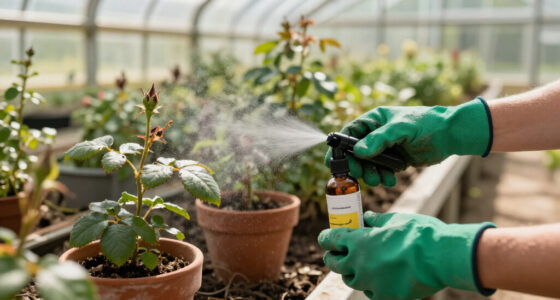
The best garden fertilizers match their nutrient release and application style to your plants, soil, and routine. I’d choose Down To Earth Organic Vegetable Garden Fertilizer as the best overall starting point for its balanced 4-4-4 formula and vegetable-garden focus. Osmocote Smart-Release stands out for gardeners who want less frequent feeding, while Southern Ag PowerPak 20-20-20 suits those seeking a concentrated, water-soluble option. The main tradeoffs are organic versus synthetic ingredients, fast versus gradual feeding, and targeted formulas versus all-purpose flexibility. Read on for the full breakdown, selection criteria, and guidance for matching a fertilizer to your garden.

Get garden gear delivered free with Prime
- Fast, free delivery on millions of items
- Prime Video, Amazon Music and more included
- Member-only deals all year
Complete the kit


Key Takeaways
- Balanced formulas suit mixed beds: Down To Earth’s 4-4-4 profile makes it a strong general pick for vegetable gardens, while a crop-specific formula may better match tomatoes or fruiting plants.
- Release speed changes the workload: Osmocote is designed for gradual feeding; water-soluble picks such as Southern Ag PowerPak call for more frequent, schedule-based applications.
- Concentration is not the same as convenience: Liquid and water-soluble fertilizers can be simple to distribute, but they require measuring and mixing more often than granular choices.
- Organic options vary in purpose: Fish-based liquids, granular blends, and worm castings are not interchangeable; each brings a different nutrient profile and way of feeding.
- Package size should match garden scale: Large bags such as GreenView’s 33-pound option suit broad coverage better than small containers, while compact packs can reduce leftovers for limited beds or containers.




| garden fertilizer | Brand | Form | Weight | NPK ratio |
|---|---|---|---|---|
| Down To Earth Organic Vegetabl | Down To Earth | Granules | 5 lb (80 oz) | 4-4-4 |
| Dr. Earth Organic 5 Tomato | Dr. Earth | Granules | 4 lb (64 oz) | — |
| Alaska Fish Fertilizer for Pla | Alaska | Liquid | — | — |
| Southern Ag PowerPak 20-20-20 | Southern Ag | Granules; water-soluble for application | 5 lb (80 oz) | — |
| Miracle-Gro Water Soluble All | Miracle-Gro | — | 1.5 lb | 24-8-16 |
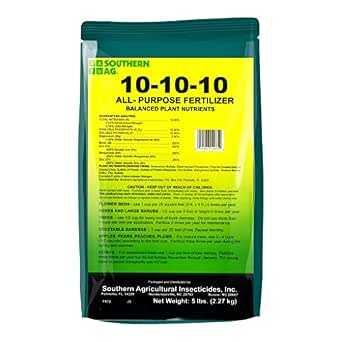
| GreenView Multi-Purpose Fertil | — | Granules | 33 lb | 10-10-10 |
| GARDENWISE 10-10-10 Slow-Relea | GARDENWISE | Granules | 16 oz | 10-10-10 |
| Osmocote Smart-Release Plant F | Osmocote | Granules | 1 lb. (16 oz.) | 14-14-14 |
| Southern Ag All Purpose Granul | Southern Ag | Granular | 5 lb. (80 oz.) | 10-10-10 |
| Miracle-Gro Garden Feeder with | Miracle-Gro | — | — | — |
| Jobe’s Organics Granular Ferti | Jobe’s Organics | Granules | 4 lb | 2-5-3 |
| Neptune’s Harvest Fish & Seawe | Neptune’s Harvest | Liquid | — | — |
| Jobe’s Organics All-Purpose Gr | Jobe’s Organics | Granules | 16 lb | 4-4-4 |
| Farmer’s Secret Fruit & Bloom | Farmer’s Secret | — | — | — |
| Brut Organic Worm Castings for | Brut Worm Farms | — | 5 lb | — |
More Details on Our Top Picks
Down To Earth Organic Vegetable Garden Fertilizer, 4-4-4, 5 lb
I’d choose this balanced organic granular fertilizer for a vegetable bed where gradual feeding matters more than rapid results. Its 4-4-4 analysis suits a mix of vegetables, herbs, and greens, and the granules can be worked into the soil or applied directly. Compared with Dr. Earth Organic 5 Tomato, Vegetable & Herb Fertilizer, this pick emphasizes a straightforward, balanced formula rather than calling out added microbial and mycorrhizal strains. That makes it a simpler fit for general raised-bed use, though it offers less specific information about soil biology. Its main limitation is its narrow focus: gardeners seeking one fertilizer for lawns, houseplants, and ornamental beds should look to a broader-use option such as Southern Ag PowerPak 20-20-20. The 5-pound package also makes more sense for a home plot than a large growing area.
Pros:- Balanced 4-4-4 analysis suits a variety of vegetables, herbs, and greens.
- Granular formula releases nutrients gradually.
- Can be applied directly to soil or mixed into garden beds.
- Organic materials and a formulation described as safe for pets and beneficial insects when used as directed.
Cons:- Vegetable-garden focus makes it less versatile for lawns and ornamental plants.
- Gradual nutrient delivery is less suited to gardeners seeking an immediate feeding response.
Best for: Home gardeners maintaining raised vegetable beds with a mix of vegetables, herbs, and leafy greens who prefer organic granular feeding.
Not ideal for: Gardeners seeking a single fertilizer for lawns, houseplants, and ornamental plantings, or those who need fast liquid feeding.
- Brand:Down To Earth
- Product type:Organic fertilizer
- Form:Granules
- NPK ratio:4-4-4
- Weight:5 lb (80 oz)
- Application:Apply directly to soil or mix into garden beds
- Suitable plants:Vegetables, herbs, greens, tomatoes, and raised beds
- Model number:100532059
Our verdict“Choose this for gradual, balanced organic feeding in raised vegetable beds, but pick a broader-use formula for a mixed ornamental garden.”
Dr. Earth Organic 5 Tomato, Vegetable & Herb Fertilizer, 4 lb
This is my pick for gardeners who want an organic granular fertilizer with more than a basic nutrient blend. Seven strains of beneficial soil microbes and eight strains of mycorrhizae set it apart from the simpler 4-4-4 formula in Down To Earth Organic Vegetable Garden Fertilizer, while its several-month feeding period reduces the need for frequent reapplication. It is aimed squarely at tomatoes, vegetables, and herbs, so it makes more sense in a productive food garden than as an all-purpose yard fertilizer. The product description also excludes GMOs, chicken manure, and sewage sludge, which may matter to buyers comparing organic formulas. The tradeoff is that the supplied product details do not provide application rates, making it harder to plan use than a product with clear mixing directions. Its crop-specific scope is narrower than Alaska Fish Fertilizer.
Pros:- Includes seven strains of beneficial soil microbes and eight strains of mycorrhizae.
- Feeds plants for several months.
- Organic and natural formula excludes GMOs, chicken manure, and sewage sludge.
- Designed for tomatoes, vegetables, and herbs.
Cons:- Crop-specific use is less versatile than Alaska Fish Fertilizer.
- Application rates and detailed directions are not provided in the supplied product information.
Best for: Organic vegetable gardeners growing tomatoes and herbs who want a granular feed with added soil microbes and a multi-month feeding period.
Not ideal for: Buyers who need a clearly specified application rate or one fertilizer for a broad mix of lawn, ornamental, and indoor plants.
- Brand:Dr. Earth
- Model:704P
- Weight:4 lb (64 oz)
- Form:Granules
- Uses:Tomatoes, vegetables, and herbs
- Beneficial soil microbes:Seven strains
- Mycorrhizae:Eight select ecto- and endo-mycorrhizal strains
- Feeding duration:Several months
- Excluded ingredients:GMOs, chicken manure, and sewage sludge
Our verdict“Pick this for a tomato and vegetable garden where added microbes and longer feeding are priorities, provided you can confirm the application directions.”
Alaska Fish Fertilizer for Plants, OMRI Listed, 5-1-1
Among these options, Alaska Fish Fertilizer is the clearest choice when a garden includes food crops and ornamentals. Its OMRI Listed liquid fish formula covers vegetables, flowers, shrubs, trees, fruit, seedlings, and container plants—far broader than Down To Earth’s vegetable-focused granular blend. The 5-1-1 analysis and water-mixing format suit gardeners who want to apply a liquid feed across different plantings, while the stated schedule of every three weeks is less frequent than Miracle-Gro Water Soluble All Purpose Plant Food’s outdoor schedule of every 7 to 14 days. That broader reach comes with a chore: it must be mixed before application, and feeding still requires regular attention through the growing season. Buyers seeking a granular, soil-incorporated approach may prefer Down To Earth instead.
Pros:- OMRI Listed for organic use.
- Suitable for vegetables, flowers, perennials, shrubs, trees, fruit, and container plants.
- Liquid concentrate can be mixed with water for application.
- Recommended every three weeks during the growing season, less often than Miracle-Gro’s outdoor schedule.
Cons:- Requires mixing with water before application.
- Needs repeat applications every three weeks during the growing season.
- The broad range of target plants may be less tailored to a specific crop than a vegetable-focused granular fertilizer.
Best for: Organic-minded gardeners who feed a varied mix of vegetables, flowers, shrubs, trees, fruit, and container plants with a liquid application.
Not ideal for: Gardeners who want a ready-to-apply granular product or prefer to avoid mixing and recurring seasonal applications.
- Brand:Alaska
- Model number:100551778
- Fertilizer analysis:5-1-1
- Form:Liquid
- Certification:OMRI Listed for organic use
- Application:Mix with water and apply to plants
- Recommended frequency:Every 3 weeks during the growing season
- Coverage:1,000 square feet
- Target plants:Vegetables, flowers, perennials, shrubs, trees, fruit, and container plants
Our verdict“Choose Alaska Fish Fertilizer for organic liquid feeding across a mixed garden, but select a granular product if you want to skip water mixing.”
Southern Ag PowerPak 20-20-20 Water-Soluble Fertilizer with Micronutrients, 5 lb
Southern Ag PowerPak stands out for gardeners who want a high-analysis, balanced 20-20-20 formula that can serve many kinds of plants. It includes chelated minor elements and works as either a spray or a drench, giving it wider utility than Down To Earth Organic Vegetable Garden Fertilizer, which is focused on food beds. Compared with Miracle-Gro Water Soluble All Purpose Plant Food, PowerPak has a 20-20-20 analysis rather than a 24-8-16 formula, so the nutrient balance differs; neither is a universal answer for every plant or soil condition. This option is also not described as organic, unlike Alaska Fish Fertilizer. The practical drawback is the need to measure and mix it, and the listed coverage figure has no unit, limiting its usefulness for planning how far a package will go.
Pros:- Balanced 20-20-20 nutrient analysis.
- Contains chelated minor elements.
- Suitable for flowers, roses, vegetables, shrubs, trees, lawns, and houseplants.
- Can be applied as a spray or drench.
Cons:- Must be mixed with water before application.
- The listed coverage value does not specify a unit.
- Not identified as an organic fertilizer, unlike Alaska Fish Fertilizer.
Best for: Gardeners who feed flowers, vegetables, shrubs, trees, lawns, and houseplants and want a soluble fertilizer with equal NPK percentages and added micronutrients.
Not ideal for: Organic-only gardeners, buyers wanting ready-to-use granules, or anyone who needs clear coverage information to plan applications.
- Brand:Southern Ag
- Model:20-20-20
- Weight:5 lb (80 oz)
- Nutrient analysis:20% nitrogen, 20% phosphorus (P₂O₅), 20% potassium (K₂O)
- Additional nutrients:Chelated minor elements
- Form:Granules; water-soluble for application
- Application method:Spray or drench
- Mixing ratio:2 teaspoons per gallon of water
- Intended uses:Flowers, roses, vegetables, shrubs, trees, lawns, and houseplants
Our verdict“Choose PowerPak for a soluble, broad-use 20-20-20 feed with micronutrients, but skip it if organic certification or clear coverage data is a priority.”
Miracle-Gro Water Soluble All Purpose Plant Food, 1.5 lb
Miracle-Gro is the pick here for gardeners who value a water-soluble feed designed to work instantly across indoor and outdoor plants. Its 24-8-16 NPK ratio differs from Southern Ag PowerPak’s even 20-20-20 balance, with more nitrogen relative to phosphorus and potassium; the right choice depends on the garden and feeding plan, not a single formula being best for every plant. It can serve flowers, vegetables, houseplants, roses, trees, and shrubs, making it more flexible than the crop-specific Dr. Earth Organic 5. The tradeoff is a frequent schedule: outdoor plants need feeding every 7 to 14 days, and indoor plants every two weeks. Mixing is required for both settings, so gardeners who prefer a slower-release granular product may find this routine too hands-on.
Pros:- Water-soluble formula is designed to work instantly.
- Suitable for a broad range of indoor and outdoor plants.
- Can be used with container plants or in-ground gardens.
- Provides separate indoor and outdoor mixing directions.
Cons:- Requires mixing with water before each application.
- Outdoor plants need feeding every 7 to 14 days.
- More frequent feeding can demand more upkeep than the multi-month Dr. Earth Organic 5 formula.
Best for: Gardeners caring for a mix of indoor and outdoor plants who want a fast-acting soluble fertilizer and are comfortable with frequent scheduled feeding.
Not ideal for: Gardeners seeking slow-release granules, a less frequent outdoor feeding schedule, or an organic-certified formula.
- Brand:Miracle-Gro
- Product type:Water-soluble plant fertilizer
- Weight:1.5 lb
- NPK ratio:24-8-16
- Application:Mix with water
- Indoor mixing rate:1/2 teaspoon per gallon of water
- Outdoor mixing rate:1 1/2 tablespoons per 1 1/2 gallons of water
- Feeding intervals:Every 2 weeks indoors; every 7 to 14 days outdoors
- Coverage:Approximately 600 sq. ft.
Our verdict“Pick Miracle-Gro for fast soluble feeding across indoor and outdoor plants if you are willing to mix and reapply on a regular schedule.”
GreenView Multi-Purpose Fertilizer 10-10-10, 33 lb
For a garden with vegetables, flowers, trees, and shrubs to feed, GreenView’s 33-pound bag offers a balanced 10-10-10 formula in a quantity suited to broader coverage. Its granules work with a broadcast or drop spreader, making it a more practical fit for sizable areas than the smaller Southern Ag 10-10-10 bag. The same general-purpose formula also avoids specializing in a single plant group, though it gives less targeted feeding than Osmocote’s 14-14-14 product for flowers and vegetables.
The main drawback is uncertainty around coverage: the supplied details list both 3,300 and 10,000 square feet, and application needs vary by plant type. I would check the package label before calculating how much to apply; gardeners wanting a clearly stated feeding duration should look at GARDENWISE or Osmocote instead.
Pros:- Balanced 10-10-10 formula suits a broad mix of garden plants
- Large 33-pound bag is suited to extensive plantings
- Compatible with broadcast and drop spreaders
- Listed for vegetables, flowers, trees, shrubs, and ornamental gardens
Cons:- Product details give conflicting coverage figures of 3,300 and 10,000 square feet
- Application rates vary by plant type, so the label needs to guide use
- Granular application requires a spreader for convenient treatment of large areas
Best for: Gardeners feeding multiple types of plants across a large area who already have a broadcast or drop spreader
Not ideal for: People with a small garden, or anyone who needs dependable coverage calculations without checking conflicting product details
- NPK ratio:10-10-10
- Weight:33 lb
- Form:Granules
- Application method:Broadcast or drop spreader
- Target plants:Vegetables, flowers, trees, shrubs, and ornamental gardens
- Stated coverage:3,300 sq. ft. in title; product details also state 10,000 sq. ft.
Our verdict“Choose GreenView for broad, spreader-applied feeding across a large mixed garden, but verify the coverage instructions on the bag first.”
GARDENWISE 10-10-10 Slow-Release Granular Plant Fertilizer, 16 oz
GARDENWISE pairs balanced 10-10-10 nutrients with feeding for up to eight weeks, a useful combination for gardeners who want a small, multipurpose bag rather than the bulk format of GreenView. Quick-release nitrogen provides an initial boost while the slow-release formula continues feeding, and the product is listed for indoor and outdoor plants, including potted plants and lawns. That range makes it more flexible across settings than Osmocote, which is presented primarily for flowers, vegetables, fruits, herbs, and perennials.
The 16-ounce package is the limiting factor: its coverage depends on plant and soil conditions, and the product may need reapplication during the growing season. Unlike Osmocote’s stated feeding period of up to four months, GARDENWISE tops out at eight weeks, so it suits smaller jobs and shorter feeding intervals better than gardeners seeking a long stretch between applications.
Pros:- Balanced 10-10-10 nutrient formula
- Slow-release feeding lasts up to eight weeks
- Quick-release nitrogen provides an initial boost
- Listed for indoor and outdoor plants, including potted plants and lawns
Cons:- Small 16-ounce bag limits how much ground it can cover
- Actual coverage depends on soil and plant conditions
- May need reapplication during the growing season
Best for: Container gardeners and people with a small mix of indoor and outdoor plants who want a balanced granular feed
Not ideal for: Gardeners treating large beds or looking for several months of feeding from one application
- Brand:GARDENWISE
- NPK ratio:10-10-10
- Form:Granules
- Weight:16 oz
- Volume:0.5 quarts
- Feeding duration:Up to 8 weeks
- Suitable plants:Indoor and outdoor vegetables, fruits, flowers, trees, shrubs, lawns, and potted plants
- Application:Spread granules and water them in
Our verdict“Pick GARDENWISE for a small, varied planting where eight-week feeding and indoor-outdoor flexibility matter more than long coverage.”
Osmocote Smart-Release Plant Food for Flowers and Vegetables, 1 lb.
Osmocote’s standout advantage is feeding for up to four months, longer than GARDENWISE’s stated eight weeks and a better fit for gardeners who prefer fewer repeat applications. Its 14-14-14 formula is also stronger in each listed NPK component than the 10-10-10 options from GreenView and Southern Ag. The product is aimed at flowers, vegetables, fruits, herbs, and perennials, with granules mixed into the top one to three inches of soil to place the feed near the root zone.
That method takes more effort than simply broadcasting Southern Ag’s granules over an area, and one pound covers about 40 square feet, so this is not the bulk choice for a large garden. Its appeal is targeted, extended feeding in smaller beds or containers—not quick, hose-based application or broad acreage coverage.
Pros:- Feeds plants for up to four months
- 14-14-14 formula supports root and above-ground growth
- Suitable for flowers, vegetables, fruits, herbs, and perennials
- Stated application rate helps plan use across small areas
Cons:- Must be mixed into the top 1–3 inches of soil
- Coverage is approximately 40 square feet per pound
- Shorter stated coverage per package than GreenView’s large-format bag
Best for: Gardeners feeding flowers, vegetables, herbs, or perennials in a modest bed who want fewer applications
Not ideal for: People treating large areas, or gardeners who prefer surface broadcasting over mixing fertilizer into the soil
- Brand:Osmocote
- NPK ratio:14-14-14
- Form:Granules
- Weight:1 lb. (16 oz.)
- Coverage:Approximately 40 sq. ft. per pound
- Application rate:1 capful per 4 sq. ft.
- Application method:Mix into the top 1–3 inches of soil
- Feeding duration:Up to 4 months
- Target plants:Flowers, vegetables, fruits, herbs, and perennials
Our verdict“Choose Osmocote for small flower and edible beds where extended feeding outweighs the extra work of mixing granules into the soil.”
Southern Ag All Purpose Granular Fertilizer, 10-10-10, 5 lb
Southern Ag’s clearest advantage is its plant-specific application guidance: the product gives amounts for vegetable gardens and flowerbeds, roses and large shrubs, and fruit trees. That makes it easier to plan a smaller mixed planting than GreenView, whose supplied coverage figures conflict. Its uniform 10-10-10 granules are broadcast over the area and watered in, and the listed minor elements add to its general-purpose nutrient profile.
Compared with Osmocote, Southern Ag is simpler to spread across a bed but does not offer a stated multi-month feeding duration; the directions instead rely on applying and watering in the granules. The five-pound bag is more manageable than GreenView’s 33-pound sack, though it is still a limited supply if you are treating extensive plantings. Buyers should follow the product’s different rates for each plant type rather than assume one measure fits the whole garden.
Pros:- Balanced 10-10-10 NPK formula includes minor elements
- Application guidance is provided for several plant types
- Granules can be broadcast evenly over garden areas
- Smaller bag is easier to store and handle than GreenView’s 33-pound package
Cons:- Must be watered in after application
- Rates vary by plant type and size, requiring separate measurements
- Five-pound package may not be enough for extensive gardens
Best for: Gardeners with a small or medium mix of vegetable beds, flowerbeds, roses, shrubs, and fruit trees who want listed application amounts
Not ideal for: People who need a large supply for extensive plantings or want fertilizer that does not require watering in
- Brand:Southern Ag
- NPK ratio:10-10-10
- Nutrient content:10% nitrogen, 10% phosphorus (P₂O₅), 10% potassium (K₂O), plus minor elements
- Form:Granular
- Weight:5 lb. (80 oz.)
- Application method:Broadcast evenly and water in
- Vegetable gardens and flowerbeds:1 cup per 25 sq. ft.
- Roses and large shrubs:2–2.5 cups per 4 ft. of height
- Fruit trees:2–4 cups per tree
Our verdict“Choose Southern Ag when you want a modest-size 10-10-10 bag with specific rates for beds, shrubs, and fruit trees.”
Miracle-Gro Garden Feeder with Water-Soluble All-Purpose Plant Food, 1 lb.
This Miracle-Gro pick combines a hose-end feeder with water-soluble plant food, so feeding and watering happen in one pass rather than through separately broadcast granules. Its shower, jet, and flat patterns let gardeners adapt the spray to different outdoor plants, and the included one-pound supply is listed to cover up to 400 square feet. That makes it more convenient for routine feeding than Southern Ag’s granular formula, which needs separate watering in.
The tradeoff is a short feeding interval of every 7 to 14 days, compared with Osmocote’s stated four months of feeding or GARDENWISE’s up-to-eight-week formula. The included food is for outdoor use, and reaching the stated maximum of 500 square feet requires 1¼ pounds, more than the included amount. I’d choose it for quick application across accessible outdoor beds, not for infrequent feeding or indoor plants.
Pros:- Feeder and one pound of water-soluble food are included
- Three spray patterns: shower, jet, and flat
- Listed for outdoor flowers, vegetables, trees, shrubs, and container plants
- Included food covers up to 400 square feet
Cons:- Recommended feeding frequency is every 7 to 14 days
- Maximum 500-square-foot coverage requires 1¼ pounds of food
- Plant food is intended for outdoor use
Best for: Outdoor gardeners who want to feed accessible beds, shrubs, and container plants while watering with a hose
Not ideal for: Indoor gardeners or people who want a single application to feed plants for weeks or months
- Brand:Miracle-Gro
- Model number:1004102
- Feeder type:Hose-end sprayer
- Included plant food:1 lb. water-soluble all-purpose plant food
- Spray patterns:Shower, jet, and flat
- Coverage with included food:Up to 400 sq. ft.
- Maximum coverage:Up to 500 sq. ft. with 1¼ lb. of plant food
- Recommended feeding frequency:Every 7 to 14 days
- Intended use:Outdoor flowers, vegetables, trees, shrubs, and container plants
Our verdict“Pick the Miracle-Gro feeder for convenient, frequent hose-end feeding outdoors, but choose a slow-release granule if you want longer intervals between applications.”
Jobe’s Organics Granular Fertilizer for Vegetables and Tomatoes, 4 lb
For growers focused on edible crops, I’d choose this OMRI-listed granular formula over a broad-purpose feed when tomatoes and vegetables are the priority. Its 2-5-3 NPK ratio is lower in nitrogen and higher in phosphorus than Jobe’s Organics All-Purpose 4-4-4, making it a more crop-specific choice rather than the flexible pick for flowers, shrubs, and mixed beds. The granules are straightforward to measure and apply, and the formula is described as avoiding wasteful runoff, mess, hazards, and odors. The tradeoff is a narrower range of uses: it is made for vegetables and tomatoes, not a whole-garden solution. I’d also plan for repeat applications every 4–6 weeks during the growing season rather than expect one application to cover the season.
Pros:- OMRI listed for organic gardening and contains no synthetic chemicals.
- 2-5-3 formula is tailored to vegetables and tomatoes.
- Granules are easy to measure and apply.
- Designed to reduce runoff, mess, hazards, and odors.
Cons:- Needs reapplication every 4–6 weeks or as needed during the growing season.
- Narrower crop focus than Jobe’s Organics All-Purpose 4-4-4.
- The supplied product information does not give a coverage area.
Best for: Organic gardeners growing tomatoes, cucumbers, peppers, or other vegetables who want a targeted granular feed.
Not ideal for: Gardeners looking for one fertilizer for mixed beds, trees, shrubs, and flowers, or anyone who prefers fewer seasonal applications.
- Brand:Jobe’s Organics
- Form:Granules
- Weight:4 lb
- NPK ratio:2-5-3
- Suitable for:Vegetables and tomatoes, including cucumbers and peppers
- Application frequency:Every 4–6 weeks or as needed during the growing season
- Organic certification:OMRI listed for organic gardening
- Synthetic chemicals:None
Our verdict“Choose this for a vegetable-focused organic garden; pick Jobe’s Organics All-Purpose instead if you need broader plant coverage.”
Neptune’s Harvest Fish & Seaweed Liquid Fertilizer, 2-3-1, 36 fl oz
Among these options, Neptune’s Harvest is the most adaptable liquid choice: I can use it on vegetables, flowers, fruit, trees, lawns, and indoor plants, while Farmer’s Secret Fruit & Bloom Booster is aimed specifically at producing plants. Its 75% fish and 25% seaweed blend is OMRI listed and can be applied as either a soil drench or foliar feed, giving gardeners more flexibility in how they feed different plantings. The product is also described as supporting soil structure, moisture retention, and beneficial microbes. That versatility comes with routine work: it must be diluted, and outdoor plants may need feeding every 1–2 weeks. I’d favor it for a garden with varied plants and a regular feeding routine, but not for someone seeking a ready-to-apply product or a longer interval between applications.
Pros:- Works across a wide range of indoor and outdoor plants.
- Can be applied as a soil drench or foliar feed.
- Combines 75% fish with 25% seaweed.
- OMRI listed and described as supporting soil structure, moisture retention, and beneficial microbes.
Cons:- Requires dilution before application.
- Outdoor feeding may be needed every 1–2 weeks.
- The supplied product information does not state a coverage area.
Best for: Gardeners who want one OMRI-listed liquid fertilizer for a varied mix of indoor plants, vegetables, flowers, fruit, and outdoor plantings.
Not ideal for: Buyers who want a granular, ready-to-measure application or who do not want to dilute and feed outdoor plants frequently.
- Brand:Neptune’s Harvest
- Form:Liquid
- Volume:36 fl oz
- Fertilizer analysis:2-3-1
- Ingredients:75% fish, 25% seaweed
- Application methods:Soil drench or foliar feed
- Indoor application:1 tablespoon per gallon of water; feed weekly
- Outdoor application:1/8 cup per gallon of water; apply every 1–2 weeks
- Organic listing:OMRI Listed
Our verdict“Pick Neptune’s Harvest for flexible liquid feeding across many plant types, but choose a targeted product such as Farmer’s Secret for a narrower fruit-and-bloom focus.”
Jobe’s Organics All-Purpose Granular Fertilizer, 16 lb
This is the broad-coverage choice in the group: its 16 lb bag and 4-4-4 analysis suit gardeners feeding vegetables, flowers, trees, shrubs, and other plants with one product. Compared with Jobe’s Organics Vegetable and Tomato formula, it gives up that narrower crop-specific emphasis in exchange for wider garden coverage. It is OMRI listed, contains no synthetic chemicals, and its granules are designed for easy measuring; the product data also says it will not burn plants when used as directed. The main compromise is a demanding schedule: applications are recommended every 2–3 weeks or as needed during the growing season. I’d choose it for a large mixed garden, but a small vegetable plot may be better served by the more targeted 4 lb Jobe’s option.
Pros:- Suitable for vegetables, flowers, trees, shrubs, and other plants.
- 16 lb quantity fits feeding needs across larger mixed gardens.
- OMRI listed for organic gardening and contains no synthetic chemicals.
- Granules are easy to measure, and the product is described as non-burning when used as directed.
Cons:- Requires applications every 2–3 weeks or as needed during the growing season.
- Less specifically tailored to vegetables and tomatoes than Jobe’s 2-5-3 formula.
- The supplied product information does not provide a coverage area.
Best for: Organic gardeners managing sizable mixed plantings of vegetables, flowers, trees, and shrubs who want a single granular formula.
Not ideal for: Small gardens or growers who want a vegetable-specific formula or fewer repeat applications during the season.
- Brand:Jobe’s Organics
- Form:Granules
- Weight:16 lb
- NPK ratio:4-4-4
- Suitable for:Vegetables, flowers, trees, shrubs, and other plants
- Application frequency:Every 2–3 weeks or as needed during the growing season
- Organic certification:OMRI listed for organic gardening
- Unit count:256 oz
- Model number:09524
Our verdict“Choose this for a large, diverse organic garden; the 4 lb Jobe’s vegetable formula is a more focused fit for edible crops alone.”
Farmer’s Secret Fruit & Bloom Booster Fertilizer, 16 oz
Farmer’s Secret makes the most sense when the goal is to feed plants grown for fruit, vegetables, or flowers, rather than to cover every plant in the garden. The concentrate’s mixing rate—1 teaspoon per 2 gallons of water—allows a small amount to make a prepared watering solution, and it can be poured or sprayed onto plants. That makes it more focused than Neptune’s Harvest Fish & Seaweed, which covers a much wider range of plant types and offers both soil-drench and foliar feeding directions. This product’s tradeoff is that its listed purpose is narrower, and it still needs mixing and repeat applications every 2–4 weeks. I’d pick it for gardeners who want a dedicated fruit-and-bloom feeding routine, not someone seeking an all-purpose fertilizer for lawns, trees, and indoor foliage too.
Pros:- Concentrated formula with a listed mixing rate of 1 teaspoon per 2 gallons of water.
- Can be poured or sprayed onto plants.
- Designed for fruit-, vegetable-, and flower-producing plants.
- Can fit into a recurring watering routine.
Cons:- Requires dilution before use.
- Needs repeat applications every 2–4 weeks.
- Its stated use is narrower than Neptune’s Harvest’s broad range of plant types.
Best for: Gardeners feeding fruiting plants, vegetables, and flowering plants who want a concentrated liquid that can be poured or sprayed.
Not ideal for: Buyers seeking a broadly specified fertilizer for lawns, trees, shrubs, or indoor plants, or anyone who wants a ready-to-use formula.
- Brand:Farmer’s Secret
- Product type:Liquid fertilizer
- Liquid volume:16 fluid ounces
- Mixing ratio:1 teaspoon per 2 gallons of water
- Application method:Pour or spray
- Recommended use:Fruit-, vegetable-, and flower-producing plants
- Application frequency:Every 2–4 weeks
- Item weight:1.4 pounds
- Country of manufacture:Kentucky
Our verdict“Choose Farmer’s Secret for concentrated feeding of fruiting and flowering plants; choose Neptune’s Harvest if you need a wider-use liquid fertilizer.”
Brut Organic Worm Castings for Plants, 5 lb
Brut’s worm castings are a different kind of pick from the measured NPK fertilizers in this roundup: the listing presents them as a natural nutrient source for plants and a material to use with potting or garden soil, rather than a conventional granular or liquid plant food. Their indoor and outdoor versatility, plus OMRI and CDFA listings, make them a fit for gardeners who want castings as part of their soil mix. Compared with Jobe’s Organics All-Purpose 4-4-4, they do not offer a stated NPK ratio or a repeat-feeding schedule, so buyers who want clearly specified nutrient analysis should choose Jobe’s instead. The listed 1:5 mixing ratio also means these are not a no-preparation option. I’d select them for soil-oriented use, not as a direct substitute for a fertilizer with a stated analysis.
Pros:- Suitable for indoor and outdoor plants.
- Can be used with potting soil and garden soil.
- OMRI and CDFA listed.
- Castings are raised indoors in containers.
Cons:- The listed 1:5 mixing ratio requires preparation before use.
- No NPK ratio is supplied, unlike Jobe’s Organics All-Purpose 4-4-4.
- The product data does not specify an application frequency.
Best for: Indoor and outdoor gardeners who want to add OMRI- and CDFA-listed worm castings to potting or garden soil.
Not ideal for: Gardeners who need a stated NPK ratio, a clearly defined feeding schedule, or a ready-to-apply liquid or granular fertilizer.
- Brand:Brut Worm Farms
- Product form:Granules
- Weight:5 lb
- Unit count:80 oz
- Listed liquid volume:4 quarts
- Mixing ratio:1:5
- Target species:All plants
- Certifications:OMRI and CDFA listed
- Indoor/outdoor use:Both
Our verdict“Choose Brut for soil mixing with worm castings; choose a fertilizer with a stated NPK ratio if you want a more clearly specified feeding product.”
How We Picked
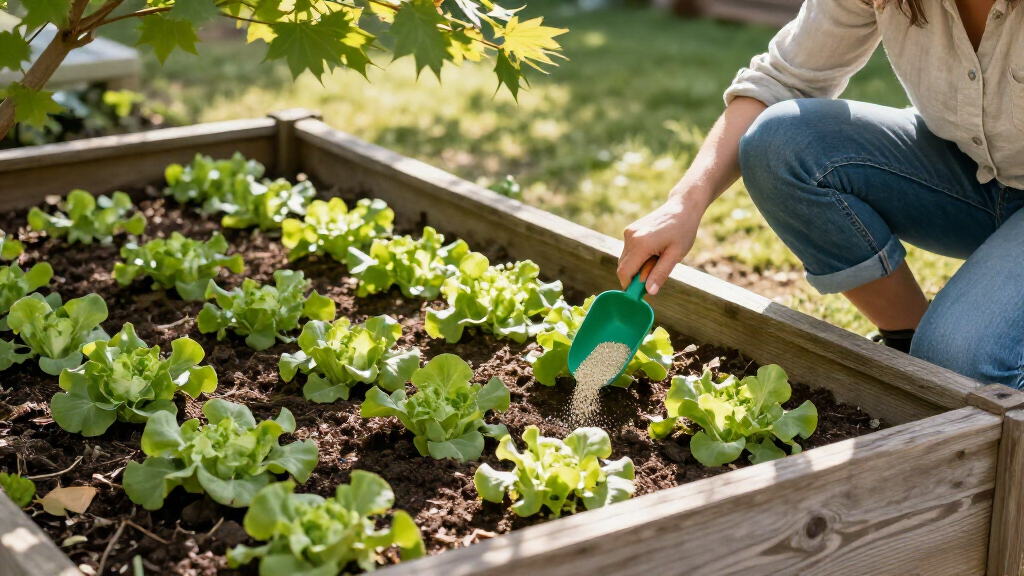
I compared the 15 fertilizers by nutrient balance and intended use, application format, release pattern, and the range of garden situations each can serve. I also weighed practical factors such as measuring effort, package scale, and whether a product appears aimed at vegetables, flowers, broad landscape use, or soil enrichment. These differences matter because a strong formula for one job may be inconvenient or mismatched for another.
The ranking favors useful versatility and clear fit over a single high nutrient number. Balanced, broadly useful choices sit near the top; more specialized formulas rank well when their purpose is distinct, while products with narrower use cases or less direct nutrient coverage serve specific needs. I treat organic and conventional fertilizers as different approaches rather than assuming one is universally better, and I do not infer performance beyond the stated product details.
| garden fertilizer | Form |
|---|---|
| Down To Earth Organic Vegetabl | Granules |
| Dr. Earth Organic 5 Tomato | Granules |
| Alaska Fish Fertilizer for Pla | Liquid |
| Southern Ag PowerPak 20-20-20 | Granules; water-soluble for application |
| Miracle-Gro Water Soluble All | — |
| GreenView Multi-Purpose Fertil | Granules |
| GARDENWISE 10-10-10 Slow-Relea | Granules |
| Osmocote Smart-Release Plant F | Granules |
| Southern Ag All Purpose Granul | Granular |
| Miracle-Gro Garden Feeder with | — |
| Jobe’s Organics Granular Ferti | Granules |
| Neptune’s Harvest Fish & Seawe | Liquid |
| Jobe’s Organics All-Purpose Gr | Granules |
| Farmer’s Secret Fruit & Bloom | — |
| Brut Organic Worm Castings for | — |
Factors to Consider When Choosing Best Garden Fertilizers
Before choosing a fertilizer, I’d start with the garden’s needs rather than the label’s biggest number. The right match depends on what you grow, how often you want to feed, and whether the soil needs nutrients at all. These factors help prevent overfeeding and narrow the options beyond the product-by-product differences above.
Match Nutrients to the Crop and Soil
A fertilizer’s N-P-K numbers describe the proportion of nitrogen, phosphorus, and potassium, not a universal measure of quality. Nitrogen supports leafy growth, while phosphorus and potassium have other plant roles, but the right balance depends on the crop and existing soil conditions. A soil test can reveal whether a nutrient is already plentiful; adding more without a need may waste product or create problems. For a mixed garden, a balanced formula is often a practical starting point, while a crop-specific product can suit a focused planting. Avoid choosing a high-number formula simply because it looks stronger. Follow the label for the crop and application rate.
Choose a Release Schedule You Can Follow
Water-soluble fertilizers make nutrients available through a mixed solution, which can suit gardeners who prefer direct, scheduled feeding. Granular and slow-release products generally reduce how often feeding is needed, though their release still depends on the label instructions and growing conditions. A common mistake is applying a quick-release product too frequently because plants look slow to respond; visible growth does not justify exceeding directions. Think about how often you can realistically return to the garden before choosing a format. If your routine is irregular, a product designed for gradual feeding may be easier to manage. If you want direct control over each feeding, a soluble product may fit better.
Decide How Much Organic Matter Matters to You
Organic fertilizers and soil amendments differ in both composition and function. Fish-based liquids and organic granular blends provide nutrients in distinct formats, while worm castings are often chosen as an amendment rather than as a direct substitute for a complete fertilizer. Organic labeling does not mean every product has the same nutrient profile or feeding pace. Check the guaranteed analysis and directions instead of relying on the word “organic” alone. If you need predictable nutrient ratios for a specific crop, compare those numbers with your soil needs. If your priority is incorporating organic inputs, also account for the extra handling or application steps the format may require.
Fit Package Size to Your Growing Area
A large bag can make sense for extensive beds, but it may be awkward to store and easy to keep long after the garden’s needs change. Small packs are easier to handle for containers or a few raised beds, though you may run short in a larger planting. Estimate the area you plan to feed and check the label’s application rate before choosing a package. Do not assume that a heavier package covers more area at the same rate; concentration and directions differ. Storage matters too: moisture and poor sealing can compromise granular products. Choose a quantity you can use and store according to the manufacturer’s instructions.
Consider Application Effort and Equipment
Granules generally need to be distributed around the planting area, while liquids and soluble powders call for mixing or a compatible applicator. The least expensive or most concentrated format may not be the easiest if you lack measuring tools or prefer not to handle liquids. A garden feeder can simplify broad watering, but it adds an equipment step and may be less useful for a small number of pots. For containers, small-scale measuring and controlled application can matter more than coverage speed. Check whether the product requires dilution, a particular watering method, or protective handling. Choose the process you can repeat accurately, since careless dosing can undo the benefit of a well-matched formula.
Pay for a Specialized Formula Only When It Fits
A targeted fertilizer can be useful when your planting has a clear need, such as a focus on tomatoes, vegetables, or fruit and blooms. For a garden with several plant types, a versatile all-purpose product may be easier to manage than keeping multiple formulas on hand. Specialized labels do not remove the need to check soil conditions, crop directions, and application rates. Before buying another product, ask whether the garden has a specific nutrient need or whether a broad formula already fits. Paying for specialization makes most sense when you will use that focus across enough plants to justify it. Otherwise, simplicity and correct application may matter more than a narrower label.
Frequently Asked Questions
Can I use one fertilizer for vegetables, flowers, and container plants?
Sometimes, but check the product label for the plants and application methods it covers. A balanced all-purpose formula can be convenient for a mixed garden, yet container plants may need closer attention to dose and feeding frequency because the growing medium is limited. A specialized fertilizer may make more sense when one crop dominates your garden or has a distinct feeding plan. Soil conditions also affect whether a single formula is suitable across the whole space. I’d choose one product only if its directions fit every area where you plan to use it.
Should I choose a slow-release fertilizer or a water-soluble one?
Choose based on how you want to manage feeding, not on the assumption that one format works better for every garden. Slow-release products can reduce the number of applications, while water-soluble fertilizers make scheduled feeding and application through water possible. The tradeoff is that soluble products typically call for more regular measuring, and granular products still need to be applied at the label’s stated rate. Your plants’ needs and the product directions matter more than the format alone. If you tend to miss feeding dates, a gradual-release option may better suit your routine.
Do I need a soil test before buying garden fertilizer?
A soil test is especially useful if you are unsure what your garden lacks or have been fertilizing regularly. It can help prevent adding nutrients that are already present in sufficient amounts and can guide your choice of formula. For a new or small garden, a broad fertilizer may be a reasonable starting point if the label matches your crops, but it is not a replacement for knowing the soil. Follow local soil-testing guidance and use the results alongside product directions. When growth problems persist, testing is more useful than increasing the dose by guesswork.
Are worm castings enough to replace a complete fertilizer?
Not always. Worm castings are commonly used as a soil amendment, while a complete fertilizer provides a stated nutrient analysis that can be compared with a crop’s needs. Those roles can overlap in a garden routine, but they are not automatically equivalent. Check the castings product details and avoid assuming that adding more will supply every nutrient your plants need. If a crop requires a clearly defined feeding plan, use soil information and the product label to decide whether an additional fertilizer is appropriate. Avoid stacking products without checking their combined directions.
How do I avoid overfertilizing when switching between products?
Read the new product’s application directions and do not carry over the dose or schedule from the fertilizer you used before. Different nutrient concentrations and release styles make a scoop or feeding interval from one product a poor guide for another. Keep a simple record of what you applied and when, especially if you use more than one formula. Do not apply extra fertilizer to compensate for slow growth without checking watering, light, soil, and plant health first. If the label’s directions are unclear for your plant or growing setup, contact the manufacturer before applying it.
Conclusion
My best overall pick is Down To Earth Organic Vegetable Garden Fertilizer for gardeners who want a balanced, vegetable-focused formula. For best value in a larger planting, GreenView’s 33-pound 10-10-10 bag is the scale-oriented choice, while Southern Ag All Purpose Granular offers a smaller 10-10-10 format. For a premium convenience approach, I’d look at Osmocote Smart-Release; beginners who want a straightforward all-purpose option may prefer Miracle-Gro Water Soluble All Purpose Plant Food, provided they are comfortable following a mixing schedule. For specific needs, choose Dr. Earth or Jobe’s vegetable formulas for food gardens, Southern Ag PowerPak for concentrated soluble feeding, and Neptune’s Harvest or Brut worm castings when their distinct liquid or amendment formats match your plan. The best fit is the one whose crop guidance, feeding pace, and application routine you can follow accurately.