TL;DR

Get garden gear delivered free with Prime
- Fast, free delivery on millions of items
- Prime Video, Amazon Music and more included
- Member-only deals all year
A Homes & Gardens report advises gardeners to check and clear drainage holes in outdoor pots before winter weather sets in. Blocked holes can leave soil saturated, increasing the risk of root damage and frozen soil; raising pots and removing saucers can help water drain away.
A Homes & Gardens report is urging gardeners to check and clear the drainage holes in outdoor pots before winter weather worsens, warning that blocked outlets can leave roots sitting in waterlogged soil. The seasonal task may help reduce risks to container plants and pots from prolonged wet conditions and freezing temperatures.
The report says drainage holes can become blocked by compacted soil, debris, roots, pests or mineral and salt deposits. When excess water cannot escape, soil pores fill with water and roots may be deprived of oxygen. The report links this condition with root rot and possible fungal disease, though it does not provide research data or quantify how often these outcomes occur.
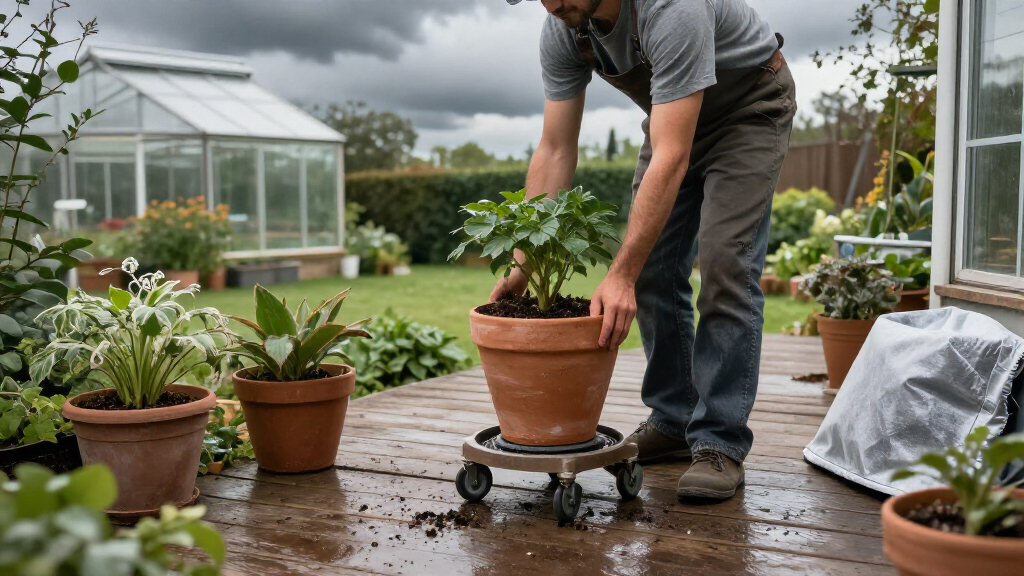
Gardeners are advised to inspect each container, sometimes by lifting or tilting the pot to see its base, then clear obstructions with a chopstick or wooden skewer. The report also recommends removing saucers for winter and raising containers on pot feet so they do not sit in pooled water or directly on wet paving that could obstruct drainage.
Additional steps described include grouping containers in a sheltered spot, such as beside a wall or under an overhang, and checking plants during winter for yellowing, wilting, mold or dieback. If a container appears to be receiving too much rain, the report advises moving it to a more sheltered location. These are general gardening recommendations, not a guarantee that plants will withstand severe weather.
Why Clear Drainage Matters
For container gardeners, drainage is a practical part of winter preparation, not just a concern during watering season. If water remains around roots, the plants may experience oxygen deprivation and decay. In freezing conditions, saturated soil can also freeze, increasing stress on plants in pots, which the report says are more exposed to frost than plants in the ground.
Excess moisture can affect containers as well as plants. The report notes that water in soil and moisture within porous materials such as terracotta and clay can expand as it freezes, potentially cracking or breaking a pot. Checking drainage and lifting containers are relatively simple measures that may limit standing water, although the result depends on local weather, pot condition and the plant’s needs.
Products Worth Considering

8×16 ft Walk-In Greenhouse – Heavy-Duty Outdoor Greenhouse

Orbit B-hyve Smart Indoor/Outdoor 12-Zone Sprinkler Controller

Orbit B-hyve XR Smart Indoor/Outdoor Sprinkler Controller, 16 Zones
As an affiliate, we earn on qualifying purchases.
How Winter Water Builds Up
Container plants rely on holes at the base of their pots to let surplus water escape. Not every planter sold has drainage holes, the report says, so gardeners are advised to check containers before planting. It adds that holes can be made in some planters with an electric drill, but the source does not give detailed instructions for different materials or recommend drilling every type of pot.
Even pots that drain properly at first can develop blockages over time. Wet winter conditions can make the problem harder on both the plant and its container: soil stays saturated when water cannot flow out, while freezing can add further pressure. Pot feet, clear outlets and a sheltered position are presented in the report as complementary steps rather than substitutes for checking plants and conditions.
““All pots and planters need drainage holes to allow excess moisture to escape.””
— Homes & Gardens report
Limits of the Winter Advice
The report does not identify a particular weather forecast, location or date when temperatures are expected to fall. Its advice is general seasonal guidance, and the source does not provide trial results comparing plant survival in pots with clear versus blocked holes.
It is also not clear which plants or container materials are most at risk under specific local conditions. Drainage needs vary, and the article does not offer species-specific watering instructions or a complete assessment of whether a pot can safely be drilled. Gardeners should account for their plants, containers and local forecast when applying the recommendations.
Checks to Make Before Frost
Before colder, wetter weather arrives, gardeners can inspect the base of outdoor containers, clear visible blockages and remove saucers that may hold water. Where pots rest on paving or concrete, raising them on pot feet can allow water to drain rather than collect beneath them.
As winter continues, the report recommends monitoring foliage and soil for signs of excess moisture and moving affected pots to a sheltered position. Grouping containers near a wall or under an overhang may provide some protection from rain and cold, but the report does not give a forecast-based schedule or claim that these steps will prevent all frost damage.
Key Questions
What should I check on a potted plant before winter?
Check that the pot’s drainage holes are open and that water is not being trapped by a saucer or the surface beneath the container.
How can I clear a blocked drainage hole?
The Homes & Gardens report suggests carefully pushing a chopstick or wooden skewer through the hole and twisting it to dislodge debris. Take care not to damage roots or the container.
Should outdoor pots sit on saucers in winter?
The report recommends removing saucers for winter because they can hold water beneath a pot. Raising containers on pot feet can also help keep drainage outlets clear.
What are signs a potted plant may be waterlogged?
The report lists yellowing leaves, wilting, dieback and mold on the soil surface as possible warning signs. These symptoms can have other causes, so they do not by themselves confirm waterlogging.
Source: homesandgardens.com