TL;DR

Get garden gear delivered free with Prime
- Fast, free delivery on millions of items
- Prime Video, Amazon Music and more included
- Member-only deals all year
A Homes & Gardens report advises fruit-tree growers to remove rotten fruit from the ground and dried fruit mummies from branches during fall cleanup. Experts say these remnants can harbor pests or disease that may return in the next growing season; the report also cautions that home compost piles may not get hot enough to destroy them.
A Homes & Gardens report advises fruit-tree growers to remove rotten fruit from the ground and dried fruit mummies from branches during fall cleanup, because disease organisms and pests may survive winter and threaten next season’s growth. The advice applies after harvest and is aimed at reducing the chance that problems affecting this year’s fruit will recur.
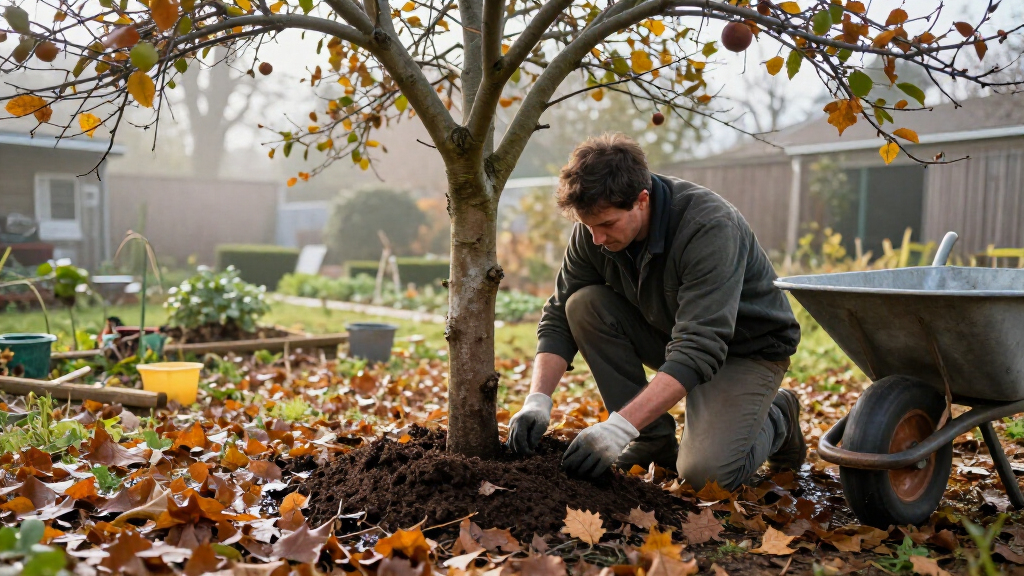
Cleanup means collecting fallen fruit and leaves from around the tree, then checking the canopy for old fruit that has dried on the branches. These dried fruits, often called mummies, may have been affected by fungus, disease or insects earlier in the year. The report recommends removing them as well as fruit on the ground, rather than leaving either to decay beneath or within the tree.
Fruit can fall for several reasons, including natural thinning, wind, inadequate water, pests or disease. The report’s experts warn that diseased material left in place can provide a way for some problems to persist through winter. It cites brown rot in peaches as an example: infected fruit may shrivel or fall, and fungus can produce spores in spring that infect blossoms and later fruit.
The report says old fruit is best discarded or sent to a municipal compost facility rather than put in a home compost pile that may not heat sufficiently. Horticulturist Matt Bunch says an active compost pile needs to reach 140°F to kill most pathogens and diseases. Reaching that temperature depends on factors including regular turning, moisture and the balance of green and brown material, according to the report.
Reducing Disease Risks Next Season
Removing infected fruit and debris is a practical sanitation step that may help limit the chance of recurring disease in a home orchard. The advice matters particularly for growers who noticed rot, scab or other disease symptoms during the season: leaving affected material on the ground or in the canopy could allow some pathogens or pests to remain nearby through winter.
The guidance is preventive, not a guarantee of a healthy or larger harvest. Weather, tree condition and other pest and disease pressures also affect next year’s crop. Still, a fall inspection gives growers a chance to remove visible sources of risk before the trees enter dormancy, and the task can be done alongside other seasonal maintenance.
As an affiliate, we earn on qualifying purchases.
What Fall Cleanup Involves
Fruit trees shed fruit for both ordinary and problematic reasons. Some fruit drops naturally as part of thinning, while storms, water stress, insects and disease can also contribute. The report notes that some gardeners leave fallen fruit for wildlife, but cites experts who recommend clearing fruit and leaves when disease or pest carryover is a concern.
Once foliage has dropped, mummified fruit may be easier to spot against bare branches. The report suggests using a fruit picker or pole pruner to remove fruit that cannot be reached safely by hand, then collecting it from the ground. It also recommends applying organic mulch, such as compost, leaf mold or bark, to help protect trees from frost. Mulch does not replace removing diseased debris.
For fruit trees grown in containers, the report offers separate winter advice: move tender varieties, including citrus, olives, peaches and avocados, to a protected location as nighttime temperatures begin to fall toward 50°F. Container-grown trees can be less hardy than trees planted in the ground. This temperature is presented as guidance for deciding when to shelter tender potted trees, not as a threshold for all fruit trees.
“If you leave the leaves and fruits on the ground, some diseases can overwinter and come back the following year. And sometimes they’ll come back with a vengeance.”
— Susan Poizner, fruit-tree expert and founder of Orchard People
As an affiliate, we earn on qualifying purchases.
Limits of the Fall Advice
The report does not quantify how much removing fallen fruit or mummies reduces disease, or how much it changes harvest size. The risk also depends on the disease or pest involved and local conditions. Its examples explain possible pathways for recurrence; they do not establish that every fallen or dried fruit contains a harmful organism.
The compost temperature cited by Bunch is described as sufficient to kill most pathogens and diseases, not all of them. The report does not provide a time-at-temperature requirement or a method for confirming that every part of a home compost pile has reached the target. Growers unsure how to handle material affected by a particular disease may need guidance from a local extension service or municipal waste program.
As an affiliate, we earn on qualifying purchases.
The Next Orchard Check
After harvest, growers can collect fallen fruit and leaves, inspect the branches for mummies and dispose of suspect material through household waste or an appropriate municipal compost facility. Anyone using a home compost system should avoid assuming that fruit is safe to add unless the pile is managed to reach and maintain adequate heat.
As winter approaches, gardeners can also check the forecast and move tender potted trees to shelter when conditions call for it. The report offers seasonal maintenance guidance rather than announcing a new rule or research finding; it does not identify a single date for cleanup, since timing will vary with local weather and the tree’s condition.
As an affiliate, we earn on qualifying purchases.
Key Questions
What fruit should be removed in fall?
Remove rotten or diseased fruit on the ground and dried fruit mummies still hanging in the canopy. The report also advises clearing fallen leaves, particularly where disease was present.
Why remove dried fruit from branches?
According to horticulturist Matt Bunch, mummified fruit may contain pests or disease organisms that could contribute to reinfection in the next growing season.
Can rotten fruit go in a home compost pile?
The report advises caution. Pathogens or pests may survive in a home pile that does not heat enough. Bunch says an active pile needs to reach 140°F to kill most pathogens and diseases; the report recommends municipal composting or disposal as alternatives.
When should tender fruit trees in pots be moved indoors or to shelter?
The report says to watch nighttime temperatures and move tender potted trees, such as citrus, olives, peaches and avocados, to a protected spot as temperatures start dropping to around 50°F. Local conditions and the specific tree matter.
Source: rss
Fall yard work Picks
leaf blowers
As an affiliate, we earn on qualifying purchases.