
TL;DR

Get garden gear delivered free with Prime
- Fast, free delivery on millions of items
- Prime Video, Amazon Music and more included
- Member-only deals all year
Gardening Know How recommends keeping thick layers of fallen leaves off lawns while reusing them around the yard. Its seven suggested uses include mulching, leaf mold, compost, winter protection for tender plants, vegetable-bed preparation and habitat for wildlife. These are practical gardening suggestions, not a new study or official guidance.
Gardening Know How has outlined seven ways to reuse fallen leaves rather than bagging them for disposal, including shredding them for mulch, turning them into leaf mold or compost, and using them to protect garden beds and tender plants. The report advises clearing thick leaf layers from lawns, while noting that a light scattering can be mulched into the grass.
The report’s central distinction is between a light covering of leaves and a dense, wet layer. It says scattered leaves can be cut into small pieces with a mulching mower, allowing the fragments to fall between grass blades and break down. A thick layer, by contrast, can block light and air and leave turf damp through winter. Gardeners are advised to rake or move those leaves rather than leave them packed on the lawn.
For other parts of the yard, the article recommends making shredded-leaf mulch, which it says stays looser and lets rain pass through more readily than whole leaves. It also describes leaf mold, made by allowing leaves to break down slowly, as a soil conditioner that can improve soil structure and water retention. The report estimates shredded leaves may take about six months to become leaf mold, compared with roughly a year for whole leaves; an undisturbed pile may take longer.
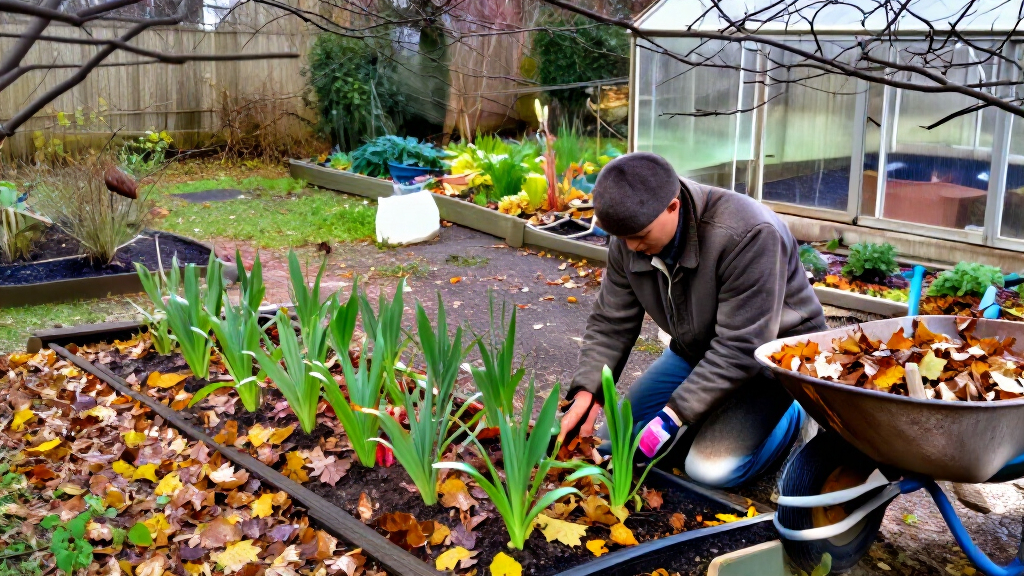
Other suggested uses include adding leaves to a compost pile as a carbon-rich “brown” material, spreading them on cleared vegetable beds, and using them as seasonal insulation around tender plants. The report also recommends retaining some leaves as habitat for wildlife. It cautions that oak and magnolia leaves break down slowly and that black walnut leaves contain juglone, which can harm some sensitive plants. These recommendations come from Gardening Know How’s gardening report, not from a cited comparative trial.
Less Lawn Damage, More Garden Material
Reusing leaves can help households avoid discarding a material that may serve as mulch, compost feedstock or soil conditioner. It may also reduce the need to buy some garden materials, although the report does not quantify potential savings or compare costs.
The lawn advice addresses a seasonal maintenance problem: wet leaves can form a mat that limits light and airflow. The report says prolonged coverage can weaken turf and create conditions associated with snow mold, while also providing cover for voles and mice. Moving the thick layer to beds or compost can balance lawn care with reuse, rather than treating every leaf as waste.
Benefits depend on how the leaves are handled and where they are placed. Shredding is recommended for mulch and faster breakdown; keeping leaves from matting around plant crowns is part of the winter-protection advice. Plant species and local conditions also matter, particularly where walnut leaves or slow-decomposing oak leaves are involved.
As an affiliate, we earn on qualifying purchases.
How the Leaf Reuse Advice Works
The report presents leaf management as a middle ground between leaving all leaves on the lawn and removing every leaf from the property. It says mowing a light layer can return leaf fragments to the lawn, while deeper accumulations should be cleared and put to another use.
For compost, leaves supply carbon but are low in nitrogen, so the article recommends combining them with “green” materials such as grass clippings or kitchen scraps. It gives about two parts leaves to one part grass clippings as a reasonable mix and says the pile should remain damp, like a wrung-out sponge. It also advises shredding slow-breaking leaves or allowing them extra time to decompose.
For winter protection, the report recommends waiting until temperatures have dropped well below freezing before placing shredded leaves over the crowns of tender perennials. It cautions against wet, compacted leaves directly on plant crowns, which could smother them. The supplied source text ends partway through its discussion of preparing vegetable beds and does not provide full details for every one of the seven uses named in its headline.
As an affiliate, we earn on qualifying purchases.
Limits of the Leaf Advice
The source is a gardening advice article and does not cite a study measuring how much money gardeners might save, how much soil improvement to expect, or how often leaf reuse prevents lawn or plant damage. Those outcomes will vary with leaf type, climate, soil and garden conditions.
The material supplied for this report cuts off during the section on vegetable beds. It identifies wildlife habitat as another suggested use but does not provide the full instructions or detail for all seven items. No publication date was included, and the report does not specify local collection rules or whether particular leaves are suitable for every garden.
As an affiliate, we earn on qualifying purchases.
What Gardeners Can Do This Fall
Gardeners can start by checking whether leaves are lightly scattered or piled thickly on the lawn. A mulching mower may be suitable for a thin layer; deeper piles should be moved before they mat down. Dry leaves can be shredded and used as mulch, stored for later composting, or added gradually to a pile with nitrogen-rich materials.
Before putting leaves near plants, identify the trees they came from and consider whether the plants are sensitive to walnut leaves. For winter protection, follow the report’s advice to wait for sustained freezing conditions and keep leaf cover loose around crowns. Local weather and plant needs will determine when and where each method is appropriate; the source provides no follow-up testing or promised results.
As an affiliate, we earn on qualifying purchases.
Key Questions
Should all fallen leaves be removed from a lawn?
No. Gardening Know How says a light covering can be mulched into grass with a mower. Thick layers should be removed because they can block light and air and stay wet over winter.
How long does leaf mold take to make?
The report estimates about six months for shredded leaves and closer to a year for whole leaves. An undisturbed pile may take around two years.
Can leaves go straight into a compost pile?
Yes. Leaves are a carbon-rich “brown” material, so the report recommends mixing them with nitrogen-rich “greens,” such as grass clippings or kitchen scraps, and keeping the pile damp.
Are all tree leaves suitable for every garden?
No. The report says black walnut leaves contain juglone, which can harm some sensitive plants, and oak leaves break down slowly. It recommends identifying leaf sources and allowing slow-decomposing leaves extra time.
When should leaves be used to protect tender plants?
The report advises waiting until temperatures have dropped well below freezing, then applying shredded leaves over plant crowns. It warns that wet, matted leaves can smother crowns.
Source: rss
Fall Picks
fall essentials
As an affiliate, we earn on qualifying purchases.