
TL;DR
Homes & Gardens published a shopping roundup of 16 winter bird feeders chosen to combine practical feeding features with decorative designs. The article highlights covered seed feeders, a suet feeder and options such as reclaimed wood, copper and solar lighting; it does not provide evidence that the products have been independently tested or that any specific feeder is best for every garden.
Homes & Gardens has published a roundup of 16 winter bird feeders that pair practical features for feeding birds in cold weather with designs intended to suit gardens beyond winter. The guide covers a range of styles and prices, including covered seed feeders and decorative designs, but the supplied report does not establish independent performance testing or rank the products against one another.

Get garden gear delivered free with Prime
- Fast, free delivery on millions of items
- Prime Video, Amazon Music and more included
- Member-only deals all year
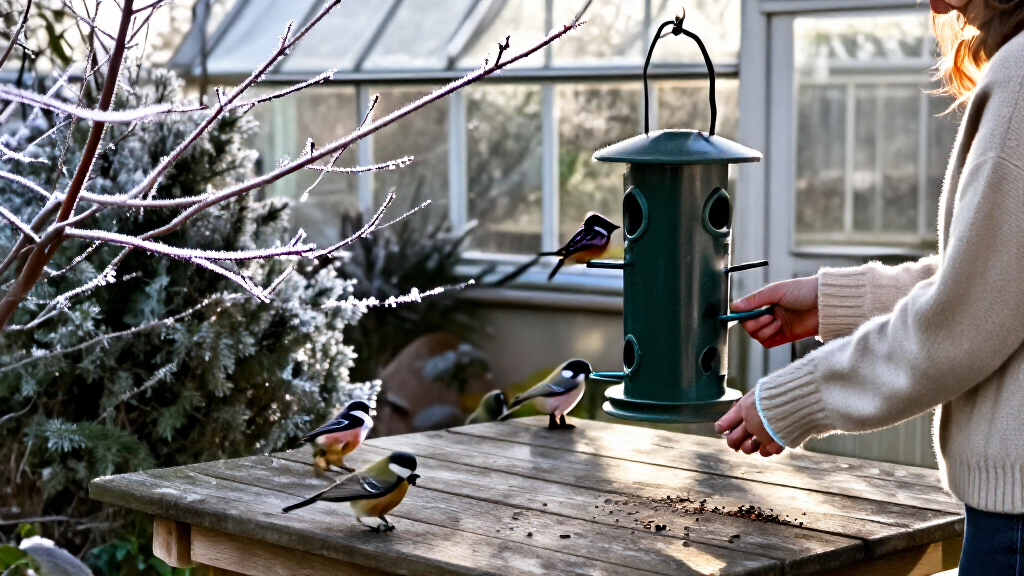
The article’s central advice is to provide birds with a reliable food supply when natural sources are harder to find in winter. It points to different feeder types for different needs: covered feeders can help shield seed from wet weather, while suet feeders offer a source of energy during cold conditions, according to the report.
Several examples show the range of looks. Homes & Gardens describes Terrain’s Covered Bridge Reclaimed Barn Wood Feeder as a miniature-garden-style design and Pottery Barn’s Villa Copper Bird Feeder as a copper-finished option that provides weather protection for seed. The article also mentions an Amazon solar bird feeder that adds lighting to an outdoor space.
The roundup presents its 16 selections as options spanning traditional seed feeders, decorative styles and seasonal designs, at a range of prices. The material supplied for this report does not list all 16 products, their prices, specifications or availability, so those details cannot be confirmed here.
Feeding Birds Beyond Winter
The guide combines two practical considerations for readers choosing a feeder: supporting access to food during colder weather and selecting an object they are comfortable keeping in view year-round. A design that fits a garden’s appearance may be less likely to be packed away after winter, while a weather-protective feature can help keep seed dry in wet conditions, as the article describes.
Those benefits depend on the individual product and how it is used. The supplied source does not show that every design is suitable for every bird or climate, nor does it provide comparative evidence on durability, feeding capacity or effectiveness. Readers should check product specifications and follow any care or cleaning instructions before buying.
Products Worth Considering

EGO POWER+ LB5302 Cordless Electric Leaf Blower Kit with 2.5Ah Battery

Solo Stove Bonfire 19.5-Inch Smokeless Wood-Burning Fire Pit with Stand

Husqvarna 542i XP 16-Inch Battery-Powered Chainsaw
As an affiliate, we earn on qualifying purchases.
How the Roundup Frames Its Picks
Homes & Gardens frames the list as a shopping and garden-design guide, rather than a report of new research or a change in wildlife advice. Its premise is that winter can make natural food sources harder for birds to find and that a feeder can serve both a feeding and decorative purpose in a garden.
The article also suggests preparing the wider garden before cold weather arrives, referring readers to advice on helping birds in October. The supplied material does not specify publication date, name the 16 products in full or provide a methodology explaining how the selections were made.
“One of the best ways to help birds in winter is to give them a reliable food supply when natural food sources are harder to find.”
— Homes & Gardens
Product Details Not Provided
The source material does not include the complete list of 16 products, their prices, stock status or detailed specifications. It also does not state when the guide was published or provide test results showing how the feeders perform in different weather conditions.
The article’s descriptions of weather protection and feeding benefits are presented as general guidance, not as independently verified comparisons among the products. Readers should confirm current prices, materials, installation requirements and care instructions with the retailer before making a purchase.
Check Listings Before Buying
The next step for readers interested in a particular design is to consult the full Homes & Gardens roundup and the relevant retailer listing for the complete product details. Availability and prices can change, and the supplied report does not confirm either.
Gardeners can also decide what type of food and feeder suits their space, then follow the feeder maker’s instructions for setup and maintenance. The source provides no announced follow-up, product launch or scheduled update to the guide.
Key Questions
What did Homes & Gardens publish?
It published a guide to 16 winter bird feeders designed to combine practical feeding features with appearances suited to gardens throughout the year.
Which feeder designs does the report mention?
Examples include Terrain’s Covered Bridge Reclaimed Barn Wood Feeder, Pottery Barn’s Villa Copper Bird Feeder and a solar bird feeder sold through Amazon. The supplied material does not name all 16 selections.
What features does the guide say can help in winter?
It says a covered feeder can help keep seed dry in wet weather and describes suet as a source of energy when temperatures drop.
Does the report prove the featured feeders are the best performers?
No comparative testing or performance data is included in the supplied source. The roundup presents product picks and descriptions, but does not establish that they outperform other feeders.
Source: rss