
TL;DR
Gardening Know How recommends seven fall tasks to help garden soil recover before winter, including sowing cover crops and sending soil samples for testing. Timing depends on local frost dates, and the supplied source describes only the first two steps in detail.
Gardening Know How has published a fall soil-care guide urging gardeners to prepare beds before the ground cools, with sowing a cover crop and sending a soil sample to a lab among the seven recommended tasks. The advice matters because frost timing limits some planting options, while amendments such as lime need time to affect soil before spring.

Get garden gear delivered free with Prime
- Fast, free delivery on millions of items
- Prime Video, Amazon Music and more included
- Member-only deals all year
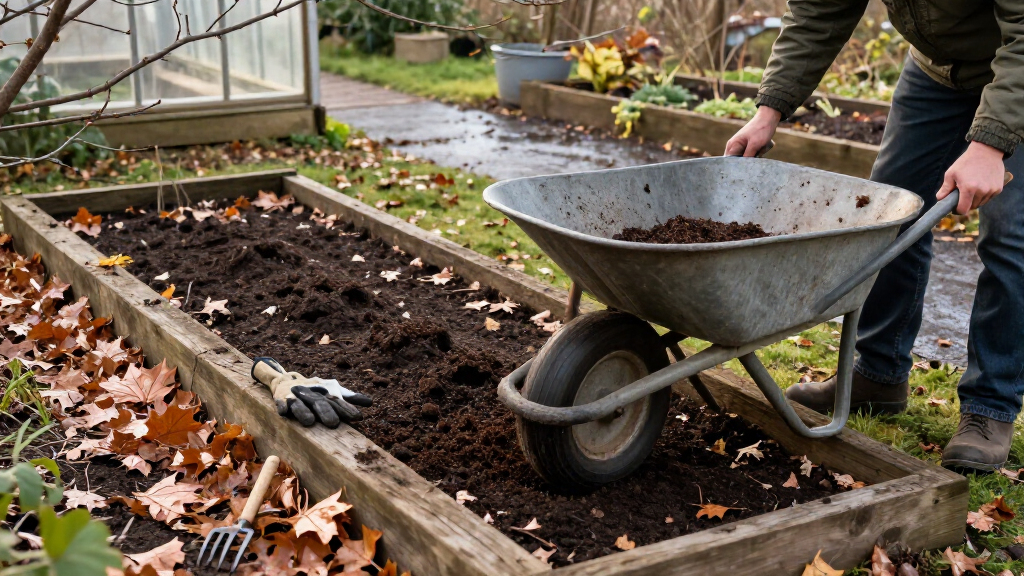
The source says late-season beds may be depleted or compacted after growing crops and enduring summer weather. It recommends acting while the ground is still warm, arguing that soil organisms have time to process organic inputs before winter. It also warns that leaving soil bare can expose it to nutrient loss in heavy rain and damage from freeze-thaw cycles.
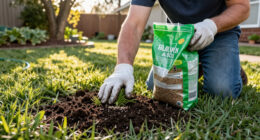
Cover crops have the tightest schedule, according to the guide. It says legumes such as crimson clover need six to eight weeks of growth before a killing frost, while hardy grains need four to six weeks. Cereal rye is presented as an option for later sowing because it can germinate in cool soil. Gardeners are advised to rake seed into a prepared bed, water it, and keep the surface damp until germination.
The second recommendation is to send a soil sample for laboratory testing. The guide advises collecting cores from about six inches deep in several locations, mixing them in a clean bucket, and submitting the combined sample. A test can report pH, phosphorus, potassium and organic matter. If the results call for lime, the source says fall application allows roughly four to six months for it to react with the soil. It gives a general rate of about five pounds per 100 square feet for untilled beds, but gardeners should follow their test results and product directions.
Fall Timing Shapes Spring Soil
Fall work can affect spring readiness, but the recommendations depend on conditions at each garden. Cover crops need enough time to establish before frost, and the guide gives different lead times for legumes and hardy grains. A missed planting window may mean choosing a faster-establishing option or leaving that task until another season.
Testing soil before buying amendments may also help gardeners avoid applying nutrients their beds do not need. The source frames this as a practical way to guide next season’s preparation; it does not provide trial data showing a particular yield or improvement. The useful takeaway is to base additions on a test and local conditions rather than assume every bed needs the same treatment.
Products Worth Considering

Greenworks 80V Cordless Axial Leaf Blower Kit with 4Ah Battery and Charger

Greenworks 40V Cordless Chainsaw Kit with 12-Inch Bar, 2Ah Battery and Charger

IDEALHOUSE 8 × 10 ft Outdoor Polycarbonate Greenhouse
As an affiliate, we earn on qualifying purchases.
Frost Dates and Soil Tests
The guide describes fall as a period when garden activity often slows after crops are harvested and flowers fade. It argues that the soil remains biologically active while warm, making this a window for sowing and adding amendments before dormancy. The timing varies by region: it says gardeners in USDA zones 3–6 face earlier hard freezes, while zones 7–10 generally have a longer fall growing period. These broad zone ranges do not replace local frost forecasts.
The source also notes that soil laboratories may have faster turnaround in September than during the spring rush. That is its stated seasonal comparison; it does not identify a specific laboratory or provide current wait times. Soil-test methods and amendment recommendations can vary, so readers should use the instructions supplied by their chosen lab.
Five Steps Not Shown
The supplied report excerpt does not include all seven recommendations. It stops partway through its discussion of lime after explaining cover crops and soil testing. The article therefore cannot verify the other five steps or reproduce their instructions. The source also does not provide a publication date, named expert comments, or independent research supporting its broader claims about potential results. Gardeners should confirm specific rates and timing against a soil test, product labels and local conditions.
Check Local Frost and Test Results
Gardeners considering these tasks can start by checking their local frost outlook and the recommended sampling procedure from a soil-testing lab. Those details determine whether a cover crop still has time to establish and whether lime or another amendment is warranted. Follow the lab’s interpretation and the amendment label before applying products. The supplied source offers no dated follow-up or additional reporting on the five recommendations missing from the excerpt.
Key Questions
What fall soil-care tasks does the report describe?
It describes sowing a cover crop and sending a soil sample to a lab. Although the headline promises seven ways, the supplied excerpt does not show the remaining five.
How much time do cover crops need before frost?
The guide says legumes need six to eight weeks before a killing frost, while hardy grains need four to six weeks. Actual success depends on local conditions and the selected crop.
What does a soil test measure?
According to the source, a lab report can provide results for soil pH, phosphorus, potassium and organic matter. Follow the sampling directions of the lab you use.
Why does the guide recommend applying lime in fall?
It says lime may take about four to six months to break down and affect soil pH, so fall application gives it time to react before spring. Apply it only when test results call for it and follow product directions.
Source: rss