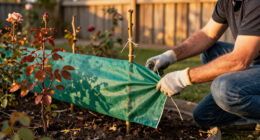

Choosing a weed-resistant ground cover depends on whether you want to improve a garden bed, cover a small sunny surface quickly, or fill gaps between stones with a low-growing perennial. My leading pick for seasonal garden coverage is Tin Shed Cover Crop Weed Suppressor Mix, because its mixed canopy can shade weeds while supporting soil health. For a ready-grown, drought-tolerant surface, the Sedum Groundcover Mat is the most direct option; for a softer, flowering finish between pavers, Blue Creeping Thyme Seeds offer the most natural fit.

Get garden gear delivered free with Prime
- Fast, free delivery on millions of items
- Prime Video, Amazon Music and more included
- Member-only deals all year
These products solve different problems, so I rank them by how clearly they match common ground-cover jobs rather than treating them as interchangeable. The main tradeoff is between speed and coverage, long-term planting effort, and site suitability: seed blends need prepared soil and time, a sedum tile covers only its small footprint, and thyme must establish before it can form a dependable carpet. None is an instant weed-proof barrier, and site preparation remains part of the job.
Complete the kit


Key Takeaways
- Tin Shed is the strongest choice for seasonal beds where a mixed canopy and soil improvement matter more than a permanent ornamental carpet.
- The Sedum Mat gives the fastest visible coverage in its 10-by-20-inch footprint, but scaling it across a large area means arranging many individual mats.
- Blue Creeping Thyme is the most suitable of these three for sunny gaps between stepping stones, though seed establishment takes patience.
- Full sun is a shared requirement across the listed options; shaded sites are a poor match for all three.
- For any pick, remove existing weeds and prepare the soil first: ground covers suppress new growth more reliably than they eliminate established weeds.
| Tin Shed Cover Crop Weed Suppressor Mix Seed – Multi-Species Blend for Weed Control & Soil Health |  | Best Overall for Seasonal Garden Beds | Planting type: Multi-species cover crop seed blend | Listed species: Buckwheat, ryegrass, pea, clover, and other fast-growing plants | Package weight: 16 ounces | VIEW ON AMAZON | See Our Full Breakdown |
| 10 in. x 20 in. Sedum Groundcover Mat, Hardy Stonecrop for Landscaping and Indoor Decor |  | Best Ready-Grown Mat for Small Sunny Areas | Mat size: 10 in. x 20 in. | Plant type: Sedum succulents, or stonecrop | Sun exposure: Full sun | VIEW ON AMAZON | See Our Full Breakdown |
| Blue Creeping Thyme Seeds Ground Cover, Non-GMO Heirloom, Drought Tolerant, Silver Gray Carpet for Between Stepping Stones & Rock Outdoor |  | Best for Gaps Between Stepping Stones | Planting type: Creeping thyme seed | Seed quantity: More than 15,000 seeds | Foliage and flower color: Silver-gray foliage with lavender-blue flowers | VIEW ON AMAZON | See Our Full Breakdown |
| weed resistant ground covers for | Sun exposure | Planting type | USDA hardiness zones | Bloom period |
|---|---|---|---|---|
| Tin Shed Cover Crop Weed Suppr | Full sun | Multi-species cover crop seed blend | 3–8 | — |
| 10 in. x 20 in. Sedum Groundco | Full sun | — | — | Spring |
| Blue Creeping Thyme Seeds Grou | Full sun | Creeping thyme seed | 4–9 | Spring to fall |
More Details on Our Top Picks
Tin Shed Cover Crop Weed Suppressor Mix Seed – Multi-Species Blend for Weed Control & Soil Health
For a garden bed that needs seasonal coverage rather than a permanent ornamental carpet, Tin Shed Cover Crop Weed Suppressor Mix is the most balanced option here. Its blend of grasses, legumes, and fast-growing plants—including buckwheat, ryegrass, pea, and clover—is designed to fill space with a canopy. That shade can make it harder for new weeds to take hold, while legumes and plant growth can contribute to soil improvement and erosion control.
Compared with the Sedum Groundcover Mat, this mix is better suited to covering prepared soil across a bed; the sedum product arrives as one small tile and makes more sense for a defined patch or feature. Compared with creeping thyme, Tin Shed is the more practical seasonal choice for crop rotation, but it is not the same kind of low ornamental planting. Its one-pound size also points toward small gardens and raised beds rather than broad acreage.
The tradeoff is that seed needs the right start. Soil preparation and sunlight affect how evenly the mix grows, and the supplied details warn that multiple plantings may be needed for full coverage. I would choose it when the goal is to protect soil and reduce open ground for a season, not when I need an immediate, permanent lawn alternative. Established perennial weeds may still need removal before sowing.
Pros:- Mixed species can form a canopy that shades exposed soil and helps suppress new weeds.
- Legumes and other cover plants support soil health and erosion control.
- Suited to small gardens, raised beds, and seasonal transitions.
- Offers a practical alternative to installing a living mat over a whole prepared bed.
Cons:- May need repeat sowing to reach full coverage.
- The one-pound package is limited for extensive areas.
- Results depend on soil preparation and adequate sunlight.
Best for: Gardeners covering small, sunny beds during a seasonal break or crop rotation who also want a cover crop to support soil health.
Not ideal for: Buyers who need instant finished coverage, a permanent ornamental surface, a large-scale quantity, or a solution for shaded ground.
- Planting type:Multi-species cover crop seed blend
- Listed species:Buckwheat, ryegrass, pea, clover, and other fast-growing plants
- Package weight:16 ounces
- Sun exposure:Full sun
- USDA hardiness zones:3–8
- Suggested use:Garden beds, raised beds, and crop rotations
- Primary weed-control approach:Dense canopy growth
Our verdict“I rank Tin Shed first for seasonal beds because it combines weed-shading potential with soil-building benefits, provided you can prepare the ground and allow time for growth.”
10 in. x 20 in. Sedum Groundcover Mat, Hardy Stonecrop for Landscaping and Indoor Decor
The Sedum Groundcover Mat is the clearest choice when you want living coverage without starting from seed. The 10-by-20-inch tile arrives as a planted mat of stonecrop succulents, giving buyers a defined patch for a small landscape feature, green roof, vertical garden, or container-adjacent space. Its drought tolerance and infrequent watering guidance make it appealing where regular irrigation is inconvenient.
That ready-grown format is its biggest distinction from the other two picks. Tin Shed can cover a prepared bed through a broader seed-sowing approach, while creeping thyme may eventually soften multiple gaps between pavers. Sedum offers a more immediate visual result within its own footprint, but one tile is not broad-area coverage. Buyers planning a long border or substantial yard surface should account for the number of mats and the layout rather than expecting one unit to control weeds across a large area.
Site conditions matter. This mat prefers full sun and well-drained, sandy soil; poor drainage can undermine a succulent planting, while partial shade may reduce flowering and sturdiness. The listing also says it may go dormant below 50°F, so the surface may not stay equally vivid through cooler conditions. I would choose it for a small, sunny, well-drained patch where an established plant surface matters more than rapid expansion. It is less suited to a damp or shaded bed.
Pros:- Provides living coverage in a ready-grown 10-by-20-inch format.
- Drought- and heat-tolerant once suited to its growing conditions.
- Listed for indoor and outdoor use, including green roofs and vertical gardens.
- Low watering needs are useful for compact sunny installations.
Cons:- Its small footprint limits weed suppression unless multiple mats are used.
- Needs full sun and good drainage for stronger growth.
- May go dormant below 50°F, affecting seasonal appearance.
Best for: A buyer who wants a small, already-grown succulent patch for a sunny, well-drained landscape feature, green roof, or vertical garden.
Not ideal for: Anyone covering a large area with a single unit, planting in damp or shaded soil, or expecting a uniform green appearance through cold weather.
- Mat size:10 in. x 20 in.
- Plant type:Sedum succulents, or stonecrop
- Sun exposure:Full sun
- Hardiness zones:3–9 listed; USDA zone details also specify 3–7
- Watering guidance:Every 1–2 weeks; allow soil to dry
- Preferred soil:Sandy soil with good drainage
- Use:Indoor or outdoor; landscaping, green roofs, and vertical gardens
- Bloom period:Spring
Our verdict“I recommend the sedum mat for a compact, sunny feature where instant planted texture matters, but not as a one-piece answer for extensive weed control.”
Blue Creeping Thyme Seeds Ground Cover, Non-GMO Heirloom, Drought Tolerant, Silver Gray Carpet for Between Stepping Stones & Rock Outdoor
Blue Creeping Thyme Seeds are the most targeted pick for the narrow spaces that a general cover crop or a sedum tile may not suit. The low-growing plant is intended to form a silver-gray carpet with lavender-blue flowers, and its stated uses include planting between stepping stones, pavers, and in rock gardens. For a path with sunny gaps, that creeping, flowering habit is a closer match than Tin Shed’s seasonal crop blend.
The package lists 15,000-plus seeds, which gives buyers a larger seed count than the one-pound cover-crop blend’s simple weight-based listing, though those measures do not translate directly into comparable coverage. Unlike the sedum mat, thyme begins as seed and needs time to establish. That makes it less suitable when you want finished coverage immediately, but more adaptable for spreading small plants through irregular spaces over time. The listed drought tolerance is useful after establishment, yet the product also specifies regular watering, so buyers should plan to keep the seedbed moist as plants get started.
I rank it third overall because the intended use is strong but the supplied information is less specific about growth rate and long-term durability. It is a focused choice, not the most flexible one: full sun and sandy soil are listed, and it is intended for outdoor planting. Choose it for a patient gardener creating a soft path edge or rock-garden carpet. Skip it if you need fast cover, have a shaded walkway, or want an immediate barrier against established weeds.
Pros:- Designed for gaps between stepping stones, pavers, and rock-garden spaces.
- Low-growing foliage and lavender-blue flowers offer an ornamental finish.
- Listed as drought-tolerant and suitable for poor soils.
- Heirloom, non-GMO seed with a stated quantity of more than 15,000 seeds.
Cons:- Needs time to establish before it forms dependable ground coverage.
- Growth rate and long-term durability details are limited.
- Full sun, sandy soil, and regular watering during establishment may not fit every site.
Best for: Gardeners filling sunny, sandy gaps between pavers or stepping stones who want a low-growing flowering ground cover and can wait for seed to establish.
Not ideal for: Buyers who need immediate coverage, have shaded or consistently wet ground, or cannot provide regular watering during establishment.
- Planting type:Creeping thyme seed
- Seed quantity:More than 15,000 seeds
- Foliage and flower color:Silver-gray foliage with lavender-blue flowers
- Sun exposure:Full sun
- USDA hardiness zones:4–9
- Soil type:Sandy soil
- Bloom period:Spring to fall
- Planting period:Spring
- Other listed traits:Heirloom, non-GMO, and deer-resistant
Our verdict“I recommend creeping thyme for patient buyers dressing sunny hardscape gaps, while Tin Shed is the better fit for seasonal beds and sedum for a small ready-grown patch.”
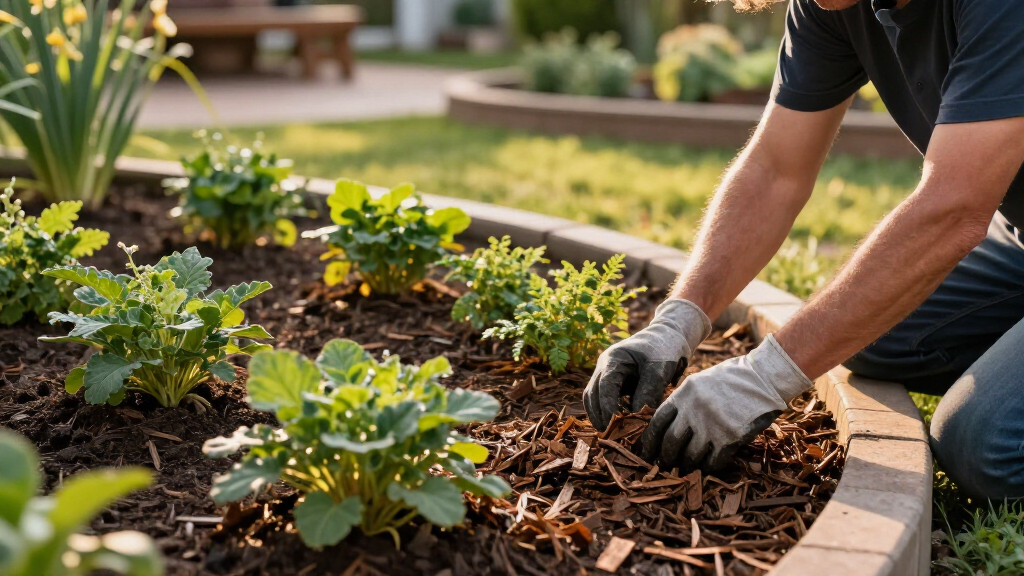
How We Picked
I compared the three options against the practical jobs buyers mean when searching for a weed-resistant ground cover: covering exposed soil, limiting light for emerging weeds, fitting the intended site, and reaching useful coverage without excessive upkeep. I gave weight to the stated plant type, growing conditions, coverage format, and whether the product is aimed at seasonal beds or lasting landscape use.
The ranking reflects fit and usefulness, not a claim that one product is best for every yard. Tin Shed ranks first because its multi-species blend directly targets seasonal weed suppression and adds soil-building benefits. Sedum ranks second for buyers who value an already-grown mat and can work within its compact footprint. Thyme ranks third overall because its use between stones is compelling, but the supplied details give less certainty about establishment speed and long-term durability. I also weighed the limitations: all three favor full sun, and none should be treated as a substitute for clearing persistent weeds before planting.
I rely on the provided product information and avoid presenting unverified performance claims as guarantees. A cover crop mix, a living succulent mat, and seed for a creeping perennial differ in both purpose and time to coverage, so I describe them by the situations each suits best.
| weed resistant ground covers for | Planting type | Bloom period |
|---|---|---|
| Tin Shed Cover Crop Weed Suppr | Multi-species cover crop seed blend | — |
| 10 in. x 20 in. Sedum Groundco | — | Spring |
| Blue Creeping Thyme Seeds Grou | Creeping thyme seed | Spring to fall |
Factors to Consider When Choosing 15 Best Weed Resistant Ground Covers For
Ground covers suppress weeds by taking up space and limiting the bare soil where weed seeds can sprout. The best choice depends on the surface you are covering and how long you can wait for plants to fill in. I would compare these three by site, coverage format, and establishment time before choosing.
Match the plant to the job
For seasonal garden beds, Tin Shed’s mixed cover crop blend is the most relevant option because it is designed to create a canopy and support soil health. For a small, clearly defined patch, the sedum mat provides planted coverage in a compact tile. For hardscape gaps, creeping thyme is the most specialized fit. A product can be attractive and low-maintenance yet still be wrong for the intended surface, so start with the job rather than the plant name.
Plan for the time to coverage
A living mat offers visible plants at the outset, but the Sedum Groundcover Mat covers only 10 by 20 inches. Seed gives more flexibility over a bed or irregular gaps, but both the Tin Shed blend and creeping thyme need time to grow. Tin Shed may need repeat planting for full coverage; thyme is described as patient to establish. If bare soil is exposed while plants grow, continue managing weeds rather than assuming seed alone will block them.
Check light, soil, and moisture
All three products list full sun, which makes them poor default choices for shady sites. Sedum needs drainage and sandy soil, and may go dormant in cooler temperatures. Creeping thyme is also listed for sandy soil and requires regular watering as it establishes despite its drought-tolerant description. Tin Shed depends on soil preparation and sun. Match the listed needs to your actual bed before buying, especially where water collects or shade lasts much of the day.
Treat weed resistance as suppression, not eradication
These ground covers can reduce open ground as they grow; they are not presented as weed-killing products. Remove or control existing weeds before planting, particularly aggressive perennial weeds that can compete with seedlings. Then follow the product’s planting and watering directions and monitor uncovered patches. The difference matters: weed suppression follows coverage, while a ground cover rarely makes a neglected, weed-filled site clean on its own.
Compare area and format honestly
The sedum product gives a tile size, while the thyme package gives a seed count and Tin Shed gives package weight. Those measurements cannot be compared directly as coverage guarantees. Estimate the area you need to cover, check any supplied planting guidance, and plan for gaps or additional units. For a small feature, sedum’s defined footprint is easy to visualize; for broader beds, seed may be more practical, though it takes establishment time.
Frequently Asked Questions
Which of these products is best for suppressing weeds in a garden bed?
For a sunny seasonal bed, I would start with Tin Shed Cover Crop Weed Suppressor Mix because its multi-species plants are intended to form a canopy over exposed soil. That can limit opportunities for new weeds, while the blend also supports soil health. It still needs prepared ground and time to grow, and it should not be expected to remove established weeds by itself.
Which option works best between stepping stones?
Blue Creeping Thyme Seeds are the most specifically suited to gaps between stepping stones and pavers. The low-growing plant is intended to create a flowering, silver-gray carpet, unlike the seasonal crop blend. It takes patience to establish, so it is not the right pick if you need the gaps covered immediately or cannot provide regular watering while seedlings are getting started.
Can the sedum mat cover a large area?
The listed mat measures 10 by 20 inches, so one unit covers a compact area rather than a broad yard or border. Multiple mats could be arranged across a larger surface, but the supplied details do not specify a broad-area coverage plan. I would reserve it for small sunny features unless you have worked out how many tiles your project needs.
Are any of these choices suitable for shade?
None is an obvious shade pick based on the supplied specifications: all three list full sun exposure. Sedum may lose flowering and sturdiness in partial shade, and the seed products also depend on suitable light for growth. For a shady site, look for a ground cover specifically listed for the amount of shade the area receives rather than forcing one of these options into the wrong conditions.
Do weed-resistant ground covers eliminate existing weeds?
No. These products are intended to suppress weeds by filling or shading open ground as plants grow, not to eradicate weeds already established in the area. Clear existing growth before planting and keep watch for weeds while coverage develops. The seed options especially need time to establish, and untreated weeds can compete for light, water, and space during that period.
Conclusion
For seasonal garden beds and soil improvement, I would choose Tin Shed Cover Crop Weed Suppressor Mix. For a small, sunny feature that needs visible planted texture, the Sedum Groundcover Mat is the better match, as long as its limited footprint and drainage needs suit the site. For paver gaps and stepping-stone paths, Blue Creeping Thyme is the most focused option if you can wait for seed to fill in.
Whichever route you take, prepare the soil and match the planting to the light and moisture conditions. My overall ranking favors Tin Shed because it tackles seasonal weed suppression and soil health together; the other two earn their places through more specialized uses, not broader coverage claims.