
TL;DR
Online interest is spiking in a simple autumn practice for ripening the last green tomatoes off the vine before frost. The technique — bringing unripe tomatoes indoors to ripen in warmth — is long-established gardening knowledge. What is driving the current surge in coverage and searches is unconfirmed.
Garden websites and search queries are seeing a sharp seasonal spike in interest around ripening green tomatoes at the end of the fall season, a routine but consequential moment for home growers racing the first frost. The technique drawing attention is not new: it is a long-established practice of harvesting unripe tomatoes and ripening them indoors in warm conditions. What is new is the volume of attention — and the reason for that surge is not confirmed.

Get garden gear delivered free with Prime
- Fast, free delivery on millions of items
- Prime Video, Amazon Music and more included
- Member-only deals all year
The underlying method is standard horticultural practice, documented for decades by university extension services and gardening authorities. Tomatoes continue to ripen after being picked because they are a climacteric fruit — they release ethylene gas, which drives the conversion of starches to sugars even off the vine. Growers can speed this along by placing green tomatoes in a warm spot, ideally around 65 to 70 degrees Fahrenheit, either loose on a counter or in a paper bag or closed box with a ripening banana or apple, which gives off additional ethylene.
Extension guidance is consistent on the key variables. Ripening is fastest in warmth, slower in cool rooms, and light is generally described as unnecessary — a point that surprises many gardeners who assume a sunny windowsill is required. Tomatoes are also typically sorted at harvest: ones showing a hint of color at the blossom end, called breakers, ripen most reliably, while fully green, immature fruit may never ripen well regardless of method.
What is drawing attention now, according to the pattern of coverage, is the framing of this practice as a simple, fast fall trick — a low-effort way to rescue the final crop before frost kills the plants. The metadata identifying this topic as trending is the only verified element of the story; no specific event, publication, personality, or announcement behind the spike has been confirmed.
Why End-of-Season Tomato Timing Matters
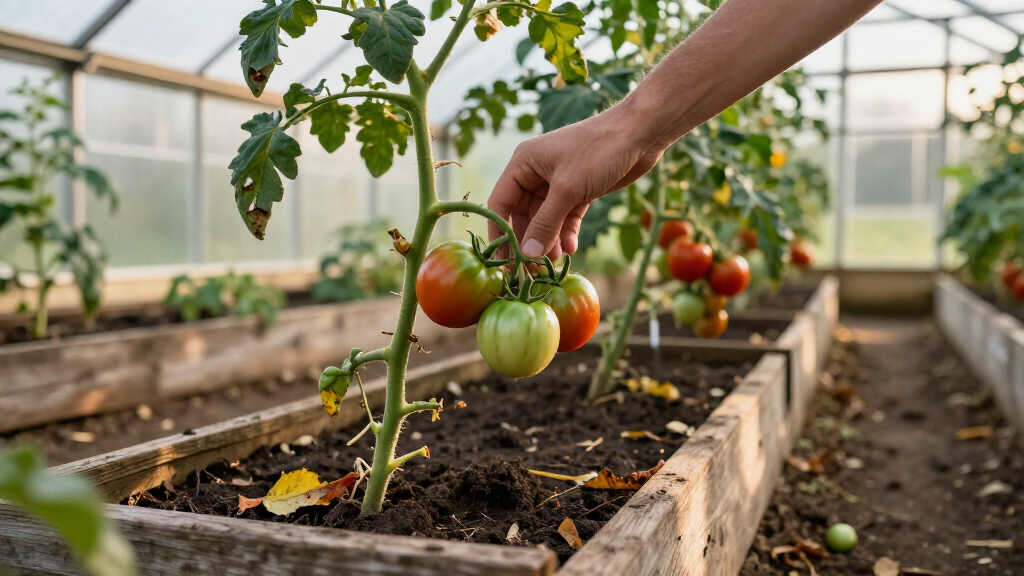
For home growers, the first frost is a hard deadline. A single cold night can wipe out every remaining tomato on the vine, and in much of the Northern Hemisphere the final weeks of the growing season leave plants loaded with fruit that will not finish ripening outdoors. A reliable indoor method converts what would be wasted green fruit into usable tomatoes over one to three weeks, depending on room temperature and fruit maturity.
The surge also reflects a broader pattern: seasonal gardening how-to content reliably peaks at transitional moments — planting time in spring, harvest and frost prep in autumn. The practical stakes for readers are straightforward. Anyone with a garden can act on this guidance immediately, at no cost, using materials already in the kitchen. Extension services, including long-standing guidance from institutions such as state university agriculture programs, support the core technique, which reduces the risk that readers following the trend are acting on untested advice.
Products Worth Considering

Greenworks 40V Cordless Chainsaw Kit with 12-Inch Bar, 2Ah Battery and Charger

Blackstone 2363 20 x 14-Inch Camping Griddle

EGO POWER+ Cordless Electric Leaf Blower with Battery, 530 CFM (LB5302)
As an affiliate, we earn on qualifying purchases.
The Established Science Behind It
The practice rests on well-documented plant physiology. Tomatoes, bananas, apples, and avocados are climacteric fruits: they respond to ethylene with a burst of ripening that continues after harvest. This is why commercial tomatoes are commonly picked green and ripened — or treated — later in the supply chain, and why the same chemistry works on a kitchen counter.
Extension guidance on end-of-season tomatoes has been published for decades and is remarkably uniform: pick before frost, sort by maturity, keep fruit at moderate warmth in a single layer, and either wait or add an ethylene source such as a banana to speed things up. Some growers also cut whole vines and hang them indoors so fruit ripens on the plant. The current wave of coverage does not change any of this; it repackages widely accepted advice under a time-sensitive seasonal hook.
What Is Driving the Current Spike
The trigger for the surge in searches and articles is unconfirmed. The available metadata shows only that interest is elevated; it does not identify whether the spike stems from an unusually early frost forecast in a major growing region, a widely shared article or video, social media circulation, or ordinary seasonal timing.
No specific publication, expert, or event behind the current wave has been verified, and no named individuals have made public statements in connection with it. Claims that any particular new variation of the technique is faster or better than long-standing extension guidance are, at this point, unverified marketing or anecdote rather than tested advice.
Frost Dates Will Set the Pace
Interest in this topic will likely track local first-frost dates over the coming weeks, rising region by region as autumn advances and fading after harvests finish. Growers intending to use the method should watch local frost advisories and pick remaining green fruit before the first hard freeze, since frost-damaged tomatoes do not ripen well indoors.
Readers should rely on established sources — particularly cooperative extension services — for technique specifics rather than unverified viral variations. If the current spike is tied to a specific event, forecast, or publication, that may become clearer in follow-up coverage.
Key Questions
Do green tomatoes ripen after being picked?
Yes. Tomatoes are climacteric fruits that continue ripening after harvest, driven by naturally released ethylene gas. Fruit showing early color at the blossom end ripens most reliably.
Does a sunny windowsill help?
According to extension guidance, no. Warmth — roughly 65–70°F — is the main driver of ripening, and light is not required. A warm counter works as well as a window.
How can ripening be sped up?
Place green tomatoes in a paper bag or closed container with a ripe banana or apple, which releases ethylene. Keep the bag at room temperature and check every few days.
Will every green tomato eventually ripen?
No. Fully green, immature fruit often fails to ripen well indoors. Fruit at the ‘breaker’ stage, with slight color change, has the best chance of ripening fully.
Is the current attention to this method based on something new?
That is unclear. The technique is long-established, and the reason for the current spike in coverage and searches is unconfirmed.
Source: rss