
TL;DR

Get garden gear delivered free with Prime
- Fast, free delivery on millions of items
- Prime Video, Amazon Music and more included
- Member-only deals all year
As fall approaches, backyard birds face challenges like dwindling food and changing weather. Experts recommend six easy actions homeowners can take this September to support local avian populations and help them thrive through the season.
As September unfolds, backyard birds are preparing for the upcoming fall and winter months, facing challenges such as reduced food availability and changing weather patterns. Experts emphasize that homeowners can play a vital role in supporting these avian populations through simple, actionable steps this month, helping birds survive and thrive during this critical period.
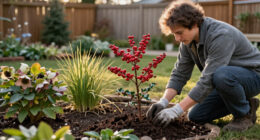
Bird conservation specialists recommend six straightforward actions for September: providing fresh water, offering high-energy food sources, creating safe shelter, planting native vegetation, avoiding harmful chemicals, and maintaining clean bird feeders. These measures are supported by ongoing observations that backyard environments significantly influence bird survival during fall migration and winter preparation.
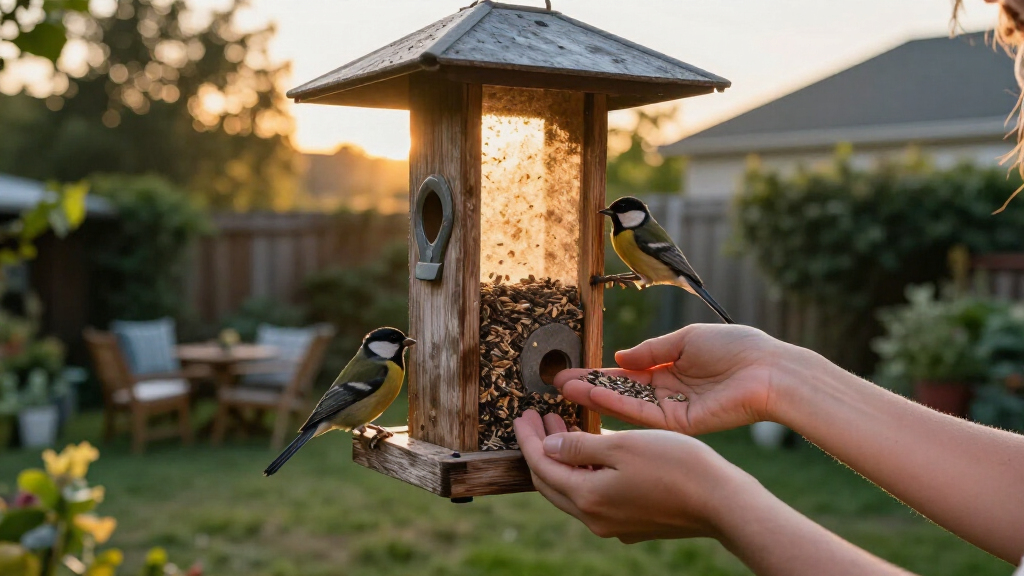
Providing fresh water is crucial, especially as natural sources may freeze or become scarce. Experts advise changing water daily and using heated birdbaths where possible. Supplementing diets with seeds high in fat, such as sunflower or suet, helps birds build energy reserves needed for migration. Creating safe shelter by leaving some natural cover undisturbed and installing nest boxes can protect birds from predators and harsh weather. Planting native trees and shrubs offers natural food and shelter, while avoiding pesticides and herbicides ensures that insects and plants remain safe for foraging birds. Regularly cleaning feeders prevents disease spread, an important consideration during the busy fall migration period.
These recommendations are based on established bird conservation practices and recent increases in public interest in backyard birdwatching, which experts say can also foster community awareness and engagement in local ecosystems.
Why Supporting Birds in September Matters for Ecosystems
Supporting backyard birds during September is vital because it directly impacts their ability to survive migration and winter. Healthy bird populations contribute to pest control, pollination, and seed dispersal, which are essential for maintaining local biodiversity and ecological balance. Additionally, increased public awareness and participation in bird-friendly practices can foster community conservation efforts and deepen people’s connection to nature.
Products Worth Considering

Husqvarna Power Axe 350i 18-Inch Cordless Chainsaw Kit

AMERLIFE 10 × 44 ft Walk-In Tunnel Greenhouse with Watering System

Sylviera 8 x 10 ft Polycarbonate Greenhouse with Hygrometer
As an affiliate, we earn on qualifying purchases.
September as a Critical Period for Bird Preparation and Migration
Every year, September marks a peak period for bird migration in North America, with many species traveling thousands of miles to wintering grounds. During this time, natural food sources diminish, and weather conditions can become unpredictable. While bird populations have adapted over centuries, recent environmental changes and habitat loss have heightened the importance of human intervention to support their survival. Public interest in backyard birding has surged, partly driven by social media trends and increased outdoor activity during the pandemic, prompting more people to consider how they can help local wildlife.
Uncertainties About Long-Term Impact of Backyard Support
While experts agree that immediate actions like providing water and food are beneficial, it remains unclear how sustained these efforts need to be for long-term population impacts. Additionally, the effects of climate change and habitat loss continue to pose unpredictable challenges for bird migration and survival, making it difficult to assess the full impact of individual homeowner actions over time.
Next Steps for Enhancing Backyard Bird Conservation
In the coming months, conservation groups plan to monitor bird populations more closely to evaluate the effectiveness of these September practices. Public education campaigns will likely expand to encourage year-round habitat enhancement and reduced chemical use, aiming to create resilient ecosystems that support birds beyond the fall season. Researchers will also study how climate variability influences migration patterns and survival rates, informing future conservation strategies.
Key Questions
What are the best foods to feed backyard birds in September?
High-fat seeds like sunflower, suet, and mealworms are ideal, providing the energy birds need for migration and winter survival.
How often should I clean my bird feeders?
Clean feeders at least once every two weeks with soap and water to prevent disease spread, especially during migration periods.
Can planting native trees really help birds in fall?
Yes, native trees and shrubs provide natural food sources and shelter, supporting birds’ needs during migration and winter.
Are there any harmful chemicals I should avoid in my yard?
Avoid pesticides, herbicides, and chemical fertilizers, as these can harm insects and plants that birds rely on for food and habitat.
What additional steps can I take beyond September?
Maintain bird-friendly practices year-round, including providing water, planting native species, and reducing chemical use to support long-term bird health.
Source: rss