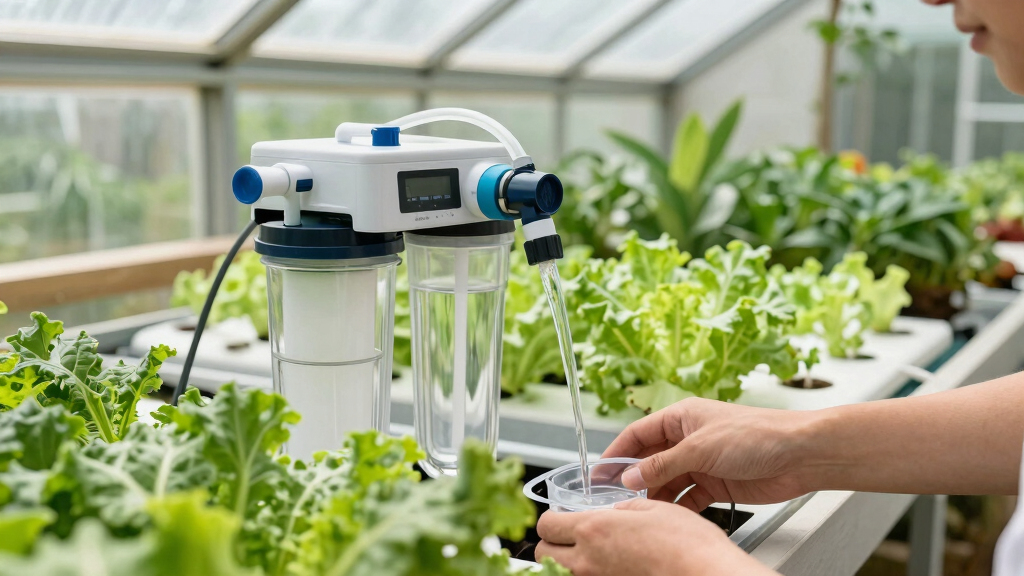

Choosing the best reverse osmosis system for hydroponics means balancing capacity, water quality, ease of installation, and efficiency. The Hydro-Logic Evolution RO stands out for high-volume production, making it ideal for large-scale setups, while the Home Master HydroGardener TMA-HG offers excellent mineral balancing for healthier plants. For those with low-pressure water sources, the HydroGardener TMA-HG-Pro provides reliable contaminant removal with built-in mineral delivery. If portability and quick setup matter most, the LiquaGen 4-Stage and RO Buddie are compelling options, especially for small or temporary setups. Each choice entails tradeoffs—higher capacity often means more complexity or waste, while smaller units may not meet large-scale needs. This guide will help you navigate these differences to find the best fit for your hydroponic system in 2026.

Get garden gear delivered free with Prime
- Fast, free delivery on millions of items
- Prime Video, Amazon Music and more included
- Member-only deals all year
Complete the kit


Key Takeaways
- High-capacity systems like Hydro-Logic are ideal for large-scale hydroponics but come with increased waste ratios.
- Built-in mineral addition helps maintain optimal plant health and water taste, especially in systems like Home Master HydroGardener models.
- Portability and ease of installation favor smaller units such as LiquaGen or RO Buddie, perfect for hobbyist or temporary setups.
- Waste water ratios vary significantly; choosing a low-waste system can reduce environmental impact but may come with higher upfront costs.
- Installation complexity ranges from plug-and-play portable units to those requiring plumbing skills, so match your technical comfort accordingly.
| Hydro-Logic Evolution RO High Flow Reverse Osmosis System 1,200 GPD |  | Best for High Capacity and Large-Scale Hydroponics | Flow Rate: 1,200 GPD | Filtration: Reverse Osmosis with KDF/catalytic carbon filter | Includes: Pre-filter, high-flow membranes, pressure gauge, hoses, shut-off valve, instructions | VIEW LATEST PRICE | See Our Full Breakdown |
| Home Master HydroGardener TMA-HG Advanced Remineralizing Garden and Hydroponic Reverse Osmosis Water Filtration System |  | Best for Mineral Balance and Eco-Friendly Operation | Filtration Capacity: 150 GPD | Waste to Pure Water Ratio: 2:1 | Mineral Addition: 15-30 ppm of calcium and magnesium | VIEW LATEST PRICE | See Our Full Breakdown |
| Home Master HydroGardener TMA-HG-Pro Pro Advanced Remineralizing Garden and Hydroponic Reverse Osmosis Water Filtration System |  | Best for Low-Pressure and Contaminant Removal | Contaminant Removal: up to 98% | Flow Rate: up to 130 GPD | Waste Ratio: 1:1 | VIEW LATEST PRICE | See Our Full Breakdown |
| LiquaGen 4-Stage Hydroponics Reverse Osmosis Water Filtration System – 100 GPD |  | Best Portable and Quick-Setup System | Stages: 4 | Flow Rate: 100 GPD | Installation: Portable, 5-minute setup | VIEW LATEST PRICE | See Our Full Breakdown |
| Aquatic Life RO Buddie 3-Stage Hydroponic RO Filter, 75 GPD |  | Best Compact and Cost-Effective Hydroponic Filter | Flow Rate: 75 GPD | Stages: 3 | Application: Hydroponic and aquarium | VIEW LATEST PRICE | See Our Full Breakdown |
| reverse osmosis system for hydroponic | Flow Rate |
|---|---|
| Hydro-Logic Evolution RO High | 1,200 GPD |
| Home Master HydroGardener TMA- | — |
| Home Master HydroGardener TMA- | up to 130 GPD |
| LiquaGen 4-Stage Hydroponics R | 100 GPD |
| Aquatic Life RO Buddie 3-Stage | 75 GPD |
More Details on Our Top Picks
Hydro-Logic Evolution RO High Flow Reverse Osmosis System 1,200 GPD
This model is built for large-scale hydroponic operations needing massive water output. With a capacity of 1,200 GPD, it outperforms most units at filtering out TDS, chlorine, and heavy metals efficiently. Compared with smaller units, it offers unmatched volume, but that comes with higher water waste and installation complexity. It’s ideal if your priority is continuous, high-volume water supply, though it may be overkill for smaller setups. The included components make installation straightforward for those familiar with plumbing, but it requires stable line pressure and can generate significant wastewater depending on the ratio used.
Pros:- High water production of 1,200 GPD
- Effective contaminant removal including heavy metals
- All-in-one kit with installation components
Cons:- Requires standard line pressure
- Produces significant wastewater depending on ratio
Best for: Large hydroponic farms or serious growers needing high water throughput
Not ideal for: Small-scale gardeners or hobbyists with limited space or budget
- Flow Rate:1,200 GPD
- Filtration:Reverse Osmosis with KDF/catalytic carbon filter
- Includes:Pre-filter, high-flow membranes, pressure gauge, hoses, shut-off valve, instructions
- Waste Ratio:2:1 or 1:1
Our verdict“Best suited for large operations where capacity outweighs waste and complexity.”
Home Master HydroGardener TMA-HG Advanced Remineralizing Garden and Hydroponic Reverse Osmosis Water Filtration System
This system excels at producing high-quality water with minimal waste, making it a solid choice for home gardeners and small commercial growers. It removes up to 98% of contaminants, including TDS, while adding essential minerals like calcium and magnesium, which are vital for plant growth and taste. Compared to larger, waste-heavy units, it emphasizes eco-friendliness and water health, though its daily capacity of 150 gallons may be limiting for very large setups. Installation is straightforward, but replacing filters regularly can be an inconvenience. It’s designed for those who prioritize water quality and sustainability over volume.
Pros:- Removes 98% of contaminants
- Built-in mineral delivery system
- Eco-friendly with low waste ratio
- Easy to install
Cons:- Limited to 150 GPD
- Requires regular filter replacements
Best for: Home growers and small-scale hydroponic systems seeking healthier water
Not ideal for: Large commercial growers needing high throughput
- Filtration Capacity:150 GPD
- Waste to Pure Water Ratio:2:1
- Mineral Addition:15-30 ppm of calcium and magnesium
Our verdict“Ideal for small, eco-conscious growers focused on water quality and mineral balance.”
Home Master HydroGardener TMA-HG-Pro Pro Advanced Remineralizing Garden and Hydroponic Reverse Osmosis Water Filtration System
This unit offers a balanced blend of contaminant removal and mineral supplementation, making it suitable for low-pressure water sources like wells. Removing up to 98% of chemicals, heavy metals, and manganese, it also adds beneficial minerals, improving water taste and plant health. In comparison to other systems, it operates efficiently at pressures as low as 35 psi, but installation might be a bit more complex for novices. Its capacity of up to 130 GPD makes it suitable for moderate needs, and the low waste ratio minimizes environmental impact, though initial setup might require some plumbing skills.
Pros:- Removes up to 98% of contaminants
- Works at low pressure (as low as 35 psi)
- Built-in mineral delivery
- Efficient waste ratio
Cons:- Installation may be complex for beginners
- Moderate capacity limits large-scale use
Best for: Growers with low-pressure water sources or need comprehensive contaminant removal
Not ideal for: Large-scale operations requiring very high capacity
- Contaminant Removal:up to 98%
- Flow Rate:up to 130 GPD
- Waste Ratio:1:1
- Operating Pressure:as low as 35 psi
Our verdict“Best for low-pressure water sources needing effective contaminant removal and mineral balancing.”
LiquaGen 4-Stage Hydroponics Reverse Osmosis Water Filtration System – 100 GPD
This portable system provides an easy solution for hydroponics needing quick, clean water. Its four-stage filtration—including sediment, activated charcoal, coconut carbon, and reverse osmosis—ensures thorough removal of impurities. Compared to larger units, it’s less suitable for continuous large-volume needs, but its portability and simple setup make it perfect for small or temporary setups. It’s ideal for hobbyists or those who need flexibility, though regular filter replacement and limited capacity can restrict long-term use.
Pros:- Portable, easy to set up within 5 minutes
- Four-stage filtration for thorough impurity removal
- Provides contaminant-free water
Cons:- Limited to 100 GPD
- Requires regular filter replacements
- May be overkill for small-scale gardening
Best for: Small-scale growers or hobbyists needing quick, portable filtration
Not ideal for: Large hydroponic operations or continuous high-volume needs
- Stages:4
- Flow Rate:100 GPD
- Installation:Portable, 5-minute setup
- Filtration Stages:Sediment, Activated Charcoal, Coconut Carbon, Reverse Osmosis
Our verdict“Best for hobbyists or growers needing flexible, portable water purification.”
Aquatic Life RO Buddie 3-Stage Hydroponic RO Filter, 75 GPD
The RO Buddie is a compact, affordable option for hydroponic growers wanting clean water with minimal fuss. It effectively removes up to 98% of TDS, chlorine, and sediment, making it suitable for small setups or as a backup system. Compared to larger units, its lower capacity and simpler design are tradeoffs, but it excels in cost and space efficiency. Installation is straightforward, though maintenance involves regular filter changes. It’s a good choice for those starting out or with limited space.
Pros:- Removes up to 98% of TDS and chlorine
- Compact and affordable
- Easy to install
Cons:- Limited to 75 GPD
- No detailed maintenance info provided
- Less suitable for large systems
Best for: Beginners, small-scale hydroponic systems, or as a secondary filter
Not ideal for: Large-scale or high-volume growers
- Flow Rate:75 GPD
- Stages:3
- Application:Hydroponic and aquarium
- Removes:up to 98% of TDS

How We Picked
In selecting the best reverse osmosis systems for hydroponics, I focused on a mix of capacity, water quality, ease of installation, and eco-friendliness. Systems were evaluated based on how well they remove contaminants, their suitability for different scale setups, and whether they add beneficial minerals. I compared waste ratios, maintenance needs, and user-friendliness, aiming to identify options that serve hobbyists, small growers, and large operations alike. The goal was to highlight diverse solutions that address real-world hydroponic water quality challenges while balancing cost and complexity.
Factors to Consider When Choosing Best Reverse Osmosis System For Hydroponics
When selecting a reverse osmosis system for hydroponics, consider the scale of your operation, water source quality, and your priorities—whether that’s capacity, water purity, mineral content, or environmental impact. A larger system like the Hydro-Logic Evolution is suited for extensive setups, but it comes with higher waste and complexity. Smaller, portable units such as LiquaGen or RO Buddie are perfect for hobbyists or temporary needs but can’t support large-scale systems. Mineral addition features benefit plant health, especially in systems relying on low-TDS water, while low waste ratios help reduce environmental footprint. Matching these factors with your specific hydroponic needs ensures you pick a system that delivers the right balance of performance, sustainability, and ease of use.Capacity and Scale
Assess your hydroponic setup size to choose a system that can provide enough water without excessive waste. Large operations benefit from high-capacity units like the Hydro-Logic Evolution, which can produce over 1,200 gallons daily, but these are often more complex and wasteful. Smaller growers or hobbyists should consider compact options like LiquaGen or the RO Buddie, which offer sufficient flow for limited volumes and are easier to install and maintain.
Water Quality and Contaminant Removal
Effective removal of TDS, chlorine, heavy metals, and chemicals is critical for healthy hydroponic plants. Systems with high contaminant removal rates, such as the Home Master models, are better suited for well water or polluted sources. If your water source is relatively clean, a system with moderate filtration may suffice, but adding minerals can enhance water quality for plant growth.
Mineral Addition and Water Balance
Some systems, like the Home Master HydroGardener, include mineral delivery, helping you maintain essential nutrients like calcium and magnesium. This is especially beneficial if your water source is low in these minerals or if you want to optimize plant health. Systems without mineral addition may require supplementing water separately, which adds to maintenance complexity.
Efficiency and Waste Ratios
Waste water ratios vary from 1:1 to 2:1 or higher. Lower ratios mean less water waste, making systems more environmentally friendly and cost-effective in the long run. However, low-waste systems often come with higher purchase prices or more complex installation. Balance your environmental priorities with your budget and capacity needs.
Frequently Asked Questions
How does reverse osmosis improve water quality for hydroponics?
Reverse osmosis filters water by pushing it through a semi-permeable membrane, removing a high percentage of dissolved solids, chlorine, heavy metals, and other contaminants. This results in cleaner, more consistent water that reduces risks of plant disease and nutrient imbalances, ultimately promoting healthier growth and higher yields in hydroponic systems.
What size reverse osmosis system should I choose for my hydroponic setup?
The size depends on your total water demand. Large-scale growers or farms requiring thousands of gallons daily should opt for high-capacity units like Hydro-Logic Evolution. Hobbyists or small growers can get by with smaller, portable systems such as LiquaGen or RO Buddie, which provide enough water for limited setups without unnecessary complexity or waste.
Are mineral additives necessary in reverse osmosis water for hydroponics?
Typically, reverse osmosis removes most minerals, which can lead to nutrient deficiencies in plants. Mineral additives like calcium and magnesium help restore essential nutrients, improve water taste, and support plant health. Many dedicated hydroponic systems incorporate mineral delivery, making it easier to maintain optimal water quality without additional supplementation.
What is the environmental impact of using reverse osmosis systems?
Most RO systems generate wastewater, which can be wasteful and environmentally impactful. Systems with low waste ratios, like the Home Master HydroGardener, reduce this impact significantly. If sustainability is a priority, look for units designed to minimize waste or consider systems that can be configured to reuse or recycle wastewater.
How often do I need to replace filters in an RO system for hydroponics?
Filter replacement frequency varies based on usage, water quality, and system design. Generally, pre-filters should be replaced every 6-12 months, while membrane elements can last 2-3 years with proper maintenance. Regular replacement ensures optimal filtration performance and water purity, which are critical for healthy hydroponic growth.
Conclusion
For large-scale hydroponic farms or commercial growers, the Hydro-Logic Evolution offers unmatched capacity, but expect higher waste and installation effort. Small-scale hobbyists or home growers will find the Home Master HydroGardener or LiquaGen more suitable, balancing quality and simplicity. Those with low-pressure water sources should consider the HydroGardener TMA-HG-Pro for reliable contaminant removal and mineral support. Ultimately, your choice depends on your operation size, water source, and environmental priorities—matching the right system to your specific hydroponic setup will ensure healthy plants and efficient water use in 2026.
Halloween Picks
halloween
As an affiliate, we earn on qualifying purchases.