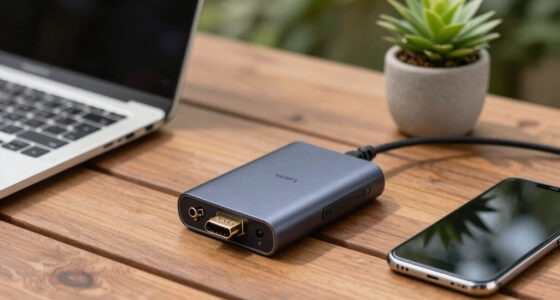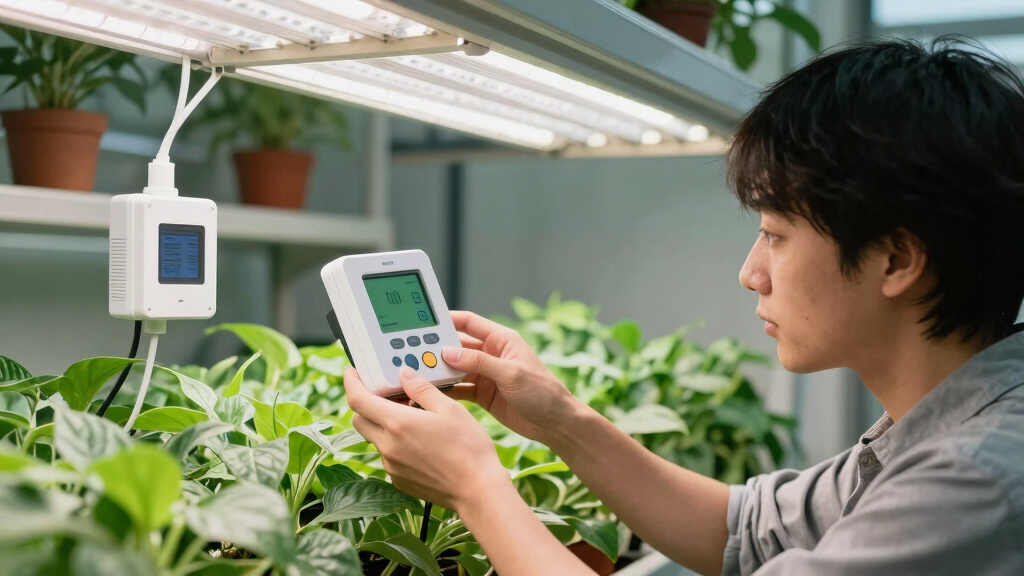

Choosing the best environmental monitor for a grow room means balancing accuracy, ease of use, and versatility. In 2026, the market offers a range of options from straightforward CO2 meters to advanced smart systems. Top picks like the Pulse Pro and Pulse One stand out for their comprehensive data and remote alerts, but they come with higher costs and more complex setup. Meanwhile, the Autopilot Desktop CO2 Monitor offers precise CO2 tracking ideal for growers focused primarily on CO2 levels, but it lacks smart connectivity. For portability and long battery life, the Temtop CO2 Monitor provides good value, though it’s limited to basic readings. Finally, the INKBIRD Smart Air Quality Monitor combines Bluetooth convenience with long-lasting battery life, fitting growers seeking simple, reliable data without smart home integration.

Get garden gear delivered free with Prime
- Fast, free delivery on millions of items
- Prime Video, Amazon Music and more included
- Member-only deals all year
Complete the kit


Key Takeaways
- Most advanced monitors offer multi-sensor data including VPD, PAR, and dew point, helping optimize plant growth conditions.
- Smart connectivity enhances remote monitoring but often increases cost and complexity.
- Battery life varies widely, from a few hours to several months, affecting ease of use in grow environments.
- Portability and mounting options are critical for flexibility in grow room setups.
- Tradeoffs include higher price for comprehensive features versus cost-effective basic CO2-only models.
| Autopilot Desktop CO2 Monitor & Data Logger |  | Best for Precise CO2 Monitoring in Grow Rooms | Measurement: CO2, relative humidity, temperature | Display: LED screen | Memory: 24-hour or 7-day adjustable chart | VIEW LATEST PRICE | See Our Full Breakdown |
| Pulse Pro – Smart Grow Room Monitor – CO2, PAR, VPD, RH, Temperature, Dew Point, Light |  | Best for Comprehensive Environmental Control | Sensors: CO2, PAR/PPFD, VPD, temperature, humidity, light intensity, dew point | Connectivity: WiFi (2.4 GHz) | Battery: Rechargeable lithium-ion, 12 hours | VIEW LATEST PRICE | See Our Full Breakdown |
| Temtop CO2 Monitor Indoor Air Quality Monitor Portable CO2 Meter, Temperature, Humidity |  | Best Portable CO2 Meter for Growers on the Go | CO2 Range: 400–5000 PPM | Temperature Range: -10°C to 60°C / 14°F to 140°F | Humidity Range: 0–99% RH | VIEW LATEST PRICE | See Our Full Breakdown |
| Pulse One – Smart Grow Room Monitor – VPD, RH, Temperature (°F/°C), Dew Point, Light |  | Best for Long-Lasting Smart Monitoring | VPD: Yes | Humidity: Yes | Temperature: Yes | VIEW LATEST PRICE | See Our Full Breakdown |
| INKBIRD Smart Air Quality Monitor NDIR CO2 Monitor with Bluetooth and App |  | Best Bluetooth-Enabled Monitor for Easy Data Access | Monitoring: CO2, temperature, humidity | Battery: 3000 mAh lithium battery | Charging Time: About 6 hours | VIEW LATEST PRICE | See Our Full Breakdown |
| environmental monitor for grow room | Connectivity | Battery Life |
|---|---|---|
| Autopilot Desktop CO2 Monitor | — | — |
| Pulse Pro | WiFi (2.4 GHz) | — |
| Temtop CO2 Monitor Indoor Air | — | Over 70 days |
| Pulse One | WiFi (2.4 GHz) | 3-9 months |
| INKBIRD Smart Air Quality Moni | Bluetooth 5.0 | Over 6 months |
More Details on Our Top Picks
Autopilot Desktop CO2 Monitor & Data Logger
The Autopilot APCEM2 shines for growers primarily focused on maintaining accurate CO2, humidity, and temperature levels. Its dual-channel NDIR sensor ensures stable measurements, and the adjustable memory chart helps track environmental trends. The device’s multiple mounting options enable flexible placement, making it a good choice for dedicated CO2 management. However, it requires an external power source, which could limit placement options, and it’s designed solely for indoor use. Compared with smart monitors, it lacks remote alerts but excels in accuracy and simplicity for CO2-specific needs.
Pros:- Highly accurate CO2, humidity, and temperature readings
- Adjustable trend charts for long-term monitoring
- Multiple mounting options for flexible placement
Cons:- Requires external power; not battery-powered
- Limited to indoor use only
- No smart connectivity or alert system
Best for: Growers needing precise, dedicated CO2, humidity, and temperature monitoring in controlled environments.
Not ideal for: Those seeking smart alerts, remote monitoring, or multi-environment data integration.
- Measurement:CO2, relative humidity, temperature
- Display:LED screen
- Memory:24-hour or 7-day adjustable chart
- Sensor:2-channel low drift NDIR gas sensor
- Alarm:Audible alarm for low/high CO2 levels
- Operating Temperature:32 to 122°F
Our verdict“Ideal for growers who prioritize accuracy in CO2, humidity, and temperature without needing remote alerts.”
Pulse Pro – Smart Grow Room Monitor – CO2, PAR, VPD, RH, Temperature, Dew Point, Light
The Pulse Pro targets growers who want to optimize every aspect of their grow environment. Its suite of sensors—covering CO2, PAR/PPFD, VPD, humidity, temperature, dew point, and light—provides a complete picture. The device’s real-time alerts and cross-platform compatibility make it easy to manage remotely, which is a significant advantage for busy growers or larger operations. However, its 12-hour rechargeable battery and dependency on WiFi mean it may require frequent recharging and stable network access. Compared to the Pulse One, it offers a more compact setup but fewer long-term battery options.
Pros:- Complete environmental data coverage including light and VPD
- Real-time alerts and historical data tracking
- Cross-platform compatibility ensures accessibility
Cons:- Battery lasts only 12 hours; needs frequent recharging
- Requires WiFi 2.4 GHz network for full functionality
- Higher cost relative to simpler monitors
Best for: Growers seeking detailed, all-in-one environmental monitoring with remote alerts.
Not ideal for: Growers on a tight budget or those without reliable WiFi connection.
- Sensors:CO2, PAR/PPFD, VPD, temperature, humidity, light intensity, dew point
- Connectivity:WiFi (2.4 GHz)
- Battery:Rechargeable lithium-ion, 12 hours
- Warranty:1 year
- Made in:USA
Our verdict“Best suited for serious growers who want detailed environmental data and remote management, accepting the need for frequent charging.”
Temtop CO2 Monitor Indoor Air Quality Monitor Portable CO2 Meter, Temperature, Humidity
The Temtop CO2 Monitor is an excellent choice for growers who need a portable, easy-to-use device. Its Swiss-engineered NDIR sensor offers reliable measurements of CO2, temperature, and humidity, making it suitable for quick spot checks or moving between grow areas. Its long battery life of up to 70 days provides convenience, especially for those who prefer not to be tethered to power outlets. The device’s portability makes it perfect for growers who want to monitor multiple locations or need a simple solution without smart features. However, it doesn’t provide real-time alerts or connection to smart systems, limiting its use for continuous monitoring.
Pros:- Long battery life up to 70 days
- Accurate CO2, temperature, and humidity measurements
- Portable and easy to use
Cons:- Cannot detect carbon monoxide (CO)
- Requires manual operation for readings
- Limited to basic environmental data
Best for: Growers who want a reliable, portable device for occasional environmental checks.
Not ideal for: Those seeking continuous, real-time monitoring or smart alerts.
- CO2 Range:400–5000 PPM
- Temperature Range:-10°C to 60°C / 14°F to 140°F
- Humidity Range:0–99% RH
- Sensor Technology:High-Precision NDIR
- Battery Life:Over 70 days
Our verdict“Great for portable, occasional monitoring but less suited for continuous or remote control setups.”
Pulse One – Smart Grow Room Monitor – VPD, RH, Temperature (°F/°C), Dew Point, Light
The Pulse One caters to growers who want a long-lasting, smart environmental monitor. Its Swiss-made sensors accurately track VPD, humidity, temperature, light, and dew point, offering a comprehensive picture of grow conditions. Its long battery life—ranging from 3 to 9 months—reduces maintenance and makes it ideal for continuous monitoring without frequent recharges. The device’s WiFi connectivity and compatibility across platforms enable remote alerts and historical data tracking. The primary tradeoff is dependency on WiFi and the higher initial investment, making it best suited for established growers seeking reliable, long-term data.
Pros:- Accurate, Swiss-made sensors for multiple environmental factors
- Long battery life up to 9 months
- Remote monitoring and alerts via WiFi
Cons:- Requires WiFi connection
- Battery life depends on usage; may vary
- Higher price point
Best for: Growers who require detailed, long-term environmental data with minimal upkeep.
Not ideal for: Growers who prefer simple CO2 measurements or lack a stable WiFi connection.
- VPD:Yes
- Humidity:Yes
- Temperature:Yes
- Light:Yes
- Dew Point:Yes
- Connectivity:WiFi (2.4 GHz)
- Battery Life:3-9 months
- Manufactured in:USA
Our verdict“Best for dedicated growers seeking comprehensive environmental data with minimal maintenance and long-term reliability.”
INKBIRD Smart Air Quality Monitor NDIR CO2 Monitor with Bluetooth and App
The INKBIRD IAM-T2 offers a straightforward, Bluetooth-connected solution for growers who want reliable CO2, temperature, and humidity data. Its long-lasting 3000 mAh battery simplifies maintenance, lasting over six months on a single charge. The app provides remote data access and dual alarms, making it suitable for growers who prefer mobile management without complex setup. However, the Bluetooth range of 100 meters limits its use to smaller grow spaces or single locations. It’s a solid choice for those who prioritize simplicity over continuous, real-time alerts across multiple rooms.
Pros:- Long battery life over 6 months
- Bluetooth connectivity with mobile app
- Dual alarms for safety
Cons:- Limited Bluetooth range of 100 meters
- Requires regular charging every 6 months
- No WiFi or smart home integration
Best for: Growers seeking a simple, reliable, and portable environmental monitor with Bluetooth connectivity.
Not ideal for: Growers needing real-time, remote alerts over large areas or smart system integration.
- Monitoring:CO2, temperature, humidity
- Battery:3000 mAh lithium battery
- Charging Time:About 6 hours
- Battery Life:Over 6 months
- Connectivity:Bluetooth 5.0
Our verdict“Ideal for growers wanting a portable, easy-to-use device with long battery life and reliable Bluetooth alerts.”

How We Picked
Our selection process focused on environmental monitors specifically suited for grow rooms, prioritizing accuracy, ease of integration, and feature set. We compared units based on sensor quality, connectivity options, user interface, durability, and value. Special attention was given to models that balance comprehensive environmental data with usability, excluding devices that are overly complicated or limited in scope. We also considered customer reviews and manufacturer reputation to ensure reliability in demanding grow environments.
| environmental monitor for grow room | Connectivity |
|---|---|
| Autopilot Desktop CO2 Monitor | — |
| Pulse Pro | WiFi (2.4 GHz) |
| Temtop CO2 Monitor Indoor Air | — |
| Pulse One | WiFi (2.4 GHz) |
| INKBIRD Smart Air Quality Moni | Bluetooth 5.0 |
Factors to Consider When Choosing Best Environmental Monitor For Grow Room
Selecting the right environmental monitor for your grow room depends on your specific needs, budget, and setup complexity. Basic models excel at CO2 measurement, while more advanced options offer comprehensive environmental tracking and remote management. Consider whether you need real-time alerts, long battery life, portability, or smart system integration. Your choice should reflect how much data you require, how often you need to monitor, and whether remote access is essential for your operation.Sensor Accuracy and Range
Prioritize monitors with high-quality sensors, especially if you rely heavily on precise CO2, temperature, or humidity data. NDIR sensors are generally more accurate for CO2 detection, while Swiss-made sensors often provide the best consistency. Consider the measurement range to ensure it covers your grow room conditions, especially if you scale up or if environmental swings are common.
Connectivity and Remote Monitoring
If you want to manage your grow remotely, look for devices with WiFi or Bluetooth capabilities. WiFi models typically offer real-time alerts, historical data, and integration with mobile apps or smart systems. Bluetooth devices are simpler and more portable but limited to short-range monitoring, suitable for small setups or spot checks.
Battery Life and Power Options
Battery longevity impacts how often you need to recharge or replace batteries. Long-lasting devices reduce maintenance and ensure continuous data collection, especially in grow rooms where power outlets may be limited. Consider whether your device is powered via batteries, USB, or external power, depending on your setup and needs.
Ease of Use and Installation
Choose devices with intuitive displays, simple mounting options, and clear alerts. Portable units are ideal for growers who need to move between rooms, while fixed monitors work best for continuous tracking. Compatibility with your existing systems and ease of data access should also influence your decision.
Frequently Asked Questions
What is the most important feature in a grow room environmental monitor?
The most critical feature is sensor accuracy, especially for CO2, temperature, and humidity, since these directly affect plant health. Reliable sensors ensure consistent data, helping you make informed adjustments for optimal growth conditions. Additionally, connectivity options like WiFi or Bluetooth are important if you want remote management and alerts.
Are smart monitors worth the extra cost for a small grow operation?
For small grow setups, smart monitors can offer valuable convenience through real-time alerts and remote data access. However, if your operation is simple or budget-constrained, a basic CO2 or environmental meter might suffice. The decision depends on how much automation and remote control you desire versus your budget constraints.
How important is battery life in choosing an environmental monitor?
Battery life is vital if your grow room lacks easy access to power outlets or if you prefer minimal maintenance. Longer battery life means less frequent recharging, which reduces downtime and ensures continuous data collection. Devices with multi-month battery life are often more practical for ongoing monitoring without interruptions.
Can I rely solely on portable monitors for my grow room?
Portable monitors are useful for quick checks or monitoring multiple areas, but they may not offer the continuous, real-time data needed for precise environmental control. For consistent conditions, fixed monitors with remote alerts are generally more reliable, though portable options can complement a more comprehensive setup.
What should I consider when integrating a monitor into my grow system?
Ensure compatibility with your existing control systems or automation setups if you plan to integrate data. Check connectivity options, sensor precision, and the ease of mounting or placement in your grow environment. Reliable data transmission and user-friendly interfaces will make integration smoother and more effective.
Conclusion
For hobbyist growers or those just starting out, basic CO2 monitors like the Temtop provide straightforward, reliable readings without extra bells and whistles. Commercial or large-scale growers should consider advanced, smart systems like the Pulse Pro or Pulse One for comprehensive environmental control, remote alerts, and long-term data management. Growers prioritizing accuracy and simplicity may prefer the Autopilot, while those wanting quick portability will find the INKBIRD a good fit. Ultimately, your choice depends on your grow room size, monitoring needs, and budget.