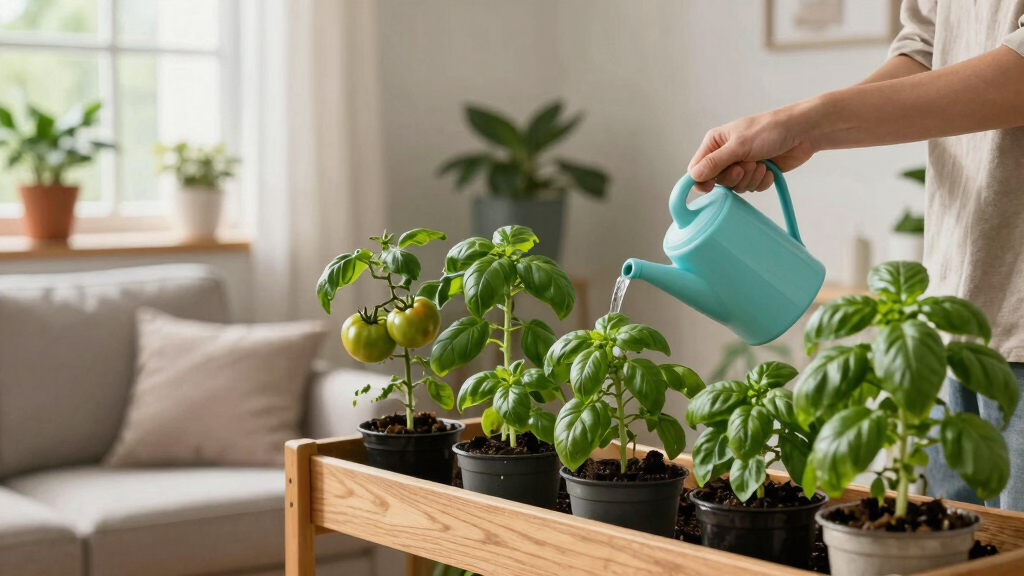
Growing fresh vegetables and herbs indoors year-round is increasingly popular, especially as urban spaces limit outdoor gardening. For 2026, I’ve selected five standout options, from comprehensive guides to high-tech hydroponic systems. The Ahopegarden Hydroponic Growing System Kit offers a large-capacity, automated setup ideal for dedicated growers, while LETPOT’s WiFi-controlled garden emphasizes convenience and speed. Meanwhile, the comprehensive guidebook is perfect for those wanting to learn multiple methods. Each choice balances ease of use, capacity, and tech features, but come with tradeoffs like price, complexity, or size.

Get garden gear delivered free with Prime
- Fast, free delivery on millions of items
- Prime Video, Amazon Music and more included
- Member-only deals all year
Complete the kit


Key Takeaways
- High-tech hydroponic systems support year-round harvests but require a higher investment and maintenance.
- Guides provide valuable knowledge but lack integrated growing hardware.
- Size and capacity vary significantly, impacting suitability for small apartments versus larger spaces.
- Automation features like app control speed up growth but increase complexity and cost.
- Choosing the right system depends on your growing goals, space, and experience level.


More Details on Our Top Picks
Planting for a Year-Round Harvest: Grow Vegetables and Herbs in Every Season, Indoors or Outdoors
This book stands out for its comprehensive approach to growing vegetables and herbs throughout the year, regardless of indoor or outdoor space. It’s perfect for beginners or those wanting to develop a year-round gardening mindset. Compared with physical systems, this guide provides flexible tips adaptable to any setup, but it doesn’t include actual hardware or automation. The lack of reviews and specific product features makes it less suitable for those seeking immediate results or advanced tech.
Pros:- Provides detailed year-round gardening tips
- Suitable for indoor and outdoor planning
- Helps maximize harvests regardless of space
Cons:- No specific product features or hardware
- No customer reviews or ratings
- Requires additional equipment or systems to grow plants
Best for: Home gardeners wanting detailed planning tips and seasonal advice
Not ideal for: Those looking for an all-in-one growing system or automated setup
- Type:Gardening guide
- Format:Book
Our verdict“Best suited for gardeners seeking comprehensive knowledge and planning guidance, not immediate indoor harvests.”
Ahopegarden Indoor Garden Hydroponics Growing System Kit: 66 Pods Plant Herb Garden with LED Grow Light, 30L Capacity
This system is a powerhouse for dedicated indoor growers, supporting a wide variety of crops with 66 pods and a sizable 30L water tank. Its full-spectrum LED lights and automated watering make it highly effective for consistent, year-round harvests. Compared with smaller or simpler kits, this model offers greater flexibility and productivity, but its setup complexity and price may deter beginners. Regular maintenance and monitoring are necessary to keep it running smoothly.
Pros:- Supports year-round gardening with full-spectrum LED lights
- Large capacity with 66 pods and 30L water tank
- Easy to assemble and adjust for different plants
Cons:- Complex setup may be challenging for novices
- Requires regular maintenance and monitoring
- Higher price point
Best for: Serious hobbyists or small-scale urban farmers ready to invest in automation
Not ideal for: Beginners or those with limited space or budget
- Pod Count:66
- Water Capacity:30L
- Grow Light Power:53W
- Dimensions:26×14.5×17.3 inches
- Adjustable Light Height:14.68 inches
Our verdict“Ideal for experienced indoor growers seeking a versatile, high-capacity hydroponic system with automation features.”
How to Garden Indoors & Grow Your Own Food Year-Round: Ultimate Guide to Vertical, Container, and Hydroponic Gardening
This book offers an in-depth look at various indoor gardening methods, including vertical, container, and hydroponic systems. It’s ideal for learners eager to explore different techniques and DIY projects. Unlike dedicated systems, it provides practical tips and ideas for maximizing space and productivity, but it lacks specific hardware or automation features. Its broad scope makes it less suitable for those seeking a straightforward, plug-and-play solution.
Pros:- Covers multiple indoor gardening techniques
- Includes DIY projects and composting tips
- Provides detailed instructions and strategies
Cons:- No specific product features or hardware included
- Requires additional equipment for actual growing
- Not focused on automation or high-tech solutions
Best for: Enthusiasts interested in mastering multiple indoor gardening methods
Not ideal for: Beginners seeking simple, ready-to-use systems
- Type:Book
- Focus:Indoor gardening techniques
Our verdict“Best for learners and DIY enthusiasts wanting a comprehensive guide to indoor gardening methods.”
LETPOT LPH-SE Hydroponics Growing System – Indoor Smart Herb Garden Kit with 12 Pods, APP & WiFi Control, 24W LED, 5.5L Water Tank
This smart hydroponic garden emphasizes ease of use through app control, customizable lighting, and a manageable 12 pods. It supports faster plant growth—up to 40% quicker—and makes indoor gardening accessible for busy users. Compared with larger systems, its smaller size is ideal for limited spaces, but its limited capacity and dependence on Wi-Fi can restrict flexibility. It’s perfect for tech-savvy beginners or those looking to automate their herb gardening.
Pros:- App-controlled with customizable lighting schedules
- Speeds up plant growth significantly
- Includes all necessary accessories for quick setup
Cons:- Requires Wi-Fi for full functionality
- Limited to 12 pods, less suitable for large gardens
- Higher cost compared to manual kits
Best for: Busy individuals seeking automated, hassle-free indoor gardening
Not ideal for: Large-scale growers or those without reliable Wi-Fi
- Pods:12
- LED Power:24W
- Water Tank Capacity:5.5 liters
- Adjustable Height:up to 30 inches
Our verdict“Ideal for users prioritizing convenience, automation, and speed in indoor herb gardening.”
Ahopegarden Indoor Garden Hydroponics Growing System: 10 Pods Kit with LED
This hydroponic kit offers 10 pods along with an adjustable LED grow light capable of switching modes for vegetables, fruits, or flowers. Its water reservoir includes a level indicator, simplifying maintenance. The adjustable light height and automatic timer make it a flexible choice for a variety of plants and indoor spaces. However, its size limits the number of plants, which might not satisfy those with larger gardening ambitions. It’s a balanced option for moderate, versatile indoor gardening.
Pros:- Adjustable LED grow light with multiple modes
- Automatic timer for consistent watering
- Water level indicator simplifies maintenance
Cons:- Limited to 10 pods—smaller scale
- Requires regular refilling of water and nutrients
- Size may restrict extensive gardening
Best for: Indoor gardeners seeking flexibility and moderate capacity
Not ideal for: Large-scale or intensive growers
- Pods:10
- Height-Adjustable Light:14.5 inches
- Light Modes:Vegetables, Fruits & Flowers
- Timer:16 hours on / 8 hours off
- Water Level Window:Yes
Our verdict“Suitable for those wanting a flexible, easy-to-maintain hydroponic setup with moderate capacity.”

How We Picked
Our selection process prioritized systems and resources that enable consistent year-round produce. We examined product variety—including hydroponic systems, growing kits, and educational guides—ensuring options suit different budgets, spaces, and skill levels. Key criteria included capacity, automation, ease of use, and scalability. We also considered customer feedback and expert insights to identify features that genuinely impact successful indoor growing. Our goal was to find solutions that balance innovation, accessibility, and value for consistent, all-season harvests.
Factors to Consider When Choosing Best Indoor Garden For Year Round Produce
Choosing the best indoor garden for year-round produce involves understanding your space, budget, and how much automation you desire. Whether you want a simple guidebook to inform your DIY projects or a high-tech hydroponic system that automates watering and lighting, your ideal setup depends on your goals. Here, I’ll break down key factors that help narrow down your choices, from capacity and ease of use to technological features and scalability.Size and Capacity
Assess your available space and how many plants you want to grow. Smaller setups like the 10-12 pod systems suit limited spaces or beginner growers, while larger systems with 66 pods provide more diversity but require more room and maintenance. Larger capacity systems support more continuous harvests, but they also demand more attention and resources.
Automation and Ease of Use
Automation features such as app control, timers, and adjustable lighting can make indoor gardening more convenient, especially for busy schedules. However, they typically come with higher costs and a steeper learning curve. Simpler systems or guides may require more manual effort but offer greater flexibility and lower investment.
Technology and Features
LED grow lights, water reservoirs, and independent water pumps enhance plant health and reduce labor. High-tech options like Wi-Fi control speed up growth and ease maintenance, but they require reliable internet and familiarity with digital controls. Balance your tech preferences with your comfort level and budget.
Budget and Maintenance
High-end hydroponic systems with automation can cost several hundred dollars and require ongoing maintenance, including nutrient refills and system checks. Simpler kits or guides are more affordable but may need more manual intervention. Decide how much time and money you’re willing to invest for consistent, year-round harvests.
Frequently Asked Questions
Can I grow a variety of vegetables and herbs indoors year-round?
Yes, most indoor gardening systems and guides are designed to support a wide variety of vegetables and herbs throughout the year. Hydroponic systems with adjustable lighting and water control can produce everything from leafy greens to small fruits, while guides provide tips for optimizing conditions for different crops.
Do I need prior gardening experience to succeed with indoor gardening systems?
It depends on the system. Simpler kits and beginner-friendly guides are suitable for newcomers and require minimal prior knowledge. More advanced hydroponic systems with automation features may have a learning curve, but they often come with instructions and customer support to help new growers succeed.
How much space do I need for these indoor gardens?
Size varies widely. Small systems like the 10-12 pod models fit on countertops or shelves, making them ideal for apartments. Larger systems with dozens of pods need more room but can produce more crops simultaneously. Measure your available space and choose accordingly.
Are high-tech hydroponic systems worth the investment?
If you’re committed to consistent, high-yield indoor gardening and have the budget, high-tech systems can accelerate growth and reduce manual work. However, they require regular maintenance and some familiarity with digital controls. For casual growers, simpler systems or traditional gardening may be more suitable.
What maintenance do indoor hydroponic systems require?
Most systems need regular refilling of water and nutrients, cleaning of water tanks, and checking for system malfunctions. Automated systems with app controls simplify monitoring, but users should still stay attentive to plant health and system performance to ensure a successful year-round harvest.
Conclusion
For those starting out or with limited space, a comprehensive guidebook offers valuable knowledge without hardware costs. Serious hobbyists or small-scale urban farmers should consider larger hydroponic systems like the Ahopegarden Kit for maximum variety and yield. Busy individuals or tech enthusiasts will find automation-focused options like the LETPOT garden most appealing. Ultimately, your choice hinges on your space, budget, and how much automation you desire—each approach supporting a continuous supply of fresh produce all year long.