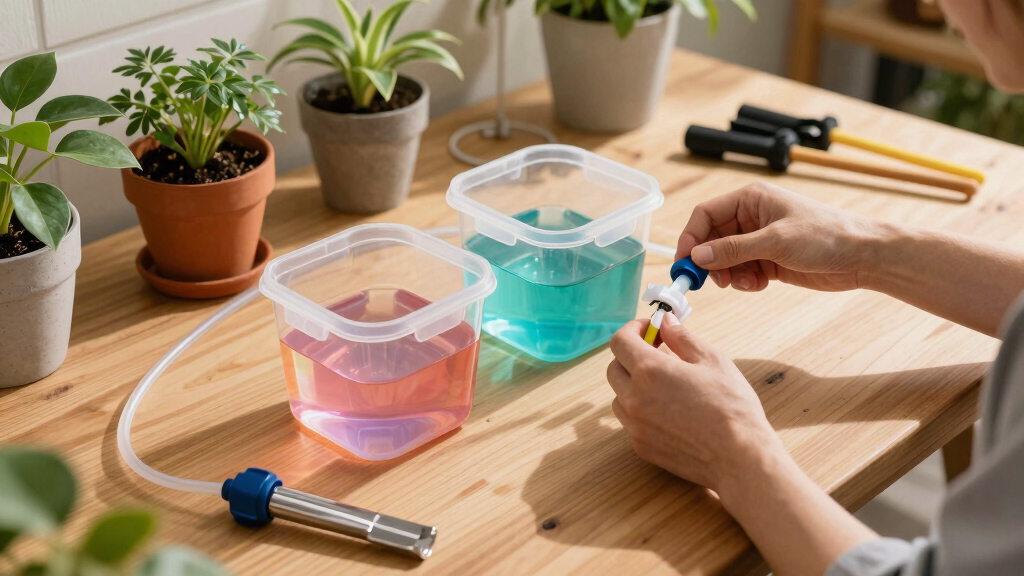

Choosing the right water treatment kit is essential for maintaining a thriving hydroponic garden. In 2026, the market offers a variety of options tailored to different needs and experience levels. The YINMIK Hydroponic pH Up and Down Kit stands out for its natural ingredients and user-friendly design, making it ideal for hobbyists focused on safe, manual pH adjustments. Microbe Life Hydroponics Dechlorinator is perfect for growers who prioritize quick water conditioning and nutrient enhancement, especially when working with tap water that contains chlorine. Meanwhile, the Followin pH Control Kit offers a balanced, all-in-one solution suited to beginners seeking simple, reliable pH management. However, each product involves tradeoffs—manual adjustments versus digital convenience, cost versus long-term durability—so I’ll walk you through what matters most for your setup.

Get garden gear delivered free with Prime
- Fast, free delivery on millions of items
- Prime Video, Amazon Music and more included
- Member-only deals all year
Complete the kit


Key Takeaways
- The best hydroponic water treatment kits vary from manual pH adjustment solutions to digital testing devices.
- Natural ingredients in pH kits promote safety but often lack instant readings, requiring more effort.
- Dechlorinators like Microbe Life are essential for tap water but need precise dosing for best results.
- Digital meters provide quick, multi-parameter testing but can require calibration and maintenance.
- Choosing the right kit depends heavily on your experience level, system size, and water source.
| YINMIK Hydroponic pH Up and Down Liquid Control Kit |  | Best for Natural, Safe pH Adjustment | Includes: 250ml pH increaser, 250ml pH decreaser, two droppers, two measuring cups, 80 pH test strips, cleaning cloth | Ingredients: 100% natural, dye-free, additive-free | Bottle Material: HDFP, leak-proof double-layered cap | VIEW LATEST PRICE | See Our Full Breakdown |
| Microbe Life Hydroponics Premium Dechlorinator for Hydroponics Gardens, 32 Ounces |  | Best for Instant Water Dechlorination and Nutrient Boost | Volume: 32 ounces | Application: Hydroponic systems, soil, soilless media | Features: Instant dechlorination, nutrient enhancement, electrolyte addition | VIEW LATEST PRICE | See Our Full Breakdown |
| Followin pH Up and Down Control Kit for Hydroponics and Soil Gardens |  | Best for All-in-One pH Management | Contents: 9oz pH Up, 9oz pH Down, 1oz pH indicator, test vial | Application: Hydroponics, soil gardens, aquariums | pH Range: 5.5–7.0 | VIEW LATEST PRICE | See Our Full Breakdown |
| VIVOSUN Digital pH and TDS EC Meter for Water Testing | 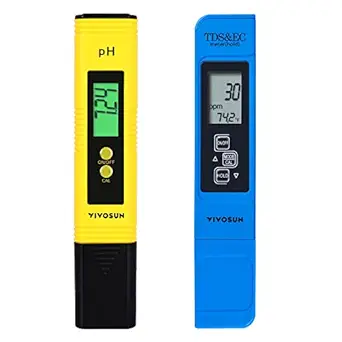 | Best for Precise, Multi-Parameter Water Testing | pH Range: 0 – 14 | TDS Measurement Range: 0-9990ppm | EC Measurement Range: 0-9990µs/cm | VIEW LATEST PRICE | See Our Full Breakdown |
| General Hydroponics pH Control Kit |  | Best for Reliable, All-in-One pH Management | Includes: 8 oz. pH Up, 8 oz. pH Down, 1 oz. test indicator, test tube, eyedropper, pH level chart | Purpose: Measures and adjusts pH levels of hydroponic solutions | Recommended pH Range: 5.5 to 6.5 | VIEW LATEST PRICE | See Our Full Breakdown |
More Details on Our Top Picks
YINMIK Hydroponic pH Up and Down Liquid Control Kit
This kit is designed for growers who prefer manual pH control using natural, additive-free solutions. It includes detailed tools like droppers, test strips, and durable bottles, making it highly suitable for hobbyists and small-scale growers. Compared with digital meters, YINMIK emphasizes safety and simplicity, but it requires more hands-on effort and time for adjustments. It’s a smart choice if you value natural ingredients and don’t mind manual testing and dosing, especially for systems where chemical-free solutions are a priority.
Pros:- Easy to use with included droppers and test strips
- Safe for all hydroponic systems and media
- Leak-proof, durable bottles
Cons:- Requires manual pH adjustment, which can be time-consuming
- Limited to non-digital pH measurement
- No instant readings, more trial and error
Best for: Hobbyist growers or those with small systems seeking natural, safe pH control
Not ideal for: Large-scale commercial systems or growers wanting instant, digital readings
- Includes:250ml pH increaser, 250ml pH decreaser, two droppers, two measuring cups, 80 pH test strips, cleaning cloth
- Ingredients:100% natural, dye-free, additive-free
- Bottle Material:HDFP, leak-proof double-layered cap
Our verdict“A natural, safe choice for growers who prefer manual pH management over electronic solutions.”
Microbe Life Hydroponics Premium Dechlorinator for Hydroponics Gardens, 32 Ounces
This dechlorinator is tailored for growers who need rapid water conditioning, especially when using tap water containing chlorine or chloramines. It adds electrolytes and neutralizes alkalinity, helping plants absorb nutrients more efficiently. Compared with traditional filtration systems, this liquid supplement provides an immediate fix, making it ideal for busy growers or those operating in climates with chlorinated water supplies. However, precise dosing is necessary to avoid over-application, and long-term effects are less documented than physical filters, which might matter for large or sensitive systems.
Pros:- Quickly removes chlorine and chloramines
- Enhances nutrient uptake
- Versatile for hydroponic and soil systems
Cons:- Requires careful dosing for best results
- Limited info on long-term impacts
- Not specified for all water types
Best for: Growers needing quick, effective dechlorination and electrolyte supplementation
Not ideal for: Growers seeking long-term water purification or using well water
- Volume:32 ounces
- Application:Hydroponic systems, soil, soilless media
- Features:Instant dechlorination, nutrient enhancement, electrolyte addition
Our verdict“A practical, fast-acting dechlorinator that also boosts nutrient availability for healthy plant growth.”
Followin pH Up and Down Control Kit for Hydroponics and Soil Gardens
This kit offers a straightforward approach to maintaining optimal pH, suitable for both beginners and seasoned growers. It includes liquids, a pH indicator, and a test vial, making it easy to perform accurate adjustments. Compared with digital meters, Followin’s kit is more accessible for those who prefer manual testing, but it requires shaking before use, and frequent reapplication might be necessary in large or dynamic systems. It’s a balanced choice for growers seeking reliable pH control without electronic tools.
Pros:- Easy to use with color-coded indicator
- Suitable for multiple systems including aquariums
- Complete kit with all necessary components
Cons:- Needs shaking before use
- Limited to pH adjustment, no digital readout
- May require frequent reapplication
Best for: Beginners or hobbyists looking for a simple, all-in-one pH adjustment kit
Not ideal for: Large commercial growers or those wanting instant digital readings
- Contents:9oz pH Up, 9oz pH Down, 1oz pH indicator, test vial
- Application:Hydroponics, soil gardens, aquariums
- pH Range:5.5–7.0
- Odor:Low odor
- Color:Colorless
Our verdict“An accessible, reliable pH control kit for small-scale and beginner growers.”
VIVOSUN Digital pH and TDS EC Meter for Water Testing
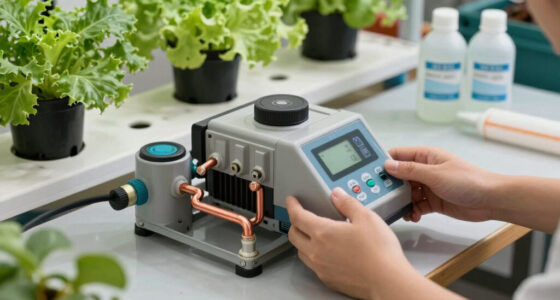
This handheld device offers fast, accurate measurements of pH, TDS, and EC levels, making it suitable for growers who want detailed water analysis. It’s especially beneficial for those managing larger systems or requiring frequent testing, as digital readouts are quick and easy to interpret. Compared with chemical test kits, the VIVOSUN meter reduces guesswork and saves time, although it requires regular calibration and careful handling to maintain accuracy. It’s perfect for growers who value data-driven decisions and precise control over water quality.
Pros:- Multi-parameter testing: pH, TDS, EC
- Includes calibration buffers and protective case
- Portable and easy to read
Cons:- Requires calibration for accuracy
- Cannot test seawater or high-salt water
- Battery-dependent, needs maintenance
Best for: Experienced growers or professionals needing detailed water testing
Not ideal for: Beginners or those seeking simple, manual pH adjustments
- pH Range:0 – 14
- TDS Measurement Range:0-9990ppm
- EC Measurement Range:0-9990µs/cm
- pH Accuracy:± 0.1
- Temperature Range:0-80°C
- Temperature Range (F):32.0-176.0°F
Our verdict“A reliable, versatile digital tool for growers seeking detailed water analysis and precise control.”
General Hydroponics pH Control Kit
This kit offers a classic, trusted approach to pH control, including liquids, a test indicator, and a simple test tube. It appeals to growers who prefer manual testing and adjustments over digital devices. While it provides solid results for small to medium systems, it involves handling liquids and performing careful manual tests. Compared with digital meters, it’s less convenient but often more affordable and straightforward for those comfortable with traditional methods.
Pros:- Easy to use with simple testing process
- Reliable and proven results
- Complete kit with all essentials
Cons:- Requires manual testing and adjustment
- Contains liquids that need careful handling
- Not a digital or electronic meter
Best for: Growers of all experience levels seeking a reliable, manual pH management solution
Not ideal for: Large-scale operations or growers wanting instant digital feedback
- Includes:8 oz. pH Up, 8 oz. pH Down, 1 oz. test indicator, test tube, eyedropper, pH level chart
- Purpose:Measures and adjusts pH levels of hydroponic solutions
- Recommended pH Range:5.5 to 6.5
Our verdict“A dependable, traditional pH control kit suitable for users who prefer manual management.”

How We Picked
My approach to selecting these products centered on their core functions—pH control, water dechlorination, and testing accuracy—since these are critical for hydroponic success. I prioritized kits that balance ease of use with reliability, considering beginner-friendly options alongside more advanced tools. Durability, safety, and compatibility with various water sources also played a major role. I compared features and user feedback to ensure each product offers distinct advantages suited to different grower needs, while also acknowledging potential drawbacks like manual effort or calibration requirements.
Factors to Consider When Choosing Best Water Treatment Kit For Hydroponics
Selecting the right water treatment kit for hydroponics depends on several factors including your system size, water source, and experience level. The key is understanding the primary function you need—whether it’s adjusting pH, removing chlorine, or testing water quality. The ideal kit should balance ease of use, accuracy, and durability, ensuring your plants receive optimal conditions for healthy growth. Here, I’ll guide you through the main considerations to help you make an informed decision.Understanding Your Water Source
The type of water you use greatly impacts your choice. Tap water often contains chlorine or chloramines that require dechlorination, while well water might need testing for minerals and contaminants. Knowing your water’s composition helps determine whether you need a dechlorinator, a pH adjusting kit, or a multi-parameter tester. For example, if your water has high chlorine, a dechlorinator like Microbe Life becomes essential. Conversely, if your water is relatively clean but unstable in pH, a manual or digital pH kit will be more suitable.
Manual vs. Digital pH Management
Manual kits, like the YINMIK or General Hydroponics, offer cost-effective, chemical-free options that require careful testing and adjustment. They suit hobbyists or small-scale growers comfortable with regular testing. Digital meters such as VIVOSUN provide rapid, precise readings with minimal effort, ideal for larger systems or professional growers who need real-time data. The tradeoff is cost and calibration needs; digital devices need frequent calibration and maintenance, whereas manual kits depend on consistent user technique.
Ease of Use and Maintenance
If ease of use is your priority, simple test kits with color indicators or test strips are straightforward but less precise. Digital meters provide detailed data but require calibration buffers, batteries, and careful handling. Consider your willingness to perform regular maintenance—manual kits might need more frequent reapplication, while digital tools demand calibration but reduce user error. Matching your system size and your comfort with technical tasks will help determine the best fit.
Cost and Long-term Investment
Budget considerations are important. Manual kits are typically cheaper upfront but might incur ongoing costs for test strips and liquids. Digital meters are more expensive initially but can save money over time by reducing reagent costs and providing instant results. Think about how often you’ll use the tools—occasional growers might prefer economical manual kits, while frequent testing justifies investing in digital accuracy for consistent results.
Frequently Asked Questions
How often should I test my hydroponic water?
The frequency of testing depends on your system size, water source, and plant needs. For most home or small-scale systems, testing weekly is sufficient to catch pH fluctuations or water quality issues early. Larger or more sensitive setups may require daily checks, especially during critical growth phases or if water quality varies often. Consistent testing helps maintain stable conditions, reducing stress on your plants and ensuring healthy yields.
Can I use tap water directly in my hydroponic system?
Using tap water directly depends on its quality. If your tap water contains high levels of chlorine, chloramines, or contaminants, it’s better to treat it first with a dechlorinator like Microbe Life. Testing your water regularly with a TDS or pH meter can reveal if additional treatment is needed. For best results, many growers opt to dechlorinate and adjust pH before adding water to their system, avoiding potential plant stress caused by chemical residues or pH swings.
Is digital testing more reliable than chemical test kits?
Digital testers generally offer higher accuracy and faster results, making them more reliable for precise control—especially in larger or commercial systems. However, they require calibration and maintenance to stay accurate. Chemical kits, on the other hand, rely on visual color matching, which can be subjective but are often sufficient for hobbyist growers. The choice depends on your need for speed, precision, and willingness to perform calibration tasks.
What are the safety considerations when handling pH chemicals?
When working with pH Up and Down solutions, always handle liquids with care—use gloves and eye protection if necessary. Store chemicals out of reach of children and pets. Follow the manufacturer’s instructions precisely to avoid over-application, which can harm plants or damage equipment. Proper storage and handling not only ensure safety but also help maintain the effectiveness of your pH adjustment solutions.
Can I combine different water treatment products?
Yes, many growers use a combination of products—such as dechlorinators, pH adjusters, and testing devices—to optimize water quality. However, it’s important to understand how these products interact; for instance, using a dechlorinator before adjusting pH is common. Always follow manufacturer instructions and avoid mixing chemicals directly to prevent reactions that could harm your plants or reduce product effectiveness.
Conclusion
If you are a hobbyist or small-scale grower prioritizing safety and simplicity, manual kits like the YINMIK Hydroponic pH Up and Down Kit or General Hydroponics will serve you well. For growers needing quick results and detailed water analysis, investing in a digital meter like the VIVOSUN pH and TDS Meter makes sense. Meanwhile, those working with chlorinated tap water should consider a dechlorinator such as Microbe Life Hydroponics to ensure your system remains free of harmful chemicals. Ultimately, your choice hinges on your system size, water source, and how much effort you want to invest in maintaining optimal conditions.
Fall yard work Picks

Greenworks 80V Cordless Leaf Blower with 2.5 Ah Battery and Charger
As an affiliate, we earn on qualifying purchases.