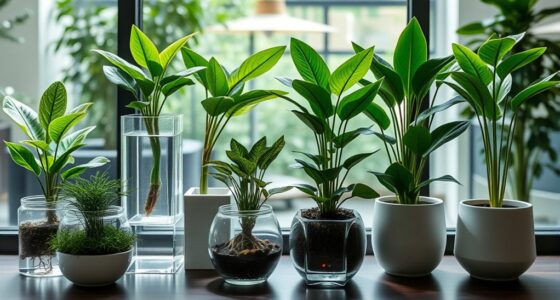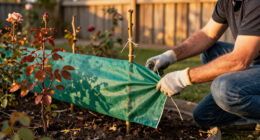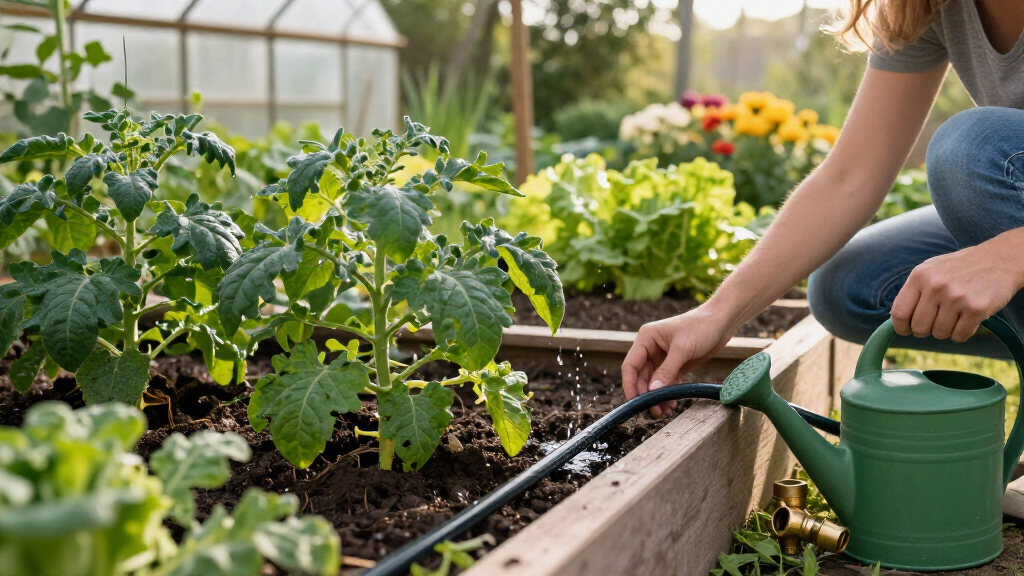

This checklist is for gardeners setting up or refreshing watering tools for beds, containers, greenhouses, and outdoor spaces. It covers a few different ways to deliver and collect water, so you can focus on the items that fit the way you garden. Start with your plants: their location, watering needs, and access to a hose or downspout will shape what is useful.

Get garden gear delivered free with Prime
- Fast, free delivery on millions of items
- Prime Video, Amazon Music and more included
- Member-only deals all year
The sections follow the listed categories: hose nozzles, soaker hoses, drip irrigation kits, watering cans, rain barrels, and hose timers. Some include a named pick; soaker hoses and hose timers are advice-only categories, with no specific product listed. The order is a browsing guide, not a required shopping sequence.
Use each section to check the connection, capacity, reach, and handling details that matter in your space. Before buying, compare product specifications with your hose, faucet, downspout, beds, and containers. Check compatibility first, then choose the simplest setup that meets your watering routine.
Garden Hose Nozzles
A hose nozzle is the hand-held control point between your hose and the plants or surfaces you are watering. The listed pick is the “2026 Upgraded High Pressure Jet Nozzle Power Washer for Garden Hose, W.” Its name suggests a jet-style nozzle, so check the listing for the spray patterns and intended uses rather than assuming it will provide a gentle option for seedlings or containers. Match the spray to the task: a forceful stream and a softer watering pattern serve different purposes. A common mistake is choosing by a bold product title without checking the practical details. Confirm the hose connection type, whether an adapter is needed, how the spray is adjusted, and whether the handle can be operated comfortably with wet hands. Consider the distance from the faucet to the beds and whether you will be carrying the nozzle frequently. For delicate plants, verify that the product offers a suitable low-force setting; for rinsing tools or hard surfaces, confirm the listing describes a stream appropriate to that job. Read the pattern details and compare them with your garden’s needs before adding the nozzle to your setup.What to look for:
- Confirm the nozzle connection matches your hose or identify any adapter needed.
- Check which spray patterns and adjustment settings the listing specifies.
- Verify that the nozzle can provide a suitable flow for delicate plants if needed.
- Consider grip, trigger operation, and ease of adjustment with wet hands.
- Compare the stated uses with your watering and rinsing tasks.
2026 Upgraded High Pressure Jet Nozzle Power Washer for Garden Hose, Water Spray
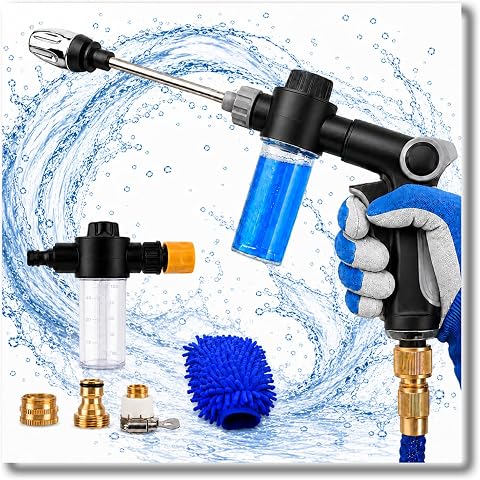
This upgraded garden hose nozzle kit includes a high-pressure spray nozzle, foam bottle, connectors, and a chenille wash mitt, suitable for car washing, yard cleaning, and outdoor watering. The adjustable spray pattern and foam application make it versatile for various outdoor cleaning tasks.
Pros:
- Adjustable spray pattern for versatile use
- Includes foam bottle and wash mitt for car cleaning
- Easy to connect with multiple hose connectors and installation video
- Suitable for various outdoor cleaning tasks
Cons:
- No specific durability information provided
- Limited details on water pressure specifications
- Customer reviews are limited to 8 units
Best for: gardeners whose tasks suit the spray patterns specified in the listing
Not ideal for: anyone who needs a gentle pattern that the listing does not confirm
Bottom line: Check the connection and available spray settings before choosing this jet-style hose nozzle.
Soaker Hoses
Soaker hoses provide a way to water along a planting area, but no specific product is listed for this category. Begin by measuring the beds and deciding where a hose could run without crossing paths or interfering with other garden tasks. Plan the route first: bed length, faucet access, and the placement of plants determine what hose length and layout will work. If the bed has separate rows, sketch the route so you can judge whether one line or several shorter runs suit the space. A common buying mistake is treating hose length as the only fit question. Check the hose diameter and connection requirements, and make sure they work with your water source and any existing timer or fittings. Consider how the hose will be secured, whether it can bend around corners without kinking, and whether its stated use fits the surface and layout where you plan to place it. Follow the product’s instructions for pressure and setup, since product specifications vary. Keep access in mind: leave room to inspect the line, adjust it, and reach plants for other care. Choose based on the bed dimensions and connection details rather than an assumed standard setup.What to look for:
- Measure the intended route and compare it with available hose lengths.
- Check hose diameter and compatibility with your faucet, fittings, and timer.
- Review stated operating requirements and setup instructions.
- Consider bend radius, kinking, and how the hose can be secured in the bed.
- Leave access for inspection, plant care, and any needed adjustments.
Drip Irrigation Kits
A drip irrigation kit can bring watering lines and connectors together for a planting area, and the listed pick is the “Vego Garden Irrigation Kit – Drip Irrigation System for Raised Garden.” Its name points to raised-garden use, so compare the kit contents with the dimensions and layout of your beds. Start with the included parts: check how many lines, connectors, and outlets are supplied, and whether they cover the plants you intend to water. A common mistake is assuming that any kit will fit every raised bed or connect directly to every faucet. Review the specified water source connection, tubing dimensions, layout guidance, and any stated requirements for pressure or filtration. Measure each bed and map plant rows before deciding whether the included tubing and fittings can reach the needed locations. If you already use a hose timer, confirm the kit’s connection arrangement works with it. Also check whether the instructions explain installation and adjustments; product contents and requirements can vary. Plan the layout on paper and compare it with the kit’s parts list so you can identify any additional components before starting.What to look for:
- Compare the kit’s listed tubing and connectors with the measured bed layout.
- Check the faucet or hose connection and compatibility with any existing timer.
- Review stated pressure, filtration, and other water-source requirements.
- Confirm the included outlets can reach the plants and rows you plan to water.
- Read installation guidance and identify any parts not included in the kit.
Vego Garden Irrigation Kit – Drip Irrigation System for Raised Garden Beds, Easy
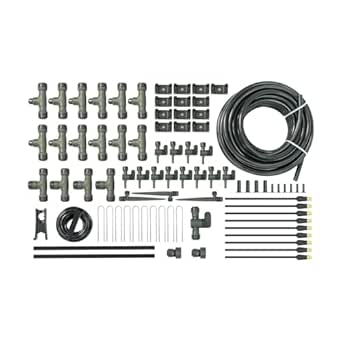
The Vego Garden Irrigation Kit provides efficient, targeted watering for raised garden beds, promoting healthy plant growth while reducing water waste. Easy to install with durable, flexible tubing, it is suitable for vegetables, flowers, and other plants, making gardening more sustainable and hassle-free.
Pros:
- Efficient watering that reduces water waste
- Easy to install with all necessary components included
- Durable and flexible tubing suitable for various garden layouts
- Promotes healthy plant growth
Cons:
- Limited to raised garden beds
- May require additional components for larger setups
Best for: gardeners whose raised-bed layout matches the kit’s listed contents
Not ideal for: anyone whose beds or connections fall outside the stated kit specifications
Bottom line: Map your raised beds and compare the kit contents before installing this drip system.
Watering Cans
A watering can is useful when you want to carry water to individual containers or smaller planting areas. The listed pick is the “Fasmov Plastic Watering Can, 1-Gallon, Green.” Its stated capacity and material give you a starting point, but check the product listing for dimensions, handle placement, and any spout details. Think about the full carry: a filled can weighs more than an empty one, and the path between your water source and plants affects how comfortable it is to use. A common mistake is focusing on capacity without considering reach and control. Check whether the spout shape suits the containers or beds you water and whether the opening is convenient for filling from your sink, faucet, or outdoor tap. Compare the can’s dimensions with your storage space and consider whether you can carry and tilt it comfortably when full. If you want a particular watering pattern, verify whether the listing describes a rose or other attachment rather than assuming it is included. Match capacity to your routine: a can that reduces trips may be less convenient if its filled weight or shape is awkward for your route.What to look for:
- Confirm the listed capacity and compare it with your usual watering volume.
- Check dimensions, handle position, and storage requirements.
- Review spout shape and whether any watering rose or attachment is included.
- Consider filled weight and the distance you will carry the can.
- Verify that the opening works with your available filling source.
Fasmov Plastic Watering Can, 1-Gallon, Green

This durable 1-gallon plastic watering can features a long spout for precise watering and an ergonomic handle for comfortable use. Suitable for indoor and outdoor plants, it is designed for easy filling and efficient watering, making garden care more convenient.
Pros:
- Durable and wear-resistant plastic construction
- Long, narrow spout for accurate watering
- Ergonomic handle for comfortable use
- Large capacity reduces frequent refilling
Cons:
- May be heavy when filled to capacity
- Limited color options
Best for: gardeners who want a portable can for nearby containers or small planting areas
Not ideal for: anyone needing a larger capacity or a specific spout attachment not listed
Bottom line: Check the can’s dimensions, spout, and filled handling against your watering route.
Rain Barrels
A downspout diverter can route water from a downspout toward a rain barrel, making it important to check the fit of the collection setup as a whole. The listed pick is the “EarthMinded Rain Barrel Downspout Diverter Kit for 3×4 Downspouts.” The product name specifies 3×4 downspouts, so measure yours before choosing it. Measure the downspout first and compare the result with the kit’s stated compatibility. A common mistake is buying a diverter based on the barrel alone while overlooking downspout shape, connection placement, or available space. Check the instructions for the required opening, tools, and installation position, and confirm the kit’s connection works with your barrel. Consider where overflow will go and whether the barrel can be positioned securely and accessed for use. Local guidance and site conditions may also affect rainwater collection, so check applicable requirements and follow the product instructions. Review the entire path from downspout to barrel and overflow location before installing the kit.What to look for:
- Measure downspout dimensions and confirm the stated 3×4 compatibility.
- Check the kit’s barrel connection and compare it with your barrel opening.
- Review installation instructions, tools, and any required downspout opening.
- Plan barrel placement, access, and a suitable route for overflow.
- Check applicable local guidance for rainwater collection and installation.
EarthMinded Rain Barrel Downspout Diverter Kit for 3×4 Downspouts

A downspout diverter kit that channels rainwater from a 3×4 downspout into a rain barrel for reuse on lawns, gardens, or indoor plants. The kit installs without removing the downspout and can convert nearly any plastic container into a rain collection barrel, with overflow directed back into the downspout.
Pros:
- Installs without removing the downspout
- Universal fit converts nearly any plastic container into a rain barrel
- Overflow automatically redirects back to the downspout
- Environmentally friendly water conservation
Cons:
- Winter cover only available in white
- Designed specifically for 3×4 downspouts only
Best for: gardeners with a downspout that matches the stated 3×4 size
Not ideal for: anyone with a different downspout size or an incompatible barrel connection
Bottom line: Verify downspout and barrel fit before installing this diverter kit.
Hose Timers
A hose timer can help organize watering by controlling when water flows through a connected hose setup, but no specific product is listed here. Before selecting one, decide what it needs to control: a single hose, a drip system, or another arrangement. Start with the connection plan and check whether the timer fits your faucet, hose, and any downstream equipment. Compare the timer’s stated operating needs with the way you intend to use it. A common mistake is assuming that all timers offer the same schedule controls or can be used in every outdoor setup. Check the listing for scheduling options, manual operation, power requirements, weather guidance, and any stated pressure limits. Consider the control layout and whether it will be easy to read and adjust where the timer is installed. If the timer will feed a drip kit, verify that the kit and timer connections work together and review their operating instructions. Choose for your routine: the right controls depend on how often you water, whether schedules change, and how many lines you plan to manage.What to look for:
- Confirm the timer’s faucet and hose connections match your setup.
- Review scheduling options and whether manual operation is available.
- Check power requirements, weather guidance, and stated pressure limits.
- Verify compatibility with any drip kit or other downstream equipment.
- Consider display readability and ease of adjustment at the installation point.
Build your shopping list around the parts that affect fit and function first: measure beds and downspouts, check faucet and hose connections, then compare the parts included in any kit. After those checks, choose the nozzle, can, timer, or collection setup that matches the work you actually do. Prioritize compatibility before adding accessories or expanding the system.
Watering setups can be simple or more involved, and the right combination depends on your garden’s layout and routine. Use the checklist to confirm key details, follow product instructions, and adjust your plan as you learn what your plants and space need. Start with one well-matched setup and build from there.