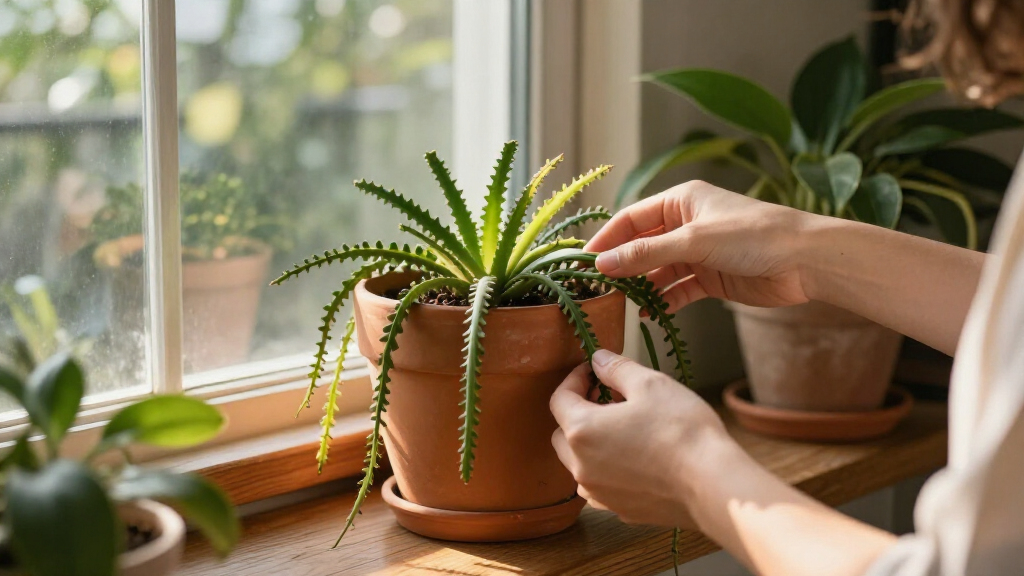

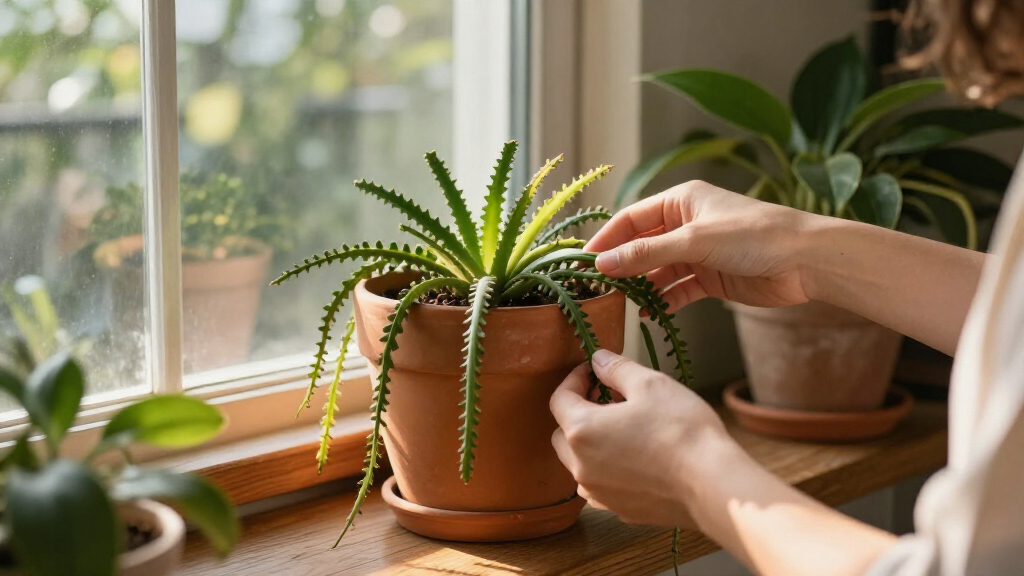
For a trailing indoor cactus with color potential, I’d start with the Red Mistletoe Cactus starter plant; its green, pink, purple, and red tones give it more visual range than the other picks. The 4-inch Rhipsalis cereuscula is my practical choice for buyers who want a rooted plant in a ready-to-use pot, while Rhipsalis pilocarpa stands out for its unusual hairy red fruits. These options are not interchangeable: pot size, trailing habit, light guidance, and botanical identity all affect which one makes sense for your home.

Get garden gear delivered free with Prime
- Fast, free delivery on millions of items
- Prime Video, Amazon Music and more included
- Member-only deals all year
My ranking favors plants with a clear indoor use, useful care details, and a distinct reason to choose them. Two entries are related epiphytic cacti rather than Rhipsalis in the strict botanical sense: the Spice Cactus is Hatiora salicornioides, and the red trailing plants are listed as Pseudorhipsalis ramulosa. I include them because they are sold and grown in the same ornamental houseplant niche, but I flag the difference so a buyer seeking only the genus Rhipsalis can choose accordingly. The central tradeoff is straightforward: the most dramatic trailing forms need thoughtful placement and drainage, while smaller potted plants are easier to position but may offer less immediate cascade.
Complete the kit


Key Takeaways
- Best overall color: The 4–6-inch Red Mistletoe Cactus starter plant has the clearest appeal for a hanging planter, with foliage that may develop pink, purple, and red tones; it arrives without a planter.
- Best ready-potted choice: The 4-inch Rhipsalis cereuscula arrives fully rooted with soil, though the seller notes that plant size and appearance can vary and stems may shed during shipping.
- Best unusual fruiting detail: Rhipsalis pilocarpa can produce hairy red fruits after small white spring flowers, but its listing gives conflicting light guidance: bright indirect light in the description and full sun in the specs.
- Best for a compact starting point: The 2.5-inch Spice Cactus is spineless and can be trimmed, but it is Hatiora salicornioides, not a true Rhipsalis, and calls for a bright position.
- Best for a longer trailing display: Pseudorhipsalis ramulosa in a quart-size plant is described as growing 1–2 feet long; it suits baskets but contains oxalates and needs protection from frost.
| Red Mistletoe Cactus (Pseudorhipsalis ramulosa), 4–6-Inch Rooted Starter Plant |  | Best Overall for Colorful Trailing Growth | Botanical name: Pseudorhipsalis ramulosa | Plant size: 4–6 inches | Expected height: 12 inches | VIEW LATEST PRICE | See Our Full Breakdown |
| Rhipsalis cereuscula Succulent Plant in 4-Inch Pot |  | Best Ready-Potted Option | Plant: Rhipsalis cereuscula | Pot size: 4 inches | Pot material: Plastic grower pot | VIEW LATEST PRICE | See Our Full Breakdown |
| RedCrocus Pseudorhipsalis ramulosa Trailing Succulent, 1 Quart |  | Best for a Longer Cascade | Botanical name: Pseudorhipsalis ramulosa | Plant size: 1 quart | Growth habit: Trailing; typically 1–2 feet long | VIEW LATEST PRICE | See Our Full Breakdown |
| Organic Mistletoe Cactus (Rhipsalis pilocarpa), Live Plant in 2.5-Inch Pot |  | Best for Unusual Fruits | Plant type: Rhipsalis pilocarpa cactus | Pot size: 2.5 inches | Weight: 8 ounces | VIEW LATEST PRICE | See Our Full Breakdown |
| Spice Cactus (Hatiora salicornioides), Succulent in 2.5-Inch Pot |  | Best Compact Cactus Alternative | Botanical name: Hatiora salicornioides | Former name: Rhipsalis salicornioides | Pot size: 2.5 inches | VIEW LATEST PRICE | See Our Full Breakdown |
| Rhipsalis indoor plant | Light | Watering | Soil | Botanical name |
|---|---|---|---|---|
| Red Mistletoe Cactus | Bright indirect light or partial shade | About once every 7 days per listing; avoid overwatering | — | Pseudorhipsalis ramulosa |
| Rhipsalis cereuscula Succulent | Partial sun | Let soil dry fully between waterings | Sandy soil; good drainage needed | — |
| RedCrocus Pseudorhipsalis ramu | Bright to moderate indirect light | Water sparingly; allow soil to dry slightly | Sandy, well-draining | Pseudorhipsalis ramulosa |
| Organic Mistletoe Cactus | Bright indirect light in description; full sun in specifications | Occasional; moderate listed | Sandy, well-draining soil | — |
| Spice Cactus | Full sun or very bright indirect light | Moderate; water when soil is dry | Sandy soil | Hatiora salicornioides |
More Details on Our Top Picks
Red Mistletoe Cactus (Pseudorhipsalis ramulosa), 4–6-Inch Rooted Starter Plant
I put this Red Mistletoe Cactus first for buyers who want a plant that can become a focal point rather than just a small desk accent. Its cascading stems may show green, pink, purple, and red tones, giving it more color variation than the green-focused cereuscula or pilocarpa listings. Bright indirect light or partial shade is a useful indoor range, and the 4–6-inch rooted starter gives you a defined size to work with, though it is not a ready-made hanging display.
Compared with the quart-size Pseudorhipsalis ramulosa, this is the more compact starting point: the quart listing describes stems that can reach 1–2 feet, while this one lists an expected height of 12 inches. That makes the starter easier to place in a small room, but buyers seeking an established long cascade may prefer the larger quart option. The listing says it is suited to infrequent watering and suggests roughly weekly watering, yet it also warns that excess moisture can cause trouble. I would treat the calendar interval as a rough guide, not a fixed schedule, and let the potting mix and room conditions guide watering.
There are two practical cautions. First, no planter is included, so an elevated display requires a suitable container with drainage. Second, the listing gives USDA zones 9–12 while recommending protection from cold drafts; zone information is mainly relevant to outdoor growing and does not remove the need to keep an indoor plant away from chilly windows. Shipping restrictions also exclude California, Hawaii, Alaska, and international destinations. This is a strong pick for color and a trailing shape, but not for buyers who need a complete planter set or live in a restricted delivery area.
Pros:- Trailing stems can develop green, pink, purple, and red tones.
- Bright indirect light or partial shade suits many indoor placements.
- A 4–6-inch starter is easier to fit into a compact display than the quart-size ramulosa.
- Infrequent watering suits growers who prefer a plant that can dry between drinks.
Cons:- No planter is included, so the buyer must provide a suitable draining container.
- Overwatering and cold drafts can damage the plant.
- Shipping is restricted to California, Hawaii, Alaska, and international destinations.
Best for: Indoor growers who want a compact, colorful trailing cactus to train over a shelf or move into a hanging planter.
Not ideal for: Buyers who want a planter included, need a long established cascade immediately, or are ordering to a listed shipping-restricted location.
- Botanical name:Pseudorhipsalis ramulosa
- Plant size:4–6 inches
- Expected height:12 inches
- Light:Bright indirect light or partial shade
- Watering:About once every 7 days per listing; avoid overwatering
- Planter:Not included
- Hardiness zones:9–12 listed; protect from cold drafts
- Color:Purple and green; foliage may also show pink and red tones
Our verdict“I’d choose this starter for the strongest mix of indoor trailing form and potential foliage color, provided you have a draining pot and can receive it in an eligible location.”
Rhipsalis cereuscula Succulent Plant in 4-Inch Pot
The 4-inch Rhipsalis cereuscula is the easiest pick here for someone who wants a plant already rooted in a pot with soil. That ready-to-display setup is more convenient than the Red Mistletoe starter, which arrives without a planter, and it removes the immediate task of choosing a container. The plant is described as fully rooted, a helpful distinction for buyers who would rather settle a plant into a shelf or tabletop position than handle a bare or newly propagated cutting.
Its care direction is relatively clear: partial sun, good drainage, and infrequent watering, with the soil allowed to dry fully between waterings. That makes it a sensible choice for someone who tends to water cautiously. It is still a cactus relative that needs an airy, draining mix; the included soil should not be assumed to suit every indoor environment indefinitely. Compared with the pilocarpa, cereuscula has fewer unusual details in the listing, but it avoids the same explicit mismatch between “bright indirect light” and “full sun.”
The tradeoff is presentation certainty. The seller notes that size and appearance may vary, and fragile stems can drop during shipping. That matters if you are buying a plant for a particular hanging silhouette or gifting it on a set date. The 4-inch grower pot is practical rather than decorative, so buyers may later want to move it into a cover pot or hanging container. Although the listing says indoor and outdoor use, the indoor buyer should still avoid harsh direct sun and cold exposure. I rank it ahead of the smaller pilocarpa for ease of arrival, but below the colorful ramulosa for visual distinction.
Pros:- Fully rooted and shipped in a 4-inch grower pot with soil.
- The soil-dry guidance offers a straightforward starting point for watering.
- Partial-sun guidance is more usable than the conflicting light notes on the pilocarpa listing.
- Suitable for indoor use and listed for outdoor use in appropriate conditions.
Cons:- Plant size and appearance may vary.
- Fragile stems may lose pieces during shipping.
- The plastic grower pot is functional, not a finished decorative planter.
Best for: Beginners and practical buyers who want a fully rooted Rhipsalis in a pot with soil and prefer clear dry-between-waterings guidance.
Not ideal for: Anyone who needs a uniform plant shape for a planned display, wants a decorative pot included, or expects every stem to arrive intact.
- Plant:Rhipsalis cereuscula
- Pot size:4 inches
- Pot material:Plastic grower pot
- Rooting:Fully rooted
- Light:Partial sun
- Soil:Sandy soil; good drainage needed
- Watering:Let soil dry fully between waterings
- Bloom period:Fall listed
Our verdict“I’d pick cereuscula when a rooted, already-potted plant matters more than unusual color or a guaranteed trailing shape.”
RedCrocus Pseudorhipsalis ramulosa Trailing Succulent, 1 Quart
If the goal is a more substantial trailing specimen, this quart-size Pseudorhipsalis ramulosa has the clearest stated growth habit in the group: its stems typically reach 1–2 feet. That makes it a better candidate than the 4–6-inch starter for a hanging basket or a high shelf where the foliage can hang freely. The listing also describes tiny white, star-shaped flowers from summer to early fall, adding a seasonal feature beyond its fine stems.
Compared with the Red Mistletoe starter, this option is framed around length and a larger plant format rather than color variation. It suits a buyer who wants a fuller cascading effect sooner, while the starter makes more sense for a smaller space or a gradual grow-in. Both are Pseudorhipsalis ramulosa, not true Rhipsalis, so I would choose either only if the broader epiphytic-cactus category fits your search. This quart listing specifies bright to moderate indirect light, sandy well-draining soil, and sparing watering; those directions favor a bright room without prolonged direct sun.
The disadvantages are meaningful for households and climates. The plant contains oxalates, so it should be kept out of reach of pets and children who may chew foliage. It also needs frost protection, and the listing’s hardiness range of zones 10–12 is most relevant to outdoor use rather than a guarantee of cold tolerance indoors. Overwatering can cause rot, a particular concern if the larger plant is placed in a container without drainage. I rank it below the starter for all-around convenience because the pet warning and larger form narrow its fit, but it is the better choice when cascade length is the main priority.
Pros:- Described as typically growing 1–2 feet long for a visible cascade.
- Bright to moderate indirect light fits many indoor rooms.
- Small white star-shaped flowers are listed for summer to early fall.
- Sparing watering and dry intervals suit a cautious watering routine.
Cons:- Contains oxalates and should be kept away from pets.
- Overwatering can cause rot, so drainage is important.
- Requires frost protection and is not suited to cold outdoor conditions.
Best for: Buyers with a bright indirect-light spot who want a longer trailing plant for a hanging basket or elevated container and can keep it away from pets.
Not ideal for: Homes where pets can reach plants, cold outdoor locations, or buyers who need a compact, clearly true-Rhipsalis specimen.
- Botanical name:Pseudorhipsalis ramulosa
- Plant size:1 quart
- Growth habit:Trailing; typically 1–2 feet long
- Light:Bright to moderate indirect light
- Soil:Sandy, well-draining
- Watering:Water sparingly; allow soil to dry slightly
- Bloom:Tiny white star-shaped flowers; summer to early fall
- Pet warning:Contains oxalates; keep out of reach of pets
Our verdict“I’d choose the quart ramulosa over the smaller starter when a longer cascade matters more than compact size, but only where its pet and cold-weather limits can be managed.”
Organic Mistletoe Cactus (Rhipsalis pilocarpa), Live Plant in 2.5-Inch Pot
Rhipsalis pilocarpa earns its place for a feature none of the other true Rhipsalis listings emphasize: small white spring flowers followed by hairy red fruits. Its branching stems and fruiting detail make it a more unusual specimen than the straightforward cereuscula, while the 2.5-inch pot gives it a compact footprint for a desk, narrow shelf, or small plant collection. It arrives potted and ready to display, unlike the Red Mistletoe starter, which requires a planter.
The seller describes the plant as drought tolerant and low maintenance, with occasional watering and well-draining soil. That can suit a buyer who wants a small plant without frequent attention, but the light information is inconsistent. The description says bright indirect light, while the specifications list full sun. For an indoor epiphytic cactus, that discrepancy makes placement less certain than the cereuscula’s partial-sun direction or the ramulosa listings’ indirect-light guidance. I would not assume that full sun through a hot window is suitable based on the spec alone; buyers should seek clarification from the seller if their only available position gets strong direct rays.
There is also a size detail worth treating cautiously: the listing gives a 2.5-inch pot and an expected height of 18, but does not state a unit for that height. That makes it difficult to compare the plant’s actual stature with the other entries. The organic material feature may appeal to buyers who specifically value that listing attribute, but it does not change the need for drainage or sensible watering. I rank pilocarpa below the ready-potted cereuscula because of the unclear light and height details, yet above the compact Spice Cactus for buyers who want a true Rhipsalis and a distinctive fruiting feature.
Pros:- True Rhipsalis species with branching stems and a compact 2.5-inch pot.
- Small white spring flowers may be followed by distinctive hairy red fruits.
- Arrives potted and ready to display.
- Described as drought tolerant and suited to occasional watering.
Cons:- Light guidance conflicts: bright indirect light in the description versus full sun in the specs.
- The expected height is listed as 18 without a unit.
- Well-draining soil is necessary despite the low-maintenance positioning.
Best for: Collectors who want a compact true Rhipsalis with an unusual flower-and-fruit cycle and are willing to resolve the conflicting light guidance.
Not ideal for: First-time buyers who need unambiguous light instructions, or anyone choosing solely by a precisely stated plant height.
- Plant type:Rhipsalis pilocarpa cactus
- Pot size:2.5 inches
- Weight:8 ounces
- Light:Bright indirect light in description; full sun in specifications
- Soil:Sandy, well-draining soil
- Watering:Occasional; moderate listed
- Bloom period:Spring; small white flowers
- Distinctive feature:Hairy red fruits may follow flowering
Our verdict“I’d choose pilocarpa for its distinctive fruiting details, not as the simplest first Rhipsalis, because its light and height information needs clarification.”
Spice Cactus (Hatiora salicornioides), Succulent in 2.5-Inch Pot
The Spice Cactus is the compact alternative for someone drawn to the branching, sculptural look of Rhipsalis but open to a related epiphytic cactus. Its spineless stems give it a cactus-like profile without the usual prickles, and the listing calls it Dancing Bones, Drunkard’s Dream, and Bottle Cactus as well. A 2.5-inch pot makes it easy to place in a small collection, while its golden-yellow flowers offer a different color accent from the white blooms and red fruit associated with pilocarpa.
I place it fifth because this roundup is specifically about Rhipsalis: the supplied botanical name is Hatiora salicornioides, formerly called Rhipsalis salicornioides, rather than a current Rhipsalis species name. That distinction may not matter to a buyer selecting by appearance, but it matters to a collector building a genus-specific group. Compared with the true Rhipsalis cereuscula, this option has a stronger stated preference for sunny or very bright indirect light. That can work in a bright room, but it limits placement in lower-light apartments where cereuscula or either ramulosa may be more straightforward.
Care is not complicated on paper: use sandy soil, provide bright light, and water moderately when the soil is dry. The seller says the plant can be trimmed by cutting its tendrils, which offers a way to manage its shape, although trimming does not turn it into the same trailing form as the ramulosa options. The listing’s expected fall bloom may appeal to anyone who wants a seasonal flower, but a bloom should not be treated as guaranteed on a young plant or in every indoor setting. Choose this one for compact size, spineless stems, and golden flowers; skip it if botanical identity or an indirect-light-only location is central to your decision.
Pros:- Spineless branching stems offer a cactus look without typical prickles.
- The 2.5-inch pot suits a compact shelf or mixed plant collection.
- Golden-yellow flowers provide a different bloom color from the other picks.
- Stems can be trimmed to help manage the plant’s shape.
Cons:- It is Hatiora salicornioides, not a current true Rhipsalis listing.
- Needs a sunny or very bright indirect-light location.
- Moderate watering still requires attention to soil dryness and drainage.
Best for: Buyers with a bright indoor spot who want a compact, spineless epiphytic cactus and do not require a current true-Rhipsalis species.
Not ideal for: Collectors seeking only plants in the Rhipsalis genus, or growers with dim rooms and no bright window or supplemental light.
- Botanical name:Hatiora salicornioides
- Former name:Rhipsalis salicornioides
- Pot size:2.5 inches
- Plant type:Spineless epiphytic cactus and succulent
- Light:Full sun or very bright indirect light
- Soil:Sandy soil
- Watering:Moderate; water when soil is dry
- Flower color and period:Golden yellow; fall listed
Our verdict“I’d select the Spice Cactus as a compact, bright-window alternative, but not if a true Rhipsalis identity is a requirement.”
How We Picked
I ranked these five plants for the specific needs of an indoor Rhipsalis buyer: a manageable indoor growth habit, useful care information, an identifiable difference from the other options, and a realistic sense of what arrives. I gave more weight to listings that explain rooting, pot size, light, watering, and eventual form than to broad claims such as “low maintenance.” A plant that tolerates dry intervals can still suffer if it sits in dense, wet soil, so drainage and light guidance matter alongside watering frequency.
The ordering is based on fit, not a claim that one plant grows better in every home. I placed the Red Mistletoe Cactus starter first because its color variation and trailing habit make it the most distinctive all-around display option, while the cereuscula ranks highly for a more straightforward potted start. I gave the pilocarpa a separate role for its fruiting feature, but its conflicting light specifications make it a less certain choice for a new plant owner. The quart-size ramulosa ranks well for a long cascade, with a pet-safety caveat; the compact Spice Cactus comes last for a Rhipsalis-specific roundup because it belongs to a different genus and asks for a brighter spot.
I also separate true Rhipsalis from close ornamental alternatives instead of treating all epiphytic cacti as the same plant. Product descriptions and specifications sometimes conflict, particularly on light, hardiness, watering, and size. Where that happens, I call out the mismatch rather than silently choosing one version. These are live plants, so shipping, season, and individual growth can affect their appearance; a stated pot size or typical length is not a promise of a particular silhouette on arrival.
| Rhipsalis indoor plant | Botanical name | Light | Watering | Soil |
|---|---|---|---|---|
| Red Mistletoe Cactus | Pseudorhipsalis ramulosa | Bright indirect light or partial shade | About once every 7 days per listing; avoid overwatering | — |
| Rhipsalis cereuscula Succulent | — | Partial sun | Let soil dry fully between waterings | Sandy soil; good drainage needed |
| RedCrocus Pseudorhipsalis ramu | Pseudorhipsalis ramulosa | Bright to moderate indirect light | Water sparingly; allow soil to dry slightly | Sandy, well-draining |
| Organic Mistletoe Cactus | — | Bright indirect light in description; full sun in specifications | Occasional; moderate listed | Sandy, well-draining soil |
| Spice Cactus | Hatiora salicornioides | Full sun or very bright indirect light | Moderate; water when soil is dry | Sandy soil |
Factors to Consider When Choosing Best Rhipsalis Indoor Plants
To choose among these plants, I would start with the space you can provide rather than the name on the pot. A bright indirect-light shelf, a sunny window, and a hanging basket each favor different picks. Then check whether you want a true Rhipsalis, an already-potted plant, a particular trailing length, or a more unusual flower and fruit cycle. The listings vary in how precisely they describe size and care, so the guide below focuses on the details that most affect indoor success.
Decide whether botanical identity matters
Three listings use the Rhipsalis name directly: Rhipsalis cereuscula, Rhipsalis pilocarpa, and the former name shown for the Spice Cactus. The current name supplied for that last plant is Hatiora salicornioides, so I treat it as a related alternative rather than a true Rhipsalis recommendation. The two red trailing options are Pseudorhipsalis ramulosa, a closely related ornamental cactus sold in the same general houseplant category, but not a Rhipsalis species. If you are choosing for a botanical collection, the cereuscula and pilocarpa are the clearest genus matches. If you care more about a cascading look or foliage color, the ramulosa plants may suit you better even though their genus is different.
This distinction also prevents a common mismatch between search wording and product identity. A listing can be relevant to a Rhipsalis buyer without belonging to Rhipsalis. I would check the botanical name before ordering if labeling accuracy matters, especially for the Spice Cactus and both ramulosa options.
Match the plant to its light position
Light guidance is one of the most useful ways to separate these plants. The Red Mistletoe starter accepts bright indirect light or partial shade, while the quart ramulosa is described for bright to moderate indirect light. Cereuscula is listed for partial sun. Those options give more flexibility than the Spice Cactus, which asks for sun or very bright indirect light. Pilocarpa needs special care when interpreting the listing because its description says bright indirect light but its specifications say full sun.
For an indoor position near a window, avoid assuming that “full sun” and “bright indirect light” mean the same thing. Strong sun through glass can be more intense than a bright room several feet from the window. If your available location receives direct afternoon rays, select a plant with compatible guidance or ask the seller to resolve conflicting instructions. If the room is dim, none of these listings promises performance in low light; choosing a brighter location or adding suitable grow lighting is safer than relying on the word cactus to imply sun tolerance.
Choose between a starter, a grower pot, and a larger trailing plant
Pot and plant size affect both the immediate display and the amount of setup. Cereuscula arrives fully rooted in a 4-inch plastic grower pot with soil, making it the most straightforward ready-potted option. Pilocarpa and Spice Cactus are listed in 2.5-inch pots, so they take less space but may look modest beside larger specimens. The Red Mistletoe starter is 4–6 inches and comes without a planter, while the quart ramulosa is described as typically reaching 1–2 feet long.
Think about whether you want a compact plant to grow into a display or a longer specimen to place in a basket now. A grower pot is convenient but may not be decorative; a plant sold without a planter requires you to choose one. For hanging use, drainage matters even if the outer basket has no drainage holes: keep the plant in a draining inner pot and empty collected water rather than letting roots sit wet. Also treat listed heights as estimates. The pilocarpa listing gives “18” without a unit, and live plants can vary in shape and fullness.
Use drainage and drying as the watering test
These plants are often described as low-water or drought tolerant, but that does not mean they should be left in unsuitable soil. The cereuscula listing says to let the soil dry fully between waterings; the ramulosa descriptions call for sparing watering or allowing a slight dry-down. Pilocarpa is described for occasional watering, and Spice Cactus for moderate watering when dry. In every case, well-draining soil and a container that can release excess water reduce the risk of roots staying wet for too long.
Do not follow a weekly schedule as a rule regardless of conditions. A small pot in a warm, bright room may dry differently from a larger hanging pot in a cool room. Check the mix before watering and adjust to the plant’s actual drying rate. The Red Mistletoe listing gives an approximate once-every-seven-days note, but also warns against overwatering; I would use the interval as a starting reference only. A plant that is still damp does not need more water simply because a calendar reminder says so.
Account for pets, cold, and shipping limits
The quart-size Pseudorhipsalis ramulosa contains oxalates and should be kept away from pets. That warning makes it a poor choice for a shelf within reach of a curious animal, even though its longer cascade is a visual advantage. The Red Mistletoe starter also needs protection from cold drafts, and the quart plant requires frost protection outdoors. Indoor placement away from a cold window in winter can matter as much as the hardiness zone printed in a listing.
Shipping conditions deserve a quick check before purchase. The Red Mistletoe starter lists restrictions for California, Hawaii, Alaska, and international destinations. Cereuscula may shed fragile stems in transit, and the seller says plant size and appearance can vary. Those details do not mean a plant will arrive in poor shape, but they do mean the buyer should allow for normal variation and avoid depending on an exact silhouette or delivery appearance for an event.
Choose flowers, fruits, color, or shape
Each plant’s visual appeal differs. Pilocarpa offers small white spring flowers followed by hairy red fruits, a distinctive detail for collectors. Spice Cactus is the only listing here with golden-yellow flowers, and its branching stems give it a sculptural look. The two ramulosa choices focus on trailing growth; the starter may show pink, purple, and red foliage tones, while the quart listing describes white star-shaped flowers in summer to early fall. Cereuscula is the practical potted selection when a ready-rooted plant is more important than a specific color or bloom claim.
Flowering depends on growing conditions and plant maturity, so I would treat bloom periods as potential features rather than guaranteed schedules. For a display decision, growth habit and light fit are more dependable than a promised flower. Choose the longer quart ramulosa for a cascade, the smaller starter for a more compact colored form, and the pilocarpa when fruiting characteristics are your main reason to buy.
Frequently Asked Questions
Which of these five plants is a true Rhipsalis?
Rhipsalis cereuscula and Rhipsalis pilocarpa are listed as current Rhipsalis species. The Spice Cactus is identified as Hatiora salicornioides, formerly Rhipsalis salicornioides, so it is a related plant rather than a current true Rhipsalis listing. Both red trailing options are Pseudorhipsalis ramulosa. I would choose cereuscula or pilocarpa if genus identity matters more than color or a longer cascade.
Which option is easiest to display right after delivery?
The 4-inch Rhipsalis cereuscula is the clearest ready-to-display choice because it arrives fully rooted in a plastic grower pot with soil. The pilocarpa also arrives potted, though in a smaller 2.5-inch pot. The Red Mistletoe starter does not include a planter, so it needs a suitable draining container before it can be set up as a finished display.
Which plant is the best choice for a hanging basket?
Both Pseudorhipsalis ramulosa options are described as trailing and suit hanging containers. Choose the quart-size plant if you want a longer cascade, since its listing describes stems typically reaching 1–2 feet. Choose the 4–6-inch Red Mistletoe starter if you prefer a smaller beginning plant and potential green, pink, purple, and red foliage tones. Neither listing includes a planter, so provide a draining inner pot.
How often should I water an indoor Rhipsalis?
There is no single interval that fits every pot and room. The cereuscula listing says to let the soil dry fully between waterings, while the ramulosa listings describe sparing watering or a slight dry-down. Check the mix and water only when it has dried to the degree recommended for that plant; a weekly note should be treated as a rough reference rather than a fixed schedule. Well-draining soil and a pot that releases excess water are important across these picks.
Are any of these plants unsuitable for homes with pets?
The quart-size Pseudorhipsalis ramulosa listing specifically says the plant contains oxalates and should be kept out of reach of pets. If an animal can reach and chew foliage, I would skip that option or place it somewhere inaccessible. The supplied descriptions do not provide equivalent pet-safety details for every other plant, so buyers should not treat the absence of a warning as proof that a plant is safe to ingest.
Conclusion
My pick for the broadest indoor appeal is the Red Mistletoe Cactus starter: it offers a trailing form and potential foliage color without demanding the space of the quart-size plant, as long as you supply a planter and can receive it in an eligible location. For a beginner who wants a rooted plant with soil already in its pot, I’d choose Rhipsalis cereuscula. Collectors looking for an unusual flower-and-fruit feature should consider Rhipsalis pilocarpa, but only after resolving its contradictory light guidance. If a longer cascade matters most and pets cannot reach it, the quart-size ramulosa is the more suitable display. Choose the Spice Cactus only if a bright location and its status as Hatiora rather than current Rhipsalis fit your priorities.
Before ordering, match the plant to your light, check the size and planter details, and decide whether its botanical name matters to your collection. For all five, I would prioritize a draining setup and careful watering over a rigid calendar. Those choices make the difference between buying the most appealing listing and buying the one that fits your actual room.