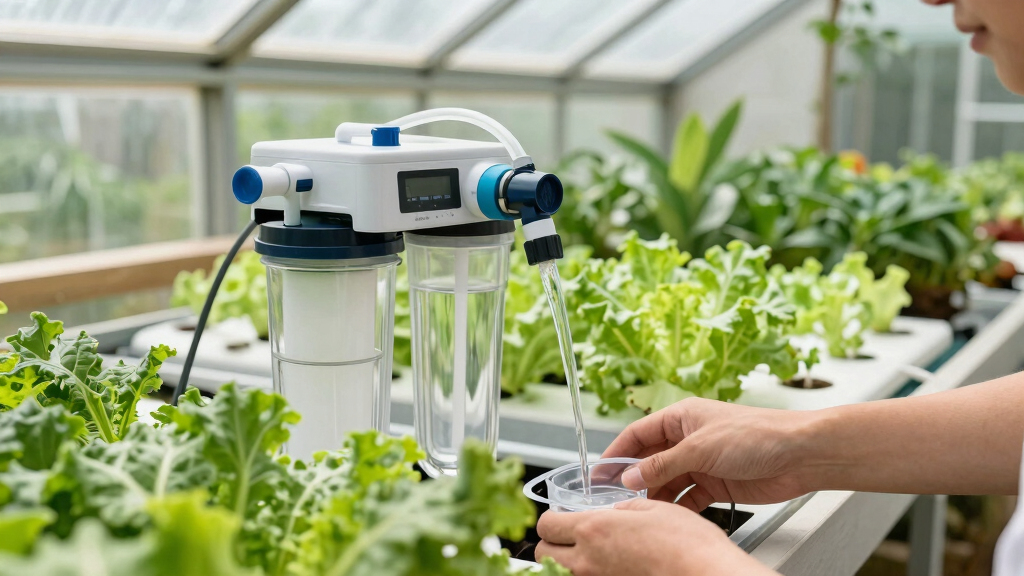

Choosing the best reverse osmosis system for hydroponics requires balancing contaminant removal, mineral content, ease of installation, and cost. The Home Master HydroGardener TMA-HG-Pro shines for those with well water, thanks to its high efficiency and remineralization features. The iSpring RCC7AK makes sense for growers wanting reliable, NSF-certified filtration with added minerals and simple DIY setup. Meanwhile, the Aquatic Life RO Buddie caters specifically to hydroponic enthusiasts seeking a compact, affordable option that effectively reduces TDS. Each has tradeoffs: some excel in contaminant removal but add complexity or cost, while others focus on affordability or ease of use. Here’s what you need to know to choose the right system for your hydroponic needs.
Key Takeaways
- The Home Master HydroGardener offers high capacity and remineralization, ideal for well water and larger setups.
- iSpring RCC7AK provides certified filtration with mineral boosting, perfect for those prioritizing reliability and support.
- Aquatic Life RO Buddie is a compact, budget-friendly option with effective TDS reduction, suited for small-scale or beginner hydroponics.
- Tradeoffs include higher cost and complexity for premium features versus affordability and simplicity.
- Understanding your water source and plant needs is key to selecting the best system.
| Home Master HydroGardener TMA-HG-Pro Pro Advanced Remineralizing Garden and Hydroponic Reverse Osmosis Water Filtration System, White |  | Best Overall for Well Water and Large-Scale Hydroponics | Capacity: 130 gallons/day | Remineralization: Calcium and magnesium added | Waste Ratio: 1:1 | VIEW LATEST PRICE | See Our Full Breakdown |
| iSpring RCC7AK, NSF Certified, 75 GPD, Alkaline 6-Stage Reverse Osmosis System, pH+ Remineralization RO Water Filter System Under Sink, Patented Top-Mounted Faucet Design for Easy Installation |  | Best for Reliability and Support with Certified Filtration | Flow Rate: 75 GPD | Remineralization: pH+ minerals | Certification: NSF/ANSI 58 | VIEW LATEST PRICE | See Our Full Breakdown |
| Aquatic Life RO Buddie 3-Stage Hydroponic Reverse Osmosis Water Filter System RO Filtration Unit, 75 GPD |  | Best Compact and Budget-Friendly for Small-Scale Hydroponics | Capacity: 75 GPD | TDS Removal: Up to 98% | Filtration Stages: 3 | VIEW LATEST PRICE | See Our Full Breakdown |
More Details on Our Top Picks
Home Master HydroGardener TMA-HG-Pro Pro Advanced Remineralizing Garden and Hydroponic Reverse Osmosis Water Filtration System, White
This system stands out for its exceptional contaminant removal, eliminating up to 98% of heavy metals, chemicals, and sediments, which is vital for maintaining clean water in hydroponic systems. Its built-in remineralization adds calcium and magnesium, crucial for plant health, especially when using low-mineral water sources. The unit operates efficiently even at low pressures, making it suitable for well water setups. However, the added mineral system and high capacity come with a higher price point and more complex installation. Compared with the iSpring, it offers a larger flow rate and remineralization, but is less portable and more expensive.
Pros:- High contaminant removal efficiency
- Built-in remineralization with calcium and magnesium
- Operates well at low pressure
- High daily output (up to 130 gallons)
Cons:- Higher cost
- More complex installation
- Bulkier system requires more space
Best for: Growers with well water or larger hydroponic systems needing high capacity and mineral balancing.
Not ideal for: Small-scale or beginner hobbyists on a tight budget or with city tap water.
- Capacity:130 gallons/day
- Remineralization:Calcium and magnesium added
- Waste Ratio:1:1
- Pressure Range:As low as 35 psi
- Installation:Easy with included fittings
- Dimensions:Varies, larger footprint
Bottom line: Ideal for serious hydroponic growers with well water who need high capacity and mineral management.
iSpring RCC7AK, NSF Certified, 75 GPD, Alkaline 6-Stage Reverse Osmosis System, pH+ Remineralization RO Water Filter System Under Sink, Patented Top-Mounted Faucet Design for Easy Installation
The iSpring RCC7AK stands out for its full NSF certification and user-friendly design, making it a dependable choice for hydroponic growers who value certified performance and ease of setup. Its 6-stage filtration includes a remineralization stage that balances pH and adds essential minerals, promoting healthy plant growth. The top-mounted faucet simplifies installation, and the transparent filter housing makes monitoring simple. While it’s slightly limited in capacity compared to the Home Master, it’s well-suited for small to medium systems. Its reliance on standard filters means replacement is straightforward, and customer support is highly rated. Compared to the Aquatic Life, it offers more comprehensive filtration and better support, but at a slightly higher price.
Pros:- NSF/ANSI 58 certified system
- Mineral boost with balanced pH
- Easy top-mounted installation
- Transparent filter housing for monitoring
Cons:- Lower capacity (75 GPD)
- More expensive than basic models
- Requires regular filter replacements
Best for: Hydroponic growers seeking certified, reliable filtration with mineral enhancement and easy DIY installation.
Not ideal for: Large-scale systems or those with very low water pressure requiring higher flow rates.
- Flow Rate:75 GPD
- Remineralization:pH+ minerals
- Certification:NSF/ANSI 58
- Installation:Top-mounted faucet
- Dimensions:15.5″L x 16″W x 18″H
- Filter Life:6 months to 3 years depending on filter
Bottom line: A dependable, certified choice for small to medium hydroponic setups prioritizing reliability and support.
Aquatic Life RO Buddie 3-Stage Hydroponic Reverse Osmosis Water Filter System RO Filtration Unit, 75 GPD
The Aquatic Life RO Buddie is designed specifically for hydroponic use, making it a great choice for hobbyists or small-scale growers. Its 3-stage filtration effectively removes up to 98% of TDS, ensuring nutrient-rich water for plants. The compact size makes it easy to install in tight spaces, and its 75 GPD capacity is sufficient for small setups. While it doesn’t include remineralization or advanced features, its straightforward design delivers reliable TDS reduction at an affordable price. Compared to the other two systems, it’s less feature-rich but shines in simplicity and cost-effectiveness. The main tradeoff is its lower capacity and absence of mineral balancing, which might require supplemental mineral addition for optimal plant health.
Pros:- Compact and easy to install
- Effective TDS removal (up to 98%)
- Affordable price point
- Designed specifically for hydroponics
Cons:- No remineralization feature
- Lower capacity (75 GPD)
- Limited advanced features
Best for: Beginners or small-scale hydroponic growers needing a simple, affordable system that reduces TDS effectively.
Not ideal for: Large or professional-scale systems requiring high flow rates or mineral management.
- Capacity:75 GPD
- TDS Removal:Up to 98%
- Filtration Stages:3
- Dimensions:Compact size
- Power Need:No electricity required
- Flow Rate:75 GPD
Bottom line: Best suited for small-scale hydroponic growers seeking simple, reliable TDS reduction without extra frills.

How We Picked
To identify the best reverse osmosis systems for hydroponics, I examined product specifications, filtration capacity, contaminant removal efficiency, mineral content addition, ease of installation, and user reviews. I prioritized systems with proven reliability, certifications, and features that directly benefit hydroponic growers—such as remineralization and high flow rates. I also considered affordability, customer support, and how well each model balances complexity versus performance. Systems that excel in removing TDS and contaminants while adding beneficial minerals earned higher rankings, as these are critical for healthy plant growth in hydroponics.
Factors to Consider When Choosing Best Reverse Osmosis System For Hydroponics
When selecting a reverse osmosis system for hydroponics, consider your water source, system capacity, mineral needs, and space constraints. The right system balances contaminant removal and mineral retention, supporting healthy plant growth. Systems with remineralization features add beneficial minerals, while certifications ensure reliable performance. Ease of installation and maintenance are also key, especially if you’re new to hydroponics. Here’s a breakdown of what to look for based on your setup and goals.
Water Source and Contaminant Removal
Identify whether your water comes from city supply or well. Well water often contains more sediments, heavy metals, and iron, requiring a system with high contaminant removal. City water may need fewer filtration stages but still benefits from TDS reduction and mineral balancing. Systems like the Home Master excel in removing a broad spectrum of contaminants, ensuring your plants get clean, safe water.
Capacity and Flow Rate
Match your system’s GPD (gallons per day) capacity to your hydroponic setup. Larger systems (over 100 GPD) are suitable for commercial or large-scale growers, while smaller units (around 75 GPD or less) work for hobbyists. Consider your daily water needs and space to prevent overcapacity or underperformance. The flow rate also impacts how quickly you can refill your reservoirs.
Mineral Content and remineralization
Most hydroponic systems benefit from water with balanced minerals. Some RO units include remineralization stages that add calcium, magnesium, and raise pH, supporting plant health. If your source water is very pure, a system without remineralization might require adding minerals separately. Choose a model like the Home Master or iSpring if mineral balancing is important for your crops.
Ease of Installation and Maintenance
For DIY growers or those with limited space, systems with simple, top-mounted faucets and transparent filters can make setup and monitoring easier. Maintenance frequency varies; systems with longer-lasting filters and clear indicators reduce hassle. Budget models may require more frequent filter changes, so factor in ongoing costs.
Frequently Asked Questions
How does reverse osmosis improve water quality for hydroponics?
Reverse osmosis removes up to 98% of dissolved solids, contaminants, and chemicals from water, providing a clean base for plant nutrients. This prevents the buildup of unwanted minerals and toxins that can harm root systems or alter pH levels, leading to healthier, more consistent plant growth in hydroponic systems.
Do I need to add minerals back into RO water for hydroponics?
Yes, because RO systems strip water of essential minerals. Most hydroponic growers add minerals like calcium and magnesium either through remineralization stages in the filter or manually via supplements. This helps maintain optimal nutrient balance and pH stability, crucial for plant health.
What size RO system should I choose for my hydroponic setup?
Choose a system with a capacity that matches your daily water requirement. Small hobby growers might opt for 75 GPD units, while larger or commercial growers should consider 100 GPD or higher. Larger systems offer more flexibility but cost more upfront and may require more space.
Is installation difficult for reverse osmosis systems?
Most modern RO units are designed for DIY installation, with clear instructions and quick-connect fittings. Systems like the iSpring RCC7AK feature top-mounted faucets for easy setup, making it accessible even for beginners. However, some models may need additional fittings or plumbing modifications depending on your setup.
How often do I need to replace filters in an RO system?
Filter replacement frequency depends on use and source water quality. Generally, pre-filters last 6-12 months, while RO membranes can last 2-3 years with proper maintenance. Regular monitoring of water output and TDS levels helps determine when to change filters for optimal performance.
Conclusion
For large-scale or well water users, the Home Master HydroGardener offers high capacity and mineral management, making it the best choice. Hobbyists or small growers seeking certified, reliable filtration with support will find the iSpring RCC7AK ideal. Beginners or those on a budget, focused on simple TDS reduction, should consider the Aquatic Life RO Buddie. Your choice depends on your water source, system size, mineral needs, and budget—matching these factors ensures healthy plants and consistent hydroponic results.