Choosing the best insulated grow tent for a basement environment involves balancing heat retention, durability, and ease of use. The Spider Farmer 4×2 Grow Tent stands out for its thick, waterproof canvas and reinforced steel structure, making it ideal for colder, damp basements. The VIVOSUN S336 3×3 Grow Tent offers excellent lightproofing with high-reflective Mylar walls and a sturdy build, suited for moderate insulation needs. Meanwhile, the VIVOSUN S448 4×4 Grow Tent provides a larger, highly reflective space with additional observation windows and robust construction, perfect for those needing more space but still requiring insulation. Each has tradeoffs: the Spider Farmer is more premium but larger and pricier; the VIVOSUN S336 is more affordable and easier to move; the S448 offers extensive features but is bulkier and more complex to set up.
Key Takeaways
- The Spider Farmer tent excels in durability and waterproofing, making it best for cold, damp basements.
- VIVOSUN’s models focus on high reflectivity and lightproofing, ideal for controlled environments.
- Larger tents like the S448 provide more space but require more careful installation and space planning.
- Setup complexity varies; smaller models are generally easier for beginners.
- Insulation benefits are tied closely to the material quality and design features like sealed zippers and reflective liners.
| Spider Farmer 4×2 Grow Tent, 48″x24″x60″ |  | Best Overall for Cold, Damp Basements | Dimensions: 48″L x 24″W x 60″H | Material: 1680D Oxford canvas, Mylar interior | Weight: 7 kg | VIEW LATEST PRICE | See Our Full Breakdown |
| VIVOSUN S336 3×3 Grow Tent, 36″x36″x72″ |  | Best for Lightproofing and Moderate Insulation | Dimensions: 36″ x 36″ x 72″ | Material: 600D Oxford canvas, Mylar lining | Support Capacity: Supports up to 100 lbs | VIEW LATEST PRICE | See Our Full Breakdown |
| VIVOSUN S448 4×4 Grow Tent, 48″x48″x80″ |  | Best for Large Spaces and Enhanced Insulation | Dimensions: 48″ x 48″ x 80″ | Material: Oxford canvas, Mylar walls | Support Capacity: Supports up to 100 lbs per top bar | VIEW LATEST PRICE | See Our Full Breakdown |
More Details on Our Top Picks
Spider Farmer 4×2 Grow Tent, 48″x24″x60″
The Spider Farmer 4×2 Grow Tent is distinguished by its 1680D tear-proof, waterproof Oxford canvas and diamond reflective Mylar interior, which together significantly reduce light leaks and improve heat retention. Unlike smaller or less robust tents, its reinforced steel poles and heavy-duty zippers make it ideal for managing cooler basement climates. The enlarged view window and hooks for controllers add convenience, but its size and premium build come with a higher price tag. Compared with the VIVOSUN models, it provides better insulation and durability but may be overkill for growers with limited space or budget. Overall, this tent is a smart choice for growers needing maximum insulation and stability in a basement setting.
Pros:- Exceptional waterproof and tear-resistant canvas
- Heavy-duty reinforced steel poles
- Large view window and convenient controller hooks
- Premium zippers with dual protection
Cons:- Higher price point
- Larger footprint may require more space
- Complex setup for absolute beginners
Best for: Growers who prioritize durability and insulation in colder, humid basements.
Not ideal for: Beginners or those seeking a budget-friendly, lightweight option.
- Dimensions:48″L x 24″W x 60″H
- Material:1680D Oxford canvas, Mylar interior
- Weight:7 kg
- Support Capacity:Supports up to 120 lbs
- Chamber Volume:40 cubic feet
- Frame Material:Reinforced steel
- Waterproof:Yes
- Includes:Floor tray, view window, controller hooks
- Setup:Tool-free, quick assembly
Bottom line: The best insulated grow tent for serious basement growers needing durability and maximum heat retention.
VIVOSUN S336 3×3 Grow Tent, 36″x36″x72″
The VIVOSUN S336 offers high-reflectivity 100% Mylar walls with reinforced PE lining, creating a highly lightproof environment that minimizes heat loss. Its sturdy metal frame and tool-free corner connectors support a stable setup, suitable for basement conditions with moderate insulation needs. The transparent observation window and removable floor tray add practical convenience. While it is less waterproof than the Spider Farmer, its double-stitched, tear-resistant fabric and sealed zippers make it a solid choice for those who want a well-insulated environment without the premium price. It’s better suited for growers who want reliable lightproofing and decent insulation but do not require the maximum waterproofing of the larger models.
Pros:- High-reflective Mylar walls
- Sturdy, tool-free assembly
- Observation window for easy monitoring
- Removable waterproof floor tray
Cons:- Less waterproof than larger models
- Limited size for larger setups
- Moderate insulation support only
Best for: Home growers looking for a balance of lightproofing and insulation at an affordable price.
Not ideal for: Growers in extremely damp or cold basements who need maximum waterproofing.
- Dimensions:36″ x 36″ x 72″
- Material:600D Oxford canvas, Mylar lining
- Support Capacity:Supports up to 100 lbs
- Support Structure:Metal poles
- Includes:Floor tray, observation window
- Setup:Tool-free assembly
Bottom line: A solid, budget-conscious option with good lightproofing and moderate insulation for basement growers.
VIVOSUN S448 4×4 Grow Tent, 48″x48″x80″
The VIVOSUN S448 combines a sizeable 4×4 footprint with high-reflectivity Mylar walls and reinforced PE lining, offering excellent insulation against basement cold temperatures. Its sturdy metal frame and tool-free corner connectors ensure a stable setup, even in larger spaces. The transparent window and additional lower vent window facilitate heat management and plant monitoring, making it suitable for more extensive grow operations in colder environments. While it provides superior insulation and visibility, the larger size means it requires a more dedicated space and more effort during setup. This tent is ideal for those who need more room and better insulation but are prepared for the increased logistical effort.
Pros:- Large 4×4 footprint
- High-reflective Mylar walls with reinforced lining
- Multiple observation and vent windows
- Robust, stable frame supports heavy equipment
Cons:- Bulkier and heavier to handle
- More complex setup process
- Higher cost due to size and features
Best for: Growers with larger basement spaces needing excellent insulation and visibility.
Not ideal for: Small-scale growers or those with limited space and minimal setup experience.
- Dimensions:48″ x 48″ x 80″
- Material:Oxford canvas, Mylar walls
- Support Capacity:Supports up to 100 lbs per top bar
- Support Structure:Heavy-duty metal poles
- Includes:Floor tray, observation windows, hanging straps
- Setup:Tool-free, detailed instructions
Bottom line: The best choice for large-scale growers in colder basements who need maximum space and insulation.
How We Picked
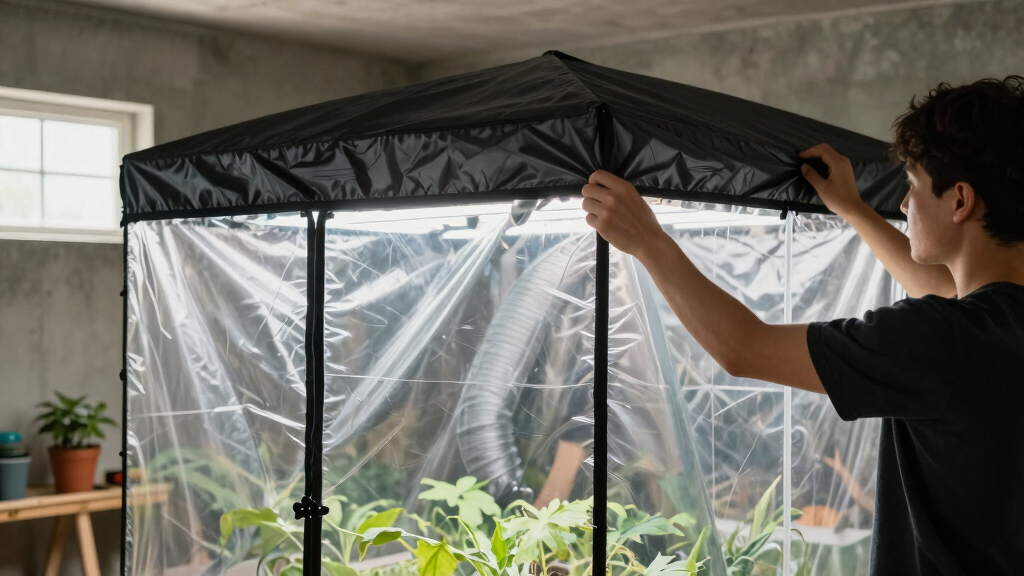
We selected these grow tents based on their insulation capabilities, build quality, space efficiency, and user reviews. Emphasizing features like waterproof canvas, reflective materials, and sturdy support structures, I prioritized tents that are well-suited for colder basement environments. We also considered ease of setup, accessories included, and overall value to help growers at different experience levels find the best fit.
Factors to Consider When Choosing Best Insulated Grow Tent For Basements
When selecting an insulated grow tent for a basement, focus on material quality, sealing features, and structural support. The goal is to minimize heat loss, prevent light leaks, and withstand the damp, cold environment typical of many basements. Insulation isn’t just about thick fabric but also about how well zippers, seams, and vents are sealed. Durability and ease of assembly are also key, especially if you’ll be setting up in a space with limited access or uneven floors. Size considerations depend on your available space and grow volume needs. This guide breaks down the essential factors to help you pick the right tent for your basement grow operation.
Material and Build Quality
Look for tents made with thick, waterproof, tear-resistant fabrics like 1680D Oxford canvas or high-density polyester. Reinforced seams and sealed zippers help prevent light leaks and improve insulation. A sturdy metal frame supports heavier equipment and withstands the cooler, more humid conditions of a basement. The material quality directly influences how well the tent maintains temperature and resists moisture damage over time.
Sealing and Lightproofing
Good insulation starts with a lightproof, sealed environment. Features like double-stitched seams, heavy-duty zippers with protective flaps, and overlapping fabric layers reduce heat and light escape. Observation windows and vent flaps should also be well-sealed to prevent drafts. These features allow you to control temperature and humidity more effectively, reducing heating costs and creating a stable environment for your plants.
Size and Space Requirements
Measure your available space carefully before choosing a tent. Larger tents like the 4×4 models provide more room but require more space and setup effort. Smaller models are easier to handle and fit into tight basements but may limit your grow capacity. Consider future expansion needs and ensure you have enough clearance for ventilation and maintenance tasks.
Ease of Setup and Accessories
Many tents now feature tool-free assembly, which simplifies setup, especially in cramped or uneven basement environments. Look for included accessories like floor trays, hanging straps, and observation windows that enhance functionality and ease maintenance. A well-designed tent minimizes setup time and maximizes your growing efficiency.
Frequently Asked Questions
How does insulation improve plant growth in a basement?
Insulation helps maintain a stable temperature inside the grow tent, protecting your plants from the cold and fluctuating basement conditions. It reduces the energy needed for heating, creating a more consistent environment that supports healthy growth and reduces stress on your plants. Proper insulation also minimizes condensation and moisture issues that can lead to mold or pests.
Are waterproof fabrics necessary for basement grow tents?
Yes, waterproof fabrics like 1680D Oxford canvas or reinforced polyester are highly beneficial in basements, which often have higher humidity levels. These materials prevent moisture from penetrating the fabric, reducing the risk of mold, mildew, and structural degradation over time. They also contribute to better heat retention by sealing out drafts and moisture leaks.
What size grow tent is best for a typical basement?
The ideal size depends on your available space and grow goals. For small to medium setups, a 3×3 or 4×2 tent offers good balance between space and manageability. Larger sizes like 4×4 are suitable if you have a dedicated, spacious basement area and want to maximize yield. Always measure your space carefully and leave room for ventilation and maintenance.
How important are observation windows and vents in insulated tents?
Observation windows and vents are very useful for monitoring plant health and controlling environment parameters without opening the tent. They help in heat dissipation and humidity regulation, which is crucial in colder basement environments. Well-sealed windows and vents prevent drafts and heat loss while allowing for necessary airflow and monitoring.
Can I improve insulation with additional materials?
Yes, you can enhance insulation by adding reflective barriers or insulating blankets around the tent or in the basement itself. However, it’s essential to ensure that these additions do not obstruct ventilation or cause moisture buildup. The built-in insulation features of quality tents are usually sufficient, but supplementary measures can be beneficial in very cold or damp environments.
Conclusion
If you are a dedicated grower with a large, cold basement, the Spider Farmer 4×2 Grow Tent offers maximum durability and insulation. For hobbyists or those on a tighter budget, the VIVOSUN S336 provides reliable lightproofing and moderate insulation in a more manageable size. Growers with ample space and need for larger setups should consider the VIVOSUN S448, which combines size and insulation for extensive indoor gardening. Ultimately, your choice depends on your space, budget, and insulation needs—prioritize durability and material quality for colder, damper basements to ensure healthy, consistent plant growth.