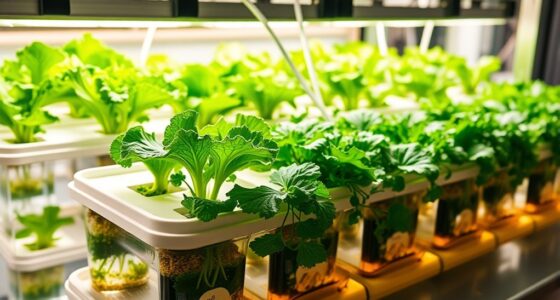
Growing lush, full salads indoors is easier than ever, but choosing the right garden system depends on your needs. The Ahopegarden Hydroponic System offers high efficiency with 10 pods and automated lighting, ideal for busy cooks. The LetPot Hydroponic System stands out with app control, faster growth, and a sleek design, perfect for tech-savvy gardeners. Meanwhile, Year-Round Soil Sprouted Greens provides a soil-based approach that appeals to traditionalists and those wanting a more natural setup, but it may take longer to produce mature salads. Each option involves tradeoffs in complexity, speed, and style, so I’ll walk you through who benefits most from each.
Key Takeaways
- Hydroponic systems grow salads faster and with less mess, but they can be more expensive and complex to set up.
- Soil-based gardening offers a more natural experience but may require more time and maintenance.
- App-controlled hydroponic systems provide convenience and customization, ideal for tech enthusiasts.
- Countertop designs are compact but may limit the number of full-sized salads you can harvest at once.
- Choosing the right system depends on your budget, space, and how quickly you want to harvest full salads.
| Ahopegarden Indoor Garden Hydroponics Growing System |  | Best Overall Hydroponic System for Full Salads | Capacity: 10 Pods | Height Adjustment: Up to 15.3 inches | Lighting: Full-spectrum LED, timer-controlled | VIEW LATEST PRICE | See Our Full Breakdown |
| Year-Round Indoor Salad Gardening |  | Best Soil-Based Salad Garden for Natural Growth | VIEW LATEST PRICE | See Our Full Breakdown | |||
| LETPOT LPH-SE Hydroponics Growing System |  | Best Tech-Driven Indoor Garden for Full Salads | Number of Pods: 12 | Water Tank Capacity: 5.5 liters | Lighting: 24W full spectrum LED | VIEW LATEST PRICE | See Our Full Breakdown |
More Details on Our Top Picks
Ahopegarden Indoor Garden Hydroponics Growing System
This hydroponic system excels in efficiency, offering 10 pods and an adjustable LED grow light with two modes tailored for vegetables or fruits. Its water circulation and see-through reservoir simplify maintenance, while the height-adjustable light ensures healthy plant development. Compared with soil-based options, this setup produces salads faster due to optimized lighting and nutrient delivery. However, it comes with a higher price and requires some initial setup knowledge, making it less ideal for complete beginners. Its compact countertop size makes it perfect for busy households wanting a steady supply of fresh greens.
Pros:- Fast growth cycle for leafy greens
- Automated lighting with timer
- Compact and countertop friendly
Cons:- Higher upfront cost
- Requires electrical setup and maintenance
- Limited to hydroponic setup, not soil-based
Best for: Home cooks and busy families wanting quick, reliable salad greens year-round
Not ideal for: Gardeners preferring soil and traditional planting or those on a tight budget
- Capacity:10 Pods
- Height Adjustment:Up to 15.3 inches
- Lighting:Full-spectrum LED, timer-controlled
- Water Tank:Water level window, 14.5 inches height adjustable
- Size:11.97 x 6.69 x 6.69 inches
- Materials:Plastic, LED
Bottom line: Ideal for those seeking quick, consistent salad production with minimal fuss and space constraints.
Year-Round Indoor Salad Gardening
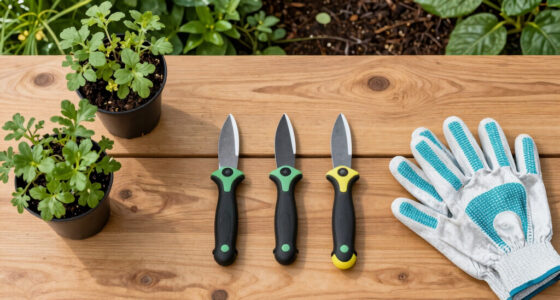
This book offers a detailed guide on growing nutrient-dense greens in soil indoors, emphasizing soil health and natural methods. While it doesn’t include a physical garden system, it’s perfect for gardeners who prefer soil over hydroponics. It involves longer grow times—usually over a week to reach full size—but provides a traditional gardening experience with the satisfaction of soil cultivation. Compared with hydroponic systems, this approach is generally less costly initially but demands more patience and manual effort. It’s best suited for those interested in organic methods and hands-on gardening, but less so for immediate harvests or limited space.
Pros:- Organic and soil-based
- Cost-effective initial setup
- Enhanced flavor and nutrient profile
Cons:- Longer time to harvest
- Requires more manual effort and space
- Less controlled environment compared to hydroponics
Best for: Traditional gardeners, organic enthusiasts, and those willing to wait for full salads
Not ideal for: Those seeking rapid harvests or minimal maintenance systems
Bottom line: Great for gardeners who enjoy soil cultivation and organic produce, accepting longer wait times.
LETPOT LPH-SE Hydroponics Growing System
The LETPOT hydroponic system incorporates app and WiFi control, allowing precise management of light, water, and nutrients. Its 12 pods and smart reminders simplify maintenance while boosting growth speed—up to 40% faster than soil or traditional hydroponics. The sleek stainless steel build fits modern kitchens, and the customizable LED modes support different growth stages. Compared to simpler systems, this one offers more automation and remote control, but it involves a higher investment and reliance on technology that may require troubleshooting. It’s ideal for tech lovers who want maximum convenience and rapid harvests for full salads.
Pros:- App & WiFi control for ease of use
- Faster growth, up to 40%
- Sleek, durable design
Cons:- Higher cost
- Requires smartphone or device for full functionality
- Complex setup for beginners
Best for: Tech-savvy gardeners who want fast, automated indoor salad production
Not ideal for: Gardeners preferring manual control or on a tight budget
- Number of Pods:12
- Water Tank Capacity:5.5 liters
- Lighting:24W full spectrum LED
- Connectivity:App & WiFi controlled
- Materials:Stainless steel & ABS resin
- Size:16 x 7 x 9.8 inches
Bottom line: Perfect for those who prioritize automation, speed, and modern design in indoor gardening.
How We Picked
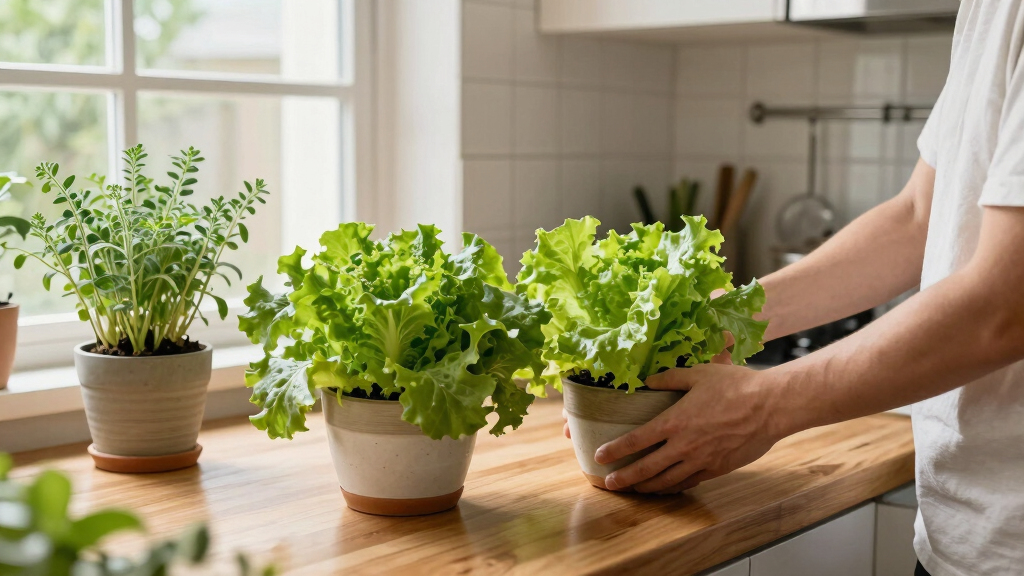
Our selection process focused on systems specifically capable of producing full salads indoors, prioritizing ease of use, growth speed, and space efficiency. We evaluated hydroponic kits for automation, customization, and reliability, ensuring they support leafy greens and vegetables needed for complete salads. Soil-based options were included for those preferring traditional gardening, with a focus on growth time and versatility. Tradeoffs like complexity, upfront cost, and maintenance requirements were carefully considered to recommend options suited to different gardener types.
Factors to Consider When Choosing Best Indoor Garden For Full Salads
Choosing the best indoor garden for full salads involves considering how quickly you want to harvest, your preferred gardening method, available space, and budget. Hydroponic systems excel in speed and minimal mess, often suitable for busy households, while soil-based options appeal to those who enjoy traditional gardening and organic produce. Automation features like app control can greatly simplify maintenance but may increase costs. This guide breaks down key factors to help you find a system that matches your needs, whether you’re a beginner or an experienced gardener aiming for year-round harvests.
Hydroponic vs. Soil-Based Gardening
Hydroponic systems provide faster growth and less mess, making them perfect for those who want quick, consistent salad greens. They are generally more expensive upfront and require electrical components, but the automation and speed often justify the cost. Soil-based gardening offers a more natural experience, with better flavor and nutrient density, but it takes longer to reach full harvest and requires more manual effort. Think about your patience level and whether you prefer a high-tech or traditional approach.
Automation and Control Features
App-controlled systems like LETPOT offer remote management, customizable lighting, and maintenance reminders, which are ideal for tech enthusiasts or busy households. Simpler hydroponic kits with timers are more affordable and easier to set up but lack remote access. Consider your comfort with technology and how much automation you want to reduce daily gardening tasks.
Space and Capacity
Countertop systems are compact, suitable for small kitchens or apartments, but may limit the total salad yield. Larger systems with more pods or soil beds allow for more greens but require more space. Determine your available area and how many salads you want to harvest at once to choose appropriately.
Cost and Maintenance
High-tech hydroponic systems tend to be pricier but often reduce ongoing maintenance with automation. Soil gardens are cheaper initially but may involve more manual watering, fertilizing, and longer grow cycles. Balance your budget with your willingness to do hands-on gardening to find the right fit.
Frequently Asked Questions
How quickly can I expect to harvest full salads indoors?
Hydroponic systems typically allow you to harvest leafy greens in 2 to 3 weeks, providing a fast turnaround for fresh salads. Soil-based gardening generally takes longer—around 4 to 6 weeks—because plants need more time to grow in soil. The choice depends on how immediate your salad needs are and whether you prefer speed over traditional methods.
Are hydroponic systems difficult to maintain?
Hydroponic systems require regular monitoring of water levels, nutrients, and light schedules. While some systems like LETPOT include app controls and reminders that simplify maintenance, there is still some initial setup and occasional troubleshooting involved. They are generally easier than soil gardening once established, especially if automation features are used.
Can I grow all types of greens in these indoor systems?
Most indoor hydroponic systems support leafy greens like lettuce, spinach, and arugula, which are perfect for salads. Some systems also support small vegetables like herbs, radishes, or cherry tomatoes, depending on the size and light capacity. Soil-based gardens are more versatile in plant choice but may take longer to reach harvest stage for certain crops.
What’s the best system for a beginner with limited space?
Countertop hydroponic systems like the Ahopegarden or LETPOT are excellent for beginners due to their compact size, automated features, and straightforward setup. Soil-based gardening books are suitable if you prefer manual control and organic methods, but they may require more time and space to see results.
Are these systems suitable for year-round salad growing?
Yes, all three options—hydroponic and soil-based—are designed for indoor use, allowing year-round cultivation regardless of outdoor climate. Hydroponic systems, especially those with adjustable lighting, are particularly effective for continuous harvests and faster growth cycles, making them ideal for consistent salad supply.
Conclusion
Choosing the right indoor garden depends on your priorities. For fast, low-maintenance salads in a small space, hydroponic systems like Ahopegarden or LETPOT are excellent—especially if you appreciate automation and modern design. If you prefer organic, soil-grown greens and patience, then a soil-based approach like the included book can deliver flavorful results over time. Budget-conscious gardeners might lean toward soil methods, while busy or tech-oriented users will appreciate the convenience of app-controlled hydroponics. Consider your space, patience, and desired harvest speed to select the system that best fits your salad-growing ambitions.