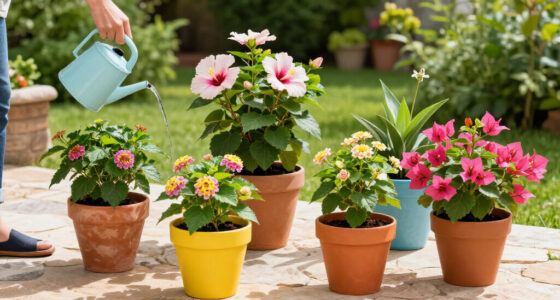
The best flowering garden plants combine blooms that suit your climate, space, and care routine. My best overall pick is the Knock Out Pink Rose, a shrub rose that offers a strong balance of garden impact and practical upkeep; lavender stands out for fragrant blooms, while pink coneflower is a pollinator-friendly perennial. The tradeoff is between ready-to-plant shrubs and perennials, which take more planning but can return, and seeds, which cost less to start but need time and favorable growing conditions. Bloom timing, sun exposure, mature size, and maintenance also separate these choices. Read on for the full breakdown and guidance on matching a plant to your garden.

Get garden gear delivered free with Prime
- Fast, free delivery on millions of items
- Prime Video, Amazon Music and more included
- Member-only deals all year
Complete the kit


Key Takeaways
- The Knock Out Pink Rose earns the best-overall role because it offers a shrub form and a clear ornamental payoff without limiting the roundup to a single bloom style.
- Gardenias appear in three named options, so buyers should compare cultivar and placement needs rather than treating every one-gallon gardenia as interchangeable.
- Lavender and pink coneflower serve different perennial priorities: fragrance and aromatic foliage versus pollinator appeal and a daisy-like flower.
- Bulbs and seeds are lower-commitment starting points, but they rely more on timing, establishment, and patience than the live shrubs and potted perennials.
- Compact choices like Coral Drift rose and Red Riding Hood anemone suit tighter beds, while Rose of Sharon and shrub roses need space for their larger forms.


| flowering garden plant | Plant type |
|---|---|
| 10 Gladiolus Bulbs | Perennial |
| Frostproof Gardenia Live Plant | Live outdoor plant |
| Knock Out 2 Gal. Rose Pink Shr | Rose shrub |
| Perennial Farm Anemone x Hybri | Anemone × hybrida perennial |
| ZEshops Pink Sunflower Seeds f | — |
| Jubilation Gardenia Live Plant | — |
| Gardenia Plant | — |
| Gardenia 1 Gal. August Beauty | — |
| Lavender | Perennial |
| Proven Winners 2 Gal. Blue Chi | — |
| Perfect Plants Coral Drift Ros | Live plant |
| Pink Coneflower | Live perennial |
| Wildflower Seeds Butterfly and | — |
| Red Chrysanthemum | Live perennial |
| Sweet Drift Rose Live Plant | Live plant |
More Details on Our Top Picks
10 Gladiolus Bulbs, Mixed Colors – Sword Lily, Easy to Grow Perennial Garden or Container Flowers
I’d choose these 10 mixed-color gladiolus bulbs when height and a bold summer display matter more than a long flowering season. Their spikes can reach 48 inches, giving a bed or large container vertical color that the compact Red Riding Hood Anemone cannot provide. The bulbs also offer more color variation in one purchase than the single-color pink sunflower seeds, though the sunflower can grow taller. Gladiolus suit gardeners who can give them full sun and well-drained soil; they are less forgiving of shaded sites or soggy ground. Plant after frost, and note the listed USDA zones 7–10 limit where they can be treated as perennials. The tradeoff is seasonal rather than continuous bloom, plus more care around planting conditions than a ready-grown shrub such as the Knock Out Rose.
Pros:- Ten bulbs provide a mixed-color display rather than a single bloom color.
- Flower spikes reaching up to 48 inches add height and structure.
- Can be planted in garden beds or containers.
- Straightforward growing needs when given sun and suitable drainage.
Cons:- Needs full sun and well-drained soil.
- Bulbs should be planted after frost, so planting timing matters.
- Listed perennial hardiness is limited to USDA zones 7–10.
Best for: Gardeners in USDA zones 7–10 who want varied, upright summer flowers for sunny beds or roomy containers.
Not ideal for: Gardeners with shaded or poorly drained planting areas, or those seeking a compact plant that flowers across multiple seasons.
- Quantity:10 bulbs
- Colors:Mixed colors
- Plant type:Perennial
- Height:Up to 48 inches
- Blooming season:Summer
- Sunlight:Full sun
- Soil type:Sandy soil
- Watering needs:Moderate
Our verdict“Choose these gladiolus bulbs for a tall, varied summer display in a sunny garden, but skip them if you need shade-tolerant or season-long flowers.”
Frostproof Gardenia Live Plant, 1 Gallon Pot
This Frostproof Gardenia earns its place for pairing fragrant summer flowers with evergreen foliage, so it contributes to the garden outside its bloom period. At a mature 5 feet tall and 4 feet wide, it can anchor a border or form part of a hedge; that makes it a more substantial, year-round planting than the seasonal gladiolus bulbs. Its white, fragrant blooms also provide a scent-focused alternative to the Knock Out Rose, which offers pink flowers over a longer spring-to-fall period but is not described as fragrant. Frostproof Gardenia accepts full sun to partial shade, giving it more placement flexibility than full-sun picks. The tradeoff is space: this shrub needs room to mature, and the listing excludes shipment to California and Arizona. It is listed for zones 7–10, so it is not the widest-ranging choice.
Pros:- Fragrant white summer flowers add scent as well as color.
- Evergreen foliage provides garden presence beyond the bloom period.
- Works as a border, hedge, or accent planting.
- Tolerates full sun to partial shade.
Cons:- Matures to about 5 feet tall and 4 feet wide, requiring substantial space.
- Listed hardiness is limited to USDA zones 7–10.
- Does not ship to California or Arizona.
Best for: Gardeners in USDA zones 7–10 who want a fragrant evergreen shrub for a border, hedge, or outdoor focal point.
Not ideal for: Small-space gardeners or shoppers in California or Arizona, where the plant does not ship; also a poor fit for sites outside its listed zones.
- Plant type:Live outdoor plant
- Pot size:1 gallon
- Mature height:5 feet
- Mature width:4 feet
- Blooming period:Summer
- Sunlight exposure:Full sun to partial shade
- Hardiness zone:7–10
- Plant use:Borders, hedges, or accent planting
Our verdict“Pick this gardenia for fragrant flowers and evergreen structure where you have room, but choose a smaller perennial for a compact bed.”
Knock Out 2 Gal. Rose Pink Shrub
For the broadest flowering window among these five, I’d rank the Knock Out Pink Rose first: its self-cleaning blooms are described from spring until frost, while the gladiolus and gardenia are summer-focused and the anemone peaks later. The shrub reaches about 48 inches and can serve as a hedge or accent, combining useful size with bright pink flowers. Its heat and drought tolerance once established, plus resistance to common leaf diseases, make it a lower-fuss option than a plant that needs more ongoing attention. That convenience has a startup cost in care: the listing calls for watering twice weekly until established, then weekly. It also loses leaves in winter, unlike the evergreen Frostproof Gardenia. The listed zones 5–11 give it broader range than that gardenia, but it still needs a suitable site and routine watering.
Pros:- Self-cleaning pink flowers are listed from spring until frost.
- Heat- and drought-resistant once established.
- Resistant to common leaf diseases, including black spot and downy mildew.
- Can be used as a hedge or accent and grows to about 48 inches.
Cons:- Needs watering twice weekly until established, then weekly.
- Loses its leaves in winter.
- Its mature height makes it less suited to very small planting spaces.
Best for: Gardeners seeking a flowering hedge or accent shrub with pink blooms from spring to frost across a broad range of USDA zones.
Not ideal for: Buyers who want evergreen winter foliage, cannot water regularly while the shrub establishes, or need a small container plant.
- Plant type:Rose shrub
- Container size:2 gallons
- Flower color:Pink
- Blooming period:Spring to fall, until frost
- Hardiness zone:5–11
- Expected height:48 inches
- Soil type:Sandy soil
- Watering:Twice weekly until established, then once weekly
Our verdict“Choose this rose for an extended pink display and a hedge-friendly form, but opt for the Frostproof Gardenia if evergreen foliage matters more.”
Perennial Farm Anemone x Hybrida Fantasy™ ‘Red Riding Hood’ – Live Windflower in #1 Container, Bright Rose-Pink Blooms, Compact Habit, Long Blooming, Deer Resistant, Shade Garden
The Red Riding Hood Anemone is the lineup’s space-saving choice: its clumping habit reaches just 12–18 inches, making it easier to fit along a border or in a container than the 48-inch Knock Out Rose or gladiolus. Its late-summer-to-fall flowers also arrive when the summer-focused gardenia may be past its main display, giving a garden color at a different point in the season. The plant is listed for full sun to part shade, though part shade suits its shade-garden role better than the full-sun sunflower seeds. Deer resistance is a useful advantage for exposed beds. The tradeoff is that it does not provide the height or broad-season flowering of the rose, and it needs moderate watering. Plants shipped from November through March may arrive dormant and trimmed, which can be disappointing if you expect an in-bloom specimen.
Pros:- Compact 12–18-inch height fits smaller beds and containers.
- Bright rose-pink blooms extend color into late summer and fall.
- Deer-resistant and suitable for outdoor planting.
- Tolerates full sun to part shade, with a useful role in shade gardens.
Cons:- Needs moderate watering.
- May ship dormant and trimmed from November through March.
- Does not match the Knock Out Rose for height or a spring-to-frost flowering window.
Best for: Gardeners with small borders, containers, or part-shade beds who want compact late-season flowers and deer resistance.
Not ideal for: Shoppers seeking a tall focal point, spring-to-frost blooms, or a plant guaranteed to arrive in active growth during winter shipping months.
- Plant type:Anemone × hybrida perennial
- Container:#1 container
- Blooming period:Summer to fall
- Sunlight exposure:Full sun to part shade
- Expected height:12–18 inches
- Flower color:Bright rose-pink
- Moisture needs:Moderate watering
- Plant habit:Compact and clumping
- Deer resistance:Yes
Our verdict“Choose this anemone for compact, deer-resistant late-season color in part shade, but pick the Knock Out Rose for a taller and longer-lasting display.”
ZEshops Pink Sunflower Seeds for Planting, 50 Count, Outdoor Flower Garden
These 50 pink sunflower seeds suit gardeners who prefer starting flowers from seed and want a tall summer-to-fall display. At a listed height of 7 feet, they offer more vertical impact than the compact Red Riding Hood Anemone, while their listed USDA range of 3–11 is broader than the gladiolus bulbs’ 7–10 range. That breadth gives more gardeners a chance to grow them, but it does not guarantee identical results: the listing notes that bloom shade and timing depend on growing conditions. Unlike the ready-grown Frostproof Gardenia or Knock Out Rose, seeds require a full-sun site, well-drained soil, and regular moisture as they grow. The 50-count packet also describes seed quantity, not a promise of 50 mature flowering plants. This is a flexible, hands-on pick, not the most predictable route to an established garden display.
Pros:- Packet contains 50 seeds for a larger planting project.
- Listed height of 7 feet adds strong vertical presence.
- Listed USDA zones 3–11 cover a wide range of climates.
- Summer-to-fall bloom period can extend seasonal color.
Cons:- Requires full sun, well-drained soil, and regular watering.
- Bloom shade and timing can vary with growing conditions.
- The seed count does not guarantee mature flowering plants.
Best for: Gardeners who enjoy growing flowers from seed and have a sunny, well-drained site for tall summer-to-fall plants.
Not ideal for: Buyers who need an immediate, reliable display, have limited sun or space, or prefer a live plant with a stated mature form.
- Seed count:50
- Item weight:9.07 g
- Flower color:Pink
- Expected height:7 feet
- Blooming period:Summer to fall
- Hardiness zone:3–11
- Sunlight exposure:Full sun
- Soil type:Loam
- Moisture needs:Regular watering
Our verdict“Choose these seeds for a tall, hands-on flower project in a sunny garden, but select a live shrub for a more established and predictable display.”
Jubilation Gardenia Live Plant, 1 Gallon
Jubilation Gardenia’s spring-to-fall white blooms give it a longer stated flowering window than the August Beauty listings with spring-to-summer bloom periods. Its fragrant evergreen foliage also keeps the plant present in the garden between flowers, while its 3-to-4-foot size fits borders and smaller spaces more readily than the much taller Blue Chiffon Rose of Sharon. The tradeoff is a narrower climate and soil fit: it is listed for USDA zones 7–10 and does best in well-drained, acidic soil with regular watering. I’d choose it for a compact, scented display where those conditions suit the garden, rather than for a low-water or cold-climate planting. Shipping restrictions also rule it out for some buyers.
Pros:- White flowers are expected from spring through fall.
- Fragrant evergreen shrub adds foliage outside its bloom period.
- Compact 3-to-4-foot size suits borders, containers, and small gardens.
- Listed as attracting pollinators and resisting deer and disease.
Cons:- Needs regular watering and well-drained, acidic soil.
- Hardiness is limited to USDA zones 7–10.
- Cannot be shipped to California or Arizona according to the product details.
Best for: Gardeners in USDA zones 7–10 who want a compact evergreen shrub with fragrant flowers across much of the growing season.
Not ideal for: Gardeners in colder zones, areas with alkaline or poorly drained soil, or California and Arizona residents affected by shipping restrictions.
- Pot size:1 gallon
- Expected bloom period:Spring to fall
- Flower color:White
- Expected height:3–4 feet
- USDA hardiness zones:7–10
- Sun exposure:Full sun listed; description also allows partial sun
- Soil and moisture:Loam; well-drained, acidic soil; regular watering
- Special features:Fragrant; attracts pollinators; compact; deer- and disease-resistant
Our verdict“Choose Jubilation for a compact, fragrant gardenia with a long stated bloom season if your climate and soil match its needs.”
Gardenia Plant (1G) – Live Outdoor and Indoor Gardenia Jasminoides ‘August Beauty’
August Beauty pairs scented white flowers with evergreen foliage, and the listing specifically points to floral arrangements—a useful distinction from Jubilation Gardenia, which has a stated longer bloom window and a more compact 3-to-4-foot size. This plant can reach 5 feet tall and 4 feet wide, so it offers more shrub presence but needs more room. The flowers are described as turning creamy yellow with age, adding a changing look rather than a uniform white display. Its main limits are climate and care: it is listed for zone 8 or warmer and prefers moist, rich soil. Buyers should also note the shipping warning about extreme heat above 95°F. Choose it for fragrance and cutting, not for a hands-off or cold-climate garden.
Pros:- Fragrant white blooms mature to creamy yellow.
- Evergreen foliage provides year-round greenery.
- Can be grown in gardens or containers, and flowers are suited to arrangements.
- Listed as an organic and pet-safe plant.
Cons:- Listed hardiness is limited to zone 8 or warmer.
- Moist, rich soil and careful watering are needed.
- Shipping may be affected by temperatures above 95°F.
Best for: Zone 8-or-warmer gardeners who want fragrant gardenia flowers for the landscape, containers, or floral arrangements.
Not ideal for: Gardeners in zone 7 or colder, those seeking a smaller shrub than Jubilation Gardenia, or buyers expecting reliable shipping during extreme heat.
- Pot size:1-gallon nursery pot
- Botanical name:Gardenia jasminoides ‘August Beauty’
- Height:Up to 5 feet
- Width:Up to 4 feet
- Bloom period:Spring to summer
- Flower color:White, aging to creamy yellow
- Hardiness:Zone 8 or warmer
- Sun and soil:Full to part sun; moist, rich soil
Our verdict“Pick August Beauty when fragrant flowers for cutting matter more than compact size or broader hardiness.”
Gardenia 1 Gal. August Beauty Shrub
This August Beauty listing combines double white flowers with a spring-to-fall bloom period, making it a strong pick for gardeners who want a fuller, vigorous gardenia rather than a small accent shrub. Its listed mature dimensions—up to 6 feet tall and 4 feet wide—give it more presence than Jubilation Gardenia, which stays around 3 to 4 feet in both directions. That extra scale asks for more room and regular watering, though, and the flowering season remains seasonal rather than year-round. Compared with the other August Beauty listing, this one specifies a broader zone 7–9 range and a spring-to-fall flowering window. It suits a landscape bed or roomy container best; buyers with limited space or dry soil should look at the compact Jubilation option instead.
Pros:- Double white flowers are listed from spring through fall.
- Vigorous evergreen growth creates a substantial landscape presence.
- Can be used in containers, landscapes, or as an accent shrub.
- Full sun to partial shade offers some placement flexibility.
Cons:- Mature height can reach 6 feet, requiring more room than Jubilation Gardenia.
- Regular watering and ongoing care are needed.
- Listed hardiness is limited to USDA zones 7–9.
Best for: Gardeners in USDA zones 7–9 who have room for a larger evergreen shrub and want double, fragrant flowers over a long seasonal window.
Not ideal for: Small-space gardeners, those unable to provide regular watering, or buyers seeking flowers outside the spring-to-fall season.
- Pot size:1 gallon
- Botanical name:Jasminoides (Cape Jasmine)
- Mature size:36–48 inches wide × 48–72 inches tall
- Expected height:48 inches listed
- Bloom period:Spring to fall
- Flower type and color:Double white flowers
- USDA hardiness zones:7–9
- Sun and water:Full sun to partial shade; regular watering
Our verdict“Choose this August Beauty for a larger, long-blooming gardenia display when you can provide space, water, and suitable conditions.”
Lavender (2 Pack) – Purple Blooms, Live Fragrant & Aromatic Flowering Perennials in 1 Qt Pots
Two compact lavender plants bring purple blooms and a low-water profile that set them apart from the gardenias in this roundup. They prefer full sun and well-draining soil, with lower moisture needs than either August Beauty listing, so they suit sunny borders, containers, and herb gardens where regular shrub watering is less appealing. At about 10 inches tall on arrival, with an expected mature height of 18–24 inches, they make a smaller-scale display than Blue Chiffon Rose of Sharon and won’t form a tall flowering screen. Lavender is listed for zones 5–9, giving it a broader cold-climate fit than the gardenias. The tradeoff is a strict preference for sun and drainage: shaded or persistently wet sites are poor matches, and plant size may vary.
Pros:- Includes two plants with fragrant purple blooms.
- Low moisture needs reduce watering demands compared with the gardenias.
- Compact growth suits borders, containers, and herb gardens.
- Listed for USDA zones 5–9 and attracts pollinators while deterring deer.
Cons:- Needs full sun for best growth.
- Poor drainage can conflict with its preference for drier soil conditions.
- Plant size and growth may vary.
Best for: Gardeners in USDA zones 5–9 who want two fragrant, compact perennials for a sunny, well-drained border, container, or herb garden.
Not ideal for: Gardeners with shaded, wet, or poorly drained planting sites, or anyone seeking a tall shrub or spring-to-fall floral screen.
- Quantity:2 plants
- Pot size:1 quart each
- Plant type:Perennial
- Arrival size:Approximately 10 inches tall and 5 inches wide
- Expected mature height:18–24 inches
- Bloom color:Purple
- Sun and soil:Full sun; well-draining soil
- USDA hardiness zones:5–9
Our verdict“Choose this two-plant lavender set for a compact, fragrant, lower-water display in a sunny, well-drained spot.”
Proven Winners 2 Gal. Blue Chiffon Rose of Sharon (Hibiscus) Shrub
Blue Chiffon Rose of Sharon brings height and large blue flowers where the gardenias and lavender offer smaller, more intimate displays. Listed at 8–12 feet tall and 4–6 feet wide, it can anchor a border or add a tall flowering feature; that scale is a clear contrast with the 18–24-inch lavender and the compact Jubilation Gardenia. Its main limitation is timing: the description highlights flowers from late summer to fall, so it is a better choice for extending seasonal color than for a spring display. It also loses its foliage in winter, unlike the evergreen gardenias, and needs regular watering in well-drained soil. With hardiness listed for zones 5–9, it reaches colder regions than the gardenias but requires room for mature growth.
Pros:- Large blue flowers add a distinctive color compared with the white gardenias and purple lavender.
- Tall mature size creates a strong vertical feature in the landscape.
- Hardiness is listed for USDA zones 5–9.
- Can be grown in landscapes or containers, with full sun to partial shade.
Cons:- Mature size of up to 12 feet tall and 6 feet wide needs substantial space.
- Deciduous foliage means seasonal leaf cleanup and no winter greenery.
- Requires regular watering and well-drained soil.
Best for: Gardeners in USDA zones 5–9 who need a tall flowering shrub for a border or landscape and want blue blooms later in the season.
Not ideal for: Small-yard gardeners, those seeking evergreen winter foliage, or buyers who want the listing to guarantee spring flowers.
- Container size:2 gallons
- Botanical name:Hibiscus syriacus
- Mature size:48–72 inches wide × 96–144 inches tall
- Listed plant height:96 inches
- Flower color:Blue
- Expected bloom period:Spring through fall listed; description highlights late summer to fall
- USDA hardiness zones:5–9
- Sun and water:Full sun to partial shade; regular watering
Our verdict“Choose Blue Chiffon Rose of Sharon for a spacious garden that needs a tall, late-season flowering shrub rather than evergreen foliage.”
Perfect Plants Coral Drift Rose Bush, 1 Gallon, Live Plant
Coral Drift Rose earns its place for gardeners who want repeated color in a low, spreading form rather than a tall shrub. Its listed mature size of 1–2 feet tall and 2–3 feet wide suits borders, walkway edges, and mulch beds, while the coral blooms are described as lasting from spring through fall. Compared with the Sweet Drift Rose, this pick trades pink flowers for a stronger coral accent; the two otherwise share a compact groundcover habit and drought tolerance. Full sun is the main siting requirement, and the listing gives conflicting hardiness information: zones 4–11 in the description and 5–10 in the specs. It also cannot ship to California or Arizona, so check location and zone fit before choosing it.
Pros:- Low, spreading habit can cover edges of beds and walkways.
- Coral blooms are described as continuing from spring through fall.
- Drought tolerance can reduce watering demands after establishment.
- Winter-hardy shrub form suits outdoor planting.
Cons:- Requires full sun for its best flowering.
- Does not ship to California or Arizona.
- Hardiness details conflict between the description and specifications.
Best for: Gardeners in a listed compatible zone who want coral color in a sunny border or along a patio without adding a tall shrub.
Not ideal for: Gardeners in California or Arizona, shady yards, or sites where the conflicting hardiness-zone details make winter survival uncertain.
- Plant type:Live plant
- Bloom color:Coral
- Growth habit:Groundcover
- Mature height:1–2 ft
- Mature width:2–3 ft
- Sunlight:Full sun
- Water needs:Moderate
- Hardiness:Description: zones 4–11; specs: zones 5–10
Our verdict“Choose Coral Drift if you want a sunny, low-growing rose with coral blooms, but verify your zone and shipping eligibility first.”
Pink Coneflower (Echinacea) – Live Pollinator-Friendly Perennial, 12″ Tall in 2 Qt Pot
Pink Coneflower brings a different kind of value from the rose picks: its appeal extends beyond flowers, with blooms that attract bees and butterflies and seed heads that can feed birds in winter. It flowers in summer and fall, giving a sunny bed color after many spring displays have passed. Compared with the Red Chrysanthemum, which centers on a bright fall show, this perennial offers pollinator interest and seed heads as well as seasonal color. It is listed for zones 3–9 and becomes drought tolerant once established, but it still needs full sun and well-draining soil. Height information is inconsistent: the title says 12 inches, while the description and specifications give up to 24 and 36 inches, respectively. Check the expected size before placing it near low edging.
Pros:- Pink blooms attract bees and butterflies.
- Summer-to-fall bloom period extends seasonal color.
- Seed heads can provide food for birds in winter.
- Listed for a broad range of zones, 3–9.
Cons:- Requires full sun and well-draining soil.
- Published height details conflict, making placement by size less predictable.
- Outdoor perennial rather than an indoor flowering plant.
Best for: Gardeners building a sunny, pollinator-friendly perennial bed who also want seed heads that can provide winter food for birds.
Not ideal for: Buyers who need a precisely sized short plant, have poorly drained soil, or want flowers suited to indoor display.
- Plant type:Live perennial
- Bloom color:Pink
- Expected blooming period:Summer and fall
- Height:Title: 12 in; description: up to 24 in; specs: 36 in
- USDA hardiness zones:3–9
- Sunlight:Full sun
- Soil:Well-draining
- Water needs:Moderate; drought tolerant once established
Our verdict“Pick Pink Coneflower for a sunny wildlife garden, but confirm its likely mature height before planting it in a compact bed.”
Wildflower Seeds Butterfly and Hummingbird Mix – 1 Ounce Packet with 7,500+ Seeds
Butterfly and Hummingbird Wildflower Mix is the lineup’s broadest planting option: one packet combines 23 annual and perennial species and is intended to cover about 100 square feet. That makes it a better fit for filling a sunny patch with varied blooms than either the individual Pink Coneflower or a defined rose groundcover. The mix is designed to attract hummingbirds, butterflies, and bees, with a stated spring-to-fall bloom window; its adaptable-soil claim may also suit a less tailored planting site. The tradeoff is less control over the final look and height: plants may reach about four feet, which can overwhelm a narrow border or low front-of-bed scheme. It needs full sun and moderate watering, and growing from seed requires following the included planting instructions rather than starting with an established plant.
Pros:- Mix includes 23 annual and perennial flower species.
- Packet is intended to cover about 100 square feet.
- Designed to attract hummingbirds, butterflies, and bees.
- Includes planting instructions and a germination guarantee.
Cons:- Seed-grown results offer less predictable height and appearance than a named live plant.
- Plants may reach four feet, too tall for some compact beds.
- Full sun and moderate watering are needed for growth.
Best for: Gardeners with a sunny area of roughly 100 square feet who want varied flowers and wildlife activity and are comfortable starting from seed.
Not ideal for: Gardeners who need a predictable color layout, immediate established plants, or flowers below four feet for a small border.
- Product type:Wildflower seeds
- Packet size:1 oz
- Seed count:7,500+
- Species:23 annual and perennial species
- Intended coverage:About 100 sq ft
- Expected blooming period:Spring to fall
- Sunlight:Full sun
- Expected plant height:About 4 ft
- Soil and moisture:Adaptable to most soils; moderate watering
Our verdict“Choose this mix to seed a broad, sunny wildlife patch, not when you need a uniform or precisely sized flower bed.”
Red Chrysanthemum – Live Fall Flowering Perennial, 15″ Tall in 3 Qt Pot
Red Chrysanthemum is the most season-specific live plant in this group, aimed at gardeners who want a clear burst of color in fall rather than a long run of blooms. Its red flowers and growth height of up to 24 inches can give a border a more upright accent than the spreading Coral Drift Rose, which is listed at just 1–2 feet and blooms from spring through fall. This chrysanthemum can grow in full sun or partial shade, offering more placement flexibility than the roses, though the listing calls for regular watering and well-draining soil. Its 12-inch spread may suit a smaller planting space, but fall-focused flowering makes it less useful for gardeners seeking color across several seasons. It is listed for zones 5–9.
Pros:- Red blooms add a strong fall color accent.
- Can grow in full sun or partial shade.
- Listed spread of 12 inches suits relatively compact planting spaces.
- Perennial listing supports use as a recurring outdoor garden feature.
Cons:- Fall-focused bloom period is narrower than the rose options’ stated flowering seasons.
- Needs regular watering for optimal blooming.
- Hardiness is limited to zones 5–9.
Best for: Gardeners in zones 5–9 who want a compact, red-flowering perennial to add a distinct fall accent to an outdoor bed.
Not ideal for: Gardeners seeking spring-to-fall flowers, low-water planting, or a plant for climates outside zones 5–9.
- Plant type:Live perennial
- Bloom color:Red
- Plant height:15 in in a 3 qt pot
- Growth height:Up to 24 in
- Spread:12 in
- USDA hardiness zones:5–9
- Sunlight:Full sun or partial shade
- Soil and moisture:Well-draining soil; regular watering
Our verdict“Choose this chrysanthemum for a compact red fall display, but skip it if you want extended flowering or lower watering needs.”
Sweet Drift Rose Live Plant, 1 Gallon, Pink Ground Cover
Sweet Drift Rose is the pink counterpart to Coral Drift, with a stated bloom duration of 8–9 months and the same compact, spreading dimensions: 1–2 feet tall and 2–3 feet wide. That long flowering window makes it a stronger choice for sustained pink ground-level color than the fall-focused Red Chrysanthemum; the chrysanthemum, by contrast, can grow in partial shade, while this rose needs full sun. Drought tolerance and winter hardiness suit it to outdoor landscapes where a low shrub can edge patios or walkways, though moderate water needs still apply. Its main limitation is geography: the listing gives zones 5–10 and excludes California and Arizona from shipping. Choose Coral Drift instead if coral blooms better match the garden palette or its stated zone range fits better.
Pros:- Pink blooms are described as lasting 8–9 months.
- Groundcover habit suits patio and walkway edges.
- Drought tolerant and winter hardy.
- Compact mature size can fit into low landscape borders.
Cons:- Requires full sun for flowering.
- Listed only for zones 5–10, excluding colder regions.
- Does not ship to California or Arizona.
Best for: Gardeners in zones 5–10 who want a sunny, low-growing rose with pink flowers across much of the growing season.
Not ideal for: Gardeners in California or Arizona, those with shaded planting sites, or buyers in zones colder than 5.
- Plant type:Live plant
- Bloom color:Pink
- Growth habit:Groundcover
- Mature height:1–2 ft
- Mature width:2–3 ft
- Planting zones:5–10
- Expected blooming period:8–9 months
- Water needs:Moderate
- Hardiness and drought tolerance:Winter hardy; drought tolerant
Our verdict“Pick Sweet Drift for extended pink color in a sunny, zone 5–10 landscape, and choose Coral Drift if you prefer coral blooms or a different stated zone range.”
How We Picked
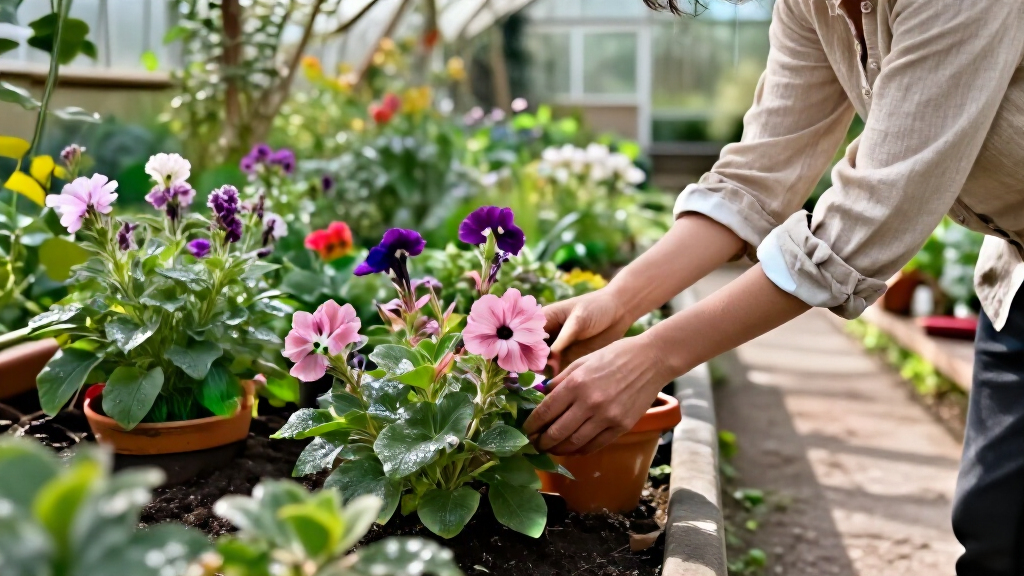
I compared the 15 options by how well each can deliver garden flowers for a real planting situation, not by bloom color alone. The main factors were plant form and starting format, likely fit for beds or containers, bloom-season role, stated size or habit, and practical features such as fragrance, pollinator appeal, and deer resistance where provided. I also weighed how much planning each option asks of the buyer: a live shrub gives an established starting point, while seeds and bulbs need more attention to sowing or planting conditions.
The order favors broad usefulness first, then options with a clearer niche or a more specific tradeoff. The Knock Out rose ranks highest as a balanced shrub pick; compact perennials, fragrant plants, and seasonal choices follow according to the needs they serve. Similar gardenias are not treated as identical: their named cultivars and listed uses matter, but buyers should verify local hardiness and growing guidance before choosing among them. Seeds and bulbs rank lower for immediate garden impact, not because they cannot flower, but because results depend more on timing and establishment.
| flowering garden plant | Plant type |
|---|---|
| 10 Gladiolus Bulbs | Perennial |
| Frostproof Gardenia Live Plant | Live outdoor plant |
| Knock Out 2 Gal. Rose Pink Shr | Rose shrub |
| Perennial Farm Anemone x Hybri | Anemone × hybrida perennial |
| ZEshops Pink Sunflower Seeds f | — |
| Jubilation Gardenia Live Plant | — |
| Gardenia Plant | — |
| Gardenia 1 Gal. August Beauty | — |
| Lavender | Perennial |
| Proven Winners 2 Gal. Blue Chi | — |
| Perfect Plants Coral Drift Ros | Live plant |
| Pink Coneflower | Live perennial |
| Wildflower Seeds Butterfly and | — |
| Red Chrysanthemum | Live perennial |
| Sweet Drift Rose Live Plant | Live plant |
Factors to Consider When Choosing Best Flowering Garden Plants
Before choosing a plant, I would match its growing needs to the conditions already available in the garden. The details below focus on decisions that matter across this lineup, including how to combine different plant types and how to avoid buying for bloom color alone.
Match Sun and Soil to the Plant, Not the Photo
A flower image rarely tells you whether a plant suits your site, so check the light and soil guidance for the specific cultivar before ordering. A sunny exposed bed and a partly shaded, sheltered spot can call for very different choices. Gardenias, roses, lavender, and perennials may have distinct preferences, and a mismatch can mean fewer blooms or extra maintenance. Check local hardiness information as well, since a plant sold as perennial may not return in every climate. If your site is marginal, buying one plant first is a safer test than filling a bed at once. Treat the plant label and seller’s growing instructions as more useful than broad assumptions about a whole plant type.
Plan for Mature Size and Spacing
A one-gallon pot describes the plant’s current container, not the space it will occupy after establishment. Shrubs such as Rose of Sharon and garden roses can outgrow a narrow border, while compact options like the Red Riding Hood anemone or Coral Drift rose may suit smaller areas better. Check mature width as carefully as height; crowded plants compete for light and airflow and can become harder to maintain. For a mixed bed, leave room around shrubs and use lower plants near the front rather than packing everything together for an instant full look. Container growers should confirm the eventual pot size and root-space needs. Good spacing can matter more to long-term appearance than adding another variety.
Build a Bloom Calendar Instead of Buying One Peak
Buying several plants that flower at the same time can create one vivid stretch followed by a quiet garden. Compare expected bloom periods and combine plants with different seasonal roles, such as bulbs, summer-flowering shrubs, and fall chrysanthemums. Actual timing varies with climate and care, so use bloom descriptions as a planning guide rather than a fixed schedule. If you want flowers through more of the year, prioritize a sequence of bloom periods over a larger number of plants in one color. Seeds may take longer to establish, which can leave gaps in the first season. Keep a simple garden calendar to track when each plant is expected to flower and where a gap remains.
Choose Between Seeds, Bulbs, and Live Plants
Seeds, bulbs, and potted plants differ in how quickly they can contribute to a garden and how much early care they need. Seeds, such as the sunflower and wildflower mixes here, offer variety and broad planting potential, but germination and final results depend on sowing conditions. Gladiolus bulbs require correct planting timing and placement, while live shrubs and perennials arrive already growing and can make the planting plan feel more immediate. A lower starting cost does not always mean less work: seedlings need attention as they establish, and mixed seeds may not produce a uniform look. Choose seeds or bulbs if you enjoy growing from an earlier stage; pick live plants when you want a more defined starting point. In every case, check what is included and whether the item is a seed packet, bulb set, or rooted plant.
Balance Bloom Impact Against Ongoing Care
Flowers are only one part of the commitment; watering, pruning, deadheading, and seasonal protection can affect whether a plant remains enjoyable. A scented plant can reward a spot near a path or seating area, but fragrance alone is not a reason to ignore its care requirements. Roses may need pruning and monitoring, while seed-grown patches can require thinning or weed control to keep the planting from becoming untidy. Before buying several plants, think about how much time you can give them during the busiest growing months. If you want lower routine effort, favor a smaller number of well-suited plants over a crowded collection. The easiest garden to maintain is usually the one designed around the owner’s schedule and site conditions.
Buy for a Garden Job, Not Just a Flower Color
Decide what you want each plant to do: anchor a bed, cover ground, provide seasonal color, attract pollinators, or add scent near a sitting area. A ground-cover rose and an upright shrub rose may both flower, yet they solve different layout problems. Coneflower and the wildflower mix can support a pollinator-minded planting, but they differ in how controlled the result may look. For a small patio, compact habit and container suitability may matter more than the tallest bloom display. For a large border, repetition and mature spread can create a more coherent effect than collecting many unrelated colors. A clear garden purpose makes it easier to reject attractive plants that do not fit the space.
Frequently Asked Questions
Which plants in this roundup are best if I want flowers without starting from seed?
Choose among the live shrubs and potted perennials, such as the roses, gardenias, lavender, coneflower, anemone, and chrysanthemum. They arrive as growing plants, so you avoid the germination stage required by the sunflower and wildflower seed mixes. That does not mean they need no establishment care: planting, watering, and suitable light still matter. Check the listing and local growing guidance for the plant’s condition and expected size. If immediate impact matters, a larger live shrub may provide more presence than a small perennial pot.
Are the three gardenias interchangeable, or should I choose a specific one?
They are not automatically interchangeable: the listings name Frostproof, Jubilation, and August Beauty, and cultivar differences may affect the plant’s fit and garden role. The roundup does not provide enough shared detail to claim one is best for every site, so compare each listing’s climate range, mature size, and care instructions before buying. Also confirm whether you want an outdoor shrub, an indoor-capable plant, or a plant intended for both settings. Gardenias can be sensitive to unsuitable conditions, making placement a bigger decision than choosing by flower appearance alone. If you are unsure, select the listing with the clearest guidance for your climate and growing location.
Can I use these flowering plants in containers?
Some listings explicitly mention containers, including the gladiolus bulbs, but container suitability should not be assumed for every shrub or perennial. Check mature size, root space, drainage needs, and whether the container can be moved to protect the plant in your climate. A large-growing shrub may outgrow a small pot even if it arrives in a one-gallon container. Compact plants are often easier to place on a patio, though they still need the right sun and watering routine. Use a container large enough for continued growth rather than choosing one based only on the plant’s size at delivery.
How can I keep a garden flowering for more than one season?
Combine plants with different bloom periods instead of buying several that flower at the same time. This lineup includes bulbs, summer-oriented shrubs and perennials, and a fall-flowering chrysanthemum, which can help create a sequence when their local bloom windows overlap well. Check the expected timing for your region, since climate and planting date can shift flowering. Perennials and shrubs may return when suited to local conditions, while annual behavior or winter survival can vary by plant and climate. Keep notes on bloom dates after planting so you can fill genuine gaps rather than guessing.
Which choices make the most sense for a small garden?
Start with plants whose listed form or role suggests a more contained fit, such as the compact Red Riding Hood anemone or the Coral Drift ground-cover rose, then verify mature dimensions. A seed mix can cover a patch, but its final spread and appearance may be less controlled than a named live plant. Avoid choosing a shrub solely because it arrives in a small pot; its mature size may still dominate a narrow bed. In a compact garden, use fewer varieties and leave room for growth and access. Container options can help, provided the pot is large enough for the plant over time.
Conclusion
For the broadest fit, I recommend the Knock Out Pink Rose as best overall; for buyers seeking a seed-based start, the wildflower mix is the value-minded option, with less predictable results than a named live plant. The Proven Winners Blue Chiffon Rose of Sharon is the premium-style shrub pick for gardeners who have room for a larger flowering plant, while lavender is my beginner-friendly choice for buyers who want fragrance and an established perennial format—provided its site needs match their garden. Choose Red Riding Hood anemone for a compact, shade-oriented role, pink coneflower for pollinator appeal, or a gardenia for fragrant blooms after checking cultivar and climate guidance. If you want the quickest route to a defined planting, choose a live plant; if you value variety and are willing to wait, start with seeds or bulbs.
Halloween Picks
halloween
As an affiliate, we earn on qualifying purchases.