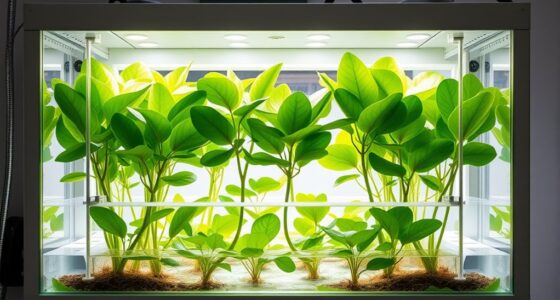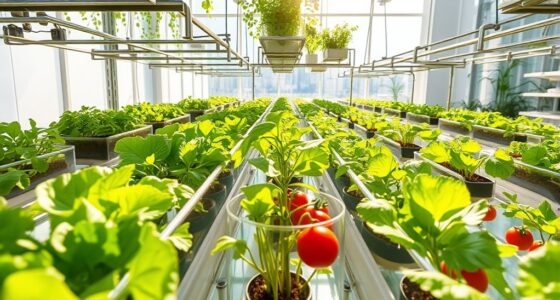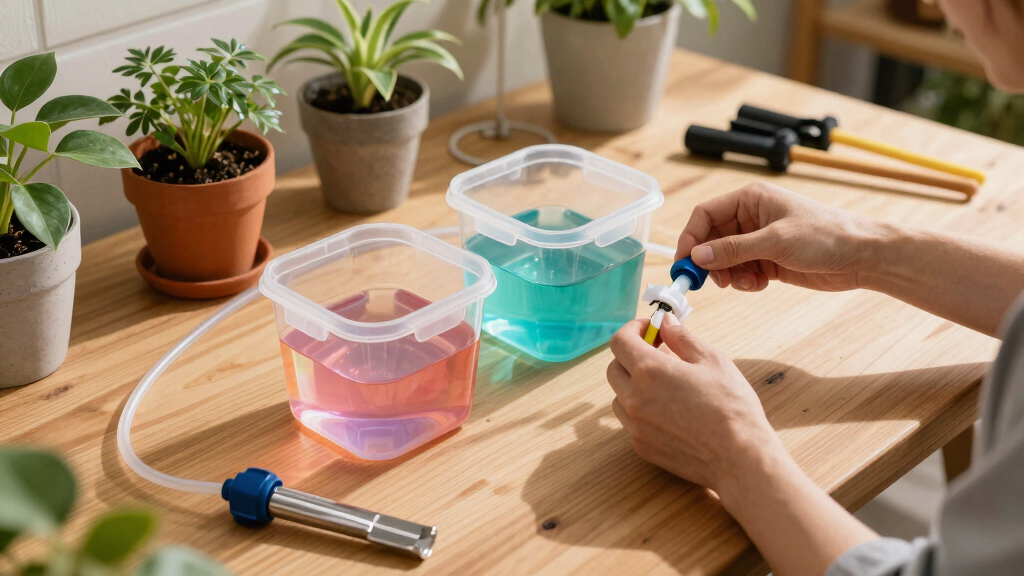
If you’re running a hydroponic system, maintaining optimal water quality is essential for healthy plant growth. The Tap Water Conditioner for Plants stands out as a very convenient, cost-effective option that conditions tap water quickly and supports a broad range of plants, including hydroponics. However, it’s important to weigh its simplicity against more specialized filtration options. While this conditioner works well for standard indoor gardening, those with highly sensitive or demanding hydroponic setups might find it less comprehensive than dedicated filtration systems.
Compared to other water treatment options, this product emphasizes ease of use and long-lasting treatment capacity, making it ideal for hobbyists and small-scale growers. Its main tradeoff is that it doesn’t remove physical contaminants or heavy metals, so if your water source contains such impurities, a more advanced filtration system may be necessary. For most indoor hydroponic growers, however, this conditioner offers a balanced mix of simplicity and effectiveness, especially if your tap water is otherwise of decent quality.
Key Takeaways
- This conditioner is highly concentrated, treating over 500 gallons of tap water with just a few drops per gallon.
- It supports a wide range of plants and is suitable for both soil and hydroponic systems, making it versatile.
- Ease of use is a major advantage—simply add drops directly to water without additional filtration.
- The product does not remove physical contaminants or heavy metals, which could be a limitation for some water sources.
- Best suited for indoor gardeners with moderate water quality, not ideal for highly contaminated tap water.
| Tap Water Conditioner for Plants, 4 oz |  | Best Overall Water Treatment Kit for Hydroponics | Liquid Volume: 4 Fluid Ounces | Treats: Over 500 gallons | Application Rate: 5 drops per gallon | VIEW LATEST PRICE | See Our Full Breakdown |
More Details on Our Top Picks
Tap Water Conditioner for Plants, 4 oz
This product stands out for its simplicity and high treatment capacity, making it ideal for busy growers who want a straightforward solution. It effectively conditions tap water by neutralizing chlorine and chloramines, supporting a more stable pH environment. Compared with complex filtration systems, this conditioner is much easier to incorporate into daily routines, especially for small or hobbyist hydroponic systems. However, it doesn’t remove physical contaminants or heavy metals, which means it’s best used with relatively clean tap water. The product is highly concentrated, treating over 500 gallons with just a few drops, which makes it very economical. Its main limitation is that it’s not suitable if your water source has significant impurities beyond chlorine and pH imbalance. It’s perfect for indoor growers who prioritize convenience and consistency, but less so for those with heavily polluted tap water.
Pros:- Treats over 500 gallons with just 4 oz bottle
- Supports a balanced pH for better nutrient uptake
- Simple, no-fuss application—just add drops
- Non-toxic and safe for indoor plants
Cons:- Does not remove physical debris or heavy metals
- Limited to chlorine and chloramine neutralization
- Less effective for highly contaminated water
Best for: Hobbyist and small-scale hydroponic growers seeking an easy, cost-effective water conditioner
Not ideal for: Growers with contaminated water sources needing heavy-metal or physical contaminant removal
- Liquid Volume:4 Fluid Ounces
- Treats:Over 500 gallons
- Application Rate:5 drops per gallon
- pH Support:Supports balanced pH
- Toxicity:Non-toxic
- Form:Liquid drops
Bottom line: A highly effective, user-friendly conditioner ideal for indoor hydroponics with good tap water quality.
How We Picked
To compile this list, I considered products that are specifically designed for hydroponic water treatment, focusing on ease of use, treatment capacity, and compatibility with indoor systems. I prioritized solutions that are non-toxic, cost-effective, and deliver quick results, since ease of application is key for daily plant care routines. I also evaluated customer reviews and ratings, looking for consistent positive feedback and real-world effectiveness. Products that offered specialized filtration or heavy-metal removal were weighed against simpler conditioners, with a bias toward those that balance performance with convenience for typical indoor hydroponics setups.
Factors to Consider When Choosing Best Water Treatment Kit For Hydroponics
Choosing the right water treatment kit for hydroponics involves balancing ease of use, water source quality, and specific plant needs. Many growers overlook the importance of water conditioning, but it can significantly influence nutrient uptake and plant health. This guide will help you understand what features matter most and how to match a product to your setup.
Key Factors to Consider
When selecting a water treatment kit for hydroponics, focus on the water source quality, the specific impurities you need to address, and your system’s size. For most indoor setups, a simple conditioner that neutralizes chlorine and maintains stable pH is sufficient. If your tap water contains heavy metals, sediments, or other contaminants, you might need a more advanced filtration system. Also, consider how easy the product is to apply daily, especially if you’re managing multiple plants or systems. Cost per treatment and long-term treatment capacity are important to ensure your setup remains affordable and effective over time.
Types of Water Treatment Kits
Basic conditioners like the one reviewed here are excellent for neutralizing chlorine and chloramines, supporting healthy root development and nutrient absorption. Filtration systems, on the other hand, often include activated carbon, reverse osmosis, or other media to physically remove impurities. Some systems also target specific contaminants like heavy metals or pesticides. The choice depends on your water source and whether your plants show signs of stress related to water quality. For most hobbyist hydroponic growers, a simple, concentrated conditioner offers the best balance of convenience and performance.
Application Tips
Always follow the manufacturer’s instructions for dosing. For conditioners, a few drops per gallon are usually enough, and consistent application helps maintain water quality. Test your water periodically with pH and TDS meters to ensure your treatment is working as expected. For systems that don’t remove physical debris, consider pre-filtering your water, especially if your tap water has sediments or other visible impurities. Regularly cleaning and replacing filters in filtration systems will also preserve water quality and system longevity.
Frequently Asked Questions
Can I use tap water directly in hydroponics?
Using tap water directly in hydroponics can be risky if the water contains chlorine, chloramines, or other impurities that can harm sensitive roots or interfere with nutrient absorption. Many growers choose to treat tap water with a conditioner or filtration system before use. For water with high levels of heavy metals or sediments, a more advanced filtration method like reverse osmosis might be necessary. Testing your water regularly helps determine whether treatment is needed.
How often should I treat my water for hydroponics?
For most indoor hydroponic setups, adding a conditioner with each watering or nutrient change is sufficient. If your water source is stable and free of contaminants, occasional treatment might suffice. However, if you notice issues such as root rot, algae growth, or plant stress, consider testing your water and treating more frequently. Consistency in water quality generally promotes healthier, more vigorous plant growth.
Does this conditioner remove heavy metals?
This particular conditioner primarily neutralizes chlorine and chloramines and supports pH stability. It does not actively remove heavy metals or physical impurities. If your tap water has heavy metals or other contaminants, you should consider a filtration system designed for those impurities. For most hydroponic growers, treating tap water with a conditioner like this is enough unless testing reveals significant contamination.
Is this product safe for all plants?
Yes, this conditioner is formulated to be non-toxic and safe for a wide variety of indoor plants, including sensitive species like ferns and calatheas. Since it does not introduce harmful chemicals, it is suitable for regular use in hydroponic systems and soil-based setups alike. However, always follow dosage instructions and monitor plant responses when trying new water treatments.
Can I combine this conditioner with other filtration methods?
Yes, combining a conditioner like this with physical filtration—such as activated carbon filters or reverse osmosis—can be beneficial if your water source has multiple impurities. The conditioner will address chemical contaminants like chlorine and pH stability, while filters can physically remove sediments, heavy metals, or pesticides. Just ensure that the combined system fits within your setup’s capacity and that you follow maintenance guidelines to keep water quality high.
Conclusion
For hobbyist and small-scale indoor hydroponic growers, the Tap Water Conditioner for Plants offers an easy, effective, and affordable way to improve tap water quality without complicated equipment. Those with more demanding water sources, such as high heavy metal content or sediments, might want to invest in a dedicated filtration system. Growers managing large or commercial hydroponic setups should consider multi-stage filtration for optimal results. Overall, this conditioner is best suited for growers seeking convenience and consistent water quality with minimal hassle.