
Choosing the right utility cart for a grow room involves balancing mobility, durability, and storage capacity. For 2026, the standout option is the OLIXIS Metal 3 Tiers Utility Rolling Cart, which offers a sleek metal design, lockable wheels, and ample space. While it excels in versatility and ease of movement, it may be overbuilt for very small setups. This guide compares it to other options to help you find the best fit for your grow operation, whether you prioritize budget, durability, or compactness.
Key Takeaways
- The OLIXIS cart combines sturdy metal construction with lockable wheels for stability during use.
- Size and storage capacity vary; choose based on your grow room’s scale and workflow needs.
- Mobility features like 360-degree wheels are essential for flexible positioning but can add cost.
- Material quality impacts longevity—metal carts tend to last longer than plastic alternatives.
- Consider your space constraints to select a cart that fits without cluttering your grow room.
| OLIXIS Metal 3 Tiers Utility Rolling Cart, Mobile Storage Shelf with Lockable Caster Wheels, Organization for Livingroom, Bathroom & Narrow Places, Pink |  | Best Overall for Grow Rooms | Material: High-grade metal | Number of Tiers: 3 | Wheel Type: Swivel lockable casters | VIEW LATEST PRICE | See Our Full Breakdown |
More Details on Our Top Picks
OLIXIS Metal 3 Tiers Utility Rolling Cart, Mobile Storage Shelf with Lockable Caster Wheels, Organization for Livingroom, Bathroom & Narrow Places, Pink
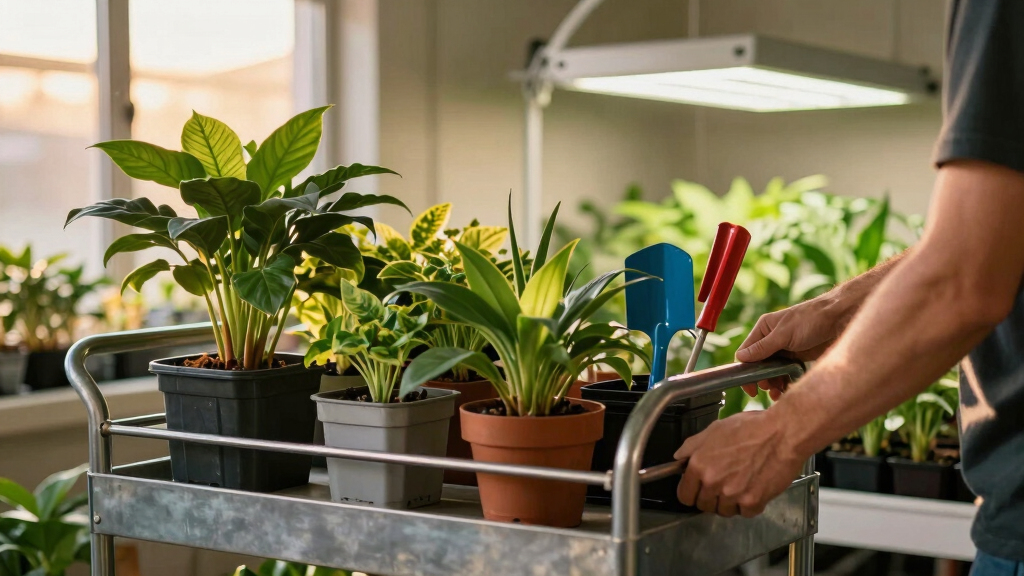
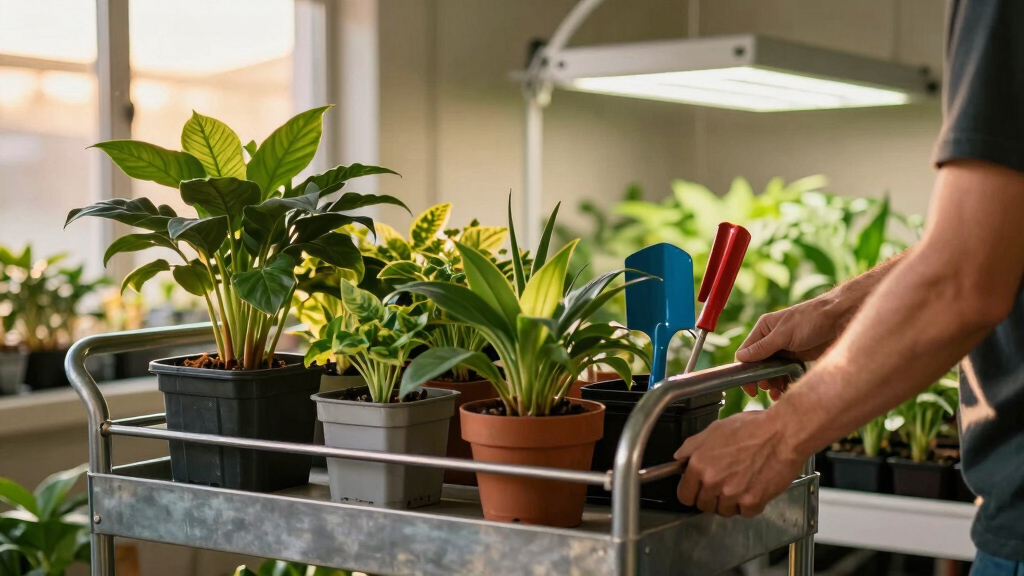
This metal utility cart stands out for its combination of sturdy construction and flexible mobility. Its three-tier design offers generous storage space, ideal for holding grow supplies, tools, or small equipment. Compared with plastic carts, the metal frame resists rust and deformation, which is critical in humid grow environments. The lockable wheels add a layer of stability when needed, making it safer to work around. However, its size might be too large for very tight spaces, and its metal surface could be prone to scratches if not handled carefully.
Pros:- High-grade metal construction offers durability and longevity
- Lockable casters provide stability during use
- Ventilated mesh shelves promote airflow, reducing mold risk
- Easy assembly with clear instructions
Cons:- Potentially bulky for small grow spaces
- Heavier than plastic alternatives, making frequent repositioning more effortful
- Metal surface can scratch if not handled carefully
Best for: Growers seeking a durable, versatile cart that can handle frequent movement and heavy loads.
Not ideal for: Grow rooms with very limited space or growers on a tight budget looking for cheaper plastic options.
- Material:High-grade metal
- Number of Tiers:3
- Wheel Type:Swivel lockable casters
- Dimensions:Approx. 24 x 16 x 34 inches
- Weight Capacity:up to 50 lbs per tier
- Color:Pink
Bottom line: This cart offers a robust balance of durability and mobility, making it ideal for serious growers who need reliable storage and easy repositioning.
How We Picked
Our selections for the best mobile utility carts for grow rooms were based on overall durability, mobility, size options, ease of assembly, and suitability for humid environments common in grow spaces. We prioritized products with metal or high-quality materials, lockable wheels for stability, and designs that maximize space efficiency. Price and user reviews also played a role to ensure the options cater to different budgets and experience levels.
Factors to Consider When Choosing Best Mobile Utility Cart For Grow Rooms
Selecting the best utility cart for your grow room depends on balancing mobility, durability, size, and environmental resistance. Grow rooms often demand carts that can withstand humidity and frequent movement while providing enough space for tools and supplies. This guide breaks down key features to consider, from material quality to wheel locking mechanisms, helping you find a solution that enhances your workflow without cluttering your space.Material and Build Quality
The durability of your cart depends heavily on its construction. Metal carts, especially those made of powder-coated steel, resist rust and deformation better than plastic. For grow rooms with high humidity, metal is generally the safer choice, although it may be heavier and more expensive. Plastic options are lighter and cheaper but tend to wear out faster in moist environments.
Mobility and Stability
Wheels are critical for repositioning your cart easily, but lockable casters add safety by preventing unwanted movement during use. Look for 360-degree swivel wheels for maximum maneuverability, especially if your grow room layout changes often. Keep in mind that larger wheels can handle uneven floors better but may increase the cart’s overall size.
Size and Storage Capacity
Assess your space and storage needs. Smaller carts fit tight spaces but may lack capacity, while larger models offer more storage at the expense of taking up more room. Multiple tiers help organize tools, nutrients, and grow supplies efficiently, but always choose dimensions that won’t obstruct pathways or equipment.
Ease of Assembly and Maintenance
Most carts should be simple to assemble, ideally with clear instructions and minimal tools. Metal surfaces need occasional cleaning to prevent rust, while plastic carts are easier to wipe down. Consider how often you’ll need to move or clean your cart to select the most convenient option.
Price and Value
While higher-priced carts tend to be more durable and feature-rich, there are affordable options that perform well in small or less demanding grow rooms. Balance your budget with the features you need most, such as lockable wheels, size, and material quality, to find the best value for your setup.
Frequently Asked Questions
What is the best material for a grow room utility cart?
Metal, especially powder-coated steel, is generally the best material for grow room carts because it resists rust and withstands humidity better than plastic. Metal carts tend to last longer and can support heavier loads, making them suitable for storing tools, nutrients, and equipment. However, they are heavier and can be more expensive, so consider your specific needs and space constraints.
Are lockable wheels necessary for grow room carts?
Lockable wheels are highly recommended because they provide stability when you need to work directly on or around the cart. They prevent accidental movement, which is especially important when handling delicate or heavy items. Swivel casters with locking mechanisms are ideal, offering both maneuverability and safety.
How much space should I allocate for a utility cart in my grow room?
Measure your available area carefully, considering both the cart’s dimensions and the need for easy access around it. A cart that’s too large can obstruct pathways or equipment, while one that’s too small may not meet your storage needs. Opt for a size that maximizes storage without cluttering your grow space, especially if your environment is tight.
Can plastic carts handle humid grow room conditions?
Plastic carts are lightweight and inexpensive, but they generally do not stand up well to high humidity over time. They may warp, crack, or become moldy if not properly maintained. For grow rooms with high moisture levels, metal or sealed resin carts are a safer, longer-lasting choice.
What features should I prioritize in a mobile grow room cart?
Prioritize durability, mobility, and stability features such as lockable casters. Size and storage capacity should match your specific needs, with ventilation or breathable materials being beneficial for moisture-sensitive items. Ease of cleaning and assembly are also worth considering to maintain a tidy grow environment.
Conclusion
For serious growers with larger setups, the OLIXIS Metal 3 Tiers Utility Rolling Cart offers unmatched durability and stability, making it the best choice. Hobbyists or those with limited space might prefer more compact or plastic options, though they sacrifice some longevity. Budget-conscious growers should look for simpler models with lockable wheels, while professional growers should prioritize high-quality materials and large capacity carts. Ultimately, selecting the right cart depends on your specific grow room size, humidity levels, and workflow needs.