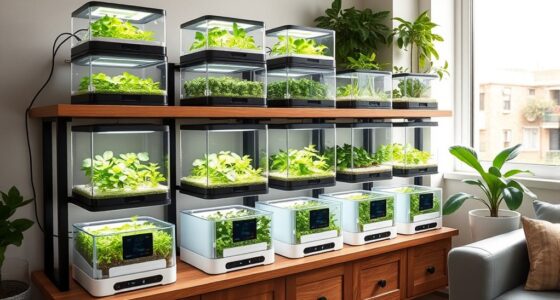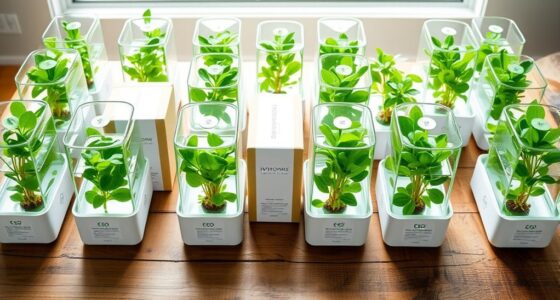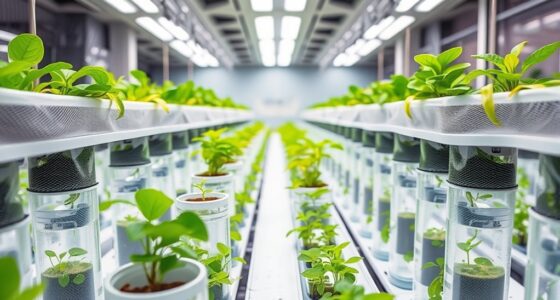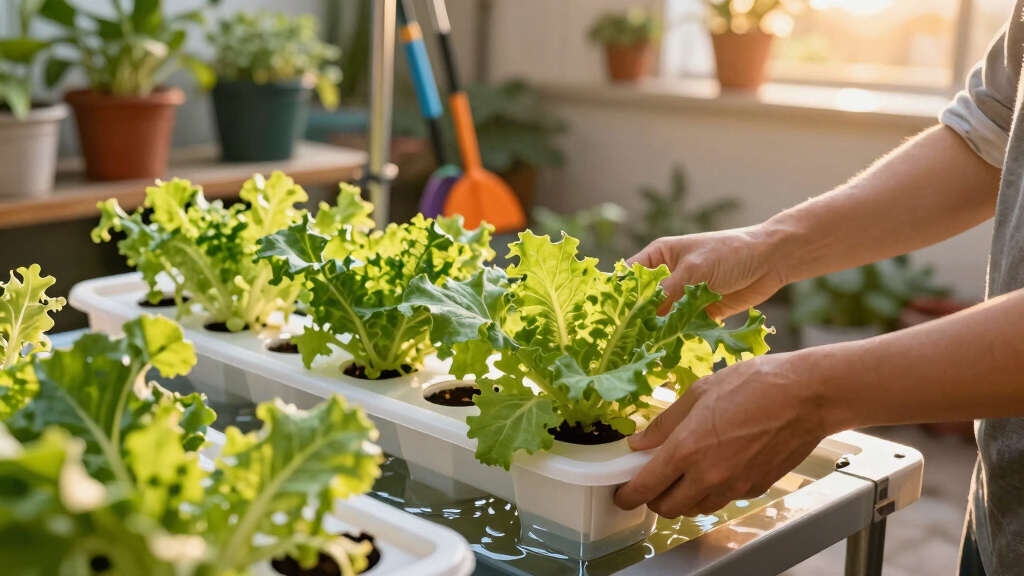

Choosing the best flood and drain grow system involves balancing ease of use, size, cost, and customization. For small-scale setups, the Hydroponic Flood Table Grow System stands out as a premium, all-in-one solution. Meanwhile, those seeking a straightforward and scalable approach might prefer models that integrate well with existing grow tents. Here, I’ll highlight the key differences, tradeoffs, and ideal buyers for each top pick.
Key Takeaways
- The Hydroponic Flood Table Grow System offers a compact, premium all-in-one package ideal for small, controlled environments.
- This system is best suited for growers prioritizing ease of setup and soil-free cultivation, with minimal customization required.
- Compared to larger or more complex systems, it sacrifices expandability and advanced control options but excels in simplicity.
- Tradeoffs include limited capacity and higher price point relative to DIY or modular systems.
- Understanding your grow space, plant variety, and budget helps determine whether this system fits your needs.
| Hydroponic Flood Table Grow System (Ebb and Flow) Perfect for 2 x 2 Tents |  | Best Overall for Small, Easy Hydroponic Setup | Dimensions: 22.8″L x 22″W x 12″H | Chamber Volume: 7 Gallons | Capacity: 7 Gallons | VIEW LATEST PRICE | See Our Full Breakdown |
More Details on Our Top Picks
Hydroponic Flood Table Grow System (Ebb and Flow) Perfect for 2 x 2 Tents
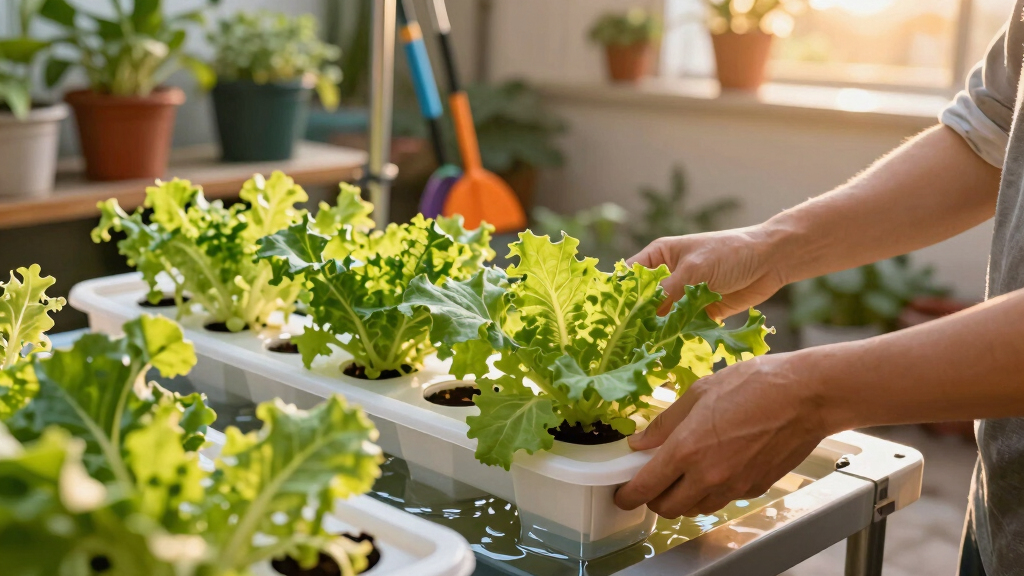
This all-in-one hydroponic flood and drain system is designed for simplicity. It features a 2 ft x 2 ft water table with a reservoir, water pump, fill and drain attachments, and a timer—all included—making it extremely user-friendly. Compared with DIY or larger systems, this model offers a plug-and-play experience, ideal for growers who want reliable results without extensive customization. However, it’s limited in size and capacity, which might be restrictive for larger plant batches or more advanced growers.
Compared to modular systems, this pick provides a complete package with fewer setup steps, but sacrifices scalability. Its premium build quality from a small New England company ensures durability and high customer satisfaction. This makes it better suited for small-scale growers focused on herbs, leafy greens, or vegetables within a limited space.
Pros:- Complete, ready-to-use kit with all necessary components
- Compact size fits in 2 x 2 tents easily
- Soil-free, faster plant growth
- High customer satisfaction with premium build quality
Cons:- Limited capacity restricts scalability
- Higher price compared to DIY solutions
- Less flexibility for customization or expansion
Best for: Beginners or small-scale indoor growers looking for a straightforward, reliable flood and drain system.
Not ideal for: Growers seeking large-scale production or advanced control features.
- Dimensions:22.8″L x 22″W x 12″H
- Chamber Volume:7 Gallons
- Capacity:7 Gallons
- Materials:Recycled plastic, EVA, PET
- Color:Black
- Materials & Care:Easy to clean, durable
Bottom line: This system makes the most sense for small growers who value simplicity and reliability without needing to scale up significantly.
How We Picked
Our selection process focused on systems that are designed specifically for flood and drain hydroponic growing, emphasizing ease of setup, size suitability for small to medium spaces, and overall reliability. We considered customer reviews, product features, and tradeoffs such as scalability, price, and complexity. The systems had to be actively used in similar setups, with proven performance and positive feedback. Our goal was to identify options that balance user-friendliness with high growth potential, ensuring that both beginners and experienced growers can benefit.
Factors to Consider When Choosing Best Flood And Drain Grow System
When selecting a flood and drain grow system, consider the size of your grow space, the types of plants you want to cultivate, and how much automation or customization you desire. The right system should match your skill level, budget, and growth goals. Below, I’ll outline key factors to evaluate before making your purchase.
Size and Capacity
Assess your available space and the number of plants you intend to grow. Smaller systems like the Hydroponic Flood Table are ideal for tight setups, while larger, modular systems allow for expansion. Remember that capacity impacts how many plants can be grown simultaneously and how much maintenance is required.
Ease of Setup and Use
Some systems come fully assembled, like the pick above, while others require DIY assembly or customization. Beginners should prioritize systems with clear instructions, pre-installed components, and integrated timers to minimize hassle and errors.
Control and Automation
Advanced growers may want systems with programmable timers, nutrient monitoring, or adjustable flood and drain cycles. For those new to hydroponics, simpler models that operate on basic timers can reduce complexity and troubleshooting.
Build Quality and Materials
Look for durable, non-toxic materials that can withstand constant moisture. High-quality plastics and corrosion-resistant components extend the lifespan of your system and prevent leaks or malfunctions.
Price and Value
Balance your budget against features. Premium all-in-one systems tend to cost more but save time and reduce setup errors. Modular or DIY options may be cheaper upfront but require more effort and parts sourcing.
Frequently Asked Questions
What is flood and drain hydroponics?
Flood and drain hydroponics involves periodically flooding the plant roots with nutrient-rich water and then draining it away, mimicking natural watering cycles. This method ensures consistent nutrient delivery while providing oxygen to roots during draining periods, promoting healthy growth.
Is a flood and drain system suitable for beginners?
Yes, many flood and drain systems, like the one reviewed here, are designed for ease of use and require minimal setup. Beginners benefit from systems with pre-assembled parts, timers, and straightforward operation, reducing the learning curve and troubleshooting time.
Can flood and drain systems be scaled up?
While some systems are designed for small-scale use, others can be expanded with additional modules or larger water tables. The system reviewed here is more suited to small setups, so larger growers should consider modular designs that accommodate more plants and include advanced control options.
What kind of plants can I grow with flood and drain systems?
These systems are versatile and work well for vegetables, herbs, leafy greens, and flowering plants. The soil-free environment often leads to faster growth rates and cleaner harvesting, making it a popular choice for home and small commercial growers.
What maintenance does a flood and drain system require?
Regular checks of water levels, pump function, and cleaning of the water reservoir are necessary. Periodic replacement of nutrients and ensuring all components are functioning properly will keep your system running smoothly and promote healthy plant growth.
Conclusion
For small-scale growers or beginners seeking a straightforward, reliable flood and drain system, the Hydroponic Flood Table Grow System provides a convenient and high-quality option. Those with larger spaces or advanced control needs should consider modular or customizable systems that support expansion and automation. Ultimately, matching your grow space, plant variety, and experience level will help you select the best system for your indoor garden in 2026.