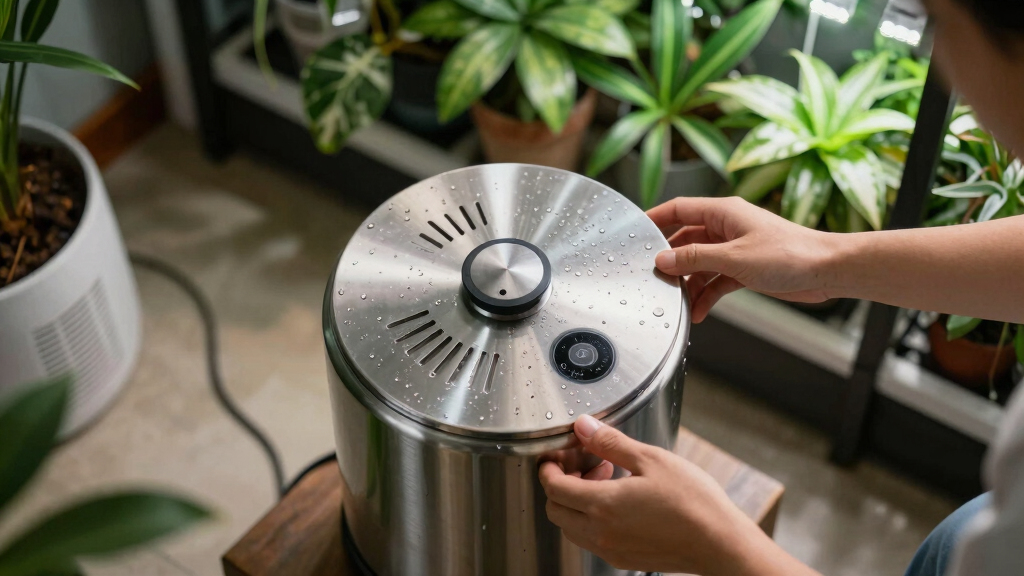

Maintaining a clean, pathogen-free environment in your indoor garden room is essential for healthy plant growth and pest control. Among the options, UV light sanitizers like the 2 Pack UV Light Sanitizer stand out for their chemical-free disinfection, especially effective for small spaces up to 200 square feet. For larger or more versatile needs, ozone generators or multi-purpose devices might be better suited, but they come with tradeoffs such as safety considerations or higher costs. Here, I compare the top picks based on their technology, ease of use, and suitability for different indoor gardening setups.
Key Takeaways
- UV light sanitizers are best for quick, chemical-free disinfection of small spaces.
- Ozone generators provide broader coverage but require careful handling due to safety concerns.
- Ease of use and safety features vary significantly between models, influencing suitability for different users.
- Cost and maintenance frequency can impact long-term value for indoor garden sanitation.
- Choosing the right equipment depends heavily on space size, safety preferences, and specific sanitation needs.
| 2 Pack UV Light Sanitizer, Ultraviolet Lamp with Remote Control for Bed Bugs and Dust Mites, Home Disinfection Device UV Lamp for Home, Room & Kitchen, Ultraviolet Light with 3 Speed Timings |  | Best for Small Space, Chemical-Free Disinfection | Coverage Area: up to 200 sq ft | Technology: UV-C light | Timing Modes: 15, 30, 60 minutes | VIEW LATEST PRICE | See Our Full Breakdown |
More Details on Our Top Picks
2 Pack UV Light Sanitizer, Ultraviolet Lamp with Remote Control for Bed Bugs and Dust Mites, Home Disinfection Device UV Lamp for Home, Room & Kitchen, Ultraviolet Light with 3 Speed Timings
This UV sanitizer excels at rapidly disinfecting small areas, making it ideal for dedicated spots within your indoor garden room. It uses advanced UV technology that is trusted in hospitals and aviation, capable of eliminating up to 99.9% of germs, bacteria, and allergens. Compared to ozone-based systems, it avoids the safety concerns around ozone inhalation, but it is limited to spaces up to 200 square feet, which might require multiple units for larger rooms. Its remote control and multiple timing options add to user convenience, yet it requires occupants to leave during operation, which could be inconvenient for continuous sanitation needs. Overall, it’s a reliable choice for targeted, chemical-free sanitation but less suited for large or heavily contaminated spaces.
Pros:- Effective at killing 99.9% of germs and allergens
- Chemical-free and safe for indoor use when used properly
- Remote control with multiple timing options
- Compact and easy to operate
Cons:- Limited coverage area (up to 200 sq ft)
- Requires vacating the space during operation
- No odor neutralization capability
Best for: Small indoor garden rooms or specific zones requiring quick, chemical-free sanitation
Not ideal for: Large rooms or environments needing ongoing, comprehensive disinfection
- Coverage Area:up to 200 sq ft
- Technology:UV-C light
- Timing Modes:15, 30, 60 minutes
- Control:Remote
- Certification:EPA-certified
- Power Source:AC adapter
Bottom line: A highly effective, chemical-free UV sanitizer ideal for small, targeted spaces in indoor gardens, but not suited for larger or continuous coverage.
How We Picked
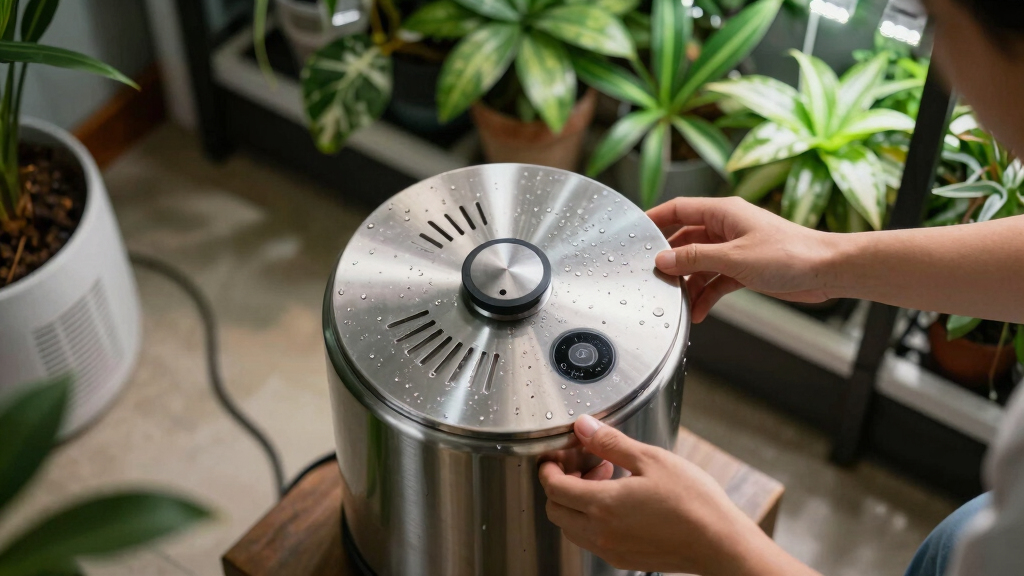
To identify the best sanitation equipment for indoor garden rooms, I prioritized devices that combine safety, effectiveness, and ease of use. I examined product specifications, user reviews, and industry standards. I looked for UV sterilizers with proven germicidal power and ozone generators that can treat larger spaces or address specific odor issues. Devices with remote controls, multiple timing options, and safety alerts were favored, ensuring users can operate them confidently without risking health or plant safety. Cost, maintenance, and versatility also played critical roles in my evaluation.
Factors to Consider When Choosing Best Sanitation Equipment For Indoor Garden Rooms
Selecting the right sanitation equipment for your indoor garden room hinges on understanding your room size, safety concerns, and specific sanitation goals. UV light sanitizers are excellent for quick, chemical-free disinfection, but they cover limited space and require safety precautions. Ozone generators and multi-purpose devices offer broader coverage and odor control but demand more careful handling. I’ll walk you through key factors like technology type, safety features, coverage, ease of use, and maintenance to help you make an informed choice.Technology Type
UV sterilizers use ultraviolet light to destroy bacteria and viruses without chemicals, making them ideal for small, enclosed spaces. Ozone generators, on the other hand, produce ozone to neutralize odors and disinfect larger areas, but they require strict safety protocols due to ozone’s potential health risks. Multi-function devices may combine both technologies, offering versatility but often at higher costs and complexity.
Safety Features and Usage
Safety is paramount, especially when using ozone or UV devices. Look for models with delayed start, audible alerts, and automatic shutoff. Devices that require occupants to leave during operation are safer but less convenient for continuous sanitation. Ease of operation and clear instructions are equally important to prevent misuse or accidental exposure.
Coverage Area and Capacity
Match the device’s coverage with your room size. Small UV sterilizers work well for specific zones or containers, while ozone generators or larger units are better suited for whole rooms. Overestimating coverage can lead to ineffective sanitation, so choose a device that comfortably covers your indoor garden space.
Ease of Use and Maintenance
Devices with remote controls, multiple timers, and simple interfaces reduce user effort. Regular maintenance, such as replacing bulbs or filters, impacts long-term effectiveness and costs. Consider how often you’ll need to service the device and whether replacement parts are readily available.
Frequently Asked Questions
Is UV light safe for indoor garden rooms?
When used correctly, UV-C light is safe for indoor environments because it is contained within the device and occupants must vacate during operation. However, direct exposure can harm skin and eyes, so safety features like delayed start and automatic shutoff are essential. Never look directly at UV lamps while they are on.
Can I use ozone generators around my plants?
Ozone can be effective for broad disinfection and odor removal, but it can also damage sensitive plants if used improperly. It’s crucial to operate ozone generators in unoccupied spaces and ventilate thoroughly afterward. Ozone levels should never exceed safety limits set by health authorities.
How often should I disinfect my indoor garden room?
This depends on your environment’s contamination level. For regular maintenance, using a UV sterilizer weekly or biweekly can keep pathogen levels low. Ozone generators might be used less frequently for odor control, but always follow safety guidelines to prevent overuse and plant stress.
Are chemical disinfectants necessary in indoor gardens?
Not necessarily. Devices like UV sterilizers and ozone generators provide chemical-free disinfection options, reducing the risk of chemical residues harming plants or pets. Chemical disinfectants can be effective but may introduce residues or require longer drying times, making electronic options preferable for many indoor growers.
What maintenance do sanitation devices require?
Most UV sterilizers need bulb replacements annually for continued effectiveness. Ozone generators may require filter changes or component checks. Always follow the manufacturer’s maintenance schedule to ensure safety and optimal performance, and store devices out of reach of children and pets.
Conclusion
For small, targeted sanitation needs or spaces where chemical-free disinfection is preferred, UV light sanitizers like the 2 Pack UV Light Sanitizer are ideal. They offer quick, effective germ killing without safety risks when used correctly. Larger indoor garden rooms or those with persistent odors might benefit from ozone generators or combined systems, but these require careful handling and ventilation. Hobbyists prioritizing simplicity and safety should lean toward UV devices, while commercial growers needing comprehensive coverage might consider more advanced solutions. Ultimately, your choice depends on your room size, safety comfort level, and specific sanitation goals.