
Water chillers are essential for large-scale operations like manufacturing or data centers, where consistent and high-volume cooling is needed. However, for smaller or low-demand systems, they can be overkill and unnecessary. You need to assess your specific cooling needs, budget, and system compatibility to decide if a chiller makes sense. If you’re curious about how to determine the right fit for your operation, keep exploring these key considerations.
Key Takeaways
- Smaller or low-demand systems may find simpler cooling solutions sufficient, making water chillers unnecessary.
- Large-scale operations requiring precise, continuous cooling benefit significantly from water chillers.
- Proper system compatibility and capacity are crucial to prevent over-investment or underperformance.
- Maintenance complexity and water quality management are justified in high-volume or critical applications.
- Energy efficiency features make chillers essential for long-term cost savings in demanding environments.
Water chillers can seem like overkill for small-scale applications, but for many industrial and commercial operations, they’re an indispensable tool for maintaining ideal temperatures. When your processes require consistent, precise cooling, a water chiller becomes a key investment. They help regulate temperature efficiently, ensuring your equipment runs smoothly and your product quality stays high. Given the importance of energy efficiency in today’s operations, choosing the right chiller can greatly reduce energy consumption and operational costs. Modern water chillers are designed to operate with minimal energy waste, featuring advanced controls and variable-speed compressors that adapt to fluctuating cooling demands. This energy efficiency not only lowers your energy bills but also supports sustainability goals.
Water chillers are essential for precise, efficient cooling in industrial and commercial operations.
However, integrating a water chiller isn’t without its challenges. Maintenance can be a major concern, especially if you’re unfamiliar with the system’s components. Regular upkeep is essential to prevent issues like bacterial growth, mineral buildup, or refrigerant leaks, which can compromise performance and increase costs. You’ll need to monitor water quality, clean filters, and check for corrosion or leaks periodically. Failing to maintain your chiller properly can lead to inefficiencies, higher energy use, and even system failures, which could halt your operations altogether. It’s essential to establish a routine maintenance schedule and work with qualified technicians to keep your chiller running efficiently. Proper water quality management is crucial to ensure your system operates effectively and sustainably. Additionally, understanding the specific cooling capacity needed for your application can help you select the most suitable system, avoiding unnecessary over-investment.
Choosing the right water chiller also involves considering system compatibility with your existing infrastructure, ensuring seamless integration and optimal performance. In smaller or less demanding setups, the complexity and ongoing maintenance of a water chiller might seem excessive, making it appear like overkill. If your cooling needs are minimal or infrequent, simpler solutions like cooling fans or small-scale refrigeration units may suffice. But, if your operation involves continuous or high-volume cooling, a water chiller’s benefits—such as precise temperature control, energy savings, and reliability—far outweigh these concerns. The key is evaluating your specific needs and operational scale. For large-scale manufacturing, data centers, or food processing plants, a water chiller isn’t just beneficial; it’s indispensable.
Ultimately, whether a water chiller is overkill or essential depends on your application. For some, the upfront costs and maintenance challenges may seem intimidating, but for others, the efficiency gains and process stability justify the investment. If you prioritize consistent cooling, energy efficiency, and long-term reliability, a water chiller becomes an indispensable part of your system.

S&A CW-5200DH 7L Industrial Water Chiller,0.9HP,3.43gpm,5699 BTU/h,for 60W to 150W CO2 Laser Engraving & Cutting Systems
【Powerful Cooling】Genuine S&A CW-5200 water chiller uses standard R410a refrigerant to keeps the laser cutting and engraving machine…
As an affiliate, we earn on qualifying purchases.
As an affiliate, we earn on qualifying purchases.
Frequently Asked Questions
How Do Water Chillers Impact Energy Consumption?
Water chillers can substantially impact your energy consumption by improving energy efficiency and maintaining thermal regulation. When properly used, they reduce the workload on other cooling systems, saving electricity. However, if you overuse or choose an oversized chiller, it can lead to higher energy bills. To optimize energy efficiency, guarantee your chiller matches your system’s thermal regulation needs, preventing unnecessary energy drain and promoting cost-effective cooling.
What Maintenance Is Required for Water Chillers?
You need to stay on top of water chiller maintenance like a hawk. Regularly check for corrosion prevention issues, inspect refrigerant levels, and manage refrigerant leaks promptly. Clean or replace filters, and guarantee all components run smoothly. Proper maintenance helps prevent costly breakdowns and energy waste. By doing so, you keep your system efficient, prolong its lifespan, and avoid the chaos of unexpected failures.
Are Water Chillers Environmentally Friendly?
Water chillers can be eco-friendly if they incorporate energy-efficient technologies and use eco-friendly refrigerants, reducing environmental impact. You can enhance their sustainability by integrating renewable energy sources like solar power, which decreases reliance on fossil fuels. While some models are designed for eco-friendly cooling, others may not be as environmentally conscious. Always choose chillers with high energy efficiency ratings and eco-friendly features to minimize your carbon footprint.
What Are the Initial Costs of Installing a Water Chiller?
Think of initial costs as an investment—are you ready to pay upfront for long-term savings? The cost comparison varies widely depending on your system size and complexity. Installation considerations include space, electrical requirements, and integration with existing equipment. Generally, expect to spend several thousand dollars, but remember, a well-chosen water chiller can boost efficiency and reduce energy costs over time. So, weigh the upfront expense against future benefits.
How Long Is the Typical Lifespan of a Water Chiller?
A water chiller typically lasts around 10 to 20 years, depending on chiller durability and maintenance. Proper upkeep can extend the replacement intervals, ensuring reliable performance. You should monitor system efficiency and address issues early to maximize lifespan. Regular inspections and timely repairs help prevent premature failures. Overall, investing in quality equipment and routine maintenance is key to getting the most out of your water chiller’s lifespan.

EcoPlus Commercial Grade Water Chiller, Cooler for Reservoirs, Hydroponics, and Aquariums, 1 ½ HP
The EcoPlus Commercial Grade Chiller 1.5 HP is suited for multiple uses including hydroponic systems, saltwater and freshwater…
As an affiliate, we earn on qualifying purchases.
As an affiliate, we earn on qualifying purchases.
Conclusion
Just like Icarus soaring too close to the sun, choosing the right cooling system depends on knowing your limits. Water chillers can be your wings or your downfall—overkill for some, essential for others. Assess your system’s needs carefully, and don’t let the allure of high-tech cooling blind you. When used wisely, they’ll keep your operations running smoothly—without risking a fiery fall. Choose wisely, and soar higher.
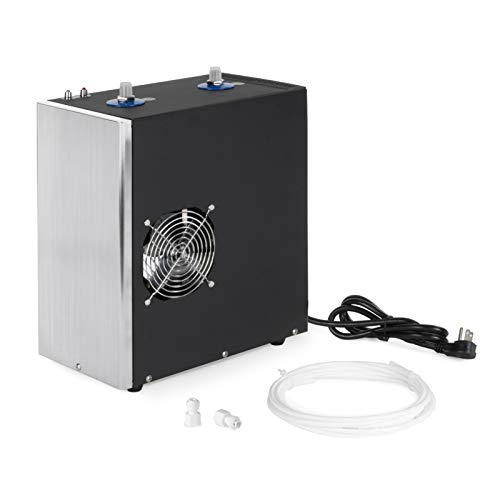
Express Water Universal Chiller Cooling System for Water Filters – Compatible with Reverse Osmosis Filtration Systems – Includes ¼” Quick Connect Set-Up
Water Chiller System: Get the most out of your water filtration system with the Express Water Universal Water…
As an affiliate, we earn on qualifying purchases.
As an affiliate, we earn on qualifying purchases.

The Pod Company Standard Water Chiller – 1/3 HP – 41°F Cold Plunge Cooling System – Compact, Energy-Efficient, and Ideal for Daily Home Use – Compatible with Ice Pod Pro & Long Pod
CONSISTENT, ICE-FREE COOLING – Cools plunge water down to 41°F, eliminating the need for daily ice refills. Set…
As an affiliate, we earn on qualifying purchases.
As an affiliate, we earn on qualifying purchases.