
TL;DR

Get garden gear delivered free with Prime
- Fast, free delivery on millions of items
- Prime Video, Amazon Music and more included
- Member-only deals all year
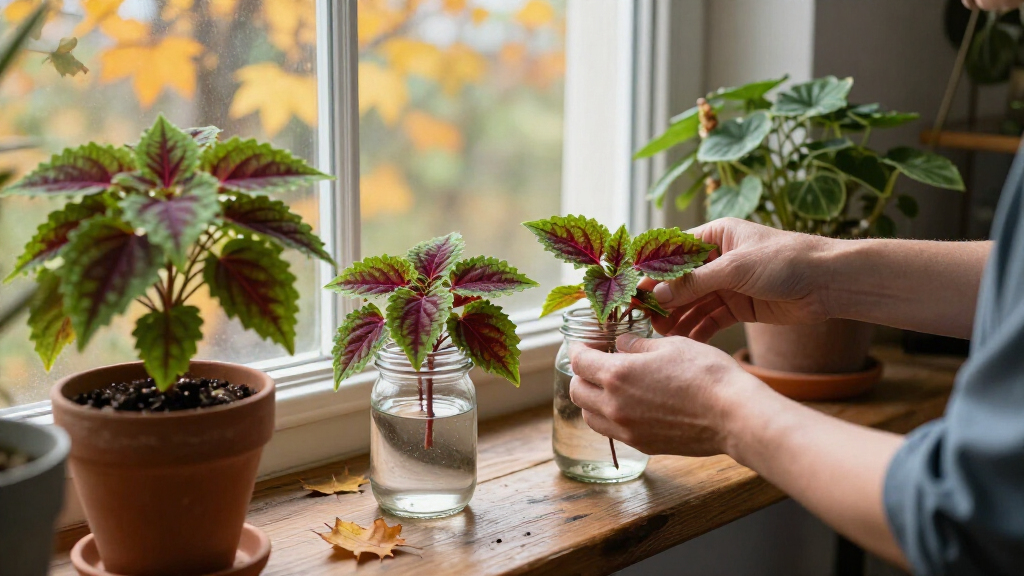
A Gardening Know How report recommends moving coleus indoors as nighttime temperatures approach 50°F (10°C), before frost can damage the plants. It also describes taking cuttings as a compact backup for overwintering, though the supplied report excerpt does not include the full propagation instructions.
Gardening Know How advises bringing outdoor coleus inside before nighttime temperatures fall below 50°F (10°C), and taking cuttings as a space-saving way to keep plants for next year. The seasonal guidance matters because coleus is cold-sensitive: the report warns that frost can quickly damage stems, while moving healthy plants indoors early gives them more time to adjust.
The report presents two ways to preserve coleus through winter: bring a potted plant indoors as a houseplant, and take cuttings as a smaller backup. It says to make the move while plants are still vigorous rather than waiting for the first frost. The 50°F (10°C) nighttime mark is offered as a cue to begin bringing plants inside, though local weather and conditions will vary.
Before moving a plant, inspect the undersides of leaves, stem joints and leaf axils for aphids, mealybugs or spider mites. The report recommends rinsing foliage or wiping it with a soft cloth and mild insecticidal soap. It also describes a gradual adjustment: place the plant in a bright, sheltered outdoor spot for a couple of days, then move it near a sunny window, ideally one facing south or west.
For indoor growing, the article recommends bright light and fast-draining potting mix, including a mix amended with perlite. It suggests trimming damaged leaves and leggy stems and watering lightly after the move. The supplied source excerpt introduces fall cuttings but ends before giving the full step-by-step propagation directions, so it does not establish specific cutting lengths, rooting methods or timelines.
Saving Coleus Before Frost
The advice offers gardeners a practical way to retain plants that might otherwise be treated as single-season outdoor color. Bringing a mature plant inside can preserve an established display, while cuttings can provide a smaller option for gardeners with limited indoor space. That can reduce the need to replace favorite varieties in spring, although success depends on indoor light, temperature and plant health.
Timing is the main takeaway: waiting for frost risks damage, while a gradual move can limit stress from the shift in light and conditions. Inspecting plants before they enter the home also helps reduce the chance of bringing common garden pests to other houseplants. These are cultivation recommendations from the cited gardening report, not guarantees that every plant will thrive indoors.
As an affiliate, we earn on qualifying purchases.
From Patio Plant to Houseplant
Coleus is grown for its colorful foliage, with varieties displaying shades such as chartreuse, plum, chocolate and pink. The report describes it as a tropical perennial that is commonly kept outdoors for summer color in cooler regions. Because it is sensitive to cold, the seasonal decision is whether to preserve a plant indoors or take cuttings before temperatures fall.
The article recommends choosing indoor placement according to plant form: larger, upright varieties can suit floor or table planters, while trailing types may fit hanging baskets or elevated pots. It also cautions against moving a plant directly from strong outdoor sun into indoor light. A sheltered pause before the move is intended to help it adjust.
“When [nighttime temperatures] dip below 50°F (10°C) this needs to serve as your green light to start the indoors migration.”
— Gardening Know How report
As an affiliate, we earn on qualifying purchases.
Indoor Results Depend on Conditions
The supplied report does not give a detailed account of how much light, humidity or water each indoor coleus needs, nor does it specify how often to water during winter. It also does not include the complete instructions for taking or rooting cuttings. Readers should not infer a guaranteed survival rate or rooting time from the excerpt.
The 50°F (10°C) threshold is presented as general guidance, not a forecast for any particular location. The report does not identify a specific frost date or account for differences among homes, plant varieties and local climates. It also does not say whether pest treatment is necessary for every plant; inspection should guide any response.
plant insecticidal soap for houseplants
As an affiliate, we earn on qualifying purchases.
As an affiliate, we earn on qualifying purchases.
Check Forecasts and Plant Health
Gardeners can monitor overnight forecasts and begin preparing plants as temperatures approach the report’s 50°F (10°C) cue. Before moving pots indoors, inspect foliage and stems for pests, remove damaged growth, and allow plants a short adjustment period in a bright, sheltered location. Once inside, place them near a bright window and use a well-draining potting mix.
Those interested in propagation should consult the complete Gardening Know How article for its full cutting instructions, which are not present in the supplied excerpt. The next practical test will be whether individual plants adapt to their indoor conditions and remain healthy through winter; the source provides no outcome data.
As an affiliate, we earn on qualifying purchases.
Key Questions
When should I bring coleus indoors?
The Gardening Know How report recommends starting when nighttime temperatures fall below 50°F (10°C), and moving plants before frost threatens. Treat that as general guidance and check your local forecast.
Can I bring the whole plant inside and take cuttings?
Yes. The report describes bringing a potted plant indoors and taking cuttings as two options that can be used together. The supplied excerpt does not provide the full cutting procedure.
What should I check before bringing coleus into my home?
Inspect the leaf undersides, stem joints and leaf axils for aphids, mealybugs and spider mites. The report suggests rinsing the plant or wiping it with a soft cloth and mild insecticidal soap if needed.
Where should indoor coleus be placed?
The report recommends a bright window, with south- or west-facing windows given as examples. It also advises easing the plant into indoor conditions instead of moving it directly from full patio sun.
Source: rss
Fall yard work Picks
leaf blowers
As an affiliate, we earn on qualifying purchases.