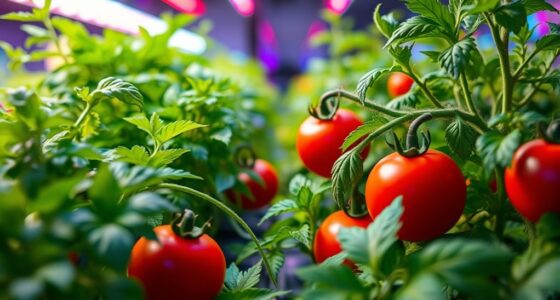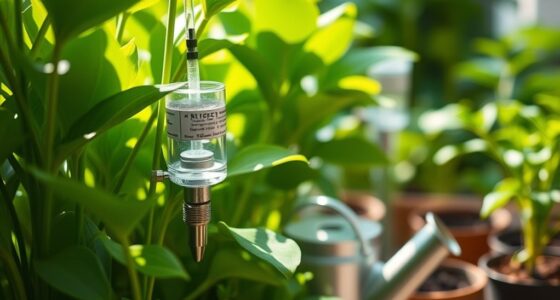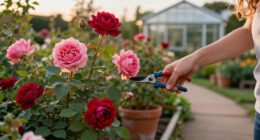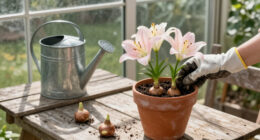
Placing shelves too high or too low in your indoor garden can make maintenance harder and hinder plant growth. Shelves placed too high are tough to reach for watering, pruning, or pest checks, while low shelves can block your movement or cause accidental damage. Improper height also affects light exposure, leading to weak or uneven growth. Getting the height just right guarantees your plants stay healthy and maintenance stays simple. Keep going to discover how to optimize your shelf placement for better gardening results.

Get garden gear delivered free with Prime
- Fast, free delivery on millions of items
- Prime Video, Amazon Music and more included
- Member-only deals all year
Key Takeaways
- Placing shelves too high can make watering, pruning, and pest checks difficult and uncomfortable.
- Shelves set too low may obstruct movement and hinder easy access to plants.
- Incorrect shelf height can lead to neglect, damage, and uneven light exposure.
- Misaligned shelves can cause poor light distribution, resulting in weak or leggy plant growth.
- Poor planning of shelf height reduces overall garden efficiency and enjoyment.

Have you ever placed a shelf only to find it awkwardly high or low once everything is loaded? It’s a common mistake that can make your indoor garden frustrating to manage. When setting up your shelves, it’s tempting to focus solely on aesthetics or available space, but overlooking proper plant placement and light exposure can turn your indoor gardening experience into a hassle. The right shelf height isn’t just about looks; it’s vital for your plants’ health and your convenience.
Plant placement matters more than you might think. If you position your shelves too high, you’ll struggle to reach and tend to your plants comfortably. Conversely, if they’re too low, they might be in the way or uncomfortable to access regularly. When plants are placed at the correct height, you can easily water, prune, and check for pests without bending or stretching awkwardly. This not only saves effort but also reduces the risk of accidental damage to your plants or shelves. Remember, plants need attention, and their placement should facilitate that. Proper shelf height can also help optimize your space and make maintenance more efficient. Adjusting your shelves based on plant accessibility ensures you can care for your garden with less hassle.
Proper shelf height ensures easy access, healthier plants, and a more enjoyable gardening experience.
Light exposure is another essential factor affected by shelf height. Plants need adequate light to thrive, and the height at which they’re placed directly impacts how much light they receive. Higher shelves might put plants further from your light source, leading to insufficient light exposure, which can cause weak, leggy growth. Lower shelves, if placed too close to a light, can cause leaf scorch or uneven growth. Proper shelf height guarantees your plants get consistent, ideal light exposure. It’s also helpful to understand how light intensity varies with shelf placement, as this can influence your plant choices and positioning. It’s worth experimenting with different heights to find the sweet spot where your plants get enough light without risking damage.
When arranging your indoor garden, consider the natural and artificial light sources you have. For example, if you have a window that provides bright sunlight, place your most light-sensitive plants closer to the window at a height that allows easy access and maintenance. For grow lights, position shelves at the right distance to maximize light exposure without causing heat stress. Adjusting shelf height based on plant needs and light conditions makes caring for your garden more straightforward and more successful. Additionally, understanding the proper lighting setup can significantly enhance your plant health and growth.
Ultimately, avoiding the shelf height mistake means thinking about how you’ll interact with your plants daily. Proper plant placement and light exposure are key to keeping your indoor garden healthy and manageable. Take the time to plan your shelves carefully—consider both accessibility and the light needs of your plants. Doing so will make your gardening experience more enjoyable and your plants happier.
Products Worth Considering

Orbit B-hyve XD 4-Port Smart Hose Watering Timer with Wi-Fi Hub

Orbit B-hyve 12-Zone Indoor/Outdoor Wi-Fi Sprinkler Controller

Orbit B-hyve XR 8-Zone Indoor/Outdoor Smart Sprinkler Controller
As an affiliate, we earn on qualifying purchases.
Frequently Asked Questions
How Does Shelf Height Affect Plant Growth?
Shelf height directly impacts plant growth by influencing lighting maximization and humidity control. When shelves are too high, plants may not receive enough light, hindering photosynthesis. Conversely, if they’re too low, plants can overheat or get insufficient airflow, affecting humidity levels. Properly adjusting shelf height guarantees ideal light exposure and humidity balance, promoting healthier, faster-growing plants. You’ll create a more efficient indoor garden by paying attention to the right shelf height.
What Are the Best Shelf Heights for Different Plant Types?
Think of shelf heights as the stage for your plants’ growth. For small herbs or succulents, keep shelves around 6-12 inches high for easy access. Medium plants like leafy greens thrive at 12-24 inches, while taller plants such as tomatoes need 24-36 inches. Proper plant placement and shelf organization maximize space and light, ensuring each plant gets the right height to flourish without overshadowing others.
Can Adjustable Shelves Prevent This Mistake?
Yes, adjustable shelves can prevent this mistake by allowing you to optimize lighting and prevent pests. You can easily change shelf heights to guarantee plants receive the right light and airflow, promoting healthy growth. This flexibility helps you avoid overcrowding, reduces pest risks, and improves overall lighting conditions. With adjustable shelves, you create a more efficient, pest-free environment that adapts to your plants’ needs, making indoor gardening much easier.
How Do I Measure the Ideal Shelf Height for My Plants?
You measure the ideal shelf height by considering plant spacing and light distribution. First, check the mature height of each plant, then add extra space for growth. Position shelves so light reaches all plants evenly, adjusting for their light needs. Use a ruler or tape measure to guarantee consistent spacing, avoiding overcrowding. This way, your plants get enough light and room to thrive, making your indoor garden more successful.
Does Shelf Height Influence Indoor Gardening Maintenance?
Yes, shelf height influences your indoor gardening maintenance. When shelves are at the right height, you can easily manage lighting considerations, ensuring each plant gets adequate light without stretching or shading. It also improves watering accessibility, making it simpler to reach your plants without hassle. Proper shelf placement helps prevent overwatering or underwatering and reduces the risk of damage, keeping your indoor garden healthy and easier to care for overall.
Conclusion
So, next time you set up your indoor garden, don’t overlook shelf height—you might just be making it more of a headache than a haven. It’s funny how a simple mistake can turn a lush paradise into a frustrating maze. Irony’s the real gardener here, reminding you that sometimes, the smallest details—like shelf height—can have the biggest impact. Happy gardening, and may your shelves be perfectly positioned!