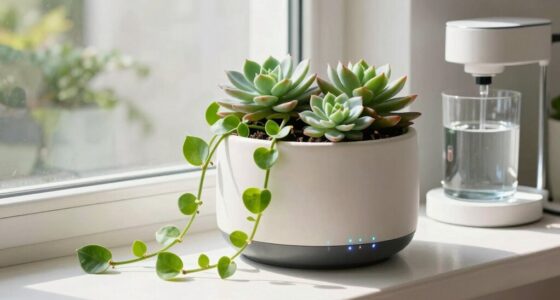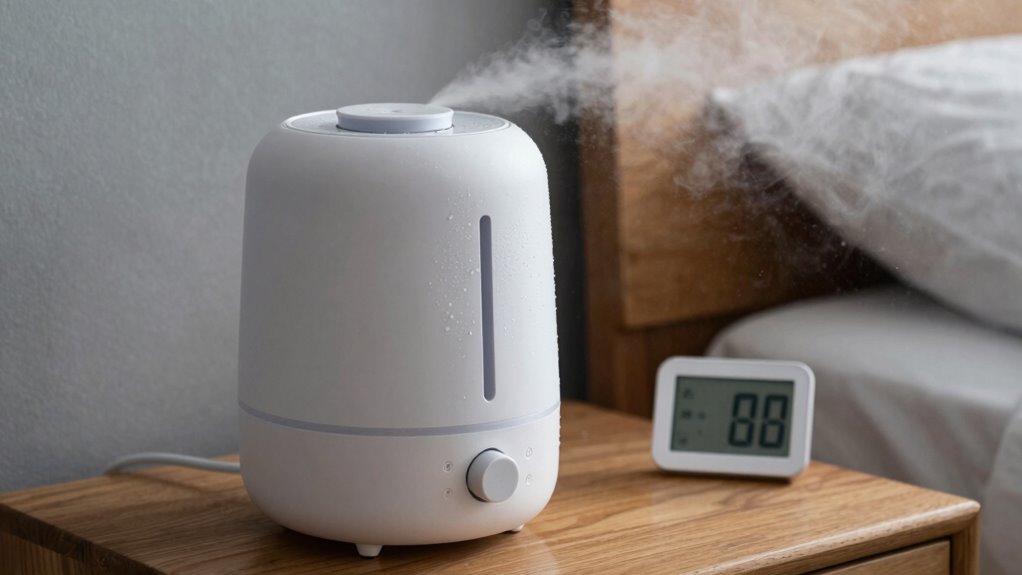
Humidifiers need more daily attention than their specs suggest because maintaining healthy indoor air quality requires you to monitor humidity levels, clean the device regularly, and change water daily. Running it nonstop without checking can promote mold, dust mites, and bacteria, worsening health issues. Using tools like hygrometers helps keep humidity between 30-50%. Staying attentive to your humidifier’s operation guarantees safety, efficiency, and better air quality, so continue for practical tips on how to manage it effectively.

Get garden gear delivered free — and shop member deals
- Fast, free delivery on millions of items
- Access to Prime Big Deal Days deals on October 6–7
- Prime Video, Amazon Music and more included
Key Takeaways
- Regular cleaning prevents bacteria, mold, and dust mite buildup, which spec sheets often overlook.
- Monitoring indoor humidity daily ensures optimal levels and avoids excess moisture hazards.
- Using hygrometers helps maintain proper humidity, which cannot be guaranteed by device settings alone.
- Turning off or adjusting humidifiers when not needed conserves energy and prolongs device lifespan.
- Consistent maintenance and attention are essential for safe, efficient operation beyond manufacturer recommendations.
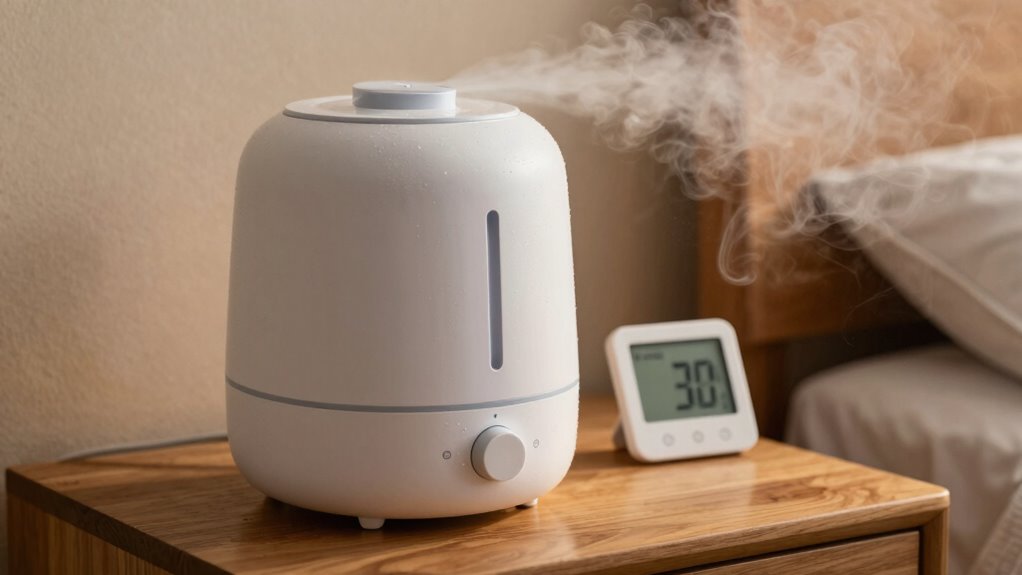
Humidifiers are a common solution for dry indoor air, but they require more daily attention than many people realize. While they might seem straightforward—simply add water, turn them on, and forget about it—there’s a lot more to maintaining healthy air quality and managing energy consumption. If you don’t stay vigilant, your humidifier could do more harm than good, leading to issues like mold growth, bacteria spread, and increased energy bills.
One of the key overlooked aspects is how humidifiers impact your indoor air quality. If you leave the device running constantly without monitoring, it can produce excess moisture. This excess can promote mold and dust mites, which worsen respiratory problems rather than alleviate them. Proper maintenance, such as regular cleaning and changing water daily, is essential to prevent bacteria and mold buildup. It’s not enough to rely solely on the humidifier’s settings; you need to check the humidity levels regularly with a hygrometer. Ideally, indoor humidity should stay between 30% and 50%. Too high, and you risk creating a breeding ground for allergens; too low, and your air remains dry and uncomfortable. Balancing these levels requires consistent attention, not just setting the device and leaving it. Maintaining optimal humidity levels is crucial for health and comfort. Additionally, understanding proper humidifier maintenance can help prevent health hazards associated with improper use.
Overusing humidifiers without monitoring can promote mold and dust mites; regular cleaning and humidity checks are essential.
Energy consumption is another important factor often underestimated. Many humidifiers run continuously without considering how much energy they use. If you leave yours on all day or night, your electricity bill can climb unnecessarily. Some models are more energy-efficient, but even then, it’s wise to turn them off when not needed or when ideal humidity levels are reached. Using a timer or smart plug can help you control when your humidifier operates, reducing unnecessary energy use. This not only saves money but also extends the lifespan of the device. Additionally, understanding humidifier settings and their impact on energy and humidity levels can help optimize your device’s performance and safety. Properly managing these settings can significantly improve efficiency and safety, ensuring you get the most benefit from your humidifier without waste.
As an affiliate, we earn on qualifying purchases.
Frequently Asked Questions
How Often Should I Clean My Humidifier Beyond Daily Maintenance?
You should clean your humidifier at least once a week beyond daily maintenance to extend its lifespan and guarantee peak performance. Regular cleaning prevents mold, bacteria, and mineral buildup, which can cause health issues and damage. If you use hard water or notice a musty smell, increase the cleaning frequency. Properly maintained humidifiers work more efficiently, last longer, and keep your air healthier.
What Are Signs My Humidifier Is Moldy or Dirty?
Think of your humidifier as a garden that needs constant tending. If you notice a musty smell, slimy residue, or discolored water, it’s a sign mold is creeping in. Mold prevention hinges on regular cleaning and using clean water, not just relying on the specs sheet. Dirty water quality invites mold and bacteria, so stay vigilant. When in doubt, give it a thorough scrub to keep your air fresh and safe.
Can I Use Tap Water in My Humidifier Safely?
You can use tap water in your humidifier, but it’s not always the safest choice. Water quality varies, and tap water might contain minerals or impurities that can clog your device or promote mold growth. Check your humidifier’s device compatibility to see if it recommends distilled or filtered water instead. Using the right water helps your humidifier run smoothly, reduces maintenance, and keeps the air healthier for you.
How Do I Prevent Mineral Buildup in My Device?
Prevent pesky mineral buildup by regularly cleaning your humidifier and using softened water. Mineral deposits form from water hardness, which can clog your device and diminish its efficiency. To keep it pristine, rinse the reservoir often, scrub away stubborn deposits, and consider a demineralization filter. This simple routine helps prevent mineral buildup, prolongs device life, and maintains ideal humidity, ensuring your humidifier functions flawlessly day after day.
Are There Health Risks From Improper Humidifier Maintenance?
Yes, improper humidifier maintenance can pose health risks. If you neglect cleaning, airborne bacteria can flourish, increasing the chance of respiratory infections. Mold and mineral buildup may also trigger allergic reactions or worsen asthma symptoms. Regularly disinfect your device and change the water daily to minimize these risks. Proper care helps guarantee the humidifier remains safe and effective, reducing potential health issues caused by accumulated bacteria or mold.
digital hygrometer for indoor humidity
As an affiliate, we earn on qualifying purchases.
As an affiliate, we earn on qualifying purchases.
Conclusion
While your humidifier might seem like a set-and-forget device, it’s actually more like a loyal companion that needs daily care. Giving it a little extra attention guarantees it stays in top shape, quietly working to keep your space comfortable. Think of it as tending to a small garden—you’ll be rewarded with consistently better air quality and fewer surprises. A little daily effort can turn a good humidifier into a great one, quietly enhancing your environment.
humidifier water filter replacement
As an affiliate, we earn on qualifying purchases.
As an affiliate, we earn on qualifying purchases.
energy-efficient ultrasonic humidifier
As an affiliate, we earn on qualifying purchases.
As an affiliate, we earn on qualifying purchases.
Halloween Picks
halloween
As an affiliate, we earn on qualifying purchases.