
To easily divide your indoor garden into harvest zones, start by observing each plant’s light, water, and growth needs. Use visual boundaries like shelves, containers, or color markers to separate different zones. Group plants with similar requirements together for efficient care and pest control. Keep organized records of pest issues and adjustments. If you follow these steps, you’ll create a structured, manageable garden that boosts productivity—plus, there’s more to discover to optimize your setup even further.

Get garden gear delivered free with Prime
- Fast, free delivery on millions of items
- Prime Video, Amazon Music and more included
- Member-only deals all year
Key Takeaways
- Use physical barriers like containers or shelving to create clear, visual boundaries for different zones.
- Group plants with similar light, water, and nutrient needs together for easier care.
- Label zones clearly to streamline maintenance and crop rotation.
- Adjust zones based on plant growth stages and pest activity for optimal management.
- Incorporate plant compatibility and pest control strategies within each zone to maintain garden health.
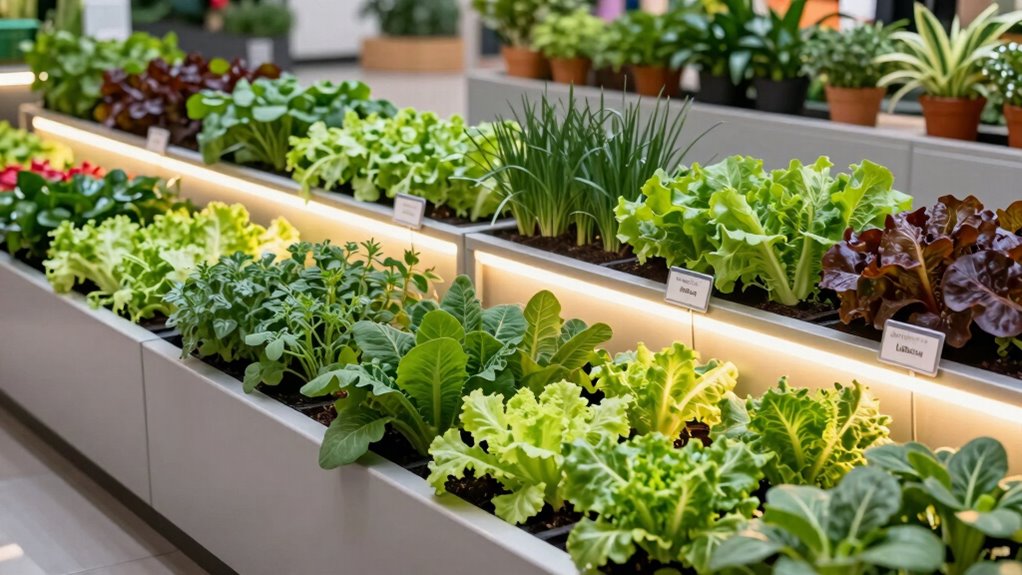
Understanding your indoor garden’s harvest zones is essential for maximizing your yields and ensuring healthy plants. Dividing your garden into distinct zones allows you to tailor your care routines, optimize resources, and manage pests more effectively. When you set up these zones, you create a structured approach that makes harvesting and maintenance more manageable, especially as your plants grow and your garden becomes more complex.
Dividing your indoor garden into zones boosts yields, simplifies care, and enhances plant health through targeted management.
Start by observing the different growth stages and light needs of your plants. For example, herbs and leafy greens often thrive in shaded, cooler zones, while fruiting plants like tomatoes or peppers need more direct light and warmer conditions. By categorizing these requirements, you can assign specific areas to particular plant groups, which simplifies applying composting strategies and pest management techniques. For instance, you might designate a section for composting organic waste, which can be used to nourish your soil and improve overall plant health, reducing the likelihood of pests and diseases.
Dividing your indoor garden into zones also helps you implement targeted pest management. If you notice pests in one area, you can focus your efforts there without risking the health of other zones. For example, you can introduce beneficial insects or apply organic treatments only where they’re needed, rather than blanket-spraying your entire garden. This localized approach minimizes chemical use and keeps your garden safer for your plants and your household. Recognizing the importance of garden organization can greatly enhance your gardening success.
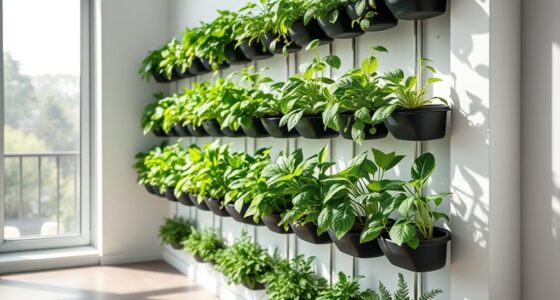
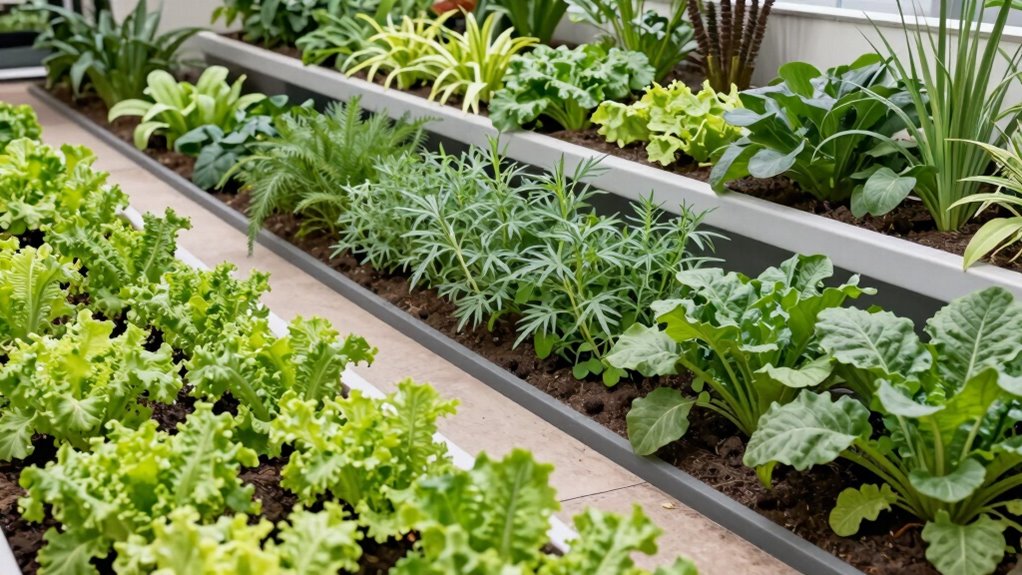
To make this division practical, consider setting up physical or visual boundaries within your grow space. Use containers, shelving, or even color-coded markers to define each zone clearly. This way, you can rotate crops within zones, apply specific composting strategies suited for each section, and keep an organized record of pest issues and solutions. As your garden evolves, adjusting the zones based on plant performance and pest activity will keep your system efficient and sustainable. Incorporating plant compatibility into your zone planning can help prevent pest and disease issues before they arise.
Finally, maintaining clear zones encourages better planning and resource management. You’ll know exactly where to water, fertilize, and monitor for pests, which reduces waste and prevents cross-contamination. Plus, the organization makes it easier to introduce new plants or experiment with different composting techniques. By dividing your indoor garden into harvest zones, you gain control over your garden’s productivity and health, making gardening more enjoyable and less stressful. A well-structured division also highlights the importance of harvest zones in creating a resilient and manageable indoor garden. This structured approach ensures your indoor garden remains productive, resilient, and a source of fresh, home-grown produce.
As an affiliate, we earn on qualifying purchases.
Frequently Asked Questions
How Often Should I Rotate Plants Between Zones?
You should rotate your plants between zones every few weeks to promote healthy growth and prevent pests. As you do, consider compost management to enrich your soil and adjust watering schedules based on each zone’s needs. Regular rotation prevents disease buildup and guarantees even nutrient distribution, keeping your indoor garden thriving. Keep a schedule and monitor plant health, so you know the best time to move them without stressing your plants.
What Lighting Adjustments Are Needed for Each Zone?
You should adjust your artificial lighting based on each zone’s needs, ensuring plants receive the right intensity and duration. For zones with natural light, supplement with grow lights during darker hours to maintain consistent growth. Research shows that tailored lighting boosts plant health; for example, leafy greens thrive under blue light, while flowering plants prefer red. Regularly monitor and fine-tune your lighting setup to optimize growth across all zones.
How Do I Prevent Pests When Dividing Zones?
To prevent pests when dividing your indoor garden, keep zones clean and monitor plants regularly. Use proper composting methods to avoid attracting pests, and guarantee you don’t overwater, as damp conditions invite unwanted visitors. Adjust watering schedules to keep plants healthy without excess moisture. Quarantining new plants before adding them to your zones also helps prevent pest spread. Consistent care and maintenance are key to pest-free indoor gardening.
Can Different Plants Share the Same Harvest Zone?
Yes, different plants can share the same harvest zone if you consider companion planting and soil compatibility. Choose plants that thrive together, like basil and tomatoes, to promote healthy growth and pest control. Guarantee the soil conditions suit all plants in that zone, avoiding overcrowding. Regularly monitor moisture and nutrient levels to keep each plant happy, maximizing your indoor garden’s productivity while reducing pests.
What Is the Best Way to Label Zones for Easy Management?
Think of plant grouping as organizing a library—you need clear labels to find what you want fast. For zone labeling, use waterproof labels or color-coded tags for each harvest zone. Write plant names and watering needs clearly. I once used different colored tapes for herbs and vegetables, which made maintenance quick and simple. Effective zone labeling guarantees you manage your indoor garden efficiently and avoid confusion.
shelving units for indoor gardening
As an affiliate, we earn on qualifying purchases.
As an affiliate, we earn on qualifying purchases.
Conclusion
Now that you’ve divided your indoor garden into harvest zones, you’re like a conductor orchestrating a symphony of growth. With each section carefully planned, you’ll enjoy a seamless harvest season, where every plant plays its part perfectly. These zones turn your garden into a well-tuned masterpiece, making maintenance easier and yields more bountiful. Embrace this method, and watch your indoor paradise flourish like a lush, harmonious garden in full bloom.
As an affiliate, we earn on qualifying purchases.
As an affiliate, we earn on qualifying purchases.
Fall Picks
fall essentials
As an affiliate, we earn on qualifying purchases.