Access to spare parts on your kit checklist is essential because it allows you to quickly repair equipment and prevent costly downtime. Having the right parts on hand supports proactive maintenance, keeping everything running smoothly. It streamlines operations and minimizes delays during unexpected breakdowns. Proper inventory management guarantees parts are available when needed, saving you time and money. Keep going to discover how incorporating spare parts boosts your efficiency even further.

Get garden gear delivered free with Prime
- Fast, free delivery on millions of items
- Prime Video, Amazon Music and more included
- Member-only deals all year
Key Takeaways
- Ensures quick replacements, minimizing equipment downtime and maintaining operational efficiency.
- Supports proactive maintenance, preventing minor issues from escalating into costly repairs.
- Facilitates organized inventory management, avoiding delays caused by missing parts.
- Enhances response time to unexpected breakdowns, ensuring continuous workflow.
- Promotes cost savings through efficient parts management and bulk purchasing opportunities.
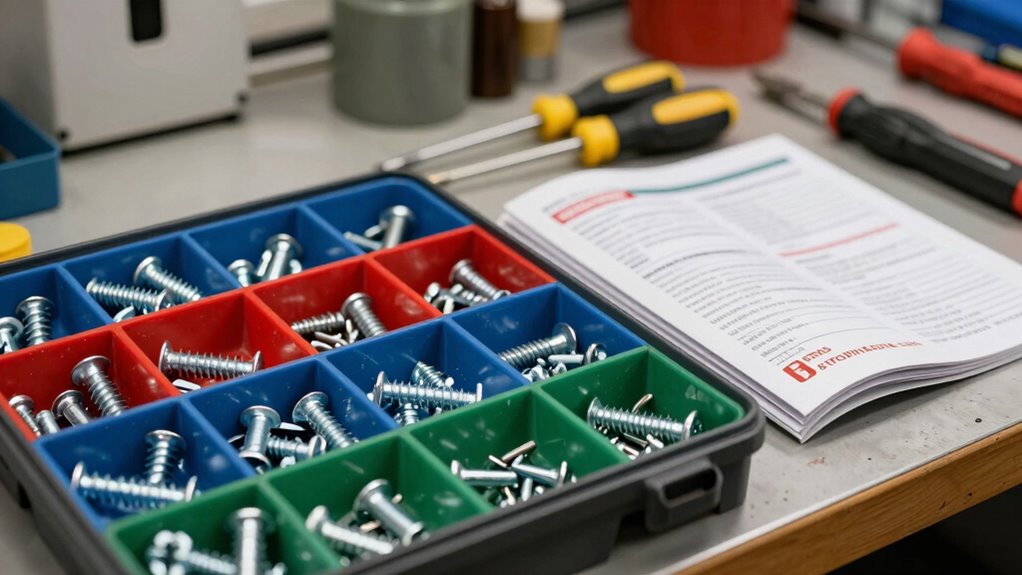
Having an all-inclusive spare parts kit is crucial to keep your equipment running smoothly and avoid costly downtime. When you’re proactive about maintenance planning, you prevent small issues from turning into major failures. Including spare parts in your kit isn’t just about having replacements on hand; it’s about streamlining your entire operation. Proper inventory management ensures you know exactly what parts you have, what’s running low, and what needs to be reordered. This foresight minimizes delays, keeps your workflow uninterrupted, and helps you stay prepared for unexpected breakdowns.
An all-inclusive spare parts kit is essential for smooth operations and preventing costly equipment downtime.
Access to spare parts directly supports effective maintenance planning. When you know which parts are available in your kit, scheduling regular maintenance becomes easier. You won’t be caught off guard by a missing component, and you can plan repairs around your operational schedule rather than reacting to failures. This proactive approach saves time and money, reducing the risk of emergency repairs that often carry higher costs and longer downtimes. In addition, a well-stocked kit allows you to perform quick replacements, which means less downtime and more productivity. Incorporating inventory management best practices can further enhance your ability to respond promptly to equipment issues, such as tracking usage patterns to anticipate future needs.
Inventory management plays a critical role in maintaining an efficient spare parts kit. It’s not enough to simply stockpile parts; you need a system to track their usage and expiration dates. Regularly auditing your inventory ensures you don’t hold onto obsolete or damaged parts, and it helps you identify which items need replenishing before they run out. When your inventory is well-managed, you avoid overstocking, which can tie up capital and storage space, or understocking, which leaves you unprepared when a part is needed most. Additionally, understanding the importance of biodiversity in your supply chain can help ensure sustainable sourcing of your spare parts. This approach not only promotes environmental responsibility but also contributes to supply chain resilience, ensuring you have reliable access to critical components.
Having access to spare parts also means you can respond swiftly to issues that arise unexpectedly. This responsiveness prevents minor hiccups from escalating into major problems that halt your operations. Plus, it demonstrates a professional approach to equipment management, showing that you value efficiency and reliability. When spare parts are integrated into your kit checklist, you’re not just reacting to breakdowns—you’re actively preventing them and ensuring your equipment remains operational. Moreover, maintaining a comprehensive parts inventory can help identify opportunities for cost savings through bulk purchasing or supplier negotiations.
Ultimately, including spare parts on your kit checklist is a smart move that enhances maintenance planning and optimizes inventory management. It keeps your team focused on productivity rather than troubleshooting or waiting for parts to arrive. With the right spare parts on hand, you’re better equipped to maintain smooth operations, reduce costs, and extend the lifespan of your equipment. This small but crucial adjustment to your toolkit can make all the difference in maintaining a reliable and efficient workflow.
Products Worth Considering

EGO POWER+ 21-Inch Cordless Self-Propelled Lawn Mower Kit, LM2135SP

Greenworks 48V Cordless Lawn Care Combo Kit with 20-Inch Mower, Trimmer, Blower, Batteries, and Charger

Orbit B-hyve Smart Indoor/Outdoor 12-Zone Sprinkler Controller
As an affiliate, we earn on qualifying purchases.
Frequently Asked Questions
How Do I Determine Which Spare Parts Are Essential?
To determine which spare parts are essential, consider your equipment’s longevity and daily usage. Focus on parts that frequently wear out or are critical for operation. Keep a well-organized storage system to optimize space and guarantee quick access. Regularly review your equipment’s maintenance history and manufacturer recommendations, adjusting your spare parts list as needed. This way, you prevent downtime and keep your equipment running smoothly.
What Is the Recommended Frequency for Checking Spare Parts Inventory?
Think of your spare parts inventory like tending a garden—you need regular checks to prevent weeds from taking over. You should review your inventory weekly or bi-weekly, especially for critical parts. Proper inventory management relies on consistent checks to identify shortages early, ensuring smooth operations. Maintaining strong supplier relationships helps you get parts quickly when needed, reducing downtime and keeping your kit ready for any situation.
How Can I Prevent Counterfeit Spare Parts From Being Included?
To prevent counterfeit spare parts, you should implement strict counterfeit prevention measures and prioritize authentic sourcing. Always buy from reputable suppliers and verify their credentials before making purchases. Check for official markings, certifications, and packaging that indicate authenticity. Regularly train your team on identifying counterfeit signs, and establish a clear process for inspecting incoming parts. These steps help guarantee you only include genuine parts in your kit, maintaining safety and reliability.
What Are the Cost Implications of Including Spare Parts in Every Kit?
Including spare parts in every kit impacts your costs through increased expenses for procurement and storage. Conducting a thorough cost analysis helps you balance the benefits of quick repairs against these costs. Effective inventory management ensures you keep ideal stock levels, avoiding overstocking or shortages that could inflate expenses. While initial costs rise, proactive planning ensures long-term savings, minimizing downtime and maintaining operational efficiency.
How Do Spare Parts Impact Overall Kit Assembly Time?
Including spare parts can slightly increase overall kit assembly time due to added inventory management tasks. You’ll need to organize and track these parts carefully to prevent delays. Proper inventory management guarantees each spare part is available when needed, while quality control guarantees that only functional, high-quality components are included. This process may take extra time upfront but helps prevent assembly issues later, ultimately streamlining your operations.
Conclusion
Including spare parts on your kit checklist isn’t just smart—it’s essential. Did you know that 60% of emergency kit failures happen because of missing or damaged components? By ensuring spare parts are always packed, you’re prepared for unexpected issues and can keep things running smoothly. Don’t overlook this small step; it can make a big difference in your safety and response time. Make spare parts a non-negotiable part of your kit today.